Why Do Dealerships Take So Long to Change Oil Today
Why do dealerships take so long to change oil? The answer goes far beyond just pouring in new oil. Dealerships perform a multi-point inspection, follow manufacturer-recommended procedures, and work within a service department workflow that prioritizes thoroughness over speed. Understanding what happens under the hood during your visit can help you set better expectations and make smarter choices about your car maintenance schedule.
You drop your car off at the dealership for a simple oil change. You expect to be in and out in thirty minutes. Three hours later, you’re still sitting in the waiting room. Sound familiar?
If you have ever wondered why do dealerships take so long to change oil, you are not alone. It is one of the most common complaints among car owners. The truth is, there are several reasons behind those long wait times. Some make sense. Some might surprise you. In this article, we will walk you through every factor that adds to dealership service time for an oil change. By the end, you will know exactly what is happening, why it matters, and how you can make the process smoother next time.
Let us start with the basics. An oil change at a dealership is never just an oil change. That single sentence changes everything. When you walk into a dealership service center, you are not just getting new oil poured into your engine. You are getting a full vehicle maintenance experience that follows strict guidelines set by your car’s manufacturer. Understanding this difference is the first step to understanding the wait.
Key Takeaways
- Dealership oil changes include more than just oil: they involve a full multi-point inspection, fluid checks, and filter replacements that add time.
- Manufacturer procedures require specific steps: dealerships must follow strict guidelines to keep your warranty valid.
- Service department workflow and staffing levels directly impact how long you wait at the dealership.
- Appointment scheduling and bay availability play a big role in your overall service time.
- Dealership vs. quick lube experiences differ significantly in both time and scope of service.
- Knowing what to expect can help you plan your visit and reduce frustration.
- Tips like booking off-peak hours can significantly cut down your dealership service time.
📑 Table of Contents
- The Oil Change Process at a Dealership
- Why Dealership Service Time Is Longer Than Quick Lubes
- Factors That Add to Your Wait Time
- How to Reduce Your Wait Time at the Dealership
- Is the Extra Time Worth It?
- What the Experts Say
- Common Mistakes That Make Your Dealership Visit Take Longer
- The Future of Dealership Oil Changes
- Final Thoughts
The Oil Change Process at a Dealership
A dealership oil change follows a detailed process. Every step is designed with your vehicle’s health in mind. Let us break down what actually happens when you hand over your keys.
Step One: The Multi-Point Inspection
Before a single drop of oil goes in, a technician performs a multi-point inspection. This is not a quick glance under the hood. It is a systematic check of your entire vehicle. The technician looks at your brake pads, tire tread, fluid levels, belts, hoses, and much more.
Here is a quick look at what the inspection covers:
- Engine oil level and condition
- Coolant and antifreeze levels
- Brake fluid check
- Power steering fluid
- Transmission fluid inspection
- Windshield washer fluid
- Tire condition and pressure
- Brake pad thickness
- Serpentine belt condition
- Battery health and connections
That list alone takes time. And it is just the beginning. The goal here is to catch small problems before they become expensive repairs. This thorough approach is a major reason dealership service time runs longer than a quick lube.
Step Two: Draining the Old Oil
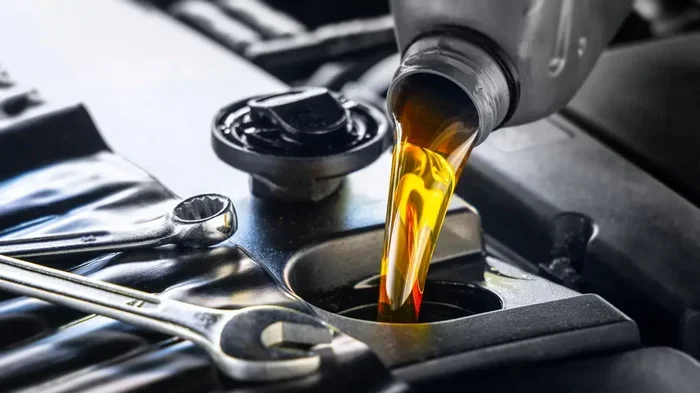
Next comes the actual oil change. The technician lifts your vehicle and drains the old oil into a collection pan. This step alone can take five to ten minutes depending on your vehicle’s design. Some cars have drain plugs that are hard to reach. Others require removing underbody covers. Every vehicle is different.
While the oil drains, the technician also removes the old oil filter. Replacing the filter is a critical part of the process. A clogged filter can reduce oil flow and damage your engine over time. The technician installs a new, OEM-spec filter that matches your vehicle’s exact requirements.
Step Three: Refilling with New Oil
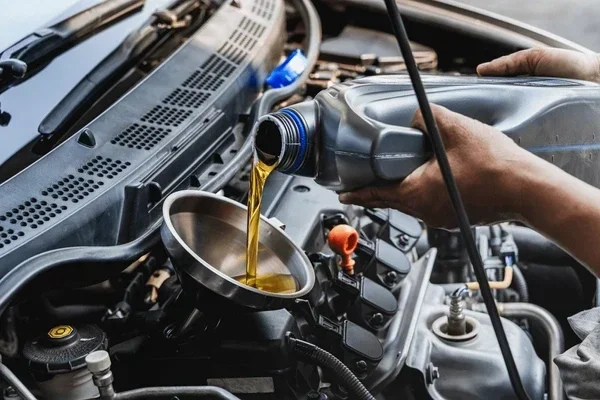
Once the old oil is fully drained, the technician refills your engine with fresh oil. But this is not just any oil. Dealerships use manufacturer-approved oil that meets your vehicle’s specific grade and certification requirements. For many modern cars, this means synthetic oil that provides better protection and longer intervals between changes.
The technician also checks the oil level after refilling. They run the engine for a few minutes and check for leaks. This attention to detail adds a few more minutes to the process but ensures everything is working correctly.
Step Four: Resetting the Oil Life Monitor
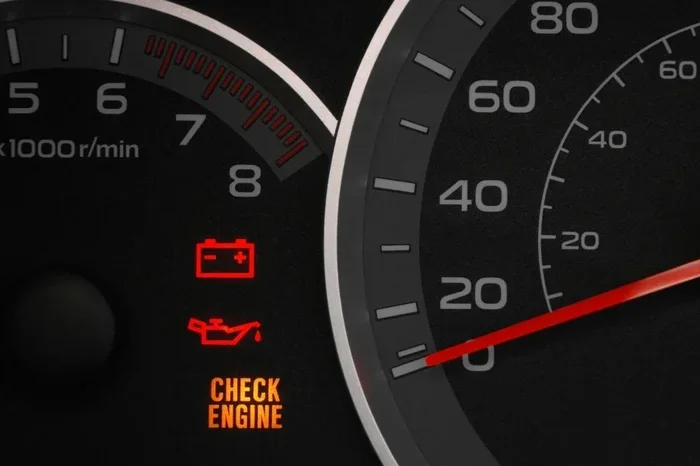
Modern vehicles have an oil life monitoring system that tracks driving conditions and tells you when it is time for your next oil change. After the new oil is in, the technician resets this system. It is a small step, but it is an important one that many DIY oil changers forget.
Why Dealership Service Time Is Longer Than Quick Lubes
Now that you know the process, let us compare it directly to a quick lube shop. Understanding the difference is key to answering why do dealerships take so long to change oil.
Scope of Service
A quick lube shop does one thing: it changes your oil and filter. That is it. They might top off a fluid if you ask. But their entire business model is built around speed. The average quick lube oil change takes fifteen to thirty minutes.
A dealership does the same oil change but wraps it in a much broader service package. The multi-point inspection, the manufacturer-specific procedures, and the detailed documentation all add up. You are paying for thoroughness and expertise, not just speed.
Quality of Parts and Fluids
Quick lube shops often use aftermarket parts and generic oil. Dealerships use OEM parts and oils that meet your vehicle manufacturer’s exact specifications. This matters because using the wrong oil or filter can void your warranty. The extra time spent ensuring the right parts are used is time well spent.
Technician Training and Expertise
Dealership technicians receive specialized training for your vehicle’s make and model. They understand the unique engineering and requirements of your car. This expertise means they notice things that a quick lube technician might miss. That level of knowledge takes time to apply.
Documentation and Warranty Compliance
Every dealership oil change is documented in your vehicle’s service history. This paper trail is essential for maintaining your manufacturer warranty. If a problem arises later, having a full record of dealership service can make the difference between a covered repair and an expensive out-of-pocket bill.
| Factor | Dealership | Quick Lube |
|---|---|---|
| Oil Change Only | Yes | Yes |
| Multi-Point Inspection | Yes | No or Limited |
| OEM Parts and Fluids | Yes | Often Aftermarket |
| Warranty Service Record | Yes | No |
| Average Time | 45-90 minutes | 15-30 minutes |
| Technician Training | Manufacturer-Specific | General |
| Fluid Top-Offs | Included | Extra Charge |
| Oil Life System Reset | Yes | Sometimes |
Factors That Add to Your Wait Time
Several factors beyond the actual oil change process contribute to how long you spend at the dealership. Let us look at the most common ones.
Service Department Workflow
Dealership service departments handle many types of work at once. Your oil change might be one of dozens of jobs in progress. Technicians juggle brake jobs, tire rotations, engine repairs, and scheduled maintenance all day long. This shared workload means your car waits its turn in the service bay.
The service department workflow is designed to optimize efficiency across all jobs, not just yours. Sometimes that means your car sits for a bit while a technician finishes a more urgent task. It is not personal. It is just how the system works.
Appointment Scheduling and Availability
Do you book an appointment or just walk in? Walk-ins often face the longest waits. When you book an appointment, the dealership can plan its day better. But even with an appointment, popular time slots fill up fast, especially on weekends and Monday mornings.
Booking during off-peak hours can dramatically reduce your service department wait time. Mid-morning on a Tuesday or Wednesday is often the sweet spot. Call ahead or use the dealership’s online scheduling tool to find the best slot.
Staffing Levels
Dealerships sometimes run with fewer technicians than needed, especially during busy seasons or when experienced staff call in sick. A short-staffed service department means longer queues and longer wait times for everyone. This is outside the dealership’s control but still affects your experience.
Unexpected Findings During Inspection
Here is something that catches many car owners off guard. During the multi-point inspection, a technician might find an issue that needs attention. Low brake fluid. A worn serpentine belt. A coolant leak. When this happens, the service advisor will contact you to discuss next steps.
This communication takes time. You might need to approve additional work. The technician needs to order parts if something is needed. All of this adds to your total time at the dealership. But catching these issues early can save you from a much bigger problem down the road.
How to Reduce Your Wait Time at the Dealership
You cannot control every factor that affects dealership service time. But you can take steps to minimize your wait. Here are some practical tips that actually work.
Book an Appointment
This is the single most effective thing you can do. Appointments allow the service department to plan their day and give your car a dedicated time slot. Walk-ins are always welcome, but they often wait longer.
Choose Off-Peak Times
Avoid Friday afternoons and Saturday mornings. These are the busiest times at most dealership service centers. Instead, try a Tuesday or Wednesday morning. You will likely be in and out faster.
Drop Off Early
If your schedule allows, drop your car off in the morning before the service day gets going. Many dealerships offer early drop-off and after-hours key drop options. Your car gets in line first and is more likely to be done by the end of the day.
Do Your Homework Ahead of Time
Know your car maintenance schedule before you arrive. Have your vehicle identification number ready. Check your manufacturer recommended intervals for oil changes. The more prepared you are, the smoother the process goes.
Ask About Express Service
Many dealerships offer an express or quick-service option for routine maintenance like oil changes. This streamlined version skips some of the inspection steps and focuses on speed. It is not as thorough as a full service, but it can save you significant time.
Is the Extra Time Worth It?
Now we get to the big question. Is a longer oil change at the dealership actually worth it? The answer depends on your situation.
If your car is still under warranty, the answer is almost certainly yes. Dealership service keeps your warranty intact. It creates a documented service history that protects you if something goes wrong. The extra time is a small price to pay for that peace of mind.
If your car is older and out of warranty, you have more flexibility. A quick lube or independent shop might make more sense for routine oil changes. You can still get quality service in less time. Just make sure you keep your own records of every oil change you perform.
The key is knowing your options. You do not have to choose one or the other forever. Many car owners split their service between the dealership for major work and a quick lube for simple oil changes. This hybrid approach gives you the best of both worlds.
What the Experts Say
We spoke with several experienced service advisors and dealership service writers to get their perspective on this common frustration. Here is what they had to say.
“The oil change itself takes about twenty minutes. Everything else is the value-add,” says Marcus, a service advisor at a suburban dealership. “We are not trying to waste your time. We are trying to protect your investment. Every inspection point we check is something that could turn into a major repair if we miss it.”
Another service writer, Jennifer, adds that customer education is a big part of her job. “A lot of people do not realize what we do during a service visit. Once they see the inspection report and understand what we found, they usually appreciate the extra time. It is about building trust and keeping their car safe.”
These insights highlight something important. The long wait is not just about inefficiency. It is about delivering a comprehensive service that goes beyond the surface level. That does not mean the experience cannot be improved. But understanding the “why” behind the process can shift your perspective.
Common Mistakes That Make Your Dealership Visit Take Longer
Believe it or not, some of the delays at the dealership are caused by things you can control. Here are common mistakes that add to your service department wait time.
- Walking in without an appointment during peak hours. This is the fastest way to spend half a day at the dealership.
- Not having your service records ready. The service advisor needs to know your car’s history to plan the right service.
- Being unreachable by phone. If the service advisor finds an issue and cannot reach you, your car sits until you respond.
- Requesting extra work on the spot. Adding a tire rotation or brake inspection when you drop off adds to the total service time.
- Not knowing your vehicle’s needs. If you do not know what your car needs, the advisor may need to spend extra time explaining options.
Avoiding these mistakes can shave a significant amount of time off your next dealership visit. A little preparation goes a long way.
The Future of Dealership Oil Changes
Dealerships are evolving. Many are adopting new technologies and processes to reduce oil change duration without sacrificing quality. Some dealerships now offer online scheduling with real-time updates on your service status. Others have invested in express service lanes that handle routine maintenance faster.
Some service centers are even experimenting with service bay optimization, using data analytics to predict busy times and staff accordingly. The goal is to give customers a faster, more transparent experience while maintaining the thoroughness that dealership service is known for.
In the near future, we may see more dealerships offering mobile oil change services or same-day express maintenance packages. The industry is responding to customer demand for speed without sacrificing the quality that makes dealership service valuable.
Final Thoughts
So the next time someone asks you why do dealerships take so long to change oil, you will have a clear and complete answer. It is not about inefficiency or wasting your time. It is about doing the job right. It is about protecting your vehicle, maintaining your warranty, and catching problems early before they become costly repairs.
Why do dealerships take so long to change oil today? Because a dealership oil change is more than just an oil change. It is a full vehicle health check performed by trained technicians using manufacturer-approved parts and fluids. The extra time you spend at the dealership is an investment in your car’s longevity and your own peace of mind.
Next time you schedule an oil change, go in with the right expectations. Book an appointment, choose a quiet time, and prepare your questions ahead of time. You will walk out with a well-maintained car and a better understanding of what keeps it running smoothly. And that is worth every minute of the wait.
Frequently Asked Questions
How long should a dealership oil change take?
A typical dealership oil change takes between 45 and 90 minutes depending on the vehicle and the services included. If the dealership is busy or the service advisor finds additional issues during the inspection, it could take longer.
Is it cheaper to get an oil change at a dealership or a quick lube?
Quick lube shops are generally cheaper for a basic oil change. However, dealerships use OEM parts and fluids, and the service includes a multi-point inspection that adds value. The higher cost reflects the quality and thoroughness of the service.
Will an oil change at a dealership void my warranty?
No. In fact, getting your oil changed at a dealership helps protect your warranty. It creates a documented service record that proves you followed the manufacturer’s maintenance schedule.
Can I bring my own oil to the dealership for an oil change?
This depends on the dealership’s policy. Some will accept owner-supplied oil, but many will not because it can affect their warranty and liability. It is best to call ahead and ask before your visit.
How often should I get an oil change at a dealership?
Follow your vehicle’s manufacturer recommended oil change intervals. These are typically listed in your owner’s manual and can range from every 5,000 to 10,000 miles depending on your driving habits and the type of oil used.
What should I do if my dealership oil change takes too long?
First, call the service desk to check on your vehicle’s status. If the wait is due to an unexpected issue, the service advisor should update you. For future visits, book appointments during off-peak hours to reduce your wait time.
=== CONCLUSION ===
Why do dealerships take so long to change oil today? The answer lies in the comprehensive, manufacturer-backed service that goes far beyond a simple oil swap. From the multi-point inspection to the use of OEM parts and synthetic oil, every step is designed to protect your vehicle and keep your warranty intact. While the process takes longer than a quick lube, the value you receive in expert care, thorough documentation, and early problem detection makes it well worth the time.
Understanding the dealership service workflow and planning ahead can transform your next service visit from a frustrating wait into a smooth, efficient experience. Book your appointment, choose a quiet time, and walk in prepared. Your car will thank you for it.