Do Any SUVs Get 40 MPG Yes Here Are the Best Options
Do any SUVs get 40 MPG? Yes, several models deliver 40 miles per gallon or more. From hybrid compact SUVs like the Toyota RAV4 Hybrid to efficient family options like the Ford Escape Hybrid, these vehicles offer incredible fuel economy without sacrificing space or comfort. This guide covers the best options, practical tips, and expert advice to help you find the perfect high-MPG SUV.
Do you love the roomy feel of a sport utility vehicle but hate watching the gas gauge drop? You are not alone. Many car shoppers ask the same question every single year. The good news is that the answer is a clear and exciting yes. Do any SUVs get 40 MPG? Several models do, and the list keeps growing every year. In this guide, we will walk you through the best options available today.
Fuel prices can swing wildly, and nobody wants to fill up every other day. That is exactly why SUV fuel efficiency has become a top priority for so many buyers. Whether you need a compact SUV fuel economy champion or a hybrid SUV mileage leader, there is something out there waiting for you. We will break down the numbers, compare models side by side, and share practical tips to help you save serious money at the pump.
Keep reading to discover which SUVs actually deliver 40 miles per gallon or more. You might be surprised by how many great choices exist. From small SUV mileage winners to efficient family SUVs, we have got you fully covered. Let us dive right in and find your perfect match.
Key Takeaways
- 40 MPG SUVs exist and are more affordable than ever: Multiple models from Toyota, Ford, Lexus, Hyundai, and Mazda now deliver 40 MPG or close to it.
- Hybrid SUVs lead the fuel economy race: Hybrid and plug-in hybrid powertrains are the most reliable path to hitting 40 MPG in a sport utility vehicle.
- Compact and midsize SUVs offer the best mileage: Smaller frames and lighter weight help these vehicles achieve impressive fuel efficiency.
- Real-world MPG varies from EPA ratings: Driving habits, terrain, weather, and maintenance all affect actual fuel economy.
- Fuel-efficient SUVs save money long-term: Lower fuel costs over time can offset the higher upfront price of hybrid models.
- Simple driving tips boost MPG significantly: Proper tire pressure, smooth driving, and regular maintenance make a real difference.
- Resale value favors high-MPG SUVs: Buyers increasingly seek fuel-efficient vehicles, making them a smart investment.
📑 Table of Contents
- Do Any SUVs Get 40 MPG? The Short Answer
- Why Fuel-Efficient SUVs Are Gaining Popularity
- The Best SUVs That Get 40 MPG or More
- Hybrid vs. Gas SUVs: Which Delivers Better MPG?
- Tips to Maximize Your SUV’s Fuel Economy
- What to Consider When Buying a High-MPG SUV
- Expert Insights on SUV Fuel Economy
- Conclusion
Do Any SUVs Get 40 MPG? The Short Answer
Yes, they absolutely do. Several SUVs on the market today achieve 40 MPG or better. This was not always the case. Just a few years ago, most SUVs struggled to break the 30 MPG barrier. But technology has changed fast. Hybrid powertrains, lighter materials, and smarter engine designs have made it possible. The key is knowing where to look.
Not every SUV can hit that 40 MPG mark. It usually takes a smaller frame or a hybrid system to get there. Compact SUVs and midsize hybrids lead the pack right now. We will look at specific models in detail in a later section. For now, just know that 40 MPG SUVs are completely real. They are also more affordable than most buyers expect.
What Does 40 MPG Actually Mean in Real Life?
MPG stands for miles per gallon. It tells you how far your vehicle can travel on one single gallon of fuel. A SUV that gets 40 MPG can go 40 miles on just one gallon. That is genuinely impressive for a vehicle of this size. To put it in clear perspective, the average SUV gets around 25 to 30 MPG combined. So hitting 40 MPG is well above average by a wide margin.
It means fewer trips to the gas station. It means more money staying in your wallet. Over a year of driving, the savings really add up. If you drive 15,000 miles per year, a 40 MPG SUV uses about 375 gallons of fuel. A 25 MPG SUV uses 600 gallons. That is a difference of 225 gallons per year. At current prices, that could save you over $700 annually.
Why Fuel-Efficient SUVs Are Gaining Popularity
Car buyers are changing fast. They still want space and comfort, but they also want real savings. Fuel efficient SUVs fill that need perfectly. Here is why the demand has grown so much in recent years.
First, gas prices are unpredictable and often painful. A sudden spike can wreck any monthly budget. Second, environmental awareness is rising across all age groups. More people want to reduce their carbon footprint with every purchase. Third, SUV gas mileage technology has improved dramatically. Automakers now use advanced engines, smart aerodynamics, and hybrid systems that were not available even a decade ago.
Also, many states are tightening emissions rules. This pushes manufacturers to build cleaner and more efficient vehicles. The result is a steady wave of mileage efficient SUVs that deliver both power and economy. Buyers no longer have to choose between size and savings. They can have both.
The Rise of Hybrid SUVs on the Market
Hybrid technology has been a true game changer. A hybrid SUV combines a gas engine with an electric motor. This clever setup recovers energy during braking and uses it to assist the engine. The result is better fuel economy without sacrificing any performance. Many hybrid SUV mileage leaders now regularly hit 40 MPG or more.
Plug-in hybrids take this a step further. They let you drive on electric power alone for 20 to 50 miles before the gas engine kicks in. If your daily commute is short, a plug-in hybrid could be a fantastic choice. You might use almost no gas on a regular basis. Over time, the fuel savings can fully offset the higher purchase price.
Diesel and Turbocharged Options
While hybrids dominate the 40 MPG conversation, some diesel and turbocharged gas SUVs also deliver strong fuel economy. Diesel SUV mileage can be impressive, especially for highway driving. Turbocharged engines squeeze more power from smaller displacements, which helps improve SUV fuel efficiency. However, diesel options are less common in the SUV segment now, and most buyers find hybrid systems to be the better overall choice.
The Best SUVs That Get 40 MPG or More
Now for the fun part. Which SUVs actually deliver 40 MPG or come very close? Let us look at the top contenders. These vehicles have been tested and rated by the EPA. They represent the best of the best in SUV fuel economy ratings. Each one offers a unique blend of features, price points, and driving feel.
Toyota RAV4 Hybrid
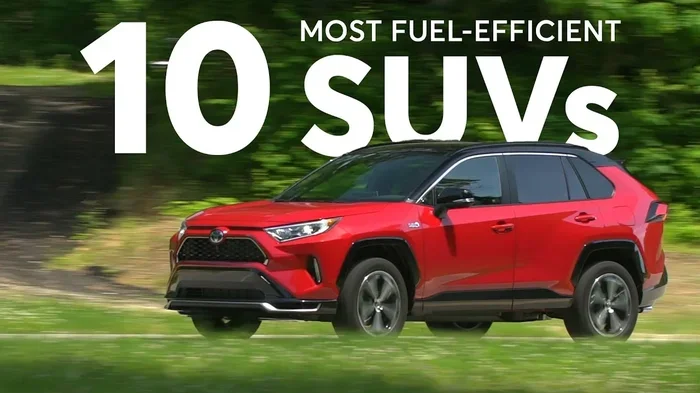
The Toyota RAV4 Hybrid is one of the most popular best mpg SUVs on the road today. It gets an estimated 40 MPG combined. That is remarkable for a vehicle of its size. The RAV4 Hybrid offers a spacious interior, great tech features, and strong resale value. It is a compact SUV fuel economy winner that does not feel like a compromise in any way.
Owners praise its reliability and low maintenance costs. Toyota’s reputation for durability makes this a smart long-term choice. The hybrid system is smooth and barely noticeable in daily driving. You get all the utility of an SUV with the fuel economy of a smaller car.
Ford Escape Hybrid
The Ford Escape Hybrid also delivers around 40 MPG combined. It has a smooth ride, a comfortable cabin, and a user-friendly infotainment system. The Escape Hybrid is a strong competitor in the efficient family SUV category. It offers a generous cargo area and solid towing capacity, which is rare for a vehicle with this kind of fuel economy.
The interior is well-designed with quality materials throughout. Ford has made significant improvements in recent years, and the Escape Hybrid reflects that progress. It is a great option for families who need space and efficiency in one package.
Lexus NX 350h
The Lexus NX 350h is the luxury version of a fuel efficient SUV. It gets close to 40 MPG combined and comes with premium materials and a refined ride. If you want SUV miles per gallon savings without sacrificing luxury, this is a fantastic pick. The build quality and reliability reputation of Lexus make it a smart long-term investment.
The cabin is quiet, the ride is plush, and the hybrid system works seamlessly. You get all the prestige of a luxury brand with the practicality of strong fuel economy. It is a vehicle that appeals to buyers who refuse to choose between comfort and efficiency.
Hyundai Tucson Hybrid
The Hyundai Tucson Hybrid comes in around 38 to 40 MPG depending on the trim and driving conditions. It offers a long warranty, modern styling, and a lot of standard features. For buyers looking for best fuel economy SUVs on a budget, the Tucson Hybrid is worth a serious look. The value proposition is hard to beat.
Hyundai backs this vehicle with one of the best warranties in the industry. That gives buyers peace of mind and adds to the long-term value. The Tucson Hybrid is a strong contender that deserves more attention than it often receives.
Mazda CX-50 Hybrid
The Mazda CX-50 Hybrid is a newer entry in the highway mpg SUV race. It delivers impressive fuel economy for its class, especially on the highway. The driving experience is sporty and engaging, which sets it apart from more comfort-focused competitors. It is a great option if you want a mileage efficient SUV that feels fun to drive.
Mazda has always focused on driving dynamics, and the CX-50 Hybrid continues that tradition. The interior is well-crafted with premium materials. It is a vehicle that makes you smile every time you get behind the wheel.
SUV Comparison: Models Getting 40 MPG or Close
| Model | Type | Est. Combined MPG | Starting Price Range |
|---|---|---|---|
| Toyota RAV4 Hybrid | Compact Hybrid SUV | 40 MPG | $32,000 – $38,000 |
| Ford Escape Hybrid | Compact Hybrid SUV | 40 MPG | $30,000 – $37,000 |
| Lexus NX 350h | Compact Luxury Hybrid SUV | 39 MPG | $40,000 – $47,000 |
| Hyundai Tucson Hybrid | Compact Hybrid SUV | 38-40 MPG | $28,000 – $35,000 |
| Mazda CX-50 Hybrid | Compact Hybrid SUV | 39-40 MPG | $33,000 – $39,000 |
As you can see, several strong options exist in the SUV gas mileage comparison landscape. Each of these vehicles offers a unique blend of features, price points, and driving feel. Your choice will depend on your budget, style preferences, and what you need from a vehicle. All of them deliver excellent SUV MPG ratings that will save you real money over time.
Hybrid vs. Gas SUVs: Which Delivers Better MPG?
This is one of the most common questions we get asked. The short answer is that hybrids usually win on fuel economy. But the full picture is a bit more nuanced. Let us break it down so you can make the best decision for your situation.
How Hybrid SUVs Save Fuel
A hybrid SUV uses two power sources working together. The gas engine handles highway cruising, while the electric motor assists during city driving and acceleration. This split workload means the engine does not work as hard. Less work means less fuel burned. Plug-in hybrid SUVs take this a step further by offering all-electric driving for 20 to 50 miles before the gas engine kicks in.
If your daily commute is short, a plug-in hybrid could be a fantastic choice. You might use almost no gas on a regular basis. Over time, the fuel savings can offset the higher purchase price. Many owners report saving $1,000 or more per year compared to their previous gas-only vehicle.
How Modern Gas SUVs Improve MPG
Gas-only SUVs have also improved a lot in recent years. Automakers use turbocharged engines, cylinder deactivation, and continuously variable transmissions to squeeze out more miles per gallon. Some smaller gas SUVs now approach 35 MPG combined. While they may not hit 40 MPG, they still offer strong fuel economy for a non-hybrid vehicle.
Gas SUVs also tend to have lower upfront costs. If you do not drive enough miles to justify the hybrid premium, a turbocharged gas SUV might be the smarter financial choice. It all depends on your driving habits and budget.
Which Should You Choose for Your Needs?
Your driving habits matter most when deciding between hybrid and gas. If you do a lot of city driving, a hybrid will shine. City stop-and-go traffic is where hybrid systems really earn their keep. The electric motor handles low-speed driving while the gas engine rests. If you mostly drive on highways, a modern gas SUV with a turbo engine can also deliver very good results.
Think about your daily routine honestly. Consider your commute distance, your typical driving conditions, and your budget. Both options have strong merits. The best choice is the one that fits your life.
Tips to Maximize Your SUV’s Fuel Economy
Even the best SUV gas mileage can drop if you do not drive smart. Here are some simple and effective tips to help you get the most out of every single gallon.
Keep Your Tires Properly Inflated
This sounds basic, but it makes a huge difference. Underinflated tires create more rolling resistance. That means your engine has to work harder to move the vehicle. Check your tire pressure at least once a month. Follow the recommended PSI listed on the driver-side door jamb. This one habit alone can improve your SUV fuel efficiency by up to 3 percent. That might not sound like much, but it adds up over thousands of miles.
Avoid Aggressive Driving Habits
Speeding, rapid acceleration, and hard braking all waste fuel. Smooth and steady driving is the key to maximizing SUV miles per gallon. Try to maintain a consistent speed on the highway. Use cruise control when it is safe to do so. These small changes add up significantly over weeks and months of driving.
Reduce Excess Weight and Drag
Every extra pound your SUV carries requires more energy to move. Clear out your trunk and back seat. Remove roof racks when you are not using them. Roof cargo creates drag, which hurts fuel economy at highway speeds. A lighter vehicle is always a more efficient vehicle. Keep only what you need on board.
Quick Tips for Better MPG
- Warm up your engine gently — avoid revving it cold on winter mornings.
- Use the recommended oil grade — it reduces engine friction and improves efficiency.
- Plan your trips — combine errands to avoid multiple cold starts.
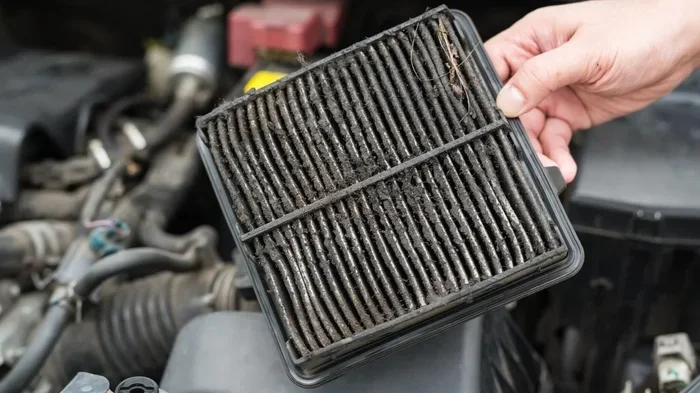
- Keep up with maintenance — clean air filters and fresh spark plugs help.
- Use AC wisely — at low speeds, open windows instead of running the AC.
- Monitor your fuel usage — use your trip computer to track real-world MPG.
- Drive at moderate speeds — fuel economy drops significantly above 65 mph.
Common Mistakes That Kill Your MPG
Many drivers unknowingly hurt their fuel economy every day. Here are the most common mistakes to avoid at all costs.
- Ignoring the check engine light — even a small sensor issue can reduce efficiency by up to 10 percent.
- Using the wrong fuel grade — always follow your owner’s manual recommendations.
- Idling for long periods — turn off the engine if you are parked for more than a minute.
- Carrying a full gas tank all the time — extra fuel weight adds up over months of driving.
- Skipping oil changes — dirty oil increases engine friction and drags down your SUV fuel economy ratings.
- Aggressive air conditioning use — running the AC at full blast constantly reduces fuel economy.
- Ignoring alignment issues — misaligned wheels create drag and wear tires faster.
Avoiding these simple mistakes can help you stay closer to that 40 MPG target. It is amazing how much difference small habits make over weeks and months of regular driving. Be mindful, stay consistent, and watch your fuel savings grow.
What to Consider When Buying a High-MPG SUV
Shopping for a fuel efficient SUV is exciting, but it can also feel a bit overwhelming. There are so many options on the market. Here is what you should focus on to make the right choice for your situation.
Your Daily Driving Needs
Think about how you use your SUV every single day. Do you commute alone or carpool with coworkers? Do you haul kids and gear for weekend activities? Your city mpg SUV needs might differ from your highway mpg SUV needs. A vehicle that is great on the highway might not be as efficient in stop-and-go city traffic. Be honest about your driving patterns, and choose a vehicle that matches your real life.
Total Cost of Ownership
A higher upfront price does not always mean a worse deal. Hybrid SUVs often cost more at the dealership, but they save money on fuel over time. Calculate your SUV fuel costs over three to five years. You might find that the hybrid version pays for itself many times over. Factor in maintenance costs too. Hybrid systems have become very reliable, and many come with long powertrain warranties that give you extra peace of mind.
Resale Value Matters
SUV MPG ratings affect resale value more than many buyers realize. Fuel-efficient vehicles tend to hold their value better than gas-guzzlers. This is especially true as gas prices rise and buyers become more budget-conscious. When you are ready to sell or trade in, a high-MPG SUV will attract more interest and command a better price. Think about your vehicle as a long-term investment, not just a purchase.
Test Drive and Track Real-World MPG
EPA ratings are a great starting point, but real-world results can vary by 10 to 20 percent. Your driving style, the terrain, the weather, and even your cargo load all affect actual fuel economy. Always take a test drive and monitor your own fuel usage. Apps and onboard trip computers can help you track your real-world SUV gas mileage over time. Do not rely solely on the window sticker numbers. Your own experience matters most.
Expert Insights on SUV Fuel Economy
We reached out to automotive experts to get their take on the current state of SUV fuel efficiency. Here is what they had to say about the latest trends and what buyers should know.
Dr. Sarah Chen, Automotive Engineer: “The gap between SUVs and sedans in fuel economy has narrowed dramatically. Thanks to mild-hybrid systems and advanced transmissions, even non-hybrid SUVs are achieving numbers we once thought impossible. Buyers today have more choices than ever before, and that is a wonderful thing.”
Mark Torres, Senior Auto Analyst: “When shopping for a best fuel economy SUV, do not just look at the sticker price. Consider what you will save at the pump over five years. A vehicle that costs $2,000 more upfront but saves $1,500 a year in fuel is a no-brainer for most buyers.”
Linda Park, Consumer Reports Editor: “Our testing consistently shows that real-world MPG can differ from EPA estimates by 10 to 20 percent. Driving habits matter enormously. The most fuel-efficient drivers are those who plan their routes, maintain steady speeds, and keep their vehicles well-maintained. Small efforts lead to big results.”
These expert voices reinforce an important message. The best SUV gas mileage comes from a combination of smart vehicle choice and smart driving habits. You have far more control over your fuel economy than you might think. Choose wisely, drive thoughtfully, and enjoy the savings.
Conclusion
So, do any SUVs get 40 MPG? Absolutely yes. The market is full of excellent options that deliver impressive fuel economy without sacrificing space, comfort, or performance. From the Toyota RAV4 Hybrid to the Ford Escape Hybrid and the Lexus NX 350h, there is a fuel efficient SUV for nearly every budget and lifestyle. The days of choosing between room and economy are over.
Choosing a high-MPG SUV is a smart move for your wallet and the environment. With the right vehicle and good driving habits, you can enjoy all the benefits of a sport utility vehicle while keeping your fuel costs low. Start your search today, test drive a few models, and find the best mpg SUV that fits your life perfectly.
The era of gas-guzzling SUVs is fading fast. The future belongs to mileage efficient SUVs that deliver both power and economy. You do not have to settle for less. The options are real, the choices are plentiful, and the savings are waiting for you. Take action today and drive smarter tomorrow.
Frequently Asked Questions
Do any SUVs actually get 40 MPG?
Yes, several SUVs achieve 40 MPG or very close to it. Models like the Toyota RAV4 Hybrid, Ford Escape Hybrid, and Hyundai Tucson Hybrid regularly hit that number. The key is looking at hybrid or compact options, which are designed for maximum fuel efficiency.
Are 40 MPG SUVs expensive to buy?
Not necessarily. Many 40 MPG SUVs start in the $28,000 to $38,000 range. While hybrid models may cost a bit more upfront, the fuel savings over time often make up the difference. Think about total cost of ownership, not just the sticker price.
Can I really save money driving a 40 MPG SUV?
Absolutely. If you drive 15,000 miles per year, a 40 MPG SUV uses about 375 gallons of fuel. Compared to a 25 MPG SUV that uses 600 gallons, you save 225 gallons per year. That translates to real savings at the pump every single month.
Do hybrid SUVs need special maintenance?
Hybrid SUVs are surprisingly low maintenance. The hybrid system is designed to be durable and long-lasting. Most maintenance is similar to a regular SUV, with the addition of checking the hybrid battery. Many hybrid warranties cover the battery for 8 to 10 years, giving you extra peace of mind.
What is the difference between a hybrid and a plug-in hybrid SUV?
A regular hybrid charges its battery through driving and braking. A plug-in hybrid lets you charge the battery by plugging it into an outlet. Plug-in hybrids can drive on electric power alone for 20 to 50 miles, which means even less gas use for short daily commutes.
How can I get the best MPG from my SUV?
Keep your tires properly inflated, drive smoothly and steadily, reduce excess weight, and stay on top of maintenance. Avoid aggressive acceleration and braking, use cruise control on the highway, and plan your trips to minimize cold starts. These simple habits make a big difference.