Can a Transmission Cause a Car to Overheat Quickly
Yes, a transmission can absolutely cause a car to overheat quickly. When your transmission struggles, it generates excess heat that spreads through the engine and cooling system. Low fluid, a bad torque converter, or a failing solenoid can all trigger this dangerous chain reaction. Understanding the signs early can save you from costly repairs and keep your vehicle running safely.
You are driving down the road, and suddenly your temperature gauge starts climbing. Your first thought might be about the engine. But here is something many drivers do not realize. A transmission cause car overheat situation is more common than you might think. Your transmission and your engine work closely together. When one part struggles, the other suffers too. In this article, we will explore exactly how your transmission can cause your car to overheat quickly. We will cover the signs, the causes, and what you can do to fix and prevent this problem.
Overheating is one of the most serious issues a vehicle can face. It can lead to engine damage, transmission failure, and expensive repairs. Most drivers associate overheating with a broken radiator or a lost coolant hose. But the truth is, your transmission plays a big role in your vehicle’s temperature. When the transmission works too hard or has internal problems, it generates a lot of heat. That heat does not stay inside the transmission. It spreads to the engine and the entire cooling system. This means a transmission problem can quickly turn into an overheating crisis.
Understanding this connection is important for every car owner. Whether you drive a daily commuter or a heavy-duty truck, your transmission affects your engine temperature. By the end of this article, you will know exactly what to look for and how to protect your vehicle. Let us dive into the details.
Key Takeaways
- Transmission problems directly contribute to engine overheating and can cause rapid temperature spikes under normal driving conditions.
- Low or dirty transmission fluid is the most common cause of transmission-related overheating.
- A failing torque converter or transmission solenoid can create friction and heat that overwhelms your cooling system.
- Regular transmission maintenance including fluid changes and filter replacements prevents overheating issues.
- Warning signs like slipping gears, burning smells, and delayed shifting often point to transmission overheating.
- Ignoring transmission overheating can lead to complete transmission failure and expensive repairs.
- Adding an external transmission cooler is an effective upgrade for vehicles that tow or carry heavy loads.
📑 Table of Contents
- How the Transmission and Engine Cooling System Work Together
- Common Signs Your Transmission Is Causing Overheating
- What Causes a Transmission to Overheat and Trigger Car Overheating
- How to Diagnose a Transmission-Related Overheating Problem
- How to Fix and Prevent Transmission-Related Overheating
- Transmission Overheating vs. Engine Overheating: What Is the Difference
- When to See a Professional Mechanic
- Conclusion
How the Transmission and Engine Cooling System Work Together
Before we look at the problems, it helps to understand how things work when they are working right. Your car’s cooling system and transmission system are connected in more ways than most people realize. They share fluids, heat, and even some mechanical components. When everything runs smoothly, you never think about it. But when something goes wrong, the connection becomes very obvious.
The Role of Transmission Fluid
Transmission fluid does more than just lubricate gears. It also cools the internal parts of the transmission. As your transmission shifts and operates, it creates friction. Friction creates heat. The transmission fluid absorbs that heat and carries it away. In automatic transmissions, the fluid also powers the torque converter and hydraulic systems. All of this activity generates a significant amount of thermal energy.
When the transmission fluid is clean and at the right level, it handles this heat well. But when the fluid is low, old, or dirty, it cannot do its job. The heat builds up inside the transmission. That excess heat then transfers to the engine block and the surrounding components. This is one of the main ways a transmission can cause a car to overheat.
How the Cooling System Handles Transmission Heat
Most modern vehicles have a small heat exchanger built into the radiator. This is sometimes called a transmission cooler. It uses the radiator’s coolant to pull heat away from the transmission fluid. The two fluids flow through separate channels but exchange heat through metal walls. This is a clever design that keeps both systems cool.
However, this system has limits. If your transmission is working too hard, it produces more heat than the cooler can handle. The same thing happens if the radiator itself is not working properly. A clogged radiator, a failing water pump, or a broken thermostat can all reduce the cooling system’s ability to handle transmission heat. The result is a vehicle overheating problem that starts in the transmission but affects the whole engine.
Common Signs Your Transmission Is Causing Overheating
Spotting the early signs of a transmission overheating problem can save you a lot of money and trouble. Many drivers ignore the warning signals until the damage is already done. Here are the most common signs that your transmission is causing your car to overheat.
Rising Temperature Gauge
The most obvious sign is a rising temperature gauge on your dashboard. If you notice the needle climbing higher than normal, pay attention. A normal operating temperature for most cars is between 195 and 220 degrees Fahrenheit. If your gauge reads above 220 degrees, something is wrong. It could be the engine, the cooling system, or the transmission. A transmission cause car overheat situation often shows up as a slow, steady climb rather than a sudden spike.
Burning Smell Under the Hood
Do you smell something burning while you drive? A sweet, syrupy smell usually means coolant is leaking. But a sharp, burning odor often means transmission fluid is overheating. Transmission fluid has a distinct smell when it burns. It smells burnt and acrid. If you notice this smell, pull over safely and check your transmission fluid level and condition immediately.
Transmission Slipping or Hesitating
When your transmission overheats, it often starts to slip. You might feel the gears shift unexpectedly or hesitate before engaging. This happens because overheated fluid loses its viscosity. It becomes thinner and cannot maintain proper hydraulic pressure. Slipping gears create even more friction, which creates even more heat. It is a dangerous cycle that gets worse the longer you ignore it.
Delayed Gear Engagement
Another warning sign is a delay when you shift from park to drive or reverse. If your car takes a few seconds to respond after you move the shifter, the transmission might be struggling. This delay often points to low fluid pressure caused by overheated transmission fluid. The fluid has broken down and can no longer flow properly through the internal passages.
Unusual Noises From the Transmission
Grinding, whining, or buzzing sounds coming from the transmission area are never good. These noises often indicate metal parts grinding together due to a lack of proper lubrication. Overheated fluid loses its ability to lubricate effectively. The internal components start to wear, and the noise you hear is the result of that wear.
What Causes a Transmission to Overheat and Trigger Car Overheating
Now that you know the signs, let us look at what actually causes the transmission to overheat in the first place. There are several common culprits, and some of them might surprise you.
Low Transmission Fluid Level
This is the number one cause of transmission overheating. Transmission fluid is the lifeblood of your transmission. Without enough of it, the internal parts cannot stay lubricated or cooled. Low fluid levels are often caused by leaks. A damaged transmission pan gasket, a worn seal, or a cracked fluid line can all cause fluid to seep out slowly over time.
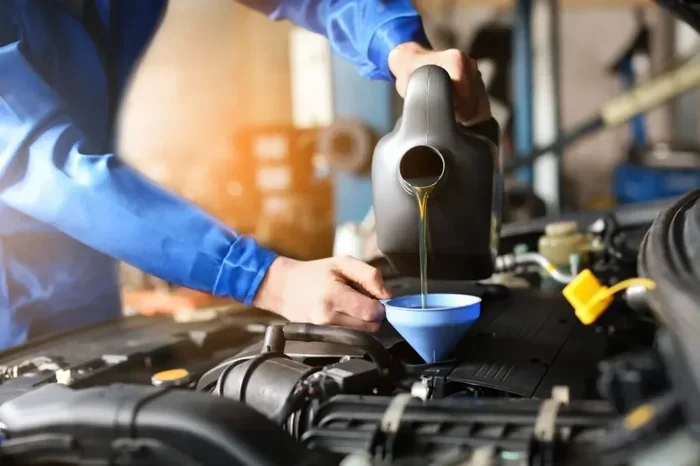
Many drivers do not check their transmission fluid regularly. Unlike engine oil, which most people check often, transmission fluid gets forgotten. A simple check every few months can prevent a lot of problems. If your fluid level is low, top it off with the correct type of fluid for your vehicle. You can find this information in your owner’s manual.
Dirty or Degraded Transmission Fluid
Even if your fluid level is full, old fluid can still cause problems. Over time, transmission fluid breaks down. It loses its ability to lubricate and cool effectively. Dirty fluid also cannot flow through the small passages inside the transmission as well as clean fluid. This leads to increased friction and heat buildup.
Most manufacturers recommend changing transmission fluid every 30,000 to 60,000 miles. However, if you tow heavy loads or drive in stop-and-go traffic, you may need to change it more often. Transmission maintenance is one of the best ways to prevent overheating and extend the life of your transmission.
Failing Torque Converter
The torque converter is a key component in automatic transmissions. It transfers power from the engine to the transmission. When the torque converter starts to fail, it can create excess friction and heat. A common problem is a locked-up torque converter clutch. When this happens, the converter does not release properly, causing the transmission to work much harder than it should.
A failing torque converter often causes a transmission cause car overheat situation because it creates constant drag on the engine. This drag increases the load on both the engine and the transmission, generating more heat than either system was designed to handle.
Faulty Transmission Solenoid
The transmission solenoid controls the flow of fluid through the transmission. It tells the transmission when to shift and how much pressure to use. When a solenoid gets stuck or fails, it can cause the transmission to shift improperly or not shift at all. This puts extra strain on the transmission and generates excess heat.
A bad solenoid can also cause the transmission to stay in a lower gear longer than it should. Driving in a lower gear at high speeds forces the engine and transmission to work harder. This increases fuel consumption and heat output significantly.
Overloaded Vehicle or Towing Beyond Capacity
If you tow a trailer or carry heavy loads, your transmission works much harder than it would during normal driving. Extra weight means more torque demand, which means more heat. Many drivers do not realize that towing beyond their vehicle’s capacity can push the transmission into overheating territory very quickly.
If you regularly tow or haul heavy loads, consider installing an external transmission cooler. These aftermarket coolers attach to the radiator or front of the vehicle and provide additional cooling capacity. They are especially helpful for trucks and SUVs that tow frequently.
Blocked or Clogged Transmission Cooler Lines
Remember the transmission cooler inside the radiator? It relies on fluid flowing through cooler lines to transfer heat away from the transmission. If these lines become clogged with debris, sludge, or old fluid, the cooling process slows down or stops entirely. Heat builds up in the transmission with nowhere to go.
A transmission flush can help prevent this problem. During a flush, all the old fluid is removed and the lines are cleaned before fresh fluid is added. This keeps the cooling system clear and functioning properly.
Worn Transmission Clutch Packs
Inside your transmission, clutch packs engage and disengage to change gears. Over time, these clutch packs wear down. Worn clutch packs create more friction than they should. That extra friction translates directly into more heat. In severe cases, a worn clutch pack can cause the transmission to overheat even during normal, light driving.
Replacing clutch packs is a significant repair that requires removing the transmission. This is why catching overheating problems early is so important. The sooner you address the issue, the less likely you are to face a full transmission rebuild.
How to Diagnose a Transmission-Related Overheating Problem
If you suspect your transmission is causing your car to overheat, there are several steps you can take to confirm the problem. Some diagnostics can be done at home, while others require a professional mechanic.
Check the Transmission Fluid
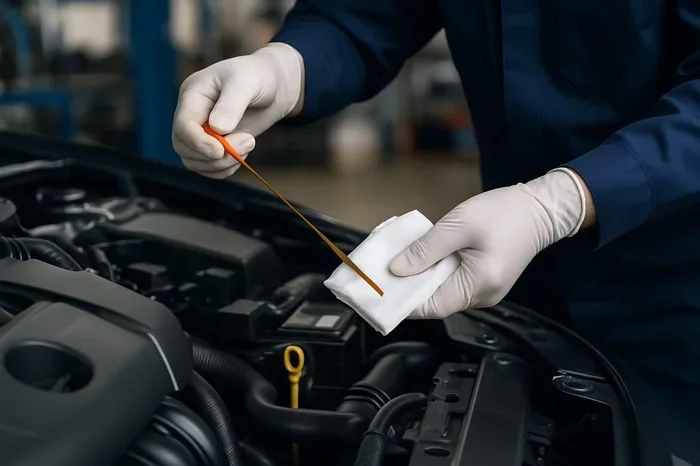
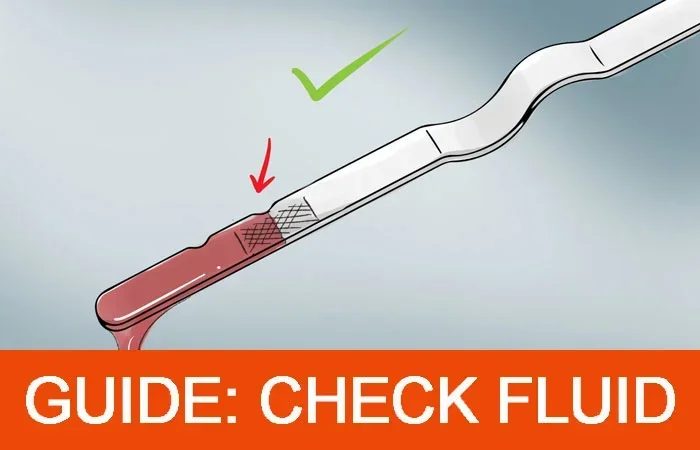
Start by checking your transmission fluid. Pull the dipstick and look at the color and smell. Healthy transmission fluid is reddish and translucent. If the fluid is dark brown or black, it is old and degraded. If it smells burnt, it has been overheating. Also check the fluid level. If it is low, you have found a likely culprit.
Use an OBD-II Scanner
An OBD-II scanner can read error codes from your vehicle’s computer. Many modern vehicles have transmission temperature sensors that trigger warning codes when the temperature gets too high. Look for codes related to transmission temperature, torque converter lockup, or shift solenoid performance. These codes can point you directly to the problem.
Monitor Transmission Temperature Directly
Some vehicles have a transmission temperature gauge or a live data feed through the OBD-II scanner. If you can monitor the transmission temperature while driving, you will get a clear picture of when and where the overheating occurs. For example, if the temperature spikes only when towing, the issue is likely related to load capacity or cooling system limits.
Inspect the Cooling System
Do not forget to check the broader cooling system. A clogged radiator, a failing water pump, or a stuck thermostat can all contribute to overheating. Sometimes the problem is not just the transmission. It is a combination of a weak transmission cooler and an already-stressed cooling system.
How to Fix and Prevent Transmission-Related Overheating
The good news is that most transmission-related overheating problems are preventable and fixable. Here is what you can do to address the issue and keep it from coming back.
Change the Transmission Fluid and Filter
This is the single most effective step you can take. Fresh transmission fluid lubricates better and cools more efficiently. Replace the transmission filter at the same time to ensure proper fluid flow. Use the exact type of fluid recommended by your vehicle manufacturer. Using the wrong fluid can cause compatibility issues and make overheating worse.
Repair Leaks Promptly
If you find that your transmission fluid is low, locate and repair the leak. Common leak points include the transmission pan gasket, the output shaft seal, and the cooler lines. Even a small leak can drain enough fluid over time to cause overheating. Address leaks as soon as you notice them.
Install an External Transmission Cooler
If you tow, haul, or drive in hot climates, an external transmission cooler is a worthwhile investment. These coolers add extra capacity to your cooling system and help keep transmission temperatures in a safe range. They are relatively affordable and easy to install for most vehicles.
Replace Faulty Components
If a diagnostic reveals a bad solenoid, a failing torque converter, or worn clutch packs, replace the damaged parts as soon as possible. Driving with a known transmission problem will only make the overheating worse and lead to more extensive damage. The cost of a repair is always much lower than the cost of a full transmission replacement.
Practice Good Driving Habits
How you drive affects your transmission temperature. Avoid riding the brakes on long downhill drives. Shift to a lower gear to let engine braking do the work. Do not rev the engine in neutral or park for extended periods. These habits reduce the strain on your transmission and help keep temperatures down.
Follow the Maintenance Schedule
Stick to your vehicle’s recommended maintenance schedule. Regular fluid changes, filter replacements, and inspections keep the transmission running smoothly. Prevention is always cheaper and easier than repair. A little maintenance goes a long way toward avoiding a transmission cause car overheat situation.
Transmission Overheating vs. Engine Overheating: What Is the Difference
It is easy to confuse a transmission overheating problem with an engine overheating problem. Both can cause your temperature gauge to rise and both can lead to serious damage. However, the causes and symptoms are different.
Engine overheating is usually caused by coolant loss, a broken water pump, or a faulty thermostat. The symptoms include steam from the hood, a sweet smell, and a temperature gauge that climbs rapidly while idling.
Transmission overheating, on the other hand, often shows up as gear slipping, delayed shifting, or a burning smell from the transmission area. The temperature gauge may rise gradually rather than spike suddenly. In many cases, the engine itself runs fine, but the transmission is the source of the excess heat.
Sometimes both systems overheat at the same time. This happens when the transmission generates so much heat that it overwhelms the shared cooling system. If you experience both engine and transmission overheating together, the problem is likely a combination of factors that need to be addressed together.
When to See a Professional Mechanic
Some overheating problems can be fixed at home with basic tools and a little knowledge. But there are times when you need a professional. If you notice any of the following, it is time to see a mechanic.
- Your temperature gauge reads above 220 degrees and does not come down after letting the car idle.
- You see smoke or steam coming from under the hood.
- The transmission fluid is dark brown or black and smells burnt.
- Your transmission slips or fails to shift properly.
- You hear grinding or clunking noises from the transmission area.
- You have checked the fluid level and it is fine, but the overheating continues.
A qualified mechanic can perform a thorough inspection and run diagnostic tests that identify the root cause. They have the tools and experience to handle complex transmission problems safely. Do not wait until the problem becomes severe. Early intervention saves money and prevents total transmission failure.
Conclusion
A transmission cause car overheat situation is real, common, and often preventable. Your transmission generates a lot of heat during normal operation, and when something goes wrong, that heat can spread to the engine and overwhelm the cooling system. Low fluid, dirty fluid, a failing torque converter, a bad solenoid, or an overloaded vehicle can all trigger this problem. The key is to catch the signs early and take action before the damage becomes severe.
Regular maintenance is your best defense. Check your transmission fluid, follow the service schedule, and address any warning signs immediately. If you tow or haul heavy loads, consider adding an external transmission cooler. These simple steps can keep your transmission and engine running at safe temperatures for years to come.
Remember, your car’s systems are all connected. A problem in one area affects the others. By understanding how your transmission interacts with your cooling system, you become a smarter, more proactive vehicle owner. Take care of your transmission, and it will take care of you.
Frequently Asked Questions
Can low transmission fluid cause a car to overheat?
Yes, low transmission fluid is one of the most common causes of transmission overheating. Without enough fluid, the internal parts cannot stay lubricated or cooled. The increased friction generates excess heat that spreads to the engine and can cause the whole vehicle to overheat.
How do I know if my transmission is overheating?
Common signs include a burning smell, slipping gears, delayed shifting, unusual noises, and a rising temperature gauge. If your transmission fluid looks dark or smells burnt, it is likely overheating. Address these symptoms quickly to prevent further damage.
Can a bad torque converter cause overheating?
Yes, a failing torque converter can create excess friction and heat inside the transmission. A locked-up torque converter clutch is a common problem that forces the transmission to work harder than it should, leading to overheating and potential car overheating issues.
How often should I change my transmission fluid to prevent overheating?
Most manufacturers recommend changing transmission fluid every 30,000 to 60,000 miles. If you tow, haul, or drive in stop-and-go traffic, you may need to change it more often. Fresh fluid lubricates and cools the transmission much more effectively than old, degraded fluid.
Is an external transmission cooler worth installing?
Yes, an external transmission cooler is a great investment if you tow, haul heavy loads, or drive in hot climates. It adds extra cooling capacity and helps keep transmission temperatures in a safe range, reducing the risk of overheating and extending the life of your transmission.
Can a clogged radiator cause transmission overheating?
Yes, a clogged radiator can reduce the cooling system’s ability to remove heat from the transmission. The transmission cooler inside the radiator relies on proper coolant flow to work. If the radiator is blocked or the water pump is failing, the transmission cannot cool down effectively, which can lead to overheating.