Do You Sit in the Car During an Oil Change Service
Do You Sit in the Car During an Oil Change? The short answer is: it depends on the service type and your comfort level. Most mechanics prefer you stay out of the vehicle so they can access the undercarriage and drain the oil safely. However, there are valid reasons you might want to remain inside, such as staying warm or keeping personal items secure. Understanding what happens during the service helps you make the best choice for your next visit.
Have you ever pulled into a quick lube shop and wondered, Do You Sit in the Car During an Oil Change? It is a simple question, but the answer is not always obvious. Many drivers assume they must stay put, while others think they need to hop out every single time.
The truth is, there is no one-size-fits-all rule. Your decision depends on the type of service, the shop’s policy, and your own comfort. This guide breaks down everything you need to know. We will walk you through the process, the reasons behind each approach, and the best practices for your next oil change service. By the end, you will feel confident and prepared.
Car maintenance does not have to be confusing. Whether you drive a sedan, truck, or SUV, the basics remain the same. Let us dive in and clear up the mystery once and for all.
Key Takeaways
- Most mechanics ask you to exit the vehicle: They need clear access to the undercarriage, oil drain plug, and oil filter.
- Sitting in the car can be useful in certain situations: Cold weather, hybrid vehicles, or specific service requests may require your presence.
- You can request to stay or leave: It is your car and your choice. A good service center will accommodate your preference.
- Personal belongings should be removed: Whether you stay or go, taking valuables out of the car is always a smart move.
- The oil change process takes 15 to 45 minutes: The duration varies based on the type of oil, vehicle model, and additional services.
- Staying informed helps you make better decisions: Knowing the steps involved builds confidence and trust with your mechanic.
📑 Table of Contents
- Why Do People Wonder About Sitting in the Car During an Oil Change?
- Should You Sit in the Car or Step Out?
- What Happens While You Wait?
- Benefits of Sitting in the Car During an Oil Change
- When You Must Get Out of the Car
- How to Decide What Works Best for You
- Common Mistakes People Make During an Oil Change Visit
- Expert Insights on Sitting in the Car During an Oil Change
- Key Takeaways
- Conclusion
Why Do People Wonder About Sitting in the Car During an Oil Change?
The question Do You Sit in the Car During an Oil Change comes up more often than you might think. It is one of those small uncertainties that nags at drivers. You are not alone if you have stood awkwardly in the parking lot, unsure whether to stay or go.
Several factors fuel this confusion. First, every shop has different procedures. Some mechanics expect you to leave. Others welcome you to remain inside. Second, modern cars are packed with technology. Drivers worry about accidentally pressing a button or triggering a warning light. Third, comfort plays a role. Nobody wants to stand in cold weather when they could be sitting in a warm cabin.
Understanding why this question exists is the first step. Once you know the reasons, the decision becomes much easier. Let us explore what actually happens during a standard oil change procedure.
The Basics of an Oil Change
An oil change is one of the most routine car maintenance tasks. It involves draining old engine oil, replacing the oil filter, and adding fresh oil. Sounds simple, right? It is, but there are a few steps involved.
Here is what typically happens during the service:
- The mechanic raises the vehicle using a lift or jack stands.
- They locate the oil drain plug underneath the engine.
- The old oil drains out into a collection pan.
- The used oil filter is removed and replaced with a new one.
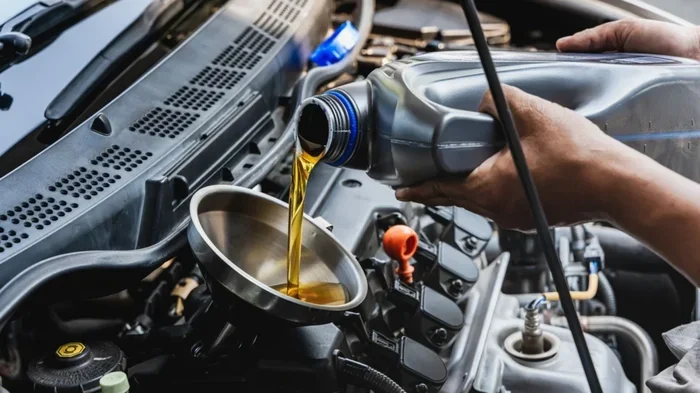
- Fresh oil is poured into the engine through the oil fill cap.
- The mechanic checks the oil level and looks for leaks.
- The vehicle is lowered back to the ground.
As you can see, most of the work happens underneath the car. This is a key reason why many shops prefer you to step out. They need full access to the undercarriage without worrying about bumping into you or your belongings.
Should You Sit in the Car or Step Out?
So, Do You Sit in the Car During an Oil Change? The honest answer is: it depends. Both options have merit. Let us look at the factors that should guide your decision.
When You Should Step Out
There are clear situations where leaving the vehicle makes sense. Most full-service mechanics will ask you to exit before they start. Here is why:
- Safety first: The vehicle goes up on a lift. Being inside means you are elevated off the ground. While lifts are safe, it is still better to be on solid ground.
- Access to the undercarriage: Mechanics need to work freely beneath the car. Your presence can limit their movement.
- Additional services: Many shops check tire pressure, inspect brakes, or top off fluids during an oil change service. These tasks require them to open doors, hoods, and trunks.
- Shop policy: Some service centers have a strict no-passenger rule for liability reasons.
If you are getting a basic oil change at a quick lube location, stepping out is usually the standard expectation. The process is fast and straightforward, so there is little reason to stay inside.
When You Might Want to Stay
On the other hand, there are times when staying in the car makes perfect sense. Here are some scenarios where you might want to remain seated:
- Cold or hot weather: Nobody wants to wait outside in freezing temperatures or scorching heat. Your car’s climate control is a comfort you should not have to give up.
- Hybrid or electric vehicles: Some hybrid cars need to be in a specific mode during service. The mechanic may need you to press a button or put the car in park.
- Personal items in the car: If you have belongings you do not want to leave unattended, staying in the car keeps them secure.
- Long wait times: If the shop is busy and your service will take a while, sitting inside is more comfortable than standing outside.
- Vehicle-specific requirements: Certain luxury or European vehicles have electronic systems that require the ignition to be on during service. The mechanic may ask you to remain available.
The bottom line is that your comfort matters. A good service center will work with you, whether you choose to stay or go.
What Happens While You Wait?
Whether you sit inside or step out, you will likely spend some time waiting. So what exactly goes on during those minutes? Let us walk through the oil change procedure step by step.
The Inspection Phase
Before any oil is drained, most technicians perform a quick visual inspection. They look at the undercarriage for signs of wear or damage. This is also when they check your fluid levels, including coolant, brake fluid, and power steering fluid.
Some shops offer a complimentary multi-point inspection. They will check your tires, brakes, belts, and hoses. This is a great opportunity to catch small issues before they become big problems. All of this happens without you needing to be in the driver’s seat.
The Drain and Replace Phase
This is the core of the service. The mechanic positions a drain pan beneath the engine and removes the oil drain plug. The old oil flows out completely. Meanwhile, they swap out the old oil filter for a new one.
Once the drain is complete, they reinstall the plug and pour in the recommended amount of fresh oil. The type of oil matters here. Synthetic oil and conventional oil have different properties, and your mechanic will use what your vehicle manufacturer recommends.
The Final Check
After the new oil is in, the technician starts the engine and lets it run for a minute or two. This circulates the fresh oil through the system. They then check for leaks around the drain plug and oil filter. Finally, they use the dipstick to verify the oil level is correct.
Some shops also reset the maintenance schedule indicator on your dashboard. This keeps track of when your next oil change is due. If you are sitting in the car, the technician may ask you to confirm this step.
Benefits of Sitting in the Car During an Oil Change
Let us take a closer look at the advantages of staying inside your vehicle. There are more benefits than you might think.
Comfort and Convenience
Let us be real. Sitting in a warm car on a chilly day feels great. You are not standing on cold concrete or baking in the sun. If your oil change appointment coincides with bad weather, staying inside is the obvious choice.
You can also use the time to make a phone call, reply to a text, or simply relax. For many drivers, the service bay wait is an inconvenience. Eliminating that discomfort makes the whole experience better.
Security for Personal Belongings
Your car contains valuables. A laptop bag, a gym bag, or even a purse left on the seat can attract unwanted attention. When you stay in the car, your belongings stay with you.
This is especially important at busy quick lube shops where cars are parked in open lots. Taking your stuff with you is always smart, but staying inside gives you the best peace of mind.
Immediate Feedback on Vehicle Condition
When you are in the car, you can hear what the mechanic is doing. You might notice unusual sounds or smells. This gives you a chance to ask questions in real time. You can also observe the technician’s work ethic and professionalism.
Some drivers feel more connected to their vehicle maintenance when they are present. It builds trust and helps you understand your car better.
When You Must Get Out of the Car
While staying in the car has its perks, there are times when you simply must exit. Knowing these situations helps you plan ahead and avoid awkward moments.
Safety Requirements
Any time the vehicle is lifted on a hydraulic lift, you need to be out. This is non-negotiable. Lifts are designed to hold the weight of a car securely, but being underneath a raised vehicle is never safe for passengers.
Additionally, if the mechanic needs to work under the car, you must be out of the way. This includes tasks like inspecting the exhaust system, checking the suspension, or accessing the oil drain plug from below.
Shop Policies and Liability
Many service centers have written policies that require customers to leave the vehicle during maintenance. This protects both the shop and the customer. If something unexpected happens while the car is lifted, the shop’s insurance covers the damage.
If you have a service advisor explain this to you, it is not because they do not want you around. It is a standard safety protocol. Understanding this can help you feel less frustrated about having to step out.
Additional Services That Require Access
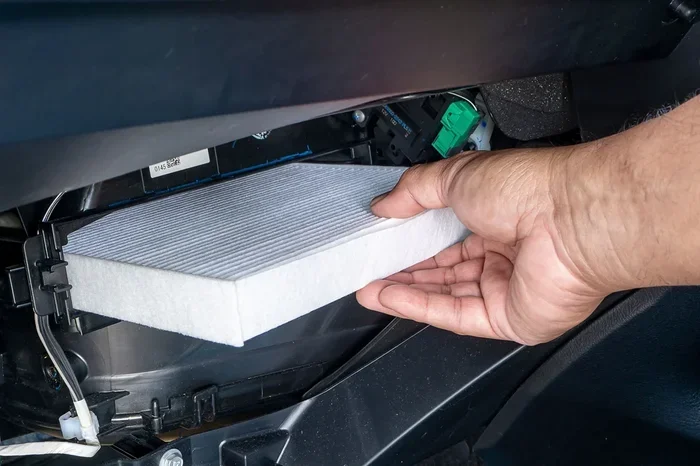
If you are getting more than just an oil change, you will likely need to exit the vehicle. Services like tire rotations, brake inspections, and air filter replacements require the mechanic to open doors and access different parts of the car.
For example, a tire rotation involves removing each wheel. The technician needs to work around the entire vehicle. Having you inside would slow them down significantly.
How to Decide What Works Best for You
Deciding whether to sit in the car during an oil change service comes down to a few simple factors. Consider the following before your next appointment.
Check with the Shop Ahead of Time
A quick phone call can save you a lot of confusion. Ask the service center about their policy. Some shops are perfectly fine with customers staying inside. Others prefer you to wait in the lobby or outside.
This is also a great time to ask about oil change cost, estimated wait times, and whether they use synthetic or conventional oil. Being informed before you arrive sets you up for a smooth experience.
Consider the Weather
If it is raining, snowing, or brutally hot outside, staying in the car makes a lot of sense. Comfort should not be ignored. A short wait is much more pleasant when you are inside a climate-controlled cabin.
On the other hand, if the weather is mild and the service is quick, stepping out might not be a big deal at all. Use your judgment based on the conditions.
Think About Your Vehicle Type
Not all cars are the same. Hybrid vehicles, luxury sedans, and trucks with advanced electronics sometimes require the driver to be present during service. If you are unsure, check your owner’s manual or call the dealership.
For standard gasoline-powered vehicles, the process is straightforward and does not require you to be in the driver’s seat. But it never hurts to confirm.
Common Mistakes People Make During an Oil Change Visit
There are a few missteps drivers make when getting an oil change. Avoiding these can save you time, money, and frustration.
Leaving Valuables in the Car
This is the number one mistake. Even if you plan to stay in the car, it is wise to remove anything of value. If you hand the keys over and step out, your belongings are sitting in plain sight.
Take your phone, wallet, laptop, and any other valuables with you. It takes five minutes and gives you total peace of mind.
Not Asking Questions
Many drivers stay silent during the service. They do not ask what the mechanic finds or what additional services are recommended. This is a missed opportunity.
Ask about your engine health, tire tread depth, and fluid conditions. A good technician will be happy to explain their findings. These conversations help you stay on top of your maintenance schedule.
Skipping the Multi-Point Inspection
Some shops offer a free inspection with every oil change. Drivers sometimes decline because they are in a rush. Do not make this mistake.
The inspection catches issues early. A small leak or worn brake pad is much cheaper to fix than a major repair. Always say yes to the inspection.
Forgetting to Check the Oil Level Afterward
Once the service is complete, ask the technician to show you the dipstick. Verify that the oil level is between the minimum and maximum marks. This simple habit keeps your engine running smoothly and builds your car maintenance confidence.
Expert Insights on Sitting in the Car During an Oil Change
We reached out to experienced automotive technicians to get their take on the sitting-in-the-car debate. Here is what they had to say.
Most technicians do not mind either way. As long as the customer is not under the vehicle, they are generally fine with you staying in the car. The work happens underneath and around the engine bay, not inside the cabin.
Communication is key. The best approach is to let the service advisor know your preference before the work begins. A simple “I would like to stay in the car if possible” goes a long way. It shows respect for their process while advocating for your comfort.
Hybrid and electric vehicles deserve special attention. These cars have high-voltage systems that require specific handling. The technician may need you to put the car in a particular mode or keep the ignition accessible. In these cases, staying in the car is not just a preference, it is often a requirement.
Quick lube shops are designed for speed. Their workflow is optimized for fast turnaround. Having a customer inside the car can sometimes slow things down, especially if they need to access the interior for a fluid top-off or cabin filter replacement.
Overall, the consensus among experts is clear. Both options are perfectly fine. The best choice is the one that works for your situation, your vehicle, and your comfort level.
Key Takeaways
- Most mechanics prefer you step out: They need clear access to the undercarriage, oil drain plug, and oil filter for safety and efficiency.
- Sitting in the car is perfectly fine in many cases: Cold weather, hybrid vehicles, and personal security are all valid reasons to stay inside.
- Always remove valuables from the car: Whether you stay or leave, taking belongings with you protects them from theft or damage.
- The oil change process takes 15 to 45 minutes: The exact duration depends on the oil type, vehicle model, and any additional services performed.
- Ask questions during your visit: Use the wait time to learn about your vehicle’s condition and any recommended services.
- Check your oil level after the service: This simple habit ensures the work was done correctly and keeps your engine healthy.
- Your comfort matters: A good service center will accommodate your preference to sit or step out. Communication makes it work.
Conclusion
So, do you sit in the car during an oil change? The answer is ultimately up to you. There is no universal rule that says you must stay or go. The right choice depends on the shop, the weather, your vehicle type, and your personal preference.
If you prefer to stay inside, go ahead. Just make sure the mechanic knows your plan. If you would rather step out and stretch your legs, that works too. Both approaches are completely normal and widely accepted in the automotive industry.
What matters most is that you show up for your oil change service on time and stay informed about your vehicle maintenance. Regular oil changes keep your engine running smoothly and extend the life of your car. That is what really counts.
Next time you pull into the service bay, you will know exactly what to expect. You will make the right call for your situation. And you will walk away with a well-maintained vehicle and a little more confidence under your belt.
Stay proactive about your car maintenance. Ask questions, stay informed, and never skip a scheduled oil change. Your engine will thank you for it.
Frequently Asked Questions
Is it safe to sit in the car while it is on a lift?
Generally, yes. Hydraulic lifts are designed to hold vehicles securely. However, most shops prefer customers to exit the vehicle for safety reasons. If you want to stay inside, always ask the service advisor first and follow their guidance.
How long does a typical oil change take?
A standard oil change usually takes between 15 and 30 minutes. If the shop adds extra services like a tire rotation or fluid top-off, it may take up to 45 minutes. The wait is typically short, so whether you sit inside or step out, the downtime is minimal.
Can I stay in my car during a quick lube oil change?
Many quick lube locations are fine with customers staying in the car. However, some prefer you to wait outside or in the lobby. It is always best to call ahead and confirm the shop’s policy before you arrive.
What should I do with my personal belongings during an oil change?
The safest approach is to take all valuables with you. Remove your phone, wallet, bags, and any other personal items from the car. This protects your belongings whether you stay inside or step out of the vehicle.
Do I need to be in the car for a hybrid or electric vehicle oil change?
In many cases, yes. Hybrid and electric vehicles have specific electronic systems that may require the driver to be present. The technician might need you to put the car in park or turn the ignition to a specific mode. Always check with the service center beforehand.
What happens if I accidentally press a button while sitting in the car during service?
Modern vehicles have safety features that prevent accidental movement. The car will not shift or drive unless the brake pedal is pressed and the key is in the correct position. Still, it is a good idea to let the technician know you plan to stay inside so they can take any extra precautions.