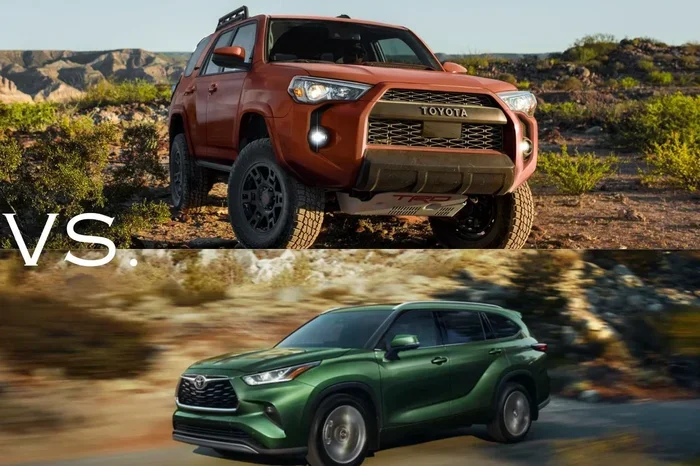
Are Highlanders as Reliable as the Toyota 4Runner
Are Highlanders as Reliable as the Toyota 4Runner? Both SUVs earn strong marks for dependability, but they serve different needs. The 4Runner leads in off-road toughness and long-term durability, while the Highlander offers modern comfort and a hybrid option. This guide breaks down reliability data, costs, and real-world ownership to help you choose with confidence.
When you are shopping for a dependable SUV, two Toyota models always come up in the conversation. The Toyota Highlander and the Toyota 4Runner both carry a reputation for vehicle dependability that few brands can match. But here is the big question: are Highlanders as reliable as the Toyota 4Runner?
The answer is not a simple yes or no. These two SUVs share a brand name and a commitment to quality, but they are built for very different purposes. One excels at comfortable family road trips. The other thrives on rocky trails and endless miles of off-road adventure. In this guide, we will break down everything you need to know about Toyota Highlander reliability vs 4Runner. You will learn about real-world ratings, maintenance costs, and which model fits your lifestyle best.
By the end of this article, you will have a clear picture of how these two SUVs stack up. We will look at data from trusted sources like Consumer Reports and J.D. Power. We will also cover practical ownership details that matter every single day. Whether you are a first-time SUV buyer or shopping for a replacement, this comparison will help you make a smart decision.
Key Takeaways
- Both SUVs are dependable: Toyota builds both the Highlander and 4Runner with proven reliability in mind.
- The 4Runner wins for off-road durability: Its body-on-frame design and TRD trim options make it a legend on rough terrain.
- The Highlander offers more daily comfort: Third-row seating, hybrid powertrain, and modern tech make it a family-friendly choice.
- Maintenance costs differ: The 4Runner may cost more to repair due to its rugged build, but parts are widely available.
- Resale value favors the 4Runner: Both hold value well, but the 4Runner consistently ranks higher in used SUV markets.
- Your needs decide the winner: Choose the Highlander for commuting and family use; pick the 4Runner for adventure and long-term rugged ownership.
📑 Table of Contents
Why Reliability Matters When Choosing Between These Two SUVs
Reliability is more than just a number on a chart. It affects your wallet, your safety, and your peace of mind every time you turn the key. When you compare Toyota Highlander reliability vs 4Runner, you are really asking which vehicle will cause fewer headaches over time.
Both the Highlander and the 4Runner belong to Toyota’s lineup of SUV reliability leaders. Toyota has earned this reputation over decades of building vehicles that last. But not every Toyota is the same. The Highlander is a unibody-built crossover designed for paved roads and family life. The 4Runner is a body-on-frame SUV built for rough terrain and heavy use. These differences shape how each vehicle ages.
What Makes a Vehicle Reliable
Reliability means different things to different people. For some, it means never visiting the shop. For others, it means the vehicle keeps running well even after 150,000 miles. Here are the key factors that determine Toyota reliability ratings:
- Engine and transmission durability: How well do the powertrain components hold up over time?
- Build quality: Are materials and assembly standards consistent across model years?
- Electrical system stability: Do infotainment and safety systems stay trouble-free?
- Corrosion resistance: Does the body and frame resist rust and decay?
- Common issue frequency: Are there known recurring problems reported by owners?
When you evaluate are Highlanders as reliable as the Toyota 4Runner, these five areas give you the full picture. Let us now look at each SUV through this lens.
Toyota Highlander Reliability: What the Numbers Say
The Toyota Highlander has been a popular family SUV since its debut. It offers seating for up to eight passengers, a smooth ride, and modern technology. But how does it hold up over the years? Let us look at the data.
Consumer Reports and J.D. Power Ratings
Consumer Reports has given the Highlander solid scores over the years. The vehicle consistently earns above-average ratings for vehicle dependability. J.D. Power also ranks the Highlander well in initial quality studies. However, some model years have shown minor electrical issues that owners should be aware of.
Here is a quick look at what the ratings say:
- Consumer Reports Reliability Score: Typically 4 out of 5 for recent model years.
- J.D. Power Initial Quality: Above average for the midsize SUV class.
- Owner Satisfaction: High marks for comfort, value, and daily driving experience.
Common Highlander Issues to Watch For
No vehicle is perfect. The Highlander has a few known issues that pop up across generations:
- Infotainment glitches: Some owners report the touchscreen freezing or lagging.
- Transmission behavior: The 10-speed automatic can sometimes feel hesitant during low-speed maneuvers.
- Wind noise: A few model years have shown increased wind noise at highway speeds.
- Hybrid battery longevity: The hybrid powertrain is generally reliable, but replacement costs can be high if the battery fails outside warranty.
Overall, the Highlander remains one of the more dependable vehicles in its class. Its hybrid powertrain adds another layer of efficiency and long-term value.
Quick Tips for Highlander Owners
- Stay on top of oil changes every 5,000 to 7,500 miles.
- Check the transmission fluid at 60,000 miles.
- Keep software updates current to avoid infotainment bugs.
- Use genuine Toyota parts for repairs to maintain warranty coverage.
Toyota 4Runner Reliability: The Proven Track Record
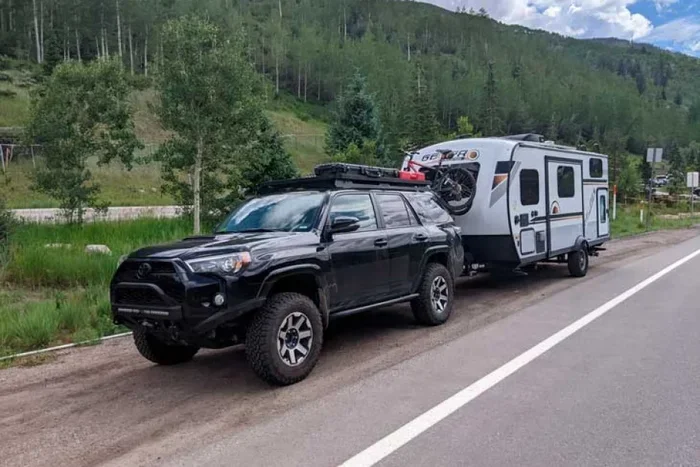
The Toyota 4Runner is a legend. It has been around for decades with relatively few major changes to its core design. This simplicity is a big reason why are Highlanders as reliable as the Toyota 4Runner is such a debated topic. The 4Runner’s design philosophy prioritizes toughness over modern refinement.
What Makes the 4Runner So Durable
The 4Runner uses a body-on-frame construction. This is the same building approach used in traditional trucks. It makes the SUV incredibly strong and resistant to damage. The V6 engine has been proven over millions of miles of use. Many 4Runners easily surpass 200,000 miles with basic maintenance.
Here is what the reliability data shows:
- Consumer Reports Reliability Score: Often 4.5 out of 5 or higher for recent models.
- J.D. Power Dependability: Consistently ranks among the top SUVs for long-term ownership.
- Longevity Records: Many owners report 300,000+ miles with proper care.
Known 4Runner Weaknesses
The 4Runner is not without its flaws. Here are common issues to keep in mind:
- Fuel economy: The V6 engine is thirsty, especially in city driving.
- Ride comfort: The body-on-frame design can feel stiff on smooth highways.
- Aging interior: The cabin has not changed much in recent years, which some buyers see as outdated.
- TRD trim wear: Off-road components on TRD trims can wear faster with heavy use.
Expert Insight
Automotive experts often point out that the 4Runner’s reliability comes from its simplicity. Fewer complex systems mean fewer things that can go wrong. This is a key reason why the 4Runner often outlasts more modern SUVs in long-term ownership scenarios.
Head-to-Head: Are Highlanders as Reliable as the Toyota 4Runner?
Now let us get to the heart of the comparison. When you ask are Highlanders as reliable as the Toyota 4Runner, you need to look at specific categories side by side. The two SUVs serve different purposes, so direct comparison requires looking at the right metrics.
Reliability Comparison Table
| Category | Toyota Highlander | Toyota 4Runner |
|---|---|---|
| Overall Reliability Rating | 4 out of 5 | 4.5 out of 5 |
| Engine Durability | V6 or hybrid; proven but complex | V6; simple and extremely durable |
| Transmission Longevity | 10-speed automatic; generally reliable | 5-speed automatic; known to last 250k+ miles |
| Common Issues | Minor electrical and infotainment quirks | Fewer issues overall; some suspension wear |
| Off-Road Reliability | Not designed for serious off-roading | Excellent; body-on-frame handles abuse well |
| Expected Lifespan | 200,000 to 250,000 miles | 250,000 to 300,000+ miles |
| Resale Value | Strong; holds value well | Very strong; often exceeds new pricing |
Key Differences That Affect Reliability
Several factors set these two SUVs apart when it comes to long-term dependability:
- Construction type: The Highlander uses unibody construction, which is lighter and more efficient. The 4Runner uses body-on-frame, which is heavier but more rugged.
- Drivetrain complexity: The Highlander’s hybrid system adds components that can potentially fail. The 4Runner’s simpler drivetrain has fewer failure points.
- Ground clearance: The 4Runner offers significantly more ground clearance, which protects the undercarriage on rough roads.
- Towing capacity: The 4Runner can tow more, but this also puts more stress on the vehicle over time.
So, are Highlanders as reliable as the Toyota 4Runner in a straight comparison? The 4Runner has a slight edge in pure durability and long-term lifespan. But the Highlander is still an excellent, dependable vehicle that serves a different purpose well.
Maintenance Costs and Long-Term Ownership
Reliability is not just about how often things break. It is also about what it costs to keep the vehicle running. Maintenance costs play a huge role in long-term ownership satisfaction.
Scheduled Maintenance Costs
Both the Highlander and the 4Runner fall into Toyota’s affordable maintenance category. Here is a general breakdown:
- Oil changes: Both vehicles need regular oil changes. The Highlander hybrid may need slightly less frequent changes depending on driving habits.
- Brake pads: The 4Runner’s heavier frame means brake pads may wear faster than on the Highlander.
- Tires: The 4Runner’s off-road tires wear faster on pavement. Highlander all-season tires last longer for daily driving.
- Major service intervals: Both follow Toyota’s standard maintenance schedule with no unusual costly surprises.
Repair Cost Comparison
When something does go wrong, repair costs matter. Here is what owners typically face:
- Highlander repairs: Generally lower because parts are more widely available and the vehicle is more common in the used market.
- 4Runner repairs: Slightly higher for some components due to the rugged build. However, the simple design makes many repairs straightforward.
- Hybrid system repairs: The Highlander hybrid can be expensive if the battery pack fails. The 4Runner has no hybrid system to worry about.
Common Mistakes Owners Make
- Skipping regular fluid checks: Both vehicles need transmission and coolant fluid changes on schedule.
- Ignoring off-road damage: 4Runner owners sometimes overlook suspension damage after trail use.
- Using generic parts: Non-Toyota parts can void warranties and cause compatibility issues.
- Overlooking recall notices: Always check for active recalls on your specific model year.
Which SUV Is Right for You?
The final question is the most important one. Which vehicle should you actually buy? The answer depends on your lifestyle, priorities, and how you plan to use the vehicle.
Choose the Highlander If…
- You need a comfortable daily driver for commuting and family trips.
- You want third-row seating for extra passengers.
- Fuel efficiency matters to you, especially with the hybrid powertrain option.
- You prefer modern tech, smooth ride quality, and refined interior features.
- Most of your driving is on paved roads and highways.
Choose the 4Runner If…
- You need serious off-road capability and ground clearance.
- You plan to keep the vehicle for a long time and want maximum durability.
- You value simplicity and ease of repair over modern luxury features.
- You want the best possible resale value in the SUV market.
- You enjoy adventures, camping trips, and weekend trail runs.
Expert Insight
Many automotive experts suggest that if reliability is your absolute top priority and you do not need off-road capability, the 4Runner still edges out the Highlander. However, for most families, the Highlander provides the right balance of reliability, comfort, and practicality. The best choice is always the one that matches your real-world needs.
Final Thoughts on the Comparison
When we look at the big picture, are Highlanders as Reliable as the Toyota 4Runner? The answer is nuanced. Both are excellent vehicles with strong Toyota reliability ratings. The 4Runner is slightly more durable and built for tougher conditions. The Highlander is more versatile for everyday life and offers better fuel economy. Neither choice is a wrong one. You simply need to match the vehicle to your priorities.
Take your time test-driving both models. Pay attention to how each one feels on your regular routes. Talk to current owners about their experiences. Read reviews for the specific model year you are considering. The more informed you are, the better your decision will be.
Remember that vehicle dependability also depends on how well you maintain the vehicle. Regular oil changes, timely repairs, and proper care will keep either SUV running strong for years to come. Toyota built both the Highlander and the 4Runner to last. You really cannot go wrong with either choice.
Whichever SUV you pick, you are choosing a vehicle backed by decades of Toyota engineering excellence. That is a position every car buyer can feel confident about.
Frequently Asked Questions
Is the Toyota 4Runner more reliable than the Highlander?
The 4Runner generally scores slightly higher in long-term reliability ratings. Its simpler body-on-frame design and proven V6 engine contribute to this edge. However, the Highlander is still an exceptionally dependable vehicle with very few major issues reported by owners.
How long do Highlanders and 4Runners last?
With proper maintenance, a Toyota Highlander can last 200,000 to 250,000 miles. The 4Runner often exceeds that, with many examples reaching 300,000 miles or more. Both vehicles are built to serve their owners for many years of faithful service.
Which SUV has lower maintenance costs?
The Highlander typically has slightly lower maintenance costs due to its more common parts availability and simpler daily-driving design. The 4Runner’s off-road components and heavier frame can lead to marginally higher costs over time, especially for tires and suspension parts.
Can the Highlander handle off-road trails?
The Highlander is not designed for serious off-roading. It has limited ground clearance and is built with unibody construction. While it can handle light trails and gravel roads, the 4Runner is the clear choice for any serious off-road adventure or rugged terrain.
Is the Highlander hybrid as reliable as the standard 4Runner?
The Highlander hybrid powertrain is generally very reliable and adds fuel efficiency benefits. However, the 4Runner’s non-hybrid V6 engine is simpler and has fewer components that could potentially fail. For pure long-term mechanical simplicity, the 4Runner holds a slight advantage.
Which SUV has better resale value?
The 4Runner consistently ranks among the top SUVs for resale value. Its legendary durability and off-road reputation keep demand high in the used market. The Highlander also holds value well, but the 4Runner typically commands a premium price when sold used.
=== CONCLUSION ===
So, are Highlanders as Reliable as the Toyota 4Runner? Both SUVs stand as pillars of Toyota reliability ratings and vehicle dependability. The 4Runner earns its reputation as a nearly indestructible adventure companion with a proven track record of lasting 300,000-plus miles. The Highlander delivers modern comfort, family-friendly features, and impressive efficiency without sacrificing long-term reliability.
Your choice comes down to how you use your vehicle. If you need a rugged workhorse for off-road adventures and long-term ownership, the 4Runner is hard to beat. If you want a comfortable, efficient daily driver with room for the whole family, the Highlander is an excellent pick.
Either way, you are choosing a Toyota. That means you are choosing a brand that stands behind its vehicles with strong powertrain warranty coverage and a network of trusted dealers. Take your time, test drive both, and pick the SUV that fits your life. You will not be disappointed with either choice.