What Is the Fair Market Value of a Car and Why It Matters
The fair market value of a car is the price a willing buyer would pay a willing seller in a normal transaction. It is not the same as trade-in value, retail price, or insurance payout. Understanding this number helps you make smarter decisions when buying, selling, insuring, or refinancing your vehicle.
If you have ever bought or sold a car, you have probably heard the term fair market value thrown around. But what does it really mean? Simply put, the fair market value of a car is the price a willing buyer would pay a willing seller in a normal, open transaction. Neither party is under pressure, and both have a reasonable understanding of the vehicle’s condition and worth.
This number is not just a guess. It is a calculated estimate based on real data, current market trends, and the specific details of your vehicle. Whether you are looking to sell your car, trade it in, buy a used vehicle, or settle an insurance claim, knowing the fair market value of a car gives you a huge advantage.
In this guide, we will walk you through everything you need to know. You will learn how car valuation works, what factors influence the numbers, and where to find accurate estimates for your specific vehicle. By the end, you will feel confident navigating any car transaction.
Key Takeaways
- Fair market value is the realistic price: It reflects what a car is truly worth in an open market between two informed parties.
- Multiple factors determine the value: Mileage, condition, vehicle history, market demand, and local trends all play a role.
- Several tools can help you find it: Online guides like Kelley Blue Book, Edmunds, and NADA are great starting points.
- It matters for many situations: Buying, selling, trading in, insurance claims, refinancing, and legal settlements all rely on fair market value.
- Avoid common mistakes: Overpricing, ignoring local market differences, and skipping a professional appraisal can cost you money.
- Get multiple estimates: Always compare values from different sources before making a financial decision.
📑 Table of Contents
What Is the Fair Market Value of a Car?
Understanding the Basic Definition
The fair market value of a car is the estimated price that a vehicle would sell for in a competitive and open market. Both the buyer and the seller are assumed to be knowledgeable, willing, and not under any undue pressure. This concept is used across many industries, but it is especially important in the automotive world.
Think of it this way. If you wanted to sell your car today and a buyer came along who was ready to purchase it at a fair price, the amount you would agree on is essentially the fair market value. It is not the lowest price a desperate seller would accept, nor is it the highest price a stubborn buyer would pay.
This value is different from other types of vehicle pricing. For example, the trade-in value you get from a dealer is usually lower. The retail price a dealer asks is usually higher. The fair market value sits somewhere in the middle, representing a balanced and realistic number.
How It Differs from Other Valuation Methods
There are several ways to value a vehicle, and they are not all the same. Understanding the differences helps you use the right number for the right situation.
The trade-in value is what a dealer offers you for your car when you buy a new or used vehicle from them. Dealers need to make a profit, so this number is always lower than the fair market value. On the other hand, the private party value is what you might get if you sell the car yourself to another individual. This is usually closer to the fair market value because there is no dealer markup.
The retail value is what a dealer asks for a similar vehicle on their lot. This is typically the highest number. And then there is the salvage value, which is what a junkyard or salvage yard would pay for a vehicle that is not drivable or has significant damage.
Here is a quick comparison of these different value types:
| Value Type | Description | Typical Range |
|---|---|---|
| Trade-In Value | What a dealer offers for your car | Lowest |
| Fair Market Value | Price between a willing buyer and seller | Mid-range |
| Private Party Value | What you get selling to an individual | Mid to high |
| Retail Value | What a dealer asks for a similar car | Highest |
| Salvage Value | What a junkyard pays for a damaged car | Lowest of all |
Why Fair Market Value Matters
For Buyers
If you are buying a used car, knowing the fair market value protects you from overpaying. It gives you a benchmark to compare against the asking price. If a seller is asking significantly more than the fair market value, you have room to negotiate or walk away.
Many buyers use online car pricing guides to research values before visiting a dealership or meeting a private seller. This preparation puts you in a strong position. You know what a fair offer looks like, and you can make confident decisions on the spot.
For Sellers
On the flip side, sellers benefit just as much. Setting the right asking price is critical. Price too high, and your car sits on the market for months. Price too low, and you leave money on the table. The fair market value helps you find the sweet spot.
When you list your car at or near the fair market value, you attract serious buyers quickly. You also build trust because the price feels reasonable. This leads to faster sales and better outcomes overall.
For Insurance and Loan Purposes
Insurance companies use the fair market value of a car to determine coverage amounts and claim payouts. If your vehicle is totaled, the insurer will typically offer you the fair market value at the time of the accident. Understanding this number before you file a claim can prevent surprises.
Lenders also rely on vehicle appraisal and fair market value when approving auto loans. They want to make sure the car you are buying is worth the loan amount. If the fair market value is lower than the purchase price, the lender may decline the loan or adjust the terms.
How Fair Market Value Is Calculated
Key Data Sources Used
Calculating the fair market value of a car involves analyzing large amounts of data. Several trusted sources are used by industry professionals and everyday consumers alike.
Kelley Blue Book (KBB) is one of the most well-known car pricing guides in the country. It has been providing vehicle valuations since 1926. Edmunds is another popular resource that offers detailed pricing data, including true market values based on actual transactions. NADA Guides, backed by the National Automobile Dealers Association, are widely used by lenders and dealers for car loan value assessments.
These sources gather data from thousands of real transactions across the country. They factor in the vehicle’s age, mileage, trim level, condition, and regional market trends. The result is a set of values that closely represent what real buyers are paying in the current market conditions.
The Role of Comparable Sales
One of the most important parts of car valuation is looking at comparable sales. This means finding vehicles that are similar to yours in make, model, year, mileage, and condition, and seeing what they actually sold for.
For example, if you own a 2020 Honda Civic with 45,000 miles in good condition, the fair market value would be based on what other 2020 Honda Civics with similar mileage and condition have sold for recently. These comparable sales provide the most accurate picture of current market worth.
Online platforms and car pricing guides do this comparison work for you automatically. But if you want a more precise number, you can also search local listings and recent private sales in your area.
Factors That Affect Your Car’s Fair Market Value
Mileage and Wear
Mileage is one of the biggest factors in determining the fair market value of a car. As a vehicle accumulates miles, its depreciated value naturally decreases. Higher mileage means more wear on the engine, transmission, brakes, and other components.
However, mileage alone does not tell the whole story. A car with 80,000 miles that has been well maintained can be worth more than a car with 50,000 miles that has been neglected. The vehicle condition matters just as much as the numbers on the odometer.
Vehicle History and Condition
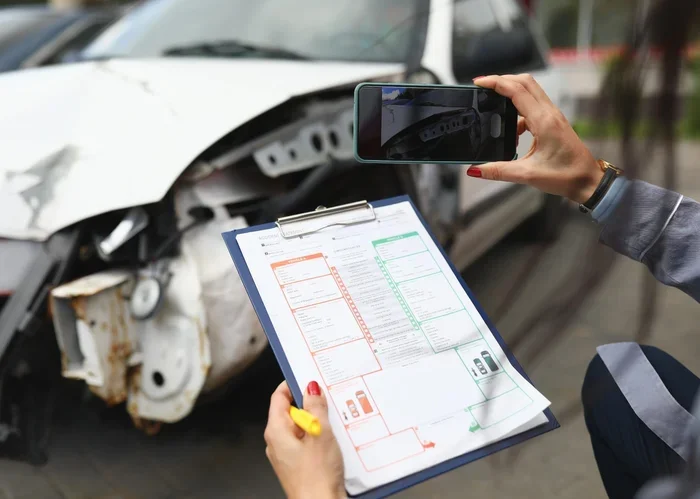
A clean vehicle history report boosts the fair market value significantly. Buyers look for signs of accidents, title brands, flood damage, or odometer rollback. A vehicle with a clean history and no major incidents will command a higher price.
The overall condition of the interior, exterior, and mechanical components also plays a role. Dents, scratches, worn upholstery, and mechanical issues all reduce the value. On the other hand, a well-maintained vehicle with a recent service history and no visible damage will fetch a premium.
Market Demand and Seasonality
Not all cars hold their value equally. Market conditions and seasonal demand can cause significant swings in the fair market value. For example, convertibles tend to sell for more in the spring and summer. Trucks and SUVs may see higher demand in rural areas or during winter months.
Fuel prices also impact car market analysis. When gas prices rise, fuel-efficient cars tend to hold their value better. When gas prices drop, larger vehicles with bigger engines may see increased demand. Staying aware of these trends helps you time your buying or selling decision.
Optional Features and Trim Levels
The specific trim level and optional features on a vehicle can also affect its fair market value. Leather seats, a sunroof, advanced safety features, navigation systems, and upgraded wheels all add value. A higher trim level with more features will generally have a higher fair market value than a base model with the same mileage and condition.
If your car has desirable extras, make sure to highlight them when getting valuations. These features can make a meaningful difference in the final number.
How to Find the Fair Market Value of Your Car
Online Tools and Resources
Finding the fair market value of a car has never been easier. Several free online tools give you instant estimates based on your vehicle’s details.
Start by visiting Kelley Blue Book and entering your car’s year, make, model, trim, mileage, and condition. KBB will provide you with a range of values including the trade-in value, private party value, and certified pre-owned value. Edmunds offers a similar process with its True Market Value tool, which is based on actual transaction data from dealers and private sales.
You can also check NADA Guides, especially if you are looking for a value that lenders commonly use. Many insurance companies and banks reference NADA values when determining car loan value or coverage amounts.
Here are some quick tips for using these tools effectively:
- Be honest about your vehicle’s condition. Overstating condition leads to unrealistic values.
- Check multiple sources and compare the results.
- Use the “good” or “average” condition rating if you are unsure.
- Adjust for any unique features or issues your vehicle has.
- Look at local listings to see what similar cars are selling for in your area.
Getting a Professional Appraisal
While online tools are convenient, they cannot account for every detail. If you want the most accurate number possible, consider getting a professional vehicle appraisal. A certified appraiser will inspect your car in person, review its history, and provide a detailed valuation report.
Professional appraisals are especially useful in situations like divorce settlements, estate planning, or legal disputes. They carry more weight than online estimates because they are based on a hands-on inspection and expert analysis.
You can find certified appraisers through organizations like the American Society of Appraisers or the International Society of Appraisers. Some dealerships and independent shops also offer appraisal services, though their objectivity may vary.
Common Mistakes When Valuing a Car
Ignoring Local Market Conditions
One of the biggest mistakes people make is relying solely on national averages. The fair market value of a car can vary significantly from one region to another. A truck that is in high demand in Texas may not be worth as much in New York City. A compact car that sells well in a coastal city may have lower demand in the Midwest.
Always check local listings and regional pricing when possible. This gives you a more accurate picture of what buyers in your area are actually willing to pay.
Overlooking Maintenance Records
Buyers pay a premium for vehicles with documented maintenance history. If you have kept all your service records and receipts, your car is likely worth more than one without them. Many sellers overlook this and miss out on additional value.
Before getting a valuation, gather all your maintenance records and service history. Presenting these to a buyer or appraiser can strengthen your negotiating position and justify a higher price.
Confusing Fair Market Value with Other Values
As we discussed earlier, the fair market value is not the same as trade-in value, retail value, or insurance actual cash value. Confusing these numbers can lead to poor financial decisions. Make sure you know which value type is relevant to your situation before making any commitments.
Failing to Account for Recent Market Shifts
The automotive market can shift quickly. Supply chain disruptions, chip shortages, fuel price changes, and economic conditions all impact car market analysis. A value that was accurate six months ago may not be accurate today. Always use the most recent data available when determining the fair market value of a car.
Key Takeaways
- The fair market value of a car is the realistic price between a willing buyer and seller in a normal transaction.
- Car valuation depends on data from sources like Kelley Blue Book, Edmunds, and NADA Guides.
- Factors like mileage, condition, vehicle history, and market demand all influence the final number.
- Fair market value matters for buying, selling, trading in, insurance claims, refinancing, and legal matters.
- Avoid common mistakes like ignoring local markets, overlooking maintenance records, and confusing value types.
- Always get multiple estimates and compare them before making any financial decision involving your vehicle.
Conclusion
The fair market value of a car is one of the most important numbers to understand in any vehicle transaction. Whether you are buying, selling, trading in, insuring, or refinancing, this value serves as your benchmark for what is fair and reasonable.
By using trusted car pricing guides, understanding the factors that influence value, and avoiding common mistakes, you can ensure you are getting or paying a fair price. Take the time to research your vehicle’s worth before any major decision. The effort pays off in the form of better negotiations, smarter purchases, and fewer regrets.
Now that you understand how fair market value works, you are better equipped to navigate the car market with confidence. Use the tools and tips in this guide to find accurate values for your vehicle, and always remember that knowledge is your greatest asset in any transaction.
Frequently Asked Questions
How often should I check the fair market value of my car?
It is a good idea to check the fair market value of a car at least once a year, especially if you are thinking about selling or refinancing. Market conditions change with the seasons, fuel prices, and economic trends, so staying updated helps you make better decisions.
Can the fair market value of a car be negotiable?
Yes, absolutely. The fair market value is an estimate, not a fixed price. Both buyers and sellers can negotiate around this number. However, having a solid car valuation from a trusted source gives you a strong starting point and helps you negotiate with confidence.
Does the fair market value of a car include taxes and fees?
No, the fair market value represents the base price of the vehicle. Taxes, registration fees, title fees, and dealer documentation fees are separate. These additional costs vary by state and should be factored into your total budget when buying a car.
Is fair market value the same as blue book value?
The terms are often used interchangeably, but there is a subtle difference. Blue book value specifically refers to values published by Kelley Blue Book. Fair market value is a broader concept used across the industry. However, Kelley Blue Book values are one of the most widely accepted ways to determine fair market value.
Why might my insurance payout differ from the fair market value?
Insurance companies often use their own vehicle appraisal methods, which may differ slightly from the fair market value you find online. Factors like the insurer’s proprietary data, your specific policy terms, and local market adjustments can all cause differences. It is always wise to review your policy details and understand how your insurer determines payout amounts.
How does a car’s accident history affect its fair market value?
A vehicle with a documented accident history typically has a lower fair market value than one with a clean record. Even after professional repairs, buyers are often hesitant to pay full price. The severity of the accident, the quality of repairs, and whether structural damage occurred all influence how much the depreciated value is reduced.