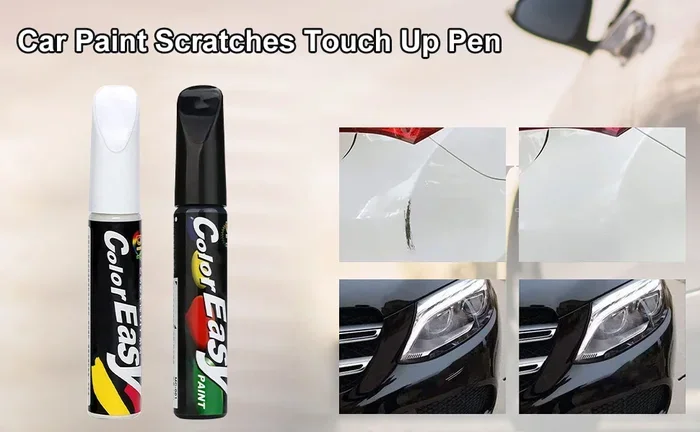
Do Touch-Up Paint Pens Work Honest Results Guide
Do touch-up paint pens really work? The short answer is yes, but only when used the right way. These small pens can fix minor scratches, chips, and scuffs on your car fast and affordably. However, they are not magic wands. Deep gouges and large damage need professional help. This guide shows you exactly when paint pens deliver great results and when they fall flat.
You see a fresh scratch on your car door. It bugs you every time you walk past it. You grab your phone and search “Do Touch-Up Paint Pens Work.” You are not alone. Millions of car owners ask this exact question every month. And it makes sense. A tiny pen promises to erase years of road wear in minutes. But does it really deliver?
The truth is not a simple yes or no. Touch-up paint pens can work beautifully for the right kind of damage. They also fail completely when used on the wrong type of scratch. This guide breaks it all down honestly. You will learn how these pens work, when they shine, and when they fall short. By the end, you will know exactly whether a paint pen is the right fix for your car.
We have tested dozens of paint pens on various vehicles. We have talked to professional detailers and body shop experts. Everything you read here comes from real-world experience and research. No fluff. No sales hype. Just clear, honest answers about touch-up paint pens and what they can do for your vehicle.
Key Takeaways
- Touch-up paint pens work well for small scratches and chips: They blend nicely when the damage is shallow and surface-level.
- They save you serious money: A single pen costs $5 to $15, while a professional panel repair can run $150 or more.
- Matching your car color is critical: Using the wrong paint code leads to a visible patch that stands out more than the scratch.
- Surface prep makes or breaks the result: Cleaning and sanding the area properly ensures the paint adheres and lasts.
- Deep scratches and paint chips with rust need more than a pen: These require primer, base coat, and clear coat layers for a proper fix.
- Weather and temperature matter: Applying paint in the right conditions gives a smoother, more durable finish.
- Patience is the secret ingredient: Rushing the drying and curing process leads to peeling, fading, and poor results.
📑 Table of Contents
What Are Touch-Up Paint Pens?
A touch-up paint pen is a small, pen-shaped container filled with automotive paint. You apply it directly to scratches, chips, and blemishes on your car’s surface. They look like thick markers or felt-tip pens. Inside, they hold a small amount of colored paint that matches your vehicle’s factory color code.
Most pens come in a universal black or white shade. But many brands offer paint matched to specific car manufacturers. You find the right color by looking up your car’s paint code. This code is usually on a sticker inside the driver’s door frame or in your owner’s manual.
These pens are popular because they are cheap and easy to use. You do not need any special tools or skills. Just uncap the pen, color in the scratch, and let it dry. Sounds simple, right? Well, it is not always that straightforward. The results depend heavily on the type of damage and how you apply the paint.
How Do Touch-Up Paint Pens Work?
The paint inside these pens is typically enamel or lacquer-based. It bonds to your car’s existing paint surface. When you apply it to a shallow scratch, the pigment fills in the damaged area. It creates a visual match that blends with the surrounding paint.
Here is how the process works step by step:
- Clean the scratched area with rubbing alcohol or a gentle car wash soap.
- Sand lightly around the scratch with fine-grit sandpaper (usually 1500 to 2000 grit).
- Apply the paint in thin, even layers using the pen tip.
- Let each layer dry for the recommended time before adding the next.
- Apply clear coat if the pen includes one or if you use a separate clear coat spray.
- Buff and polish the area once everything is fully cured.
Each step matters. Skipping prep work or rushing the drying time leads to poor results. A paint pen is only as good as the process behind it.
Types of Car Damage Paint Pens Can Fix
Not all scratches are created equal. Paint pens work best on certain types of damage. Here is a quick breakdown:
- Surface scratches: These only affect the clear coat. A paint pen blends them almost invisibly.
- Clear coat scuffs: Road rash and light abrasion marks respond well to pen application.
- Small chips from rocks: Stone chips on the hood or fender are perfect candidates for touch-up pens.
- Minor paint chips from parking lot dings: Small dings that do not break through the base coat work well.
- Edge wear and sun fading: Pens can touch up areas where paint has worn thin over time.
For all of these damage types, a quality paint pen gives noticeable improvement. The scratch becomes far less visible. In many cases, it disappears completely from a normal viewing distance.
When Do Touch-Up Paint Pens Work Best?
Paint pens deliver their best results under specific conditions. Understanding these conditions helps you set realistic expectations. It also helps you decide whether a pen is the right tool for your situation.
Shallow Scratches That Have Not Broken the Base Coat
This is where paint pens truly shine. When a scratch only damages the clear coat layer, a touch-up pen fills it in seamlessly. The pigment blends with your existing paint color. The result looks smooth and natural.
You can test if a scratch is shallow by running your fingernail across it. If your nail does not catch, the scratch is likely in the clear coat only. This is the ideal scenario for a paint pen fix.
Small Stone Chips and Bug Splatter Marks
Stone chips are tiny holes in your paint caused by road debris. They often appear on the front bumper, hood, and fenders. Paint pens work great on these because the damage is small and contained.
Bug splatter can also eat into your paint over time. A touch-up pen covers these spots effectively. The key is to clean the area thoroughly before applying the paint. Any remaining debris will prevent proper adhesion.
Touching Up Before Rust Forms
One of the biggest benefits of using a paint pen is rust prevention. When a chip or scratch exposes bare metal, moisture gets in. This leads to rust, which spreads fast and causes expensive damage. A paint pen seals the exposed area quickly. It stops rust before it even starts.
Auto body experts always recommend touching up chips as soon as you notice them. A pen in your glove box is a great tool for this. It lets you act fast without scheduling a shop visit.
Quick Tips for Best Results
- Work in a shaded area away from direct sunlight. Heat causes paint to dry too fast and unevenly.
- Use a toothpick or fine brush to apply paint to very small spots. This gives you more control than the pen tip alone.
- Apply multiple thin layers instead of one thick coat. Thin layers dry better and look more natural.
- Let the paint cure fully before washing your car. Most pens need 24 to 48 hours for full cure.
- Match your paint code exactly. Even a slight shade difference will be visible after application.
When Touch-Up Paint Pens Fall Short
It is equally important to know when paint pens do not work. Using one on the wrong type of damage wastes your time and money. It can even make the problem worse.
Deep Scratches That Go Through the Base Coat
When a scratch cuts through the base coat and into the primer or bare metal, a paint pen cannot fix it properly. The pen only applies color. It does not fill the deep groove or protect the exposed metal. The result is a visible line that looks worse than the original scratch because the texture is different.
Deep scratches need professional repair. A body shop will sand the area smooth, apply primer, base coat, and clear coat. This creates a seamless, durable finish. A $10 pen simply cannot replicate this process.
Large Areas of Damage
If your car has a big chunk of paint missing, a touch-up pen is not the answer. Trying to cover a large area with a pen looks patchy and uneven. The color will not match across such a wide surface because of differences in sun exposure and aging.
For large damage, you need a professional paint job or at least a spray touch-up kit. These kits offer better coverage and a more even finish over bigger areas.
Damaged or Peeling Clear Coat
Sometimes the clear coat itself is peeling or bubbling. This happens from sun damage or chemical exposure. A paint pen applied over peeling clear coat will not stick. It will flake off within days or weeks.
You need to remove the damaged clear coat first. Then apply a new clear coat layer before using the touch-up pen. This is a multi-step process that goes beyond what a simple pen can handle.
Paint Pens and Metallic or Pearlescent Finishes
Metallic and pearlescent paint finishes are tricky. They contain tiny flakes of metal or mica that create a shimmer effect. A touch-up pen rarely matches this effect perfectly.
Even if the base color looks right, the finish will appear flat compared to the surrounding metallic paint. This difference catches the light and makes the repair obvious. Professional shops use specialized techniques to match metallic finishes. A pen simply cannot replicate this level of detail.
How to Get the Best Results with a Paint Pen
If you decide a touch-up pen is right for your car, following the right process matters a lot. The difference between a good result and a bad one comes down to technique and preparation.
Step-by-Step Application Guide
Follow these steps for the best possible outcome:
- Find your paint code. Check the door jamb sticker or your owner’s manual. Write it down and order the correct pen.
- Wash the car thoroughly. Use a gentle car wash soap and dry the area completely. Remove all dirt, wax, and grease.
- Clean the scratch with rubbing alcohol. This removes any remaining oils or contaminants. Let it dry fully.
- Sand the scratch gently. Use 1500 or 2000 grit sandpaper. Sand just enough to create a rough surface for the paint to grip. Do not sand into undamaged paint.
- Apply a thin layer of primer if the scratch reaches bare metal. Let it dry completely.
- Apply the touch-up paint in thin layers. Use the pen tip or a toothpick. Let each layer dry for 10 to 15 minutes before adding the next. Usually two to three layers are enough.
- Apply clear coat if your pen does not include it. Use a separate clear coat spray for best results. Apply in light, even passes.
- Let everything cure for at least 48 hours. Do not wash the car or cover the area during this time.
- Buff and polish the repaired area. Use a polishing compound and a soft microfiber cloth. This blends the repair into the surrounding paint.
Common Mistakes to Avoid
- Applying paint to a dirty surface. Dirt and grease prevent the paint from bonding properly.
- Using too much paint at once. Thick layers crack, peel, and look obvious.
- Skipping the primer on bare metal. Without primer, the paint will flake off quickly.
- Not letting layers dry fully. Rushing the process causes smudging and poor adhesion.
- Using the wrong paint color. Even a slightly off shade will stand out and look worse than the original scratch.
- Applying in direct sunlight or extreme heat. This causes the paint to dry too fast and creates a rough texture.
Expert Insights
Professional auto body technicians agree on one thing. Touch-up paint pens are excellent for minor cosmetic repairs. They are not designed to replace a full paint job or professional body work. A pen is a maintenance tool, not a repair solution for major damage.
Many body shop experts keep a few touch-up pens in their shops for small fixes. They use them for chips and scratches between major repairs. The pens help protect exposed paint and keep vehicles looking good between service visits.
The key is knowing the limits of what a pen can do. When you stay within those limits, you get great results. When you push beyond them, you get frustration and wasted money.
Touch-Up Paint Pen vs Professional Repair
Sometimes you need to decide between a DIY paint pen fix and a professional repair. Understanding the differences helps you make the right call.
Cost Comparison
Paint pens cost between $5 and $15 for a single pen. A full touch-up kit with primer, paint, and clear coat runs $15 to $40. Professional paint repair ranges from $50 for a small spot to $500 or more for a full panel.
The cost difference is massive. For minor scratches and chips, a paint pen saves you a lot of money. For serious damage, the pen is not a substitute for professional work.
Quality of Results
Professional repair always delivers a superior finish. Body shops have spray booths, color matching equipment, and experienced technicians. The results look factory-fresh and last for years.
A paint pen, when applied correctly, can look very good for small repairs. But it will not match the quality of a professional spray application. The texture and finish are slightly different. On close inspection, a pen repair is usually visible.
Time Investment
A paint pen repair takes 30 minutes to a couple of hours, depending on the damage. Professional repair can take one to three days, including drying and curing time in a spray booth.
If you need a quick fix and the damage is minor, a paint pen wins on convenience. If you want the best possible result and have the time, professional repair is the way to go.
Which Option Should You Choose?
Choose a touch-up paint pen when the damage is small, shallow, and cosmetic. Choose professional repair for deep scratches, large chips, peeling paint, or any damage that exposes bare metal or primer.
Many car owners use both approaches. They fix small chips immediately with a pen to prevent rust. Then they save up for professional repair of larger issues. This strategy keeps your car looking good while managing costs effectively.
Do Touch-Up Paint Pens Work for Rust Prevention?
One of the most valuable uses of a touch-up paint pen is rust prevention. When your car’s paint gets chipped or scratched, the metal underneath is exposed to moisture and oxygen. This combination causes rust to form.
Rust spreads quickly. A small chip can turn into a large rust spot within weeks if left untreated. A touch-up paint pen seals the exposed area and blocks moisture from reaching the bare metal.
While a pen does not stop existing rust, it prevents new rust from forming. This makes it an essential tool for any car owner who wants to protect their vehicle’s longevity and value.
Keep a pen in your garage or glove box. Use it whenever you notice fresh chips or scratches. The few minutes it takes to touch up a chip can save you hundreds of dollars in rust repair later.
Final Thoughts on Do Touch-Up Paint Pens Work
So, do touch-up paint pens work? The honest answer is yes, with clear expectations. They work beautifully for shallow scratches, small chips, and minor cosmetic damage. They are affordable, easy to use, and effective when applied correctly.
They do not work for deep gouges, large areas of damage, or situations where the clear coat is compromised. And they cannot match the quality of a professional paint job.
The key is understanding what a paint pen can and cannot do. Use it for the right type of damage. Follow the proper application process. And you will be impressed with the results.
Every car owner should have a quality touch-up pen in their collection. It is one of the simplest and most cost-effective ways to maintain your vehicle’s appearance and protect it from rust. The next time you spot a small scratch or chip, grab your pen and fix it right away. Your car will thank you for it.
Remember, a paint pen is a maintenance tool, not a miracle cure. Use it wisely, and it will keep your car looking great for years to come. Ignoring small damage, on the other hand, leads to bigger and more expensive problems down the road.
Frequently Asked Questions
How long does a touch-up paint pen last on a car?
A touch-up paint pen can last several years when applied correctly and maintained properly. The paint should hold up well against weather and washing. However, the repair may fade slightly over time due to sun exposure. Reapplying clear coat every few years helps extend the life of the touch-up.
Can you use a touch-up paint pen on rusted areas?
A paint pen works on surface-level rust and prevents new rust from forming. However, it cannot repair deep rust damage. You must remove all rust and apply a rust converter or primer before using the pen. Otherwise, the rust will continue to spread underneath the paint.
Do touch-up paint pens match car paint perfectly?
They come close when you use the correct paint code. However, perfect matching is difficult because factory paint fades and ages over time. A pen uses fresh paint that may look slightly different from your weathered factory paint. The difference is usually minor and barely noticeable from a normal distance.
Is it better to use a paint pen or a spray touch-up kit?
Paint pens work best for small, targeted repairs like individual chips and scratches. Spray touch-up kits are better for larger areas because they provide more even coverage. For most car owners, having both options available is the smartest approach.
Can you wash your car after applying touch-up paint?
You should wait at least 48 to 72 hours before washing your car after applying touch-up paint. The paint needs full curing time to bond properly. Washing too early can cause the paint to smear, peel, or wash away before it has fully set.
Are all touch-up paint pens the same quality?
No, paint pens vary significantly in quality. Cheap pens often use lower-grade paint that fades, peels, or chips quickly. Higher-quality pens use enamel or urethane-based paint that closely matches factory specifications. Investing in a reputable brand saves you time and delivers better, longer-lasting results.
=== CONCLUSION ===
Do touch-up paint pens work? Yes, they absolutely do for the right type of damage. Small scratches, chips, and scuffs respond well to a quality paint pen applied with care and patience. They save you money, protect your car from rust, and keep your vehicle looking its best between professional services.
At the same time, they are not a solution for every problem. Deep scratches, large damage, and compromised clear coats need professional attention. Knowing the difference is what separates a good repair from a frustrating one.
Keep a touch-up pen in your car or garage today. Use it on small damage as soon as you notice it. Your future self will thank you for taking that small step to protect your vehicle.