What Do I Do When My Car Wont Recognize My Key Fob
When your car won’t recognize your key fob, it can be frustrating and stressful. The good news is that most key fob problems have simple solutions you can try at home. This guide walks you through every step to get your car key fob working again quickly and easily.
You walk up to your car on a busy morning. You press the button on your key fob. Nothing happens. You press it again. Still nothing. Your heart sinks as you realize your car won’t recognize your key fob. It’s a situation almost every driver faces at least once. The good news? Most of the time, the fix is simpler than you think.
This guide will show you exactly what to do step by step. Whether your key fob stopped working suddenly or it’s been acting up for days, you’ll find practical solutions here. We’ll cover battery replacement, reprogramming, signal problems, and more. By the end, you’ll know exactly how to get back in your car and on the road.
Key Takeaways
- A dead battery is the #1 reason your car won’t recognize your key fob, and replacing it is quick and cheap.
- Signal interference and water damage are two hidden causes many car owners overlook.
- Reprogramming your key fob at home is possible for most car brands with simple steps.
- Keeping a spare key fob saves you time and money when one stops working.
- Knowing when to see a mechanic can prevent costly mistakes and unnecessary replacements.
📑 Table of Contents
- Why Your Car Won’t Recognize Your Key Fob
- How to Troubleshoot a Key Fob That Isn’t Working
- How to Replace Your Key Fob Battery
- When to Reprogram or Reset Your Key Fob
- Common Key Fob Problems and How to Fix Them
- When to See a Professional Mechanic
- Preventing Key Fob Problems in the Future
- Key Takeaways
- Conclusion
Why Your Car Won’t Recognize Your Key Fob
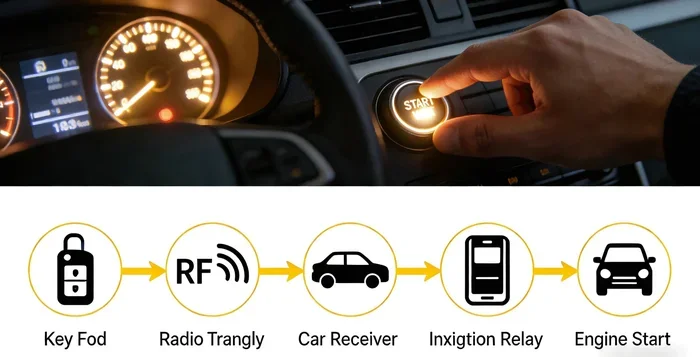
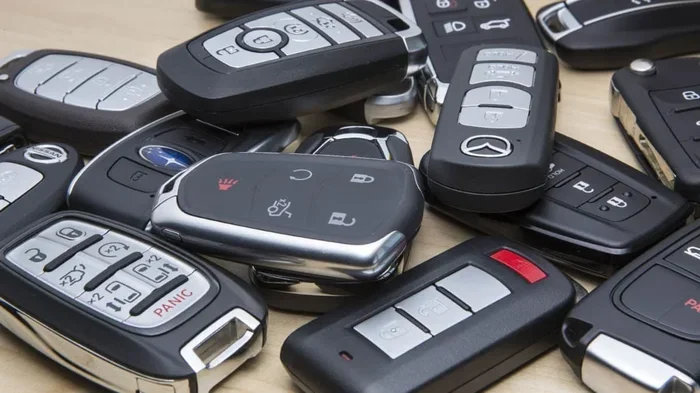
Understanding the root cause is the first step to fixing the problem. Key fobs use a small radio signal to communicate with your car. When that signal breaks for any reason, your car won’t respond. Let’s look at the most common reasons this happens.
Dead Key Fob Battery
The number one reason a key fob stops working is a dead battery. Key fob batteries typically last between two and four years. When the battery dies, the signal weakens or disappears completely. You might notice the remote start not working or the locks not responding from a distance before the fob stops working entirely.
Some cars give you a warning. You might see a battery icon on your dashboard. Others give no warning at all. The fob just stops. This is especially common in older vehicles or fobs that get heavy daily use.
Signal Interference
Sometimes the problem isn’t your key fob at all. It’s the environment around you. Large buildings, power lines, and even other electronic devices can block the signal between your fob and your car. This is called key fob signal interference.
Have you ever noticed your fob works fine at home but not at the office parking lot? That’s interference. The good part is this type of problem usually goes away when you move to a different location. Try walking a few steps away from buildings or electronic equipment and press the button again.
Water Damage to the Key Fob
Key fobs are not waterproof. Even a small splash can cause internal damage. If you’ve dropped your fob in water or it got soaked in the rain, moisture can short out the circuit board inside. This leads to electronic key failure that can be tricky to diagnose.
If water damage is the issue, you need to dry the fob completely before trying anything else. Remove the battery and let the fob sit out for 24 hours. Sometimes this is enough to save it. Other times, the damage is permanent and you need a replacement.
Worn-Out Internal Components
Key fobs take a lot of daily wear and tear. They get dropped, sat on, and tossed around. Over time, the internal buttons and contacts wear down. You might press the unlock button and it barely responds. Or the fob works sometimes but not others. This inconsistent behavior often points to worn internal parts rather than a battery issue.
How to Troubleshoot a Key Fob That Isn’t Working
Before you rush to buy a new fob or call a mechanic, try these troubleshooting steps. Most key fob troubleshooting starts with simple checks you can do in under five minutes.
Step 1: Check the Battery
Start with the most obvious fix. Is the battery dead? If your car door lock not responding from more than a few feet away, the battery is likely the culprit. Most key fobs use a small coin-cell battery, usually a CR2025 or CR2032. You can find replacements at any grocery store or pharmacy for just a few dollars.
To check the battery, pop open the fob casing. Use a small flathead screwdriver or a coin to gently pry it open. Look at the battery. If it looks corroded or discolored, it needs replacing. Even if it looks fine, a new battery might solve the problem entirely.
Step 2: Try the Spare Key Fob
If you have a spare fob, try it now. This is one of the fastest ways to figure out whether the problem is with the fob or the car. If the spare works perfectly, you know the original fob is the issue. If neither fob works, the problem might be with the car itself.
Keep a spare key fob in a safe place at home. It’s a lifesaver in situations exactly like this. Many car owners learn this the hard way by not having a backup.
Step 3: Check for Signal Interference
Move to a different location and try again. Step away from tall buildings, electronic billboards, and large metal structures. Try standing near your car with the fob right next to the door handle. If it works up close but not from a distance, interference is likely the issue.
Step 4: Inspect the Key Fob for Physical Damage
Look closely at the fob. Are any buttons cracked or loose? Does it feel different in your hand? Physical damage often causes key fob not detected errors. Even a tiny crack can let moisture in and damage the electronics inside.
Step 5: Reset the Key Fob
Sometimes a simple reset does the trick. The reset process varies by car brand, but it usually involves removing the battery, waiting 30 seconds, and putting it back in. This clears any minor electronic glitches that might be preventing communication with your car.
How to Replace Your Key Fob Battery
Replacing the battery in your key fob is one of the easiest car maintenance tasks you can do. You don’t need any special tools or technical skills. Here’s how to do it.
What You’ll Need
- A replacement battery (CR2025 or CR2032, depending on your fob model)
- A small flathead screwdriver or a coin
- A clean, dry workspace
Step-by-Step Battery Replacement
First, locate the small seam on the side of your key fob. Use the screwdriver or coin to gently pry it open. Be careful not to use too much force. The casing should pop off easily.
Take out the old battery and note which side faces up. Insert the new battery in the exact same orientation. Push the casing back together until it clicks into place.
Test the fob immediately. Walk a few feet away and press the unlock button. If your car door lock not responding problem was caused by a dead battery, this should fix it right away.
Quick Tip: Write the date of the battery replacement on the inside of the fob casing with a marker. This helps you keep track of when it’s time for the next change.
When to Reprogram or Reset Your Key Fob
Sometimes replacing the battery isn’t enough. If your fob still won’t connect to your car, you might need to key fob reprogramming. This process re-establishes the connection between the fob and your car’s computer system.
How to Reprogram a Key Fob at Home
Many car brands allow you to reprogram a fob yourself without visiting a dealer. The exact steps vary, but here’s a general process that works for many vehicles:
- Sit in your car with all doors closed.
- Turn the ignition to the “On” position without starting the engine.
- Press and hold the lock button on the fob for several seconds.
- Turn the ignition off, then back to “On” within a few seconds.
- Release the lock button.
- Listen for a confirmation sound or see the lights flash.
If this process works, your push button start problems should be resolved. Your car should recognize the fob again right away. Check your owner’s manual for the exact steps for your specific car model.
When Home Reprogramming Doesn’t Work
Some newer cars require specialized equipment for reprogramming. Luxury brands and vehicles with advanced security systems often need a dealer visit. If you’ve tried the steps above and nothing works, it’s time to call in the professionals. A dealer or locksmith can reprogram your fob using diagnostic tools designed for your specific vehicle.
Common Key Fob Problems and How to Fix Them
Key fobs can develop all kinds of issues beyond just a dead battery. Here are some of the most common problems car owners face and how to solve them.
The Fob Works Sometimes but Not Always
This is one of the most frustrating problems. Your fob might work perfectly in the morning but fail you in the evening. This intermittent behavior usually points to a weakening battery or worn internal contacts. Replace the battery first. If the problem continues, the fob likely needs to be replaced or repaired.
The Fob Works but the Car Won’t Start
If your fob unlocks the doors but the car won’t start, the issue is different. This often relates to the car ignition key fob issue with the immobilizer system. The car recognizes the fob for locking and unlocking but can’t verify it for engine start. Try holding the fob directly against the start button or the key slot. Some cars have a backup reader that works when the fob is placed very close.
The Fob Buttons Feel Sticky or Unresponsive
Sticky buttons are a sign of moisture damage or general wear. Clean the buttons with a cotton swab dipped in rubbing alcohol. Let the fob dry completely before using it again. If the buttons remain unresponsive, the internal circuit board may be damaged and the fob needs replacement.
Multiple Key Fobs Stop Working at the Same Time
If more than one fob stops working simultaneously, the problem is probably not with the fobs themselves. Check your car’s battery. A weak car battery can sometimes cause remote start not working and other fob-related issues. Jump-start your car or replace the car battery if needed. This often restores fob functionality immediately.
The Key Fob Range Gets Shorter
If you notice you have to be closer to your car for the fob to work, the battery is dying. This is one of the earliest warning signs of a low battery. Don’t wait until the fob stops working completely. Replace the battery at the first sign of reduced range.
When to See a Professional Mechanic
Not every key fob problem can be solved at home. Knowing when to seek professional help saves you time and prevents further damage.
Signs You Need Professional Help
- The fob still doesn’t work after replacing the battery and reprogramming it.
- Your car won’t start with key fob even when the fob is held directly against the reader.
- The fob shows visible water damage or cracked circuitry.
- Multiple fobs fail at the same time.
- The car’s dashboard shows a warning light related to the key or security system.
What to Expect at the Repair Shop
A mechanic or locksmith will first diagnose whether the problem is with the fob or the car’s receiver. They use specialized diagnostic equipment to test both. If the fob needs replacement, they can program a new one for you on the spot. The cost varies depending on your car brand and the type of fob you need.
For most standard key fobs, replacement costs range from $50 to $200. For luxury or newer vehicles with advanced security features, the cost can be higher. Always ask for a quote before committing to any repairs.
Preventing Key Fob Problems in the Future
The best way to deal with key fob issues is to prevent them from happening in the first place. A few simple habits can keep your key fob working reliably for years.
- Replace the battery proactively. Don’t wait for it to die. Change it every two to three years as a precaution.
- Keep the fob dry. Avoid exposing it to water, rain, or excessive humidity. If it gets wet, dry it immediately.
- Store the fob safely. Don’t toss it in a bag with heavy items that could damage the buttons or circuit board.
- Keep a spare fob. Having a backup saves you from being stranded if your primary fob fails.
- Avoid placing the fob near strong electronic signals. Don’t store it next to your phone, tablet, or laptop for extended periods.
These small habits make a big difference. They keep your vehicle anti-theft system working properly and your daily routine smooth and stress-free.
Key Takeaways
- A dead battery is the #1 reason your car won’t recognize your key fob, and replacing it is quick and cheap.
- Signal interference and water damage are two hidden causes many car owners overlook.
- Reprogramming your key fob at home is possible for most car brands with simple steps.
- Keeping a spare key fob saves you time and money when one stops working.
- Knowing when to see a mechanic can prevent costly mistakes and unnecessary replacements.
Conclusion
A car that won’t recognize your key fob can throw a wrench into your day. But as you’ve learned, most of the time the fix is straightforward. Start with the simplest solutions like replacing the battery or moving to a different location. Then work your way up to reprogramming and professional help if needed.
Remember that key fob troubleshooting doesn’t have to be scary or complicated. You have more control over this problem than you might think. A new battery, a quick reset, or a simple cleaning can often bring your fob back to life in minutes.
Keep your spare fob charged and ready. Stay proactive with battery replacements. And don’t hesitate to call a professional when the problem goes beyond DIY fixes. With the right knowledge and a little patience, you’ll always be able to get back into your car and keep moving forward.
Your key fob is a small device that plays a big role in your daily life. Take care of it, and it will take care of you.
Frequently Asked Questions
How do I know if my key fob battery is dead?
The most common sign is reduced range. You have to be very close to your car for the fob to work. Eventually, it stops working completely. Some cars also show a battery warning on the dashboard. Replacing the battery is inexpensive and usually solves the problem right away.
Can a dead car battery cause the key fob to stop working?
Yes, it can. Your car’s receiver needs power to detect the signal from your key fob. If your car battery is weak or dead, the fob might not be recognized even if the fob itself is working fine. Always check both the car battery and the fob battery when troubleshooting this issue.
How much does it cost to replace a key fob?
The cost depends on your car brand and model. Standard fobs typically cost between $50 and $200 for replacement. Luxury or newer vehicles with smart key systems can cost $200 to $500 or more. Programming fees at a dealer may add to the total cost.
Can I reprogram my key fob myself?
For many car brands, yes. The process usually involves a series of button presses and ignition steps. Check your owner’s manual for the exact procedure. Some newer or luxury vehicles require dealer equipment for reprogramming, so professional help may be necessary in those cases.
What should I do if my key fob gets wet?
Remove the battery immediately and let the fob dry completely for at least 24 hours. Use a soft cloth to pat it dry. Do not use heat to speed up the drying process. Once dry, reinstall the battery and test the fob. If it still doesn’t work, the internal circuitry may be damaged and you’ll need a replacement.
How long does a key fob battery last?
A key fob battery typically lasts between two and four years depending on usage. Fobs that are used frequently or kept near strong electronic signals may drain faster. Writing the replacement date on the fob helps you stay ahead of battery failure and avoid being caught off guard.