Does a Car Have 2 Axles or 4 Axles and What It Means
The answer to “Does a Car Have 2 Axles or 4” depends on the vehicle type. Most standard passenger cars have two axles—one front and one rear—while larger trucks or specialized vehicles may have four or more. Understanding your car’s axle count helps with maintenance, safety, and performance decisions.
When you look at your car, you might not think about the parts that keep it rolling smoothly. But one question comes up a lot: Does a Car Have 2 Axles or 4? The answer isn’t always as simple as a yes or no. Most everyday passenger cars use a two-axle setup, but trucks, buses, and specialty vehicles can have four or more axles. Knowing how many axles your car has helps you understand its design, performance, and maintenance needs.
Axles are the rods or shafts that connect your wheels to the vehicle’s chassis. They carry the weight of the car, transfer engine power to the wheels, and help with steering and braking. If you’ve ever wondered why some vehicles handle differently or need special tires, the axle count is a big part of the answer. In this guide, we’ll break down everything you need to know about car axles, from the basic setup to common problems and maintenance tips.
Whether you’re a new car owner or just curious about how your vehicle works, this article will give you clear, practical answers. We’ll cover what an axle does, how to tell if your car has two or four axles, and why it matters for your daily driving. Let’s dive in and make axle knowledge easy to understand.
Key Takeaways
- Does a Car Have 2 Axles or 4? Most standard passenger cars use a two-axle setup, but larger vehicles can have four or more.
- Axle count affects handling and safety. More axles spread weight better, which is why trucks and buses use them.
- The number of axles is not the same as the drivetrain. A 2WD, 4WD, or AWD car can all have two axles.
- Regular axle maintenance prevents costly repairs. Inspect boots, listen for noises, and change differential fluid on schedule.
- Warning signs include clicking, vibrations, and grease leaks. Catching these early saves you from a roadside breakdown.
- Check your owner’s manual for exact axle specs. It gives the correct axle ratio and maintenance intervals for your vehicle.
📑 Table of Contents
What Is an Axle and Why Does It Matter?
An axle is a central shaft for a rotating wheel or gear. In a car, the axle connects the wheels on each side and bears the vehicle’s weight. It’s a critical part of the suspension and drivetrain. Without a working axle, your wheels wouldn’t turn, and the car couldn’t move.
The Role of Axles in Your Vehicle
Axles do more than just hold the wheels in place. They transfer torque from the engine through the differential to the wheel hubs. This process makes the car move forward or backward. The axle also supports the vehicle’s weight, even when it’s parked. In a front-engine car, the front axle often handles more weight because of the engine’s position.
Modern cars use different types of axles. A live axle sends power to both wheels on an axle. A dead axle just supports weight and doesn’t transmit power. Many front-wheel-drive cars use a front axle that acts as a drive axle. The rear axle in these cars is a dead axle. Understanding this helps you grasp how your car’s power flows.
Key Components Connected to the Axle
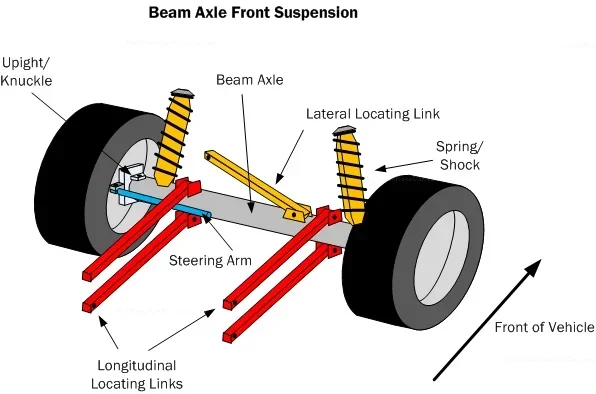
Several parts work with the axle to keep your car stable. The differential is a gear box that lets the left and right wheels spin at different speeds. This is crucial when turning. The CV joint (constant velocity joint) connects the axle shaft to the wheel. It allows the axle to flex as the suspension moves. The wheel bearing sits inside the hub and lets the wheel rotate smoothly. The suspension system, including springs and struts, absorbs road bumps and keeps the axle aligned.
Regular maintenance of these parts is essential. A worn CV joint can cause a clicking noise when you turn. A failing wheel bearing might produce a humming sound. Ignoring these signs can lead to bigger repairs. I’ll share more on common problems later in the article.
Quick Tip: Inspect Axle Boots
Quick Tip: Look at the rubber boots covering your CV joints. If you see cracks or grease leaking out, get them checked soon. A torn boot lets dirt in, which destroys the joint quickly. A simple boot replacement costs much less than a new axle shaft.
Common Mistake: Overlooking Axle Maintenance
Common Mistake: Many drivers forget about axles until something breaks. They assume the axle is a “set and forget” part. In reality, axle boots can crack from age, and the grease inside dries out. A little attention during oil changes can save you from a roadside breakdown.
Expert Insight: How Axles Affect Ride Quality
Expert Insight: “The axle isn’t just a dumb rod,” says automotive engineer Mark T. “It’s a carefully engineered component that affects ride comfort, handling, and even fuel economy. A bent axle or worn bearing can cause vibrations that you feel through the steering wheel.”
How Many Axles Does a Car Have?
The short answer is that most standard passenger cars have two axles. One axle is in the front, and one is in the rear. Each axle connects a pair of wheels. So a typical car has four wheels total, with two axles working together. But the full picture is a bit more nuanced, and that’s what we’ll explore here.
The Standard Two-Axle Setup
In a two-axle car, the front axle is often a steer axle. It connects to the steering system and turns the front wheels. The rear axle is usually a drive axle in rear-wheel-drive vehicles, or a dead axle in front-wheel-drive cars. The front axle in a front-wheel-drive car is both a steer and drive axle. It’s called a front axle assembly and includes the differential, axle shafts, and CV joints.
The rear axle in a rear-wheel-drive car receives power from the transmission through a driveshaft. It then splits the power to the left and right wheels via the differential. This setup is common in trucks, sports cars, and many sedans. The two-axle design keeps the car lightweight and efficient, which is why it works so well for daily driving.
When a Car Has Four Axles
Some vehicles need more than two axles to handle heavy loads or special purposes. Large trucks, such as semi-trucks, often have four, five, or even six axles. Buses and motorhomes also frequently use multiple axles. A four-axle vehicle might have two axles in the front and two in the rear, or a spread-axle setup. The extra axles distribute the weight more evenly, preventing the vehicle from damaging roads or losing traction.
In the world of passenger cars, you rarely see a four-axle vehicle. But some specialty cars, like certain luxury sedans with all-wheel drive and a complex drivetrain, might have additional axle-like components. However, they still fundamentally operate on a two-axle platform. If you’re wondering does a car have 2 axles or 4, the answer for 99% of cars on the road is two.
Comparison Table: Vehicle Types and Axle Count
| Vehicle Type | Number of Axles | Typical Use |
|---|---|---|
| Passenger Car (Sedan, Coupe, Hatchback) | 2 | Daily commuting, family transport |
| Light Truck / SUV (2WD) | 2 | Light hauling, off-road leisure |
| Light Truck / SUV (4WD / AWD) | 2 | All-weather capability, towing |
| Full-Size Pickup Truck | 2 (often with rear dual wheels) | Hauling, towing, work sites |
| Semi-Truck (Tractor-Trailer) | 4 or more | Heavy freight transport |
| City Bus | 3 or 4 | Public transportation |
| Motorhome (Class A) | 3 or 4 | Long-distance travel, living space |
As you can see, the number of axles scales with the vehicle’s job. A passenger car’s two-axle design is perfect for balance and efficiency. A semi-truck needs four or more axles to safely carry 80,000 pounds of cargo.
Key Takeaways: Axle Count Basics
- Most cars have two axles. One front, one rear. This is the standard for passenger vehicles.
- Four or more axles are for heavy-duty vehicles. Trucks, buses, and large motorhomes use extra axles for weight distribution.
- Axle count affects maintenance. More axles mean more components to inspect, like additional differentials and wheel bearings.
- Don’t confuse axle count with drivetrain. A 2WD or 4WD car still has two axles. The drivetrain determines which axle receives power.
2-Axle vs 4-Axle Vehicles: What’s the Difference?
Comparing a two-axle car to a four-axle truck highlights the engineering differences. The number of axles changes how a vehicle handles, carries weight, and interacts with the road. Let’s break down the key differences.
Understanding Axle Count and Vehicle Class
A two-axle vehicle belongs to the light-duty class. It includes most sedans, coupes, hatchbacks, and SUVs. These cars are designed for carrying passengers and light cargo. The two-axle setup provides a good balance of ride comfort, fuel economy, and maneuverability. You can easily fit a two-axle car into a standard parking space, and it turns tightly in city streets.
A four-axle vehicle is a heavy-duty machine. Think of a dump truck, a concrete mixer, or a large box truck. These vehicles carry heavy loads that would crush a two-axle car’s suspension. The extra axles spread the weight over a larger area, reducing the pressure on each tire and the road surface. This is why you see multi-axle trucks on highways—they protect the pavement and improve stability.
How Axle Number Affects Weight Distribution
Weight distribution is crucial for safety and performance. In a two-axle car, the front axle typically carries about 55-60% of the weight when the engine is in the front. The rear axle carries the rest. This balance is carefully engineered by the manufacturer. If you overload a two-axle car, the rear axle sags, and the front loses steering grip. This can be dangerous.
In a four-axle truck, the weight is spread across multiple points. Each axle carries a portion of the total load. The air brakes and suspension systems are built to handle this stress. The axle ratio also plays a role. A higher axle ratio (like 4.10:1) gives more torque for pulling heavy loads but can reduce fuel efficiency. A lower ratio (like 3.23:1) is better for highway cruising.
Quick Tip: Check Your Vehicle’s Axle Ratio
Quick Tip: You can find your axle ratio on the vehicle’s certification label or in the owner’s manual. It’s often expressed as a number like 3.42:1 or 3.73:1. A higher number means more towing power but potentially lower gas mileage. If you tow frequently, a higher axle ratio can make a big difference.
Common Mistake: Assuming More Axles Always Mean Better Traction
Common Mistake: Some drivers think a four-axle vehicle always has better traction than a two-axle car. That’s not true. Traction depends on the drivetrain and tires, not just the number of axles. A two-axle AWD car with good all-season tires can outperform a two-axle 2WD truck on a slippery road. The axles simply transfer the power; they don’t create it.
Expert Insight: The Engineering Behind Axle Count
Expert Insight: “Vehicle designers choose the axle count based on the intended use,” explains Dr. Sarah Lin, a chassis engineer. “For a family sedan, two axles provide the best compromise of cost, weight, and ride quality. For a logging truck, you need four or more axles to distribute the heavy load and meet legal weight limits on bridges.”
What Does the Number of Axles Mean for Your Car?
The number of axles on your car affects more than just how many wheels it has. It influences handling, braking, maintenance costs, and even how you drive. Let’s look at what axle count means for your daily driving experience.
Impact on Performance and Handling
A two-axle car is designed for a smooth, predictable ride. The suspension geometry is tuned for two pivot points—one at each axle. This setup gives the car a natural balance. When you turn the steering wheel, the front axle steers, and the rear axle follows. The car feels stable at highway speeds and nimble in parking lots.
A four-axle vehicle, on the other hand, is built for stability under heavy loads. The additional axles reduce the risk of tipping. However, they can make the vehicle less agile in tight spaces. The turning radius is larger, and the steering feels heavier. For a regular driver, a four-axle vehicle isn’t necessary and can be more expensive to maintain.
How Axle Count Relates to Drivetrain Types
Many people confuse axle count with drivetrain. A car can have two axles and still be 2WD, 4WD, or AWD. In a front-wheel-drive car, the front axle is the drive axle. It sends power to the front wheels. The rear axle is a dead axle, only supporting weight. In a rear-wheel-drive car, the rear axle is the drive axle. The front axle steers but doesn’t receive engine power.
In a 4WD or AWD vehicle, both axles receive power, but there are still only two axles. A transfer case or center differential sends power to the front and rear axles. The number of axles doesn’t change; the drivetrain just decides which axle gets the torque. So when you ask does a car have 2 axles or 4, remember that the drivetrain is a separate question.
Impact on Tire Wear and Alignment
The axle count also affects tire wear. In a two-axle car, proper alignment is critical. If the front axle is out of alignment, the car pulls to one side, and the front tires wear unevenly. The rear axle also needs alignment, especially in rear-wheel-drive cars. A misaligned rear axle can cause the car to wander or the steering wheel to feel off-center.
In a four-axle truck, alignment becomes more complex. Each axle must be aligned to the others. A misaligned steer axle can cause the truck to drift. Misaligned drive axles can scrub the tires, reducing their lifespan. Regular tire rotations and alignment checks are even more important for multi-axle vehicles.
Quick Tip: Get a Four-Wheel Alignment
Quick Tip: Always request a four-wheel alignment, not just a two-wheel alignment. Even on a two-axle car, the rear axle needs adjustment. A proper alignment ensures all wheels are perpendicular to the road and parallel to each other. This improves fuel economy, handling, and tire life.
Common Mistake: Ignoring the Rear Axle
Common Mistake: Many drivers focus only on the front axle because it handles steering. The rear axle is often neglected. But a worn rear wheel bearing or a leaking rear differential can cause serious problems. If you hear a rumbling noise from the rear that gets louder at higher speeds, have the rear axle inspected immediately.
Common Axle Problems and How to Prevent Them
Axles are built to last, but they aren’t indestructible. Road hazards, age, and lack of maintenance can lead to failures. Knowing the warning signs can save you from a costly repair or a dangerous breakdown. Here are the most common axle problems and how to prevent them.
Symptoms of a Failing Axle
Watch for these signs that your axle might be failing:
- Clicking or clunking noises when turning. This often indicates a worn CV joint. The joint can’t flex properly, and the clicking happens as the axle shaft moves.
- Vibrations while driving. A bent axle shaft or a worn wheel bearing can cause the car to vibrate, especially at higher speeds. The vibration might feel like it comes from the floor or the steering wheel.
- Grease on the inside of the wheel hub or tire. This is a sign of a torn CV boot. Grease has leaked out, and dirt and moisture are now contaminating the joint.
- The car pulls to one side. A damaged axle can affect wheel alignment, causing the vehicle to drift. This can also be a sign of a broken suspension component, so get a professional diagnosis.
- The car won’t move. In severe cases, a broken axle shaft means the wheel won’t turn. You might hear a loud bang, and then the car loses power to that wheel.
What Causes Axle Damage?
Several factors can damage an axle. Hitting a deep pothole or a curb can bend the axle shaft or break the CV joint. Overloading the vehicle puts extra stress on the axle and its bearings. Age and corrosion can weaken the axle, especially in areas that use road salt. Lack of lubrication is another common cause. The differential and axle joints need clean grease to operate smoothly. If the grease breaks down, metal-on-metal contact destroys the components quickly.
Common Mistake: Driving on a Broken Axle
Common Mistake: If you suspect a broken axle, don’t keep driving. A damaged axle shaft can seize, locking the wheel. This can cause you to lose control. Even a slightly bent axle can damage the wheel hub and the differential. Pull over safely and call for a tow.
Quick Tip: Avoid Overloading Your Vehicle
Quick Tip: Check your vehicle’s gross vehicle weight rating (GVWR) on the door jamb sticker. Overloading puts extreme pressure on the axles, springs, and brakes. It can also violate the law and lead to fines. If you regularly haul heavy loads, consider upgrading to a vehicle with a higher axle capacity or a multi-axle setup.
Expert Insight: The Hidden Cost of a Bad Axle
Expert Insight: “A failing axle doesn’t just affect the axle itself,” warns mechanic Carlos Rivera. “A worn CV joint can damage the differential. A bent axle can throw off the wheel bearing. What starts as a small noise can turn into a $1,500 repair if ignored. Address axle issues early.”
Maintenance Tips to Protect Your Axles
Prevention is the best cure for axle problems. With a few simple habits, you can extend the life of your axles and avoid unexpected breakdowns. Here are the most effective maintenance tips.
Routine Checks You Can Do at Home
You don’t need a mechanic to do some basic axle inspections. Once a month, try these steps:
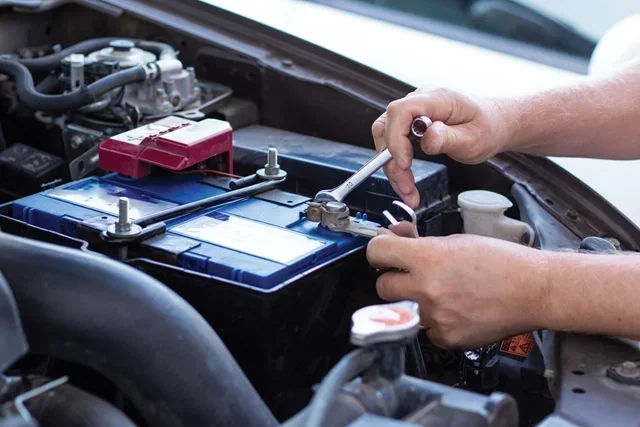
- Look at the axle boots. Get down on the ground and visually inspect the rubber boots on the front and rear axles. They should be intact and flexible, not cracked or torn. If you see grease leaking, it’s time for a replacement.
- Listen for noises. With the car parked and the engine off, turn the steering wheel left and right. You might hear a slight click from the CV joints—that’s normal. A loud, repetitive click means the joint is worn.
- Check the tire wear. Uneven tire wear on the inside or outside edges can indicate an alignment issue related to the axle. A feathering pattern on the tread is a classic sign.
- Inspect the wheels. Spin each wheel by hand (with the car in park and the parking brake on). Listen for grinding or humming sounds, which can point to a bad wheel bearing.
Professional Maintenance Schedule
While home checks are helpful, some tasks need a professional. Follow this schedule:
- Every 30,000–60,000 miles: Inspect the axle boots and CV joints. Replace boots if they show any damage. This is a cheap fix that prevents a major repair.
- Every 50,000–100,000 miles: Change the differential fluid. The differential contains gears that need clean lubrication. Old, dirty fluid accelerates wear.
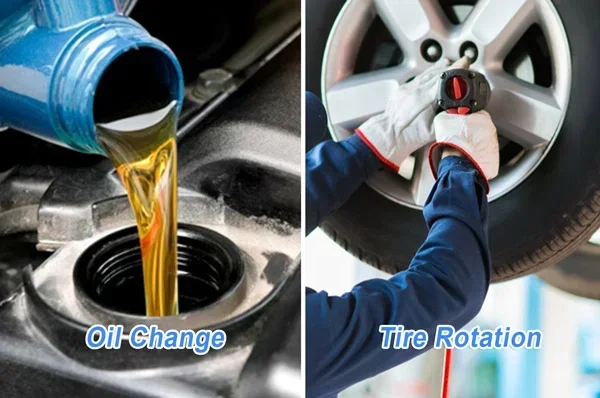
- Every 12,000–15,000 miles: Get a tire rotation and alignment check. This ensures even tire wear and keeps the axles working properly.
- After any major impact: If you hit a pothole hard, a curb, or get into an accident, have the axles and suspension inspected. Even if there’s no visible damage, internal components can be stressed.
Common Mistake: Skipping Differential Fluid Changes
Common Mistake: Many owners remember to change engine oil but forget about the differential. The differential works hard, and its fluid breaks down over time. Metal particles from the gears contaminate the fluid, leading to premature wear. A differential fluid change is inexpensive and can add years to the life of your axle assembly.
Quick Tip: Use the Right Axle Grease
Quick Tip: If you’re replacing a CV boot yourself, use the high-quality axle grease that comes with the boot kit. Don’t use generic grease from a hardware store. The right grease has the correct viscosity and additives to protect the CV joint under high pressure and temperature.
Key Takeaways: Axle Maintenance Essentials
- Inspect axle boots monthly. Look for cracks, tears, or grease leaks.
- Listen for unusual noises. Clicking, humming, or grinding can signal axle or bearing issues.
- Keep differential fluid fresh. Follow the manufacturer’s service interval.
- Don’t overload your vehicle. Excess weight stresses axles and other components.
- Address small problems early. A $50 boot replacement beats a $1,500 axle and differential repair.
Conclusion: Why Your Axle Count Matters
The question “Does a Car Have 2 Axles or 4” opens the door to understanding how your vehicle works. For the vast majority of passenger cars, the answer is two axles—one front and one rear. This two-axle design provides the perfect balance of ride comfort, fuel efficiency, and handling for everyday driving. Larger vehicles like trucks and buses need four or more axles to manage heavy loads and stay safe on the road.
Knowing your car’s axle count helps you make smarter maintenance decisions. You can better understand what your mechanic is talking about when they mention the front axle, rear axle, or differential. You’ll also know when to pay closer attention to signs of trouble, like clicking noises or vibrations. Axles are often out of sight and out of mind, but they’re working hard every time you drive.
Take a moment to appreciate the engineering that goes into your car’s axle system. From the CV joints that allow flexibility to the differential that lets wheels spin at different speeds, every part plays a role. By staying proactive with inspections and maintenance, you’ll keep your axles—and your entire car—running smoothly for years to come. So next time you’re behind the wheel, remember: those two (or four) axles are the unsung heroes keeping you rolling forward.
Frequently Asked Questions
Is a Car with 4 Axles Still Called a Car?
A vehicle with four axles is usually classified as a truck or bus, not a passenger car. The term “car” typically refers to a two-axle passenger vehicle. However, some large luxury sedans or extended limousines might have additional axles for stability, but they are still built on a multi-axle chassis.
Can a Car Have 3 Axles?
Yes, some specialty vehicles have three axles. For example, a large moving van or a triple-axle trailer. In the passenger car world, a few extended-wheelbase limousines or some all-wheel-drive systems with a front and rear axle plus a mid-axle might exist, but it’s rare. Most cars you see daily have two axles.
How Many Axles Does an SUV Have?
Most SUVs have two axles, just like a sedan. Even many 4WD and AWD SUVs use a two-axle platform. The drivetrain sends power to both axles, but the count remains two. Only very large luxury SUVs or specialized off-road vehicles might have additional axles.
What Happens If an Axle Breaks While Driving?
If an axle breaks while driving, you will likely hear a loud bang, and the car will lose power to that wheel. The vehicle might pull to one side, and you may hear grinding or scraping noises. Pull over immediately and do not attempt to drive further. Call for a tow truck to avoid damaging the transmission, differential, or wheel hub.
Does a Car with 4 Axles Have a Different Maintenance Schedule?
Yes, a multi-axle vehicle has more components to maintain. You’ll need to check additional differentials, wheel bearings, and universal joints. The maintenance intervals might be shorter because of the increased stress on each component. Always follow the manufacturer’s recommended service schedule for your specific vehicle type.
How Can I Tell How Many Axles My Car Has?
Look at your car from the side. Count the number of wheel pairs. Most passenger cars have two pairs of wheels (four wheels total), which means two axles. If you see more than two pairs of wheels, like on a truck with dual rear wheels, you might still have two axles. But if there are additional axles underneath, that’s a different vehicle class. Check your owner’s manual for the exact axle count.