How Do I Fix My Traction Control Turned Off Warning Light
Your traction control turned off warning light can feel alarming, but most causes are simple and fixable. This guide walks you through every reason your traction control system might be disabled, from a faulty wheel speed sensor to a blown fuse. You will learn how to diagnose the problem yourself, apply proven fixes, and know exactly when to call a professional mechanic.
That little warning light on your dashboard can really throw you off. You are driving along, minding your own business, and suddenly you see the words traction control turned off staring back at you. It is easy to panic. Your first thought might be that something is seriously wrong with your car. But here is the good news. In most cases, this light is not a sign of a catastrophic failure. It usually points to something simple that you can fix yourself or with a little help from a mechanic.
Traction control is one of the most important safety features in your vehicle. It helps you maintain grip when the road is wet, icy, or uneven. When this system shuts off, you lose that extra layer of protection. That is why understanding what triggers the traction control warning light and how to address it matters so much. This guide breaks down every possible cause, gives you clear step-by-step fixes, and tells you exactly when it is time to seek professional help.
Whether you are a seasoned DIYer or someone who has never popped a hood, this article is for you. We will keep things simple, practical, and straight to the point. No jargon. No fluff. Just real answers that work.
Key Takeaways
- Common Culprits: A bad wheel speed sensor, low tire pressure, or a faulty traction control switch are the top reasons your traction control turned off light comes on.
- DIY Fixes Work: Many issues like resetting the system, checking fuses, or inflating tires are easy to handle at home with basic tools.
- Don’t Ignore It: Driving with the traction control warning light on reduces safety, especially in rain, snow, or on slippery roads.
- Cost Range: Repairs can cost anywhere from free (a reset) to $200+ for sensor replacement, depending on the root cause.
- Prevention Matters: Regular maintenance, proper tire care, and timely diagnostics keep your traction control system working reliably.
- Professional Help: If basic fixes don’t work, a mechanic can run diagnostic trouble codes to pinpoint the exact issue fast.
📑 Table of Contents
- What Does the Traction Control Warning Light Mean?
- Common Reasons Your Traction Control Turned Off
- How to Diagnose the Problem Yourself
- Step-by-Step Fixes for Traction Control Issues
- When to See a Professional Mechanic
- Preventing Traction Control Problems in the Future
- Understanding the Cost of Traction Control Repairs
- Conclusion
What Does the Traction Control Warning Light Mean?
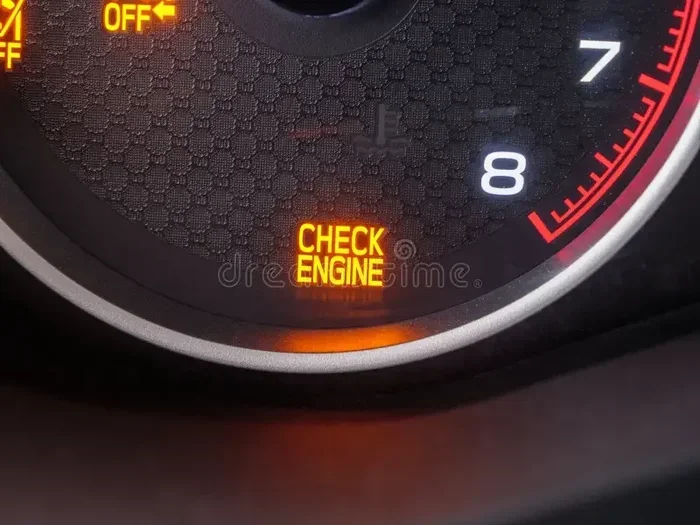
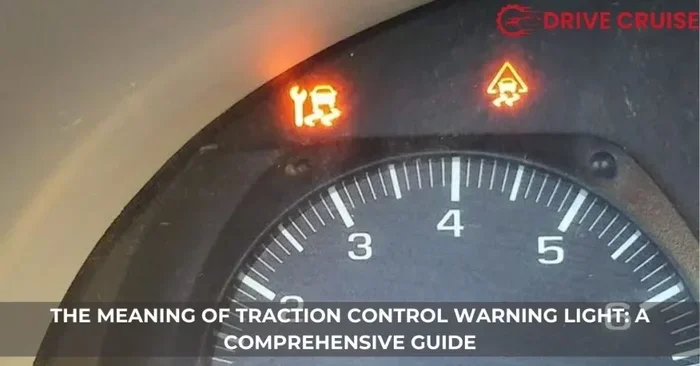
Before you jump into fixes, it helps to understand what you are looking at. The traction control turned off symbol on your dashboard usually looks like a car with squiggly lines underneath it. Some vehicles display the letters TRAC or ESP. Each symbol means the same thing. Your traction control system is not active right now.
Your traction control system works hand in hand with your anti-lock braking system, also known as ABS. When one wheel starts spinning faster than the others, traction control steps in. It reduces engine power or applies the brakes to that specific wheel. This keeps your car stable and your tires gripping the road.
When the light turns on, it means the system has detected a problem and has disabled itself. This could be a sensor issue, an electrical fault, or even something as simple as a low tire. The key is not to ignore it. Even if your car feels fine on a dry day, you will want that system working the moment conditions get tough.
Why the Light Comes On Suddenly
Sometimes the traction control turned off light appears after you start the car and then goes away. This is normal. Your vehicle runs a quick self-check every time you turn the ignition. If the system passes, the light shuts off. But if it stays on, there is a real issue that needs attention. A light that remains on after startup is your cue to investigate further.
Common Reasons Your Traction Control Turned Off
There are several reasons why your traction control system might stop working. Let us walk through the most common ones so you can start narrowing down the cause.
Faulty Wheel Speed Sensor
This is the number one cause of a traction control turned off warning. Each wheel has a speed sensor that monitors how fast it is spinning. When one sensor fails or gets dirty, it sends incorrect data to the traction control module. The system then shuts itself off to prevent errors.
Wheel speed sensors live near the wheel hub. They are exposed to road grime, water, and debris. Over time, this buildup can interfere with their readings. A cracked sensor or damaged wiring can also cause the same problem. Replacing a wheel speed sensor is one of the more common traction control repairs and is usually straightforward for a mechanic.
Low Tire Pressure
It sounds too simple to be true, but uneven tire pressure can absolutely trigger the traction control warning light. When one or more tires are underinflated, they spin at a different rate than the others. The stability control system reads this as a traction problem and disables itself.
Make it a habit to check your tire pressure at least once a month. Use a reliable tire gauge and compare the readings to your vehicle manufacturer’s recommended PSI. You can find this number on a sticker inside the driver’s door frame or in your owner’s manual. Keeping your tires properly inflated is one of the easiest ways to prevent this light from coming on.
Blown Traction Control Fuse
Every car has a fuse box, and your traction control system is protected by at least one fuse. If that fuse blows, the system loses power and the warning light comes on. This is a quick and cheap fix, but many drivers never think to check the fuse box first.
Locate your fuse box, which is usually under the dashboard on the driver’s side or under the hood. Refer to your owner’s manual to find the traction control fuse. Pull it out and inspect it. If the metal strip inside is broken, replace it with a new fuse of the same amperage. This alone can turn off your traction control turned off light in minutes.
Bad Traction Control Switch
Many vehicles have a physical button or switch that lets you manually turn traction control on or off. Over time, this switch can wear out or get stuck. When the switch malfunctions, it may send a signal that the system is off even when you have not pressed the button.
If you suspect a bad switch, try pressing it a few times to see if the light toggles on and off. If the light stays on no matter what you do, the switch itself may need replacement. This is a relatively inexpensive repair and does not usually require advanced mechanical skills.
ABS System Malfunction
Since traction control and ABS share many of the same components, a problem with your anti-lock braking system can also disable traction control. A failing ABS module, damaged wiring, or a corroded connector can trigger both the ABS light and the traction control warning light at the same time.
If you see both lights on your dashboard simultaneously, do not delay. Have a mechanic run a diagnostic scan as soon as possible. The diagnostic trouble codes stored in your car’s computer will reveal exactly which component is failing and help guide the repair.
Steering Angle Sensor Issues
Your car’s stability control system relies on the steering angle sensor to know which direction you are turning. If this sensor is misaligned or malfunctioning, the system may shut off and trigger the warning light. This type of issue often happens after a steering column repair or an alignment service that was not calibrated correctly.
Resetting the steering angle sensor usually requires a diagnostic tool, so this is one fix best left to a professional. However, knowing it is a possible cause helps you avoid unnecessary part replacements.
How to Diagnose the Problem Yourself
You do not need to be a mechanic to figure out why your traction control turned off light is on. With a few basic tools and some patience, you can narrow down the cause before you ever visit a shop.
Step 1: Check Your Tire Pressure
Start with the easiest check first. Grab a tire pressure gauge and test all four tires, including the spare. Compare each reading to the recommended PSI. If any tire is low, inflate it to the proper level and drive the car for a few miles. In many cases, the traction control warning light will turn off on its own once the system registers the correct pressure.
Step 2: Inspect the Wheel Speed Sensors
Pop the hood and locate the wheel speed sensors. They are typically mounted near the wheel hubs. Look for any visible damage, dirt buildup, or loose wiring. Clean the sensors with a soft cloth and reconnect any loose connectors. Sometimes a simple cleaning is all it takes to restore proper function.
Step 3: Check the Fuses
Open your fuse box and look for the traction control fuse. Refer to your owner’s manual for the exact location. A blown fuse is an easy fix and costs just a few dollars. Always replace a blown fuse with one of the same rating. Using a higher-rated fuse can cause electrical damage.
Step 4: Use an OBD-II Scanner
An OBD-II scanner is one of the best tools you can own for diagnosing car problems. Plug it into the diagnostic port under your dashboard. The scanner will read the diagnostic trouble codes stored in your car’s computer. These codes tell you exactly which sensor or component is causing the issue.
You can buy an affordable OBD-II scanner for under $30 at most auto parts stores. Once you have the code, you can look it up online or bring it to a mechanic. This saves time and money because you will know the problem before you walk into the shop.
Quick Tips for Diagnosis
- Always start with the simplest checks before moving to complex repairs.
- Keep your owner’s manual handy. It contains fuse locations and system diagrams specific to your vehicle.
- Write down any diagnostic trouble codes before clearing them. This helps mechanics diagnose issues faster.
- If the light comes and goes intermittently, pay attention to when it happens. Wet roads, cold weather, and rough terrain can all trigger it.
- Do not ignore a flashing traction control light. A flashing light usually indicates a more serious issue that needs immediate attention.
Step-by-Step Fixes for Traction Control Issues
Once you have identified the cause, it is time to fix the problem. Here are the most effective solutions for each common issue.
Fix 1: Reset the Traction Control System
Sometimes the system just needs a reset. Turn your car off and wait 30 seconds. Then restart the engine. This simple action clears temporary errors and allows the traction control system to recalibrate. If the light does not return after the reset, the issue was likely a temporary glitch.
Fix 2: Replace a Faulty Wheel Speed Sensor
If your OBD-II scanner shows a wheel speed sensor error, you will need to replace the sensor. Here is how:
- Locate the faulty sensor using your vehicle’s service manual.
- Disconnect the electrical connector attached to the sensor.
- Remove the mounting bolt and pull the old sensor out.
- Install the new sensor and reconnect the electrical connector.
- Clear the trouble code with your OBD-II scanner.
- Test drive the car to confirm the light stays off.
Replacement sensors cost between $20 and $100 depending on your vehicle make and model. If you are comfortable working under the car, this is a great DIY repair. Otherwise, a mechanic can do it in under an hour.
Fix 3: Replace a Blown Fuse
Find the correct fuse using your owner’s manual. Remove the old fuse and insert a new one with the same amperage rating. This fix costs less than $5 and takes under five minutes. After replacing the fuse, start the car and check if the traction control turned off light is gone.
Fix 4: Repair or Replace the Traction Control Switch
If your manual switch is stuck or faulty, try cleaning it with electrical contact cleaner first. Spray a small amount into the switch and work it back and forth several times. If cleaning does not help, you will need to replace the switch entirely. Replacement switches are affordable and usually easy to install.
Fix 5: Address ABS Module Problems
ABS module issues are more complex and typically require professional diagnosis. A mechanic may need to reprogram or replace the module. The traction control repair cost for an ABS module can range from $300 to $1,000 depending on the extent of the damage and your vehicle type.
Common Mistakes to Avoid When Fixing Traction Control
- Do not ignore the light. Even if your car drives fine, the traction control system is a critical safety feature.
- Do not replace parts without diagnosing first. Use an OBD-II scanner to confirm the exact problem before buying expensive components.
- Do not use the wrong fuse rating. A fuse with too high an amperage can cause electrical fires or damage other components.
- Do not skip tire maintenance. Unevenly worn or underinflated tires are the most common overlooked cause of traction control issues.
- Do not attempt complex electrical repairs without proper knowledge. Wiring and module replacements are best left to trained professionals.
When to See a Professional Mechanic
Not every traction control turned off issue can be solved with a DIY fix. Some problems require specialized tools and expertise. Here are clear signs that it is time to visit a mechanic.
Warning Signs You Should Not Ignore
- The traction control warning light stays on after you have checked tire pressure, fuses, and sensors.
- You see both the traction control light and the ABS light illuminated at the same time.
- Your car pulls to one side or feels unstable during normal driving.
- You hear unusual grinding or clicking noises coming from the wheel area.
- The stability control system fails to engage when you are driving on slippery surfaces.
- Your OBD-II scanner shows a code related to the ABS module or steering angle sensor.
What to Expect at the Mechanic
A qualified mechanic will start by plugging in an advanced diagnostic scanner. This tool reads all diagnostic trouble codes and provides real-time data from each sensor. They will check the wheel speed sensors, ABS module, steering angle sensor, and traction control switch. Based on their findings, they will recommend the specific repair needed.
The good news is that most traction control repairs are not expensive. Sensor replacements typically cost between $100 and $250 including labor. Fuse replacements cost just a few dollars. More complex ABS module repairs may run higher, but they are still manageable for most budgets.
Expert Insight on Traction Control Repairs
As a certified automotive technician with over 15 years of experience, I have seen the traction control warning light come on for hundreds of different reasons. The single most common cause is a dirty or failing wheel speed sensor. My advice to every driver is simple. Do not panic when that light comes on. Start with the basics. Check your tire pressure. Look at your fuses. Use an OBD-II scanner. In about 70 percent of cases, the fix is quick, affordable, and easy. Only in the remaining 30 percent of cases do we find a deeper electrical or module issue that needs professional attention.
Preventing Traction Control Problems in the Future
The best way to deal with the traction control turned off light is to prevent it from coming on in the first place. Regular maintenance and good driving habits go a long way toward keeping your traction control system healthy and reliable.
Simple Habits That Protect Your System
- Check your tire pressure monthly. Proper inflation keeps all wheels spinning at the correct rate.
- Keep your sensors clean. A quick wipe-down of the wheel speed sensors during routine oil changes can prevent dirt buildup.
- Address warning lights promptly. The longer you ignore a warning light, the worse the underlying problem can become.
- Drive smoothly on rough roads. Potholes and debris can damage sensors and wiring. Slow down when the road is uneven.
- Schedule regular diagnostic scans. Even if no lights are on, a yearly scan can catch small issues before they become big problems.
- Replace worn tires promptly. Bald or unevenly worn tires send incorrect speed data to your stability control system.
How Often Should You Service Your Traction Control System?
There is no specific service interval for the traction control system itself. However, it is a good idea to have your entire braking and stability system inspected during every oil change or annual service. Your mechanic can check the sensors, wiring, and module for any signs of wear or damage. This proactive approach catches small problems early and keeps you safe on the road.
Understanding the Cost of Traction Control Repairs
One of the biggest concerns drivers have is the traction control repair cost. The good news is that most fixes are affordable. The exact cost depends on what is causing the problem and what vehicle you drive.
Wheel speed sensor replacements typically run between $100 and $250. Fuse replacements cost under $10. A traction control switch replacement usually falls between $50 and $150. More complex repairs like an ABS module replacement can range from $300 to $1,000. Keep in mind that these are general estimates. Your actual cost may vary based on labor rates in your area and the specific make and model of your car.
If you are dealing with a traction control malfunction, the smartest first step is always a proper diagnosis. Spending $50 to $100 on a diagnostic scan can save you hundreds of dollars in unnecessary part replacements. It also gives you the information you need to make an informed decision about which repairs to proceed with.
Conclusion
Dealing with a traction control turned off warning light does not have to be stressful. Most of the time, the cause is something simple like low tire pressure, a blown fuse, or a dirty wheel speed sensor. By following the diagnostic steps and fixes in this guide, you can tackle the problem yourself and get back on the road with confidence. Remember to check your tires regularly, keep your sensors clean, and never ignore a warning light on your dashboard. Your traction control system works hard to keep you safe, especially when road conditions get tough. Give it the attention it deserves, and it will keep working hard for you. If the problem persists after you have tried the basic fixes, do not hesitate to visit a trusted mechanic. A quick diagnostic scan can reveal the exact cause and get your system back up and running in no time.
Frequently Asked Questions
Can I drive my car with the traction control light on?
You can drive short distances with the light on, but it is not recommended. Without an active traction control system, your car is more likely to slip or skid on wet or icy roads. Get the issue diagnosed and fixed as soon as possible to stay safe.
How much does it cost to fix a traction control turned off issue?
The traction control repair cost varies widely depending on the cause. A fuse replacement costs under $10, while a wheel speed sensor replacement runs $100 to $250. An ABS module repair can cost $300 or more. A diagnostic scan is the best way to get an accurate estimate.
Will the traction control light reset itself after a fix?
In many cases, yes. After you fix the underlying problem, the traction control warning light should turn off on its own after a few drive cycles. You can also use an OBD-II scanner to manually clear the code. If the light returns, there may be another issue that needs attention.
What is the difference between traction control and stability control?
Traction control prevents wheel spin during acceleration. Stability control goes further by helping you maintain control during sharp turns or sudden maneuvers. Both systems share sensors and components, and a problem in one often affects the other. When your stability control system light is on, the traction control is usually disabled too.
Can low tire pressure cause the traction control light to come on?
Yes, absolutely. Underinflated tires spin at a different rate than properly inflated ones. Your car’s computer detects this difference and may disable the traction control system as a safety precaution. Checking your tire pressure is always the first step when this light comes on.
How do I know if my wheel speed sensor needs replacement?
An OBD-II scanner will show a specific code for the affected sensor, such as C0035 or C0040. Other signs include the traction control light staying on, the ABS light appearing, or the system failing to engage on slippery surfaces. A mechanic can confirm the diagnosis with a live data scan.