How Do You Manually Reset the Oil Light on Your Car
Knowing how to manually reset the oil light is a simple skill every driver should have. This guide walks you through every method step by step, from dashboard buttons to ignition cycles. You will learn common mistakes to avoid and when to call a mechanic instead. The process takes just a few minutes and works on most vehicle models. Let us help you turn off that annoying light for good.
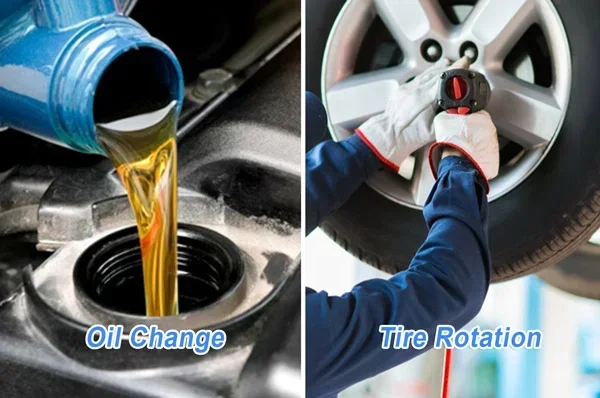
If your oil light is still glowing on the dashboard after an oil change, you need to know how to manually reset the oil light. This simple process takes just a few minutes and can save you a trip to the mechanic. Most drivers can do it themselves with no special tools or expensive equipment. We will walk you through every method step by step so you can handle it with confidence. By the end of this guide, you will feel completely comfortable resetting your oil light on any vehicle you drive.
The oil light is one of the most common dashboard warning lights drivers encounter. It can be frustrating when the light stays on even after you have changed your oil. Understanding why this happens and how to fix it is an essential part of vehicle maintenance. Whether you drive a sedan, truck, or SUV, the reset process is usually straightforward. Let us dive into the details and help you get that light turned off the right way.
Key Takeaways
- Multiple Reset Methods Exist: You can use the dashboard reset button, the ignition cycle, or the trip meter trick depending on your vehicle.
- It Takes Only Minutes: Most manual reset oil light procedures are quick and require no special tools or mechanic visits.
- Avoid Common Mistakes: Do not reset the light without checking your actual oil level first, as this can hide real engine problems.
- Brand-Specific Steps Differ: Ford, Toyota, Honda, and GM vehicles each have slightly different reset procedures you should follow.
- Know When to Seek Help: If the light comes back immediately or you notice other symptoms, a professional inspection is necessary.
- Regular Maintenance Matters: Following your oil change interval and keeping up with vehicle maintenance prevents most oil light issues.
📑 Table of Contents
Why Does the Oil Light Come On?
Before you learn how to manually reset the oil light, it helps to understand why it turns on in the first place. The oil warning light is not just a random annoyance. It is a safety feature built into your vehicle to protect your engine.
Understanding the Oil Warning Light
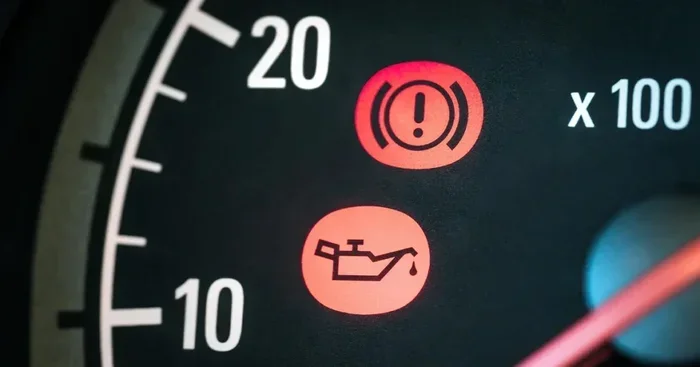
The oil change indicator on your instrument panel serves a very specific purpose. It alerts you when your car needs fresh oil or when the system detects a potential problem. There are two main reasons this light activates. First, your oil life monitor tracks driving conditions and estimates when the next oil change interval is due. Second, the oil pressure sensor may trigger the light if it detects low oil pressure, which can signal a serious issue.
When the oil level sensor detects that oil is below the recommended level, it sends a signal to the dashboard. This causes the yellow or red oil reminder to appear. In most cases, this simply means it is time for an oil filter change and a top-up or replacement of synthetic oil or conventional oil. However, if the light is red and flashing, that is a more urgent warning that requires immediate attention.
What Triggers the Oil Reminder System
Several factors can activate your oil change indicator. Here are the most common triggers:
- Time and Mileage: Most vehicles track miles driven since the last service. When you reach the recommended service interval, the light comes on.
- Driving Conditions: Short trips, stop-and-go traffic, and extreme temperatures can cause the oil life system to trigger earlier than expected.
- Low Oil Level: If oil has burned off or leaked, the oil level sensor will detect the drop and activate the warning.
- Oil Quality Degradation: Over time, oil breaks down and loses its lubricating properties. The oil life monitor accounts for this in its calculations.
- Oil Pressure Drop: A failing oil pump or clogged filter can reduce pressure and trigger the dashboard warning light.
Understanding these triggers helps you respond appropriately. Sometimes a simple reset procedure is all that is needed. Other times, the light points to a real problem that needs fixing first.
How to Manually Reset the Oil Light
Now that you understand why the light comes on, let us look at how to manually reset the oil light. Different vehicles use different methods, but most fall into three main categories. We will cover each one in detail.
Method 1: Using the Reset Button on the Dashboard
This is the most common method for newer vehicles. Many cars have a dedicated reset button located on the dashboard or steering column. Here is how to do it:
- Turn the ignition to the “ON” position without starting the engine. You should see the dashboard lights come alive.
- Locate the reset button. It is often near the speedometer or on the left side of the steering column.
- Press and hold the reset button. Keep holding it for about five to ten seconds.
- You should see the oil change indicator flash or blink on the display.
- Release the button, then turn the ignition off and back on again.
- The oil reminder should now be cleared from the display.
This reset procedure works on many Ford, Chevrolet, and modern Toyota models. If you are not sure where your reset button is, check your owner’s manual. It will have a diagram showing the exact location.
Method 2: The Ignition Cycle Method
Some vehicles do not have a dedicated reset button. In these cases, the ignition cycle method works well. This is a popular trick for older cars and certain models from Honda and Mazda.
- Turn the ignition key to the “OFF” position and make sure the engine is completely off.
- Press the gas pedal all the way to the floor and hold it there.
- While holding the pedal, turn the ignition key to the “ON” position (do not start the engine).
- Hold the pedal down for about ten to fifteen seconds.
- You should see the oil light on the instrument panel start to flash.
- Release the pedal and turn the ignition back to “OFF.”
- Start the engine. The oil warning light should now be off.
This method cycles the oil life system and clears the stored maintenance code. It is simple, fast, and does not require any special equipment.
Method 3: Using the Trip Meter Trick
Many vehicles, especially those from Toyota and Lexus, use the trip meter to reset the oil change indicator. Here is the step-by-step process:
- Turn the ignition to the “OFF” position.
- Locate the trip meter button on the instrument panel, usually near the speedometer.
- Press and hold the trip button while turning the ignition to the “ON” position.
- Keep holding the button for about ten seconds until the display shows a maintenance code.
- Release the button, then press and hold it again for another five seconds.
- The oil life monitor should reset to zero, and the oil reminder will disappear.
- Turn the ignition off, then start the engine to confirm the light is gone.
This trip meter trick is one of the easiest ways to manually reset the oil light on vehicles that use this system. It works reliably across many model years.
Comparison of Reset Methods
| Method | Best For | Time Required | Difficulty Level |
|---|---|---|---|
| Dashboard Reset Button | Newer vehicles with digital displays | 1-2 minutes | Easy |
| Ignition Cycle Method | Older cars without reset buttons | 2-3 minutes | Moderate |
| Trip Meter Trick | Toyota, Lexus, and select models | 2-3 minutes | Easy |
| OBD-II Scanner | Persistent lights or advanced systems | 5-10 minutes | Advanced |
If none of these methods work for your vehicle, an OBD-II scanner can help. This tool plugs into a port under your steering column and communicates directly with your car’s computer. Many auto parts stores will lend you one for free, or you can buy a basic model for under $30.
Reset Methods by Car Brand
Every car manufacturer has its own specific reset procedure for the oil change indicator. While the general methods above work for most vehicles, knowing brand-specific steps can save you time and frustration. Here is a closer look at how to manually reset the oil light on popular brands.
How to Reset the Oil Light on Ford Vehicles
Ford vehicles typically use the dashboard reset button method. For most Ford models, you simply press and hold the reset button on the instrument panel until the oil change indicator flashes. Then release it and cycle the ignition off and back on. The oil reminder should be cleared. On newer Ford models with digital displays, you may need to navigate through the steering wheel controls to find the maintenance reset option in the vehicle settings menu.
How to Reset the Oil Light on Toyota and Honda
Toyota and Honda vehicles often use the trip meter trick. For Toyota models, hold the trip meter reset button while turning the key to the “ON” position. For Honda vehicles, the ignition cycle method is usually the most effective. Simply hold the gas pedal to the floor while cycling the ignition from OFF to ON and back. The oil life monitor will reset automatically. Always refer to your owner’s manual for the exact steps for your specific model and year.
How to Reset the Oil Light on Chevrolet and GM Models
Chevrolet and GM vehicles generally use a combination of the dashboard button and ignition method. On most models, you press and hold the reset button on the instrument cluster while turning the key to the “ON” position. Hold it for about ten seconds until the display changes. Then release the button and turn the key off. When you restart the engine, the oil warning light should be gone. Some newer GM models allow you to reset the oil change interval through the infotainment system under the vehicle maintenance menu.
Common Mistakes When Resetting the Oil Light
Even though resetting the oil light is a simple process, mistakes can happen. Avoiding these common errors will save you time and protect your engine.
Resetting Without Checking the Oil Level First
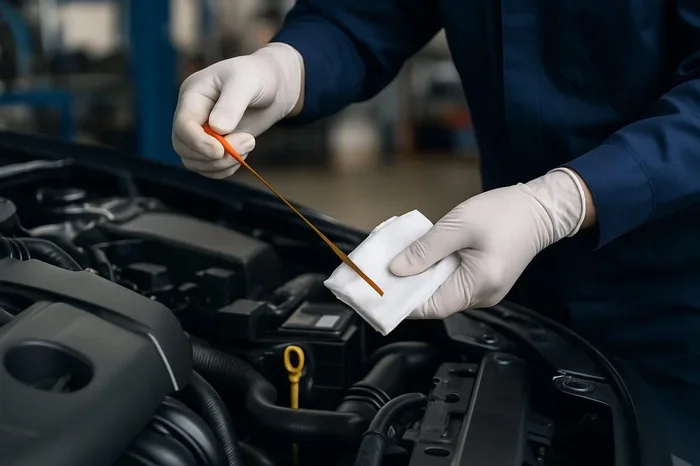
The biggest mistake drivers make is resetting the oil reminder without first checking whether the oil level is actually correct. If your oil is low, resetting the light simply hides the problem. This can lead to engine damage over time. Always use the dipstick to verify your engine oil level before performing any reset procedure. If the oil is low, add the correct type and weight of oil recommended by your manufacturer.
Ignoring Other Warning Lights
Sometimes the oil warning light appears alongside other dashboard warning lights. If you see a check engine light, a temperature warning, or an oil pressure symbol, do not just reset the light and drive away. These could indicate serious engine problems that need professional diagnosis. A flashing red oil light is especially urgent and should never be ignored.
Using the Wrong Reset Method
Not every method works for every vehicle. If you try the ignition cycle method on a car that uses the trip meter system, it will not work. Always look up the correct reset procedure for your specific make and model. Your owner’s manual is the best resource for this information.
Resetting Too Frequently
Some drivers reset the oil change indicator every time they get gas or take a short drive. This defeats the purpose of the oil life system. The indicator is designed to track your actual driving patterns and remind you when service is truly due. Reset it only after you have completed the oil change and verified the oil level is correct.
Quick Tips for Oil Light Maintenance
Keeping your oil light from coming on unnecessarily is all about regular care. Here are some practical car maintenance tips that help:
- Check your oil monthly: Make it a habit to check the dipstick every month. This keeps you aware of any drops in oil level before the oil level sensor triggers the warning.
- Use the right oil: Always use the oil grade recommended by your manufacturer. Using synthetic oil or conventional oil that does not match your engine can cause performance issues.
- Change oil on schedule: Follow the oil change interval in your owner’s manual. Do not wait for the light to come on if you are already overdue.
- Replace the oil filter: A clogged oil filter can reduce oil flow and trigger the oil pressure sensor. Always replace the filter with each oil change.
- Keep a maintenance log: Writing down your oil changes helps you track your service interval and stay ahead of reminders.
- Address leaks promptly: If you notice oil spots under your car, get them checked right away. Low oil from a leak is one of the most common reasons the oil reminder activates.
These small habits go a long way in preventing unexpected dashboard warning lights and keeping your engine healthy.
When to See a Mechanic Instead
There are times when manually reset the oil light is not enough, and professional help is needed. If you have followed the correct reset procedure and the light comes back within a few days, something is wrong. The same is true if the oil warning light is red rather than yellow, or if it flashes on and off repeatedly.
Other signs that you need a mechanic include strange engine noises, a burning smell from the engine bay, or visible oil leaks under the car. These symptoms suggest deeper problems like a failing oil pump, internal engine wear, or a faulty oil pressure sensor. In these cases, a reset procedure will not fix the underlying issue. A qualified mechanic can run diagnostics, check the oil life system, and perform any needed repairs safely.
Expert Insights on Oil Light Resetting
Experienced mechanics agree that understanding your oil life monitor is one of the most underrated skills for car owners. According to automotive experts, the oil change indicator is a helpful tool but should never replace regular manual checks. “The oil light is a reminder, not a substitute for awareness,” says certified mechanic James Rivera. “Drivers who check their oil regularly rarely get caught off guard by the oil reminder.”
Another expert tip is to always reset the oil change indicator immediately after completing an oil change. Waiting too long can cause the oil life system to recalibrate based on inaccurate data. This can throw off your next service interval and lead to confusion about when the next oil change is due.
Finally, keep in mind that some newer vehicles with advanced oil life systems may require a professional scan tool to fully reset the maintenance data. This is especially true for European brands like BMW, Mercedes-Benz, and Audi. If you own one of these vehicles, do not hesitate to visit a dealership or specialized shop for the reset procedure. The cost of a professional reset is minimal compared to the cost of engine damage from neglected oil changes.
Knowing how to manually reset the oil light empowers you as a driver. It saves time, money, and gives you confidence in handling basic vehicle maintenance tasks on your own.
Conclusion
Learning how to manually reset the oil light is one of the simplest and most useful skills you can develop as a car owner. Whether you use the dashboard reset button, the ignition cycle method, or the trip meter trick, the process is quick and straightforward. Always remember to check your actual oil level before resetting, and use the correct method for your specific vehicle brand. Avoid common mistakes like ignoring other warning lights or resetting too frequently. With the practical car maintenance tips in this guide, you can keep your oil change indicator under control and your engine running smoothly. Take a few minutes today to familiarize yourself with your vehicle’s reset procedure. Your future self will thank you the next time that oil reminder pops up on the dashboard.