How Does a Car Run When Low on Oil and Why It Matters
When your car is low on oil, it can still run for a short distance, but it risks severe engine damage. Low oil pressure means less lubrication, causing metal parts to grind and overheat. This guide explains exactly how a car runs when low on oil, the warning signs, and why you must address it immediately.
You are driving down the road, and suddenly the oil light flickers on. Your heart sinks. You wonder, how does a car run when low on oil? The truth is, a car can keep moving for a while even when the oil level drops. But that does not mean it is safe. Low oil means your engine is losing its protective cushion. Metal parts that should glide smoothly are now scraping against each other. This friction creates heat, wear, and eventually catastrophic failure. Understanding what happens inside your engine when oil runs low can save you from a breakdown and a huge repair bill.
Many drivers ignore the oil light or assume they can just add a little oil later. That is a risky habit. Oil pressure drops when the level falls, and the engine starts to starve. Even a few minutes of driving with insufficient oil can cause engine damage that costs thousands to fix. This article breaks down exactly what happens when oil is low, the signs you should never ignore, and how to keep your engine running strong. We will cover simple checks, common causes of low oil, and practical tips to protect your car.
Key Takeaways
- Oil is the lifeblood of your engine: Without enough oil, metal parts grind, heat builds up, and permanent damage can occur within minutes.
- Your car may run briefly on low oil: Many vehicles can still move for a short time, but this is a dangerous gamble that risks a seized engine.
- Warning signs are your best defense: The oil light, strange noises, and reduced performance all tell you that lubrication is failing.
- Regular checks prevent disaster: A simple dipstick test and timely oil changes keep your engine healthy and save thousands in repairs.
- Not all oils are equal: Synthetic oil offers better protection and longer life, but conventional oil still works if changed on schedule.
- Low oil often means a leak or excess consumption: Identifying the root cause stops the problem from returning.
📑 Table of Contents
What Happens When Oil Level Drops?
How Oil Lubricates Your Engine
Your car engine has hundreds of moving parts. Pistons move up and down, the crankshaft spins, and valves open and close hundreds of times per minute. All of these parts need a thin layer of oil between them. This lubrication reduces friction and prevents metal-to-metal contact. Clean oil also carries heat away from hot spots and picks up dirt and metal particles. The oil pump pushes oil through passages in the engine block and into the oil filter. The filter traps contaminants, and clean oil returns to the bottom of the engine, called the oil pan.
When the oil level drops, the pump cannot draw enough oil. The oil pressure falls, and the lubrication becomes thin or stops altogether. Parts that rely on a constant flow of oil begin to overheat. The bearings that support the crankshaft are especially vulnerable. Without oil, they can weld themselves to the crankshaft in just a few minutes. This is known as a seized engine, and it often means a complete engine replacement.
The Role of Oil Pressure
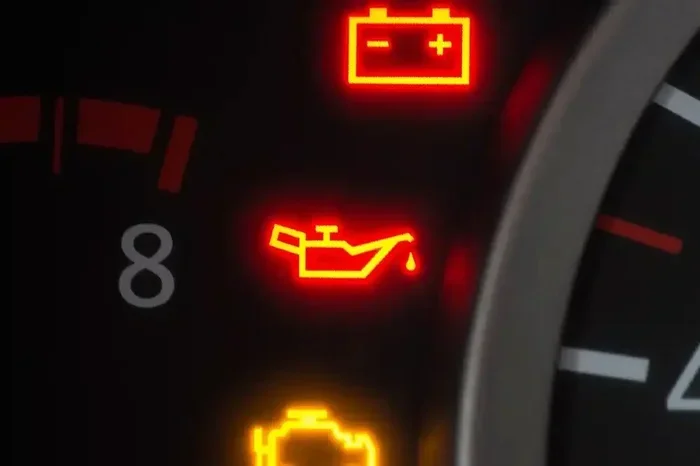
Oil pressure is the force that pushes oil through the engine. It is measured in pounds per square inch, or PSI. A healthy engine usually has between 25 and 65 PSI at idle, depending on the vehicle. The oil pressure sensor monitors this pressure and sends a warning to your dashboard. When oil is low, the pressure drops below the safe threshold. The sensor triggers the oil light, which looks like an old-fashioned oil can. Some cars also have an oil pressure gauge that shows the exact number. If you see the gauge drop or the light come on, you must stop safely and check the oil immediately.
Keep in mind that low oil pressure can also be caused by a failing oil pump or a clogged oil filter. But in most cases, low oil level is the first thing to check. A quick look at the dipstick can tell you a lot.
How Does a Car Run When Low on Oil
Short-Term Operation vs. Long-Term Damage
The short answer to how does a car run when low on oil is: it can run, but it should not. A car with slightly low oil may still start and drive. The engine might sound normal for a few minutes. However, the damage is already starting. Without enough oil, the piston rings and cylinder walls begin to wear. The camshaft lobes, which open and close the valves, can become scored. Tiny metal fragments mix into the oil, making it abrasive. This dirty oil circulates and causes more wear in a vicious cycle.
Some modern cars have an oil life monitor that tracks driving habits and estimates when an oil change is needed. This system can give you a heads-up before the oil level drops too low. But it is not a substitute for regular manual checks. If you are driving on a long trip and the oil level is low, you might notice the engine running hotter than usual. The temperature gauge may creep into the red zone. This is a clear sign that the engine is not being cooled properly by the oil.
The Oil Light and Warning Signs
The oil warning light is your most direct clue. When it turns on, it means the oil pressure is too low. Some cars have a separate low oil level warning that comes on when the oil in the reservoir is below the minimum mark. This light often looks like a genie’s lamp or drops of oil. Do not confuse it with the oil pressure light, which is usually red and shaped like an oil can. Both are serious, but low oil pressure means immediate danger. Pull over safely and turn off the engine.
If you ignore the light and keep driving, the engine may start to make loud clattering or knocking sounds. These noises come from the top of the engine, where the valve train operates. The oil pressure gauge may also drop to zero or near zero on the dashboard display. In some cases, the engine might stall unexpectedly. This happens because the oil pump cannot maintain flow, and the camshaft stops turning properly. At this point, the engine is already suffering severe oil starvation.
Warning Signs Your Car Is Running Low on Oil
Dashboard Alerts and Strange Noises
The first and most obvious sign is the oil light on the dashboard. But there are other clues that your oil level is dropping. Listen for unusual sounds. A healthy engine should run quietly. If you hear a ticking or tapping noise that gets louder when you accelerate, the oil may not be reaching the valve train. A deep knocking sound from the bottom of the engine is even worse. It often means the rod bearings are worn and the crankshaft is moving too much.
Another warning sign is a burning oil smell inside the car. This can happen when oil leaks onto hot engine parts like the exhaust manifold. You might also see blue or gray smoke coming from the tailpipe. This smoke means oil is getting into the combustion chamber and burning along with fuel. A low oil level can cause this if the oil is so low that it gets pulled into the engine past the piston rings.
Performance Changes to Watch For
Your car will tell you when something is wrong through its performance. If the oil is low, the engine may feel sluggish or hesitate when you press the gas pedal. You might notice a loss of power when climbing hills or carrying heavy loads. The engine oil pressure directly affects how smoothly the engine runs. When pressure drops, the variable valve timing systems in modern engines can malfunction, leading to rough idling or poor fuel economy.
Some drivers also notice that the engine takes longer to start, especially when cold. This happens because the oil is too thick or too low to flow quickly to the top of the engine. The starter motor has to work harder, and the engine may crank for a few extra seconds before catching. If you experience any of these symptoms, check your oil level right away.
Quick Tips for Spotting Low Oil Early
- Check the oil level with the dipstick every two weeks.
- Look for oil spots on your driveway or garage floor.
- Notice any new engine noises or changes in performance.
- Keep an eye on the oil pressure gauge if your car has one.
- Never ignore the oil light, even if the car seems to run fine.
What Causes Low Oil Levels?
Leaks and Consumption Issues
Oil does not just disappear on its own. A low oil level always has a cause. The most common reason is a leak. Oil can seep from the oil pan gasket, the oil filter seal, or the valve cover gasket. A worn oil drain plug washer can also let oil drip out slowly. Sometimes the leak is so small you do not see it on the ground, but the oil level drops over weeks. This is why regular checks are essential.
Another cause is oil consumption. Some engines burn small amounts of oil through the piston rings or valve seals. This is normal in older cars, but excessive consumption means something is worn. You might need to add oil between changes. If you find yourself adding oil every few hundred miles, have a mechanic inspect the engine. A blown head gasket can also cause oil to mix with coolant, leading to a drop in oil level.
Neglecting Oil Changes
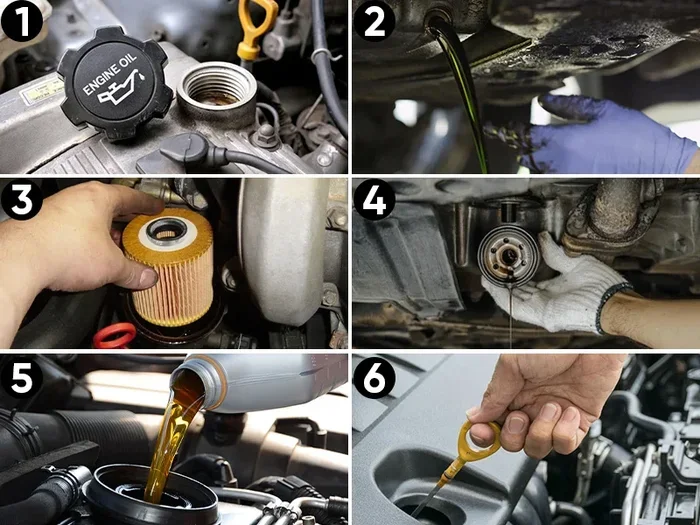
Over time, oil breaks down. Heat and contaminants cause the oil to thicken and form oil sludge. Sludge does not flow well, so it clogs passages and reduces oil pressure. The oil additives that keep the oil clean and protective also wear out. Old oil loses its ability to lubricate properly, even if the level is still full. This is why following the recommended oil change interval is so important. Most cars need an oil change every 5,000 to 7,500 miles, but check your owner’s manual for the exact schedule.
Using the wrong oil can also cause problems. For example, a very thin oil might leak out faster or fail to maintain pressure under high temperatures. Always use the oil viscosity grade recommended by your manufacturer, such as 5W-30 or 10W-40. The number on the bottle tells you how thick the oil is at different temperatures.
Common Mistakes That Lead to Low Oil
- Forgetting to check the oil level regularly.
- Overfilling the oil, which can cause foaming and pressure issues.
- Using the wrong oil type for your engine.
- Ignoring small leaks until they become big problems.
- Postponing oil changes past the recommended interval.
- Driving with the oil light on, even for a short distance.
How to Check and Top Up Your Oil
Step-by-Step Dipstick Check
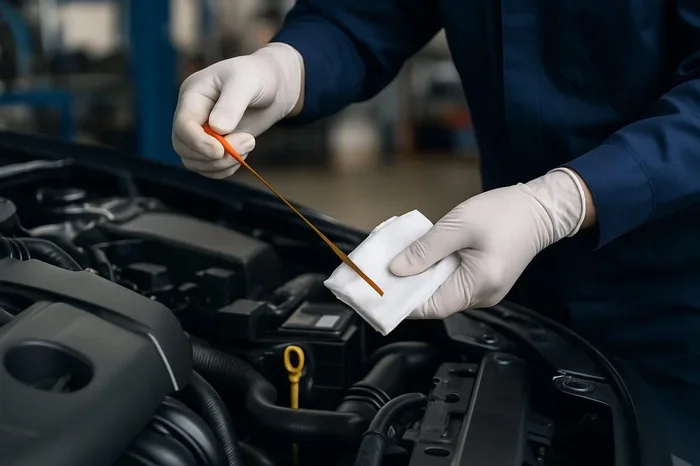
Checking your oil is one of the simplest things you can do for your car. Park on a level surface and wait a few minutes for the oil to settle. Pull out the dipstick, wipe it clean with a rag, and reinsert it fully. Pull it out again and look at the oil level. There are usually two marks on the dipstick: a minimum and a maximum line. The oil should be between these lines. If it is near or below the minimum, you need to add more oil.
While you have the dipstick out, look at the oil color. Fresh oil is amber or golden brown. Dark brown or black oil is old and needs to be changed. If the oil looks milky or frothy, it may have mixed with coolant, which is a serious problem. In that case, do not just add oil. Have a mechanic diagnose the issue.
Choosing the Right Oil
When you top up, always use the same type of oil your car uses. The owner’s manual will list the recommended oil viscosity and specifications. You can choose between conventional oil and synthetic oil. Synthetic oil is made in a lab and has fewer impurities. It flows better in cold weather and resists breakdown at high temperatures. Conventional oil is cheaper but needs to be changed more often.
If you are unsure, here is a quick comparison:
| Feature | Conventional Oil | Synthetic Oil |
|---|---|---|
| Cost | Lower | Higher |
| Change Interval | Every 3,000–5,000 miles | Every 7,500–10,000 miles |
| Cold Weather Flow | Good | Excellent |
| High Heat Protection | Moderate | Excellent |
| Best For | Older cars or budget driving | Modern engines and extreme conditions |
Even if you use synthetic oil, you still need to check the level regularly. No oil type can protect an engine that is completely dry.
Preventing Low Oil Problems
Regular Maintenance Schedule
The best way to avoid low oil issues is to stick to a maintenance schedule. Change your oil and oil filter at the intervals recommended by the manufacturer. Between changes, check the oil level at least once a month. Keep a small bottle of the correct oil in your trunk, especially if you drive long distances. This way, you can add oil safely if the level drops while you are on the road.
Inspect your car for leaks regularly. Look under the car for fresh oil spots. Check the oil filter and drain plug for tightness. If you notice a leak, get it repaired before it leads to a low oil situation. A small gasket repair costs much less than a new engine.
Expert Insight: Why Preventive Care Pays Off
Experienced mechanics often say that oil is the cheapest insurance you can buy for your engine. A few dollars spent on oil changes and top-ups can prevent repairs that cost thousands of dollars. When you neglect oil, you are not just risking a breakdown. You are shortening the overall life of your vehicle. A well-maintained engine with clean oil can last hundreds of thousands of miles. An oil-starved engine may die in half that time.
Quick Tips for Oil Health
- Set a reminder on your phone for oil checks every two weeks.
- Use a quality oil that meets the API certification for your engine.
- Never mix different oil brands or types unless absolutely necessary.
- Reset your oil life monitor after every oil change.
- Keep records of your oil changes and oil levels for future reference.
Conclusion
Understanding how a car runs when low on oil helps you become a smarter, safer driver. A car can run for a short time on low oil, but it is playing a dangerous game with your engine. Low oil pressure leads to increased friction, overheating, and eventually engine damage that could have been easily prevented. By paying attention to warning signs, checking your oil regularly, and staying on top of oil changes, you keep your engine healthy and your wallet happy.
Remember, oil is the lifeblood of your vehicle. Treat it with respect, and your car will reward you with years of reliable service. The next time you see that oil light flicker, do not ignore it. Pull over, check the level, and add oil if needed. Your engine will thank you for it.
Frequently Asked Questions
Can I drive my car if the oil light is on?
You should not drive any distance when the oil light is on. The light indicates that oil pressure is dangerously low. Driving even a short distance can cause the engine to seize. Pull over safely, turn off the engine, and check the oil level or call for roadside assistance.
How much oil does my car need?
The oil capacity varies by engine size and type. Most cars require between 4 and 6 quarts of oil. You can find the exact amount in your owner’s manual or on the oil fill cap under the hood. Always check the level with the dipstick after adding oil.
What happens if I overfill the oil?
Overfilling the oil can cause foaming, which reduces lubrication and oil pressure. Excess oil can also leak past seals and gaskets, creating a mess and potential fire hazard. If you overfill, drain the excess oil to bring the level back to the correct range on the dipstick.
How often should I check my oil level?
You should check your oil level at least once a month. It is also a good habit to check it before long trips. For the most accurate reading, check the oil when the engine is cool and the car is parked on a level surface.
Can low oil cause the check engine light to come on?
Yes, low oil can trigger the check engine light in some vehicles. The oil pressure sensor or the oil level sensor may send a signal to the car’s computer when the oil is too low. This can illuminate the check engine light along with the oil warning light. Always check the oil first when you see this light.
Is it okay to just add oil without changing it?
Adding oil is fine as a temporary fix when the level is low. However, it does not replace the need for a full oil change. Old oil breaks down and becomes contaminated over time. Fresh oil with new additives provides the best protection. Always follow the recommended oil change schedule for your vehicle.