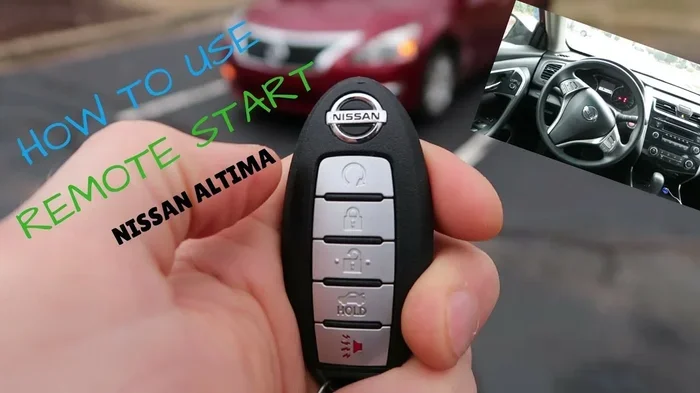
Why Isnt My Remote Start Working And How To Fix It
A remote start system that stops working can be frustrating, especially on cold mornings. The most common culprits include a dead key fob battery, a faulty starter relay, or a tripped anti-theft system. This guide walks you through every major reason your remote start might fail and gives you clear, step-by-step fixes to get your vehicle running again.
There’s nothing worse than stepping outside on a freezing morning, pressing the button on your key fob, and hearing nothing. Your remote start just sits there, silent. You wonder, why isn’t my remote start working? The good news is that most remote start problems have simple causes and even simpler fixes. Whether you have an aftermarket remote start or a factory-installed system, the reasons for failure tend to overlap. In this guide, we’ll cover every major reason your car won’t start remotely and give you the exact steps to fix each one.
Remote start systems have become a must-have feature for many drivers. They let you warm up your car in winter or cool it down in summer before you even step inside. But like any electronic system, they can break down or stop working unexpectedly. Understanding why your remote start isn’t working saves you time, money, and a lot of frustration. Let’s dive into the most common causes and how to solve them.
Key Takeaways
- Dead Key Fob Battery: A weak or dead battery in your fob is the #1 reason remote start fails.
- Tripped Anti-Theft System: Your car’s immobilizer may block the remote start if it senses an unauthorized signal.
- Faulty Starter Relay: A bad relay prevents the engine from turning over when you press the remote start button.
- Cold Weather Issues: Extreme temperatures can affect your remote car starter performance and battery life.
- Range and Signal Problems: Being too far from your vehicle or having signal interference can stop your remote start from working.
- Professional Help Needed: Some issues like a broken ignition module or engine control module fault require a certified mechanic.
📑 Table of Contents
Common Reasons Your Remote Start Isn’t Working
Before you panic or call a mechanic, let’s look at the most common reasons your remote car starter stops functioning. Most of these issues are easy to diagnose and fix on your own.
Dead Key Fob Battery
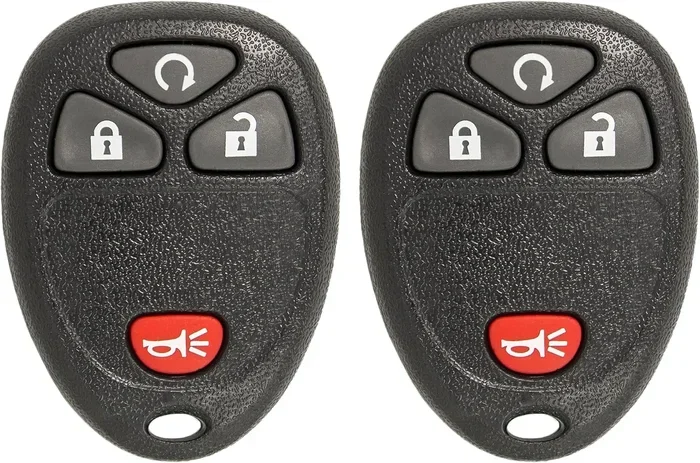
This is the number one cause of remote start failure. Your key fob runs on a small coin battery that typically lasts one to two years. When that battery dies, your fob can’t send a signal to your car’s engine control module. The result? Nothing happens when you press the remote start button.
Here’s how to know if your fob battery is the problem:
- The fob works at very close range but not from a distance
- You need to press the button multiple times for it to respond
- The fob lights up but the car doesn’t start
- Other fob functions like locking and unlocking also fail
Replacing the battery is simple and cheap. Most key fobs use a CR2032 coin cell battery. Open the fob casing, swap out the old battery, and snap it back together. You’ll be surprised how often this one fix solves the entire problem.
Tripped Anti-Theft System
Modern vehicles come equipped with an anti-theft system and a vehicle immobilizer. These security features are designed to prevent unauthorized engine starts. Sometimes, after a battery change or a reset, the system gets confused and blocks your remote start attempt.
Your car’s immobilizer uses a transponder key or a coded signal from your key fob. If the system doesn’t recognize the signal, it won’t allow the engine to turn over. This is a safety feature, but it can be a real headache when your remote start stops working.
To fix this, try these steps:
- Insert your physical key into the ignition and turn it to the “on” position
- Wait 10 to 15 seconds
- Turn the key back to “off”
- Try your remote start again
This simple reset often clears the anti-theft lockout and restores your remote start function.
Faulty Starter Relay
The starter relay is a small electrical switch that sends power to your car’s starter motor. When you activate your remote start, the relay clicks and allows current to flow. If the relay is bad, your engine won’t crank even though the system tries to start it.
Signs of a failing starter relay include:
- A clicking sound when you press the remote start button
- The engine doesn’t turn over at all
- The dashboard lights up but the engine stays dead
- Intermittent remote start failures
Replacing a starter relay is one of the more affordable repairs. You can find the relay in your car’s fuse box. Check your owner’s manual for the exact location. Swapping in a new relay takes just a few minutes.
Range and Signal Interference
Every remote car starter has a maximum range, typically between 500 and 1,500 feet. If you’re standing too far from your vehicle, the signal simply won’t reach. But sometimes, even when you’re standing right next to the car, the remote start won’t work.
Signal interference is often the hidden culprit. Large buildings, parking garage walls, and even other electronic devices can block or weaken your key fob’s signal. Here are some quick tips to improve your range:
- Stand closer to your vehicle when pressing the button
- Remove metal objects from your pocket that might block the signal
- Avoid using your remote start near large structures or power lines
- Check if other nearby vehicles with similar systems are causing frequency overlap
If you’ve noticed your remote start working better in open parking lots than in crowded garages, signal interference is likely the reason.
How to Diagnose Remote Start Problems
Now that you know the common causes, let’s talk about how to diagnose the problem. A systematic approach saves you time and prevents unnecessary trips to the auto parts store.
Check Your Key Fob First
Always start with the simplest explanation. Your key fob battery might just need a replacement. Test the fob by standing right next to your car and pressing the lock or unlock button. If it works from close range but not from a distance, the battery is probably weak.
If the fob doesn’t work at all, try replacing the battery first before moving on to more complex diagnostics. This one small step solves the problem in a large percentage of cases.
Test Your Car’s Electrical System
Your remote start depends on a healthy electrical system. A weak car battery can prevent the remote start from engaging properly. If your battery is more than three years old, have it tested at an auto parts store. Most stores offer free battery testing.
Also check your starter relay and ignition module. These components work together to make the remote start function possible. A fault in any one of them can break the entire chain.
Look for Dashboard Warning Lights
Your car’s dashboard is a goldmine of diagnostic information. If you see a security light or a check engine light when you try to remote start, pay attention. These warning lights often point directly to the problem.
A flashing security light usually means the immobilizer is active. A check engine light could indicate an issue with the engine control module or the remote start bypass module. Write down any warning lights you see and share them with your mechanic.
Cold Weather and Remote Start Issues
Cold weather is the enemy of remote start systems. If your remote start works fine in summer but fails in winter, you’re not alone. Temperature plays a huge role in how well your car starts remotely.
How Cold Affects Your Remote Start
Extreme cold affects your car battery’s ability to hold a charge. A battery that works perfectly in summer might struggle in sub-zero temperatures. The engine oil also thickens in cold weather, making it harder for the starter motor to turn the engine over.
Additionally, cold temperatures reduce the effectiveness of your key fob battery. A fob that works fine at 60 degrees Fahrenheit might fail completely at 10 degrees. This is why your remote start might work on a mild day but refuse to cooperate on a freezing morning.
Tips for Cold Weather Remote Start Success
- Keep your car battery less than two years old
- Use a battery blanket or engine block heater in extreme cold
- Replace your key fob battery before winter sets in
- Warm up your remote start car for at least 10 to 15 minutes before driving
- Park your car in a garage whenever possible
These simple habits can dramatically improve your remote start reliability during the coldest months of the year.
Fixing Remote Start Issues by Component
Once you’ve identified the general area of the problem, you can target your fix more precisely. Here’s a breakdown of how to address issues with specific components.
The Key Fob and Transponder
If your fob is the issue, start with a battery replacement. Use a quality CR2032 battery for best results. If the battery is new and the fob still doesn’t work, the fob itself might be damaged. Water damage, drops, and wear and tear can all destroy a key fob’s internal electronics.
In some cases, you may need to reprogram your key fob. Check your vehicle’s owner manual for reprogramming instructions. Many newer cars require you to follow a specific sequence of button presses to re-pair the fob with the car’s ignition system.
The Starter Motor and Relay
If the starter motor or relay is at fault, you’ll usually hear a clicking sound or nothing at all when you try to remote start. A bad starter relay is an inexpensive and easy fix. A bad starter motor requires more work and cost.
Here’s a quick comparison of the two:
- Starter Relay: Costs $10 to $30, easy DIY replacement, located in the fuse box
- Starter Motor: Costs $200 to $500, requires professional installation, located near the engine
Most of the time, the relay is the simpler fix. Try replacing the relay first before assuming the motor is the problem.
The Engine Control Module
The engine control module, or ECM, is the brain of your car’s engine management system. It controls fuel injection, ignition timing, and other critical functions. If the ECM has a fault code stored, it can prevent your remote start from engaging.
You can have the ECM scanned for trouble codes at most auto parts stores. If there’s a code related to the ignition system or the fuel system, addressing that code often restores your remote start function.
Aftermarket Remote Start Systems
If you have an aftermarket remote start installed, the problem might be with the installation itself. A poorly wired bypass module or a faulty remote start controller can cause all sorts of issues. Aftermarket systems are great, but they require proper installation to work reliably.
If you suspect your aftermarket system is the problem, check all wiring connections. Look for loose wires, corroded connectors, or damaged harnesses. Sometimes a simple reconnection fixes everything.
When to Call a Professional
Not every remote start problem is a DIY fix. Some issues require the expertise of a trained automotive technician. Here are situations where you should call a professional:
- Your car’s check engine light is on and you can’t clear the codes
- The starter motor makes grinding or whining noises
- Your remote start system was recently installed and stopped working
- You’ve replaced the fob battery and relay but the problem persists
- Your vehicle’s immobilizer won’t disengage after a reset attempt
A certified mechanic can run full diagnostic tests on your vehicle’s electrical system, ignition module, and engine control module. They have specialized tools that can pinpoint problems you can’t detect with basic troubleshooting. Sometimes spending a little money on a professional diagnosis saves you from buying the wrong parts or making things worse.
Also, if your car is still under warranty, DIY repairs might void the coverage. Check with your dealer before attempting any fixes on a newer vehicle.
Preventing Remote Start Problems
Prevention is always better than cure. A few simple habits can keep your remote start system working reliably for years.
Regular Maintenance Tips
- Replace your key fob battery every 12 to 18 months
- Have your car battery tested annually
- Keep your remote start system’s firmware updated if applicable
- Avoid exposing your key fob to extreme heat or moisture
- Have a professional inspect your remote start system once a year
Best Practices for Remote Start Users
- Always use your remote start within the recommended range
- Don’t leave your car running remotely for more than 15 to 20 minutes
- Make sure your car is in park before using remote start
- Keep spare key fob batteries on hand
- Read your vehicle’s manual for specific remote start guidelines
Following these tips keeps your remote car starter in top shape and prevents most common problems before they start.
Frequently Asked Questions
Why does my remote start work sometimes but not always?
Intermittent remote start failure usually points to a weak key fob battery or a failing starter relay. The signal might reach your car when you’re close but fail at greater distances. Replace the fob battery first, then check the relay if the problem continues.
Can a dead car battery prevent remote start from working?
Yes, absolutely. Your remote start system needs a healthy car battery to function. If your battery voltage drops below a certain threshold, the system won’t engage. Have your battery tested if you notice any sluggishness in your remote start performance.
How far can I be from my car when using remote start?
Most factory and aftermarket remote start systems work from 500 to 1,500 feet away. However, signal interference from buildings, walls, and other electronics can reduce that range significantly. Always check your specific system’s rated range in the owner’s manual.
Is it safe to use remote start in an enclosed garage?
No, it is not safe. Running your car engine in an enclosed space can lead to carbon monoxide buildup, which is extremely dangerous. Always use your remote start in a well-ventilated area and never in a closed garage.
How much does it cost to fix a remote start system?
Costs vary widely depending on the problem. A key fob battery replacement costs around $5 to $10. A starter relay replacement runs $10 to $30. More complex repairs like a starter motor or ECM issue can cost $200 to $500 or more. Always get a diagnosis before committing to a repair.
Can I install a remote start system myself?
While some experienced DIYers can install an aftermarket remote start, it’s generally recommended to have a professional handle the installation. Improper wiring can damage your vehicle’s electrical system, void your warranty, or create safety hazards. A professional installation ensures everything is wired correctly and works reliably.
Conclusion
Dealing with a remote start that won’t work is never fun, but most problems have straightforward solutions. The key is to start simple. Check your key fob battery first, then move on to the anti-theft system, starter relay, and signal range. Cold weather can also play a big role, so factor in seasonal changes when troubleshooting.
Understanding why your remote start isn’t working puts you in control. You can handle many fixes yourself and save money on mechanic visits. But don’t hesitate to call a professional when the problem goes beyond basic troubleshooting. A healthy remote start system makes every drive more comfortable and convenient.
Take care of your remote car starter with regular maintenance, and it will serve you well for years to come. Keep spare batteries handy, stay on top of your car’s electrical health, and you’ll rarely have to wonder why your remote start stopped working. Armed with the knowledge in this guide, you’re ready to tackle most remote start problems head-on and get back to enjoying the comfort of a pre-warmed or pre-cooled car.