How Often Should I Change Oil If I Dont Drive Much
If you don’t drive much, you still need to change your oil regularly. How often should I change oil if I don’t drive much? The answer is typically every six months or once a year, even if your mileage is low. Skipping oil changes can lead to engine damage from moisture buildup and oil degradation.
If you don’t drive much, you might assume your engine oil stays clean forever. That’s a risky assumption. How often should I change oil if I don’t drive much? The answer surprises many car owners. Even if your odometer barely moves, oil breaks down over time. Moisture accumulates. Contaminants build up. Skipping oil changes can lead to costly repairs. Understanding the real needs of a rarely driven car helps you protect your investment and avoid unexpected breakdowns.
Many drivers think low mileage means oil lasts longer. That’s only half true. Time, heat cycles, and exposure to air slowly degrade oil quality. The oil life system in your car may not account for infrequent use. This guide explains everything you need to know. You’ll learn about time-based schedules, hidden risks, and simple steps to keep your engine healthy. By the end, you’ll have a clear plan for your car’s oil change needs.
Key Takeaways
- Time matters more than miles: Oil breaks down over time, not just use. Even low-mileage cars need regular changes.
- Follow a six-month rule: Most experts recommend changing oil at least twice a year for rarely driven vehicles.
- Moisture and sludge are silent threats: Short trips and infrequent driving cause harmful condensation inside the engine.
- Synthetic oil offers better protection: It resists degradation longer and handles low-mileage use better than conventional oil.
- Check your owner’s manual: Manufacturer guidelines often include time-based intervals that many drivers overlook.
- Watch for warning signs: Dark, gritty oil or the oil change reminder light should never be ignored.
- A simple routine prevents costly repairs: Regular oil changes, fluid checks, and battery maintenance keep your car ready to go.
📑 Table of Contents
Why Low Mileage Doesn’t Mean No Oil Changes
It’s easy to believe that a car sitting in the garage needs no oil attention. The truth is different. Engine oil does more than lubricate moving parts. It absorbs heat, traps particles, and fights moisture. Over months, these jobs wear the oil down. Even without driving, the oil slowly loses its protective qualities.
The Truth About Time and Oil Degradation
Oil reacts with oxygen in the air. This process, called oxidation, thickens the oil and creates sludge. Heat cycles from short trips or engine warm-ups also break down the oil’s additives. Detergents and anti-wear agents lose their strength. The result is dirty, less effective oil that can no longer protect your engine. For low-mileage drivers, time is the biggest enemy.
A common mistake is waiting until the mileage hits the recommended change point. If you drive only 1,000 miles a year, that six-month oil change interval will arrive long before the mileage does. The oil is already old and tired. Changing it on a time schedule keeps your engine safe.
Quick Tips for Low-Mileage Drivers
- Set a calendar reminder: Mark your phone or dashboard for every six months.
- Check the oil color: Fresh oil is amber. Dark black oil means it’s time to change.
- Don’t ignore the oil life system: It tracks driving habits but may not reset for short trips.
- Keep records: Write down each oil change date and mileage. This helps spot patterns.
Common Mistakes to Avoid
One big mistake is topping off old oil instead of changing it. Topping up adds fresh oil to dirty oil, which doesn’t solve the problem. Another error is using the wrong oil viscosity. Your owner’s manual specifies the right weight. Using a different grade can reduce protection. Also, never skip the oil filter. A clogged filter lets dirty oil circulate through the engine.
Time-Based vs. Mileage-Based: Which Rule Wins?
Car manufacturers give two types of oil change guidance. Some say change every 5,000 or 7,500 miles. Others say change every six months or one year. For most drivers, mileage is the trigger. But for those who don’t drive much, time becomes the better rule.
Understanding Your Vehicle’s Oil Change Reminder
Many modern cars have an oil life system. This system tracks engine revolutions, temperature, and driving time. It estimates when the oil needs changing. The problem is it assumes regular driving. If you only take short grocery trips, the system may not register enough stress to trigger a change. The oil still degrades from moisture and oxidation. Relying solely on the reminder can leave old oil in the engine for too long.
When Mileage-Based Intervals Fall Short
Consider a car driven only 3,000 miles a year. The owner might think, “I can wait two years for an oil change.” That’s dangerous. The oil absorbs moisture every time the engine cools down. In a rarely driven car, the engine often doesn’t reach full operating temperature. This means moisture stays in the oil instead of evaporating. Over months, this water causes rust and sludge. Time-based changes prevent this buildup.
A Side-by-Side Comparison
| Factor | Mileage-Based Change | Time-Based Change |
|---|---|---|
| Best for | Regular, high-mileage drivers | Low-mileage or infrequent drivers |
| Trigger | Odometer reaches set miles | Calendar date (e.g., every 6 months) |
| Risk if ignored | Oil gets too dirty from contaminants | Oil degrades from oxidation and moisture |
| Oil life system | Works well with normal use | May not trigger for short trips |
| Typical interval | 5,000–10,000 miles | 6 months–1 year |
Expert Insights: What Mechanics Recommend
Most experienced mechanics advise a dual approach. Follow the mileage interval, but never exceed the time interval. If your car needs 7,500 miles but only 3,000 miles a year, change the oil every six months. This keeps the oil fresh and the engine protected. Many service centers offer low-mileage oil change packages that fit this schedule perfectly.
The Hidden Dangers of Driving Too Little
Driving too little sounds like a good problem. It’s not. Infrequent use creates unique problems that can damage your engine. Knowing these risks helps you take action before serious harm occurs.
Moisture Buildup and Sludge Formation
Every time you start your engine, condensation forms inside the crankcase. In a regularly driven car, the heat burns off this moisture. In a car that sits, the moisture mixes with the oil. This creates a milky, sludgy substance that clogs oil passages. Sludge restricts oil flow to vital engine parts. Over time, this leads to increased wear and potential engine failure.
Fuel Dilution: A Silent Engine Killer
Rare drivers often experience fuel dilution. When the engine doesn’t reach full temperature, unburned fuel leaks into the crankcase and mixes with the oil. This thins the oil dramatically. Thin oil can’t maintain a proper lubricating film between metal parts. The result is increased friction and accelerated wear. Fuel dilution also lowers the oil’s flash point, increasing the risk of engine knock.
Acid and Corrosion Inside the Engine
Oil contains additives that neutralize acids. Over time, these additives get used up. In a low-mileage car, the oil sits idle for long periods. Acids from combustion byproducts attack metal surfaces. Without fresh, neutralizing oil, bearings and cylinder walls can corrode. This is a slow process, but it happens faster than many drivers realize.
Quick Tip: How to Spot Early Warning Signs
- Check the oil dipstick monthly: Pull it out and look at the color and consistency.
- Smell the oil: A strong gasoline smell indicates fuel dilution.
- Look for milky residue: This signals water or coolant mixing with the oil.
- Listen for new noises: Ticking or knocking sounds can mean poor lubrication.
How to Tell When Your Oil Needs Changing
Even with a set schedule, you should know the signs that your oil needs attention. Visual checks and simple observations can catch problems early.
Visual Checks You Can Do at Home
Pop your hood and locate the dipstick. Pull it out, wipe it clean, reinsert it fully, then pull it out again. Fresh oil is translucent and amber. As it ages, it turns dark brown or black. If the oil looks like coffee grounds or feels gritty, it’s time for a change. Also, check the level. Low oil can indicate a leak or excessive burning, even in a rarely driven car.
The Oil Life System: Is It Reliable for Rare Drivers?
The oil life system is a helpful tool, but it has limits. It uses algorithms based on driving patterns like cold starts, idling, and trip length. For a car that rarely drives, the system may not register enough data to trigger a change. Some owners report the light staying off for over a year. Don’t rely on it alone. Use the system as a guide, but stick to a six-month maximum interval.
Sounds and Smells That Signal Trouble
Your car tells you when something is wrong. A louder engine idle or a ticking noise on startup often means the oil is too old or too thin. A burning smell from the engine bay can signal overheating oil. These signs should never be ignored. Pull over safely and check the oil level. If the oil is low or dark, schedule a change immediately.
Common Mistakes: Ignoring the Dipstick
Many drivers never check their oil between changes. For low-mileage cars, this is a big risk. Oil can leak slowly from gaskets and seals. The level drops without you noticing. A car running low on oil suffers increased wear. Make it a habit to check the dipstick every month. It takes less than a minute and can save you thousands in engine repairs.
Choosing the Best Oil for Infrequent Drivers
Not all oils are created equal. For a car that sits a lot, the right oil makes a big difference. The choice between synthetic and conventional oil is especially important.
Synthetic vs. Conventional Oil for Low Mileage
Conventional oil is refined from crude oil. It works well for regular driving but breaks down faster under stress. Synthetic oil is chemically engineered. It has uniform molecules that resist oxidation and thermal breakdown better. For low-mileage drivers, synthetic oil offers superior protection. It handles moisture better and maintains its viscosity longer. Many manufacturers now recommend synthetic oil for all vehicles, but it’s especially beneficial for cars that don’t drive often.
Viscosity Ratings and What They Mean
Viscosity refers to how thick or thin the oil is at different temperatures. The common rating is 5W-30 or 0W-20. The “W” stands for winter. A lower number means the oil flows better in cold conditions. For rarely driven cars, a lower winter viscosity helps the oil reach engine parts faster on startup. This is important because the first few seconds of driving cause the most wear. Check your owner’s manual for the recommended viscosity.
Additives That Protect Idle Engines
Modern oils contain packages of additives. Detergents keep engine parts clean. Anti-wear agents protect metal surfaces. Antioxidants slow oil breakdown. For infrequent driving, look for oils with strong detergent and antioxidant packages. Some oils are specifically formulated for low-mileage or seasonal use. These often contain extra seal conditioners to prevent leaks in cars that sit for long periods.
Quick Tip: Matching Oil to Your Driving Pattern
- Short trips only: Choose a full synthetic oil with high detergent levels.
- Seasonal driving: Consider a synthetic blend that handles both cold starts and warm weather.
- Garage-kept cars: Full synthetic oil with anti-oxidation additives provides the longest protection.
- Older vehicles: High-mileage synthetic oil can help condition seals and reduce oil consumption.
A Simple Maintenance Routine for Rare Drivers
Oil changes are just one part of keeping a low-mileage car healthy. A few extra steps ensure your vehicle stays ready to go whenever you need it.
Beyond Oil: Other Fluids to Monitor
Engine oil isn’t the only fluid that degrades over time. Coolant can become acidic and lose its anti-corrosion properties. Brake fluid absorbs moisture from the air, which lowers its boiling point. Transmission fluid also breaks down with age. For a rarely driven car, check all fluid levels and conditions at least twice a year. Replace fluids according to the owner’s manual time intervals, not just mileage.
Battery and Electrical System Care
A car that sits for weeks can develop a dead battery. The battery slowly loses charge even when the car is off. To prevent this, drive the car for at least 15 to 20 minutes every two weeks. This allows the alternator to recharge the battery fully. If the car will sit for months, consider a battery maintainer or trickle charger. Clean the battery terminals with a wire brush to prevent corrosion.
Tire and Brake Checks for Cars That Sit
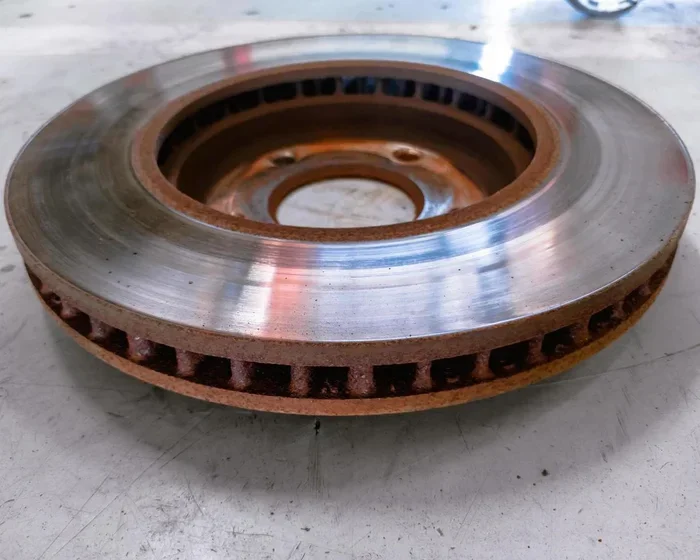
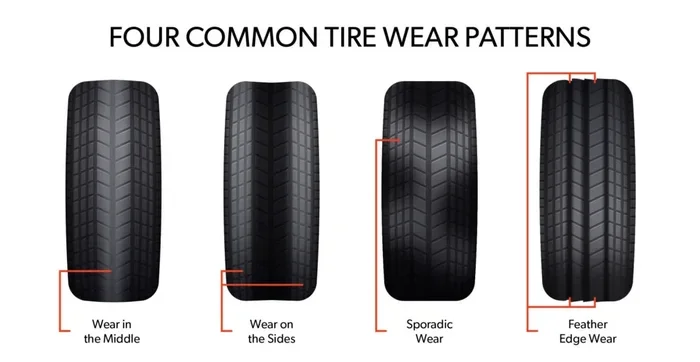
Tires lose air pressure over time, even without driving. Underinflated tires can develop flat spots or uneven wear. Check tire pressure monthly and keep them at the recommended PSI. Brakes can also rust on a car that sits. Driving regularly helps clean light surface rust off the rotors. If the car has been parked for a long time, inspect the brake pads and rotors before driving.
Building a Low-Mileage Car Care Calendar
Create a simple calendar for your car’s maintenance. Mark the dates for oil changes, fluid checks, battery drives, and tire pressure checks. Here is a sample schedule:
- Every 3 months: Check tire pressure and battery voltage.
- Every 6 months: Change engine oil and filter. Check all fluid levels.
- Every 12 months: Inspect brake pads, rotors, and coolant condition.
- Every 2 years: Replace brake fluid and coolant if recommended by the manufacturer.
Sticking to a calendar removes the guesswork. You’ll never wonder how often should I change oil if I don’t drive much, because your schedule will have the answer ready.
Final Thoughts
Taking care of a car that doesn’t drive much requires a different mindset. Mileage alone doesn’t tell the whole story. Time, moisture, and oil chemistry all play a role. How often should I change oil if I don’t drive much? The clear answer is at least every six months or once a year, whichever comes first. Pair this with a simple maintenance calendar, and your engine will stay strong for years. Don’t let infrequent driving trick you into skipping oil changes. A little prevention goes a long way toward avoiding big repair bills. Your car will thank you every time you turn the key.
Frequently Asked Questions
Can I just top off old oil instead of changing it?
Topping off adds fresh oil to dirty oil, which doesn’t solve the problem. The old oil still contains contaminants, moisture, and depleted additives. Always drain the old oil completely and install a new filter before adding fresh oil.
Is synthetic oil worth it for a car I rarely drive?
Yes, synthetic oil is especially beneficial for low-mileage vehicles. It resists oxidation and moisture better than conventional oil. It also maintains its viscosity longer, providing consistent protection even during long periods of sitting.
What happens if I don’t change my oil and the car sits for two years?
The oil will degrade significantly. Moisture and fuel dilution will thin the oil, while oxidation will create sludge. Running the engine with old oil can cause increased wear, overheating, and in severe cases, engine failure. Always change the oil before storing a car for a long period.
Does the oil life system work for cars that are driven less than 5,000 miles a year?
The oil life system is designed for regular driving patterns. It may not trigger a change for very low-mileage use because it doesn’t register enough engine stress. Treat the system as a guide, but follow a strict time-based schedule of every six months.
How can I tell if my oil has fuel dilution?
Fuel dilution often has a strong gasoline smell. The oil may also appear thinner than normal and fail to leave a sticky residue on the dipstick. If you suspect fuel dilution, have a mechanic test the oil or change it immediately to prevent engine wear.
What other fluids should I check on a car I don’t drive much?
Beyond engine oil, check the coolant, brake fluid, transmission fluid, and power steering fluid. All these fluids degrade over time, even without driving. Replace them according to the owner’s manual time intervals to keep your car in top condition.