How to Turn Off the Tire Pressure Light on Your Vehicle
Finding your tire pressure light on the dashboard can be stressful, but it is often a simple fix you can handle yourself. This guide walks you through the exact steps to turn off the tire pressure light, whether the cause is a temperature change, a slow leak, or a sensor issue. You will learn how to check your tire pressure, reset your TPMS, and know when it is time to visit a mechanic.
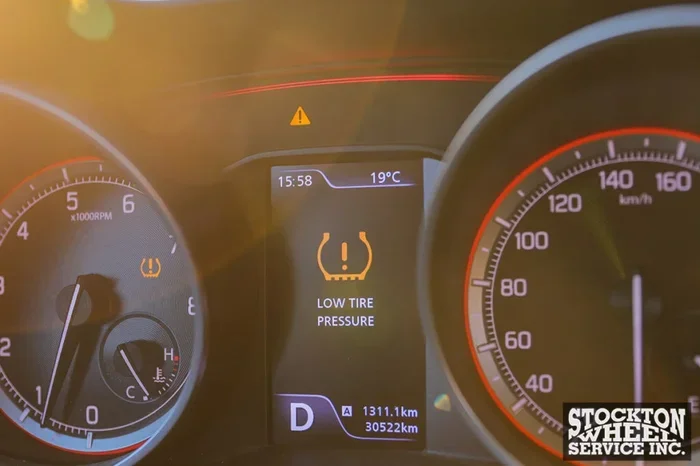
You are driving down the road, minding your own business, when suddenly a yellow light shaped like a horseshoe with an exclamation point pops up on your dashboard. Your heart sinks a little. What does it mean? Should you pull over right now? The good news is that a tire pressure light does not always mean you are in danger. Most of the time, it is a warning that one or more of your tires has low air pressure. And in many cases, you can fix the problem and turn off the tire pressure light yourself in just a few minutes.
In this guide, we will walk you through everything you need to know about the tire pressure monitoring system, why the light comes on, and exactly how to reset it. Whether you drive a sedan, a truck, or an SUV, the process is similar across most vehicles. We will also cover the times when you should skip the DIY approach and head straight to a mechanic. By the end of this article, you will feel confident handling this common car issue on your own.
Key Takeaways
- Understand the TPMS: Know what the tire pressure light means and why your vehicle activates it.
- Quick DIY Fixes: Step-by-step instructions to reset the light at home without special tools.
- Common Causes Identified: Learn the top reasons the light comes on, from temperature drops to slow leaks.
- When to Seek Help: Clear guidance on when a mechanic is needed versus a simple fix.
- Prevention Tips: Simple habits to keep the tire pressure light off for good.
- TPMS Myths Debunked: Separate fact from fiction about tire pressure monitoring systems.
📑 Table of Contents
- What Is the Tire Pressure Light and Why Does It Come On?
- Common Reasons Your Tire Pressure Light Turns On
- How to Turn Off the Tire Pressure Light: Step-by-Step Guide
- When to See a Mechanic Instead of DIY Fixes
- Preventing the Tire Pressure Light From Coming Back
- TPMS Myths Debunked
- Expert Insights on Tire Pressure Maintenance
- Key Takeaways
- Conclusion
What Is the Tire Pressure Light and Why Does It Come On?
Before you learn how to turn off the tire pressure light, it helps to understand what it actually does. The tire pressure monitoring system, or TPMS, is a safety feature built into your vehicle. It uses small sensors inside each tire (or sometimes on the valve stems) to measure the air pressure in real time. When the pressure drops below a safe level, the system triggers a warning on your dashboard.
The light usually looks like a horseshoe or a cross-section of a tire with an exclamation point in the center. It may also say “TPMS” in letters. There are two types of TPMS systems. Direct TPMS uses physical sensors inside each wheel. Indirect TPMS uses the wheel speed sensors from your anti-lock braking system to detect differences in tire size caused by low pressure.
Why the Light Matters
Driving on underinflated tires is dangerous. It reduces your grip on the road, especially in wet conditions. It also causes uneven tire wear, which means you will need to replace your tires sooner than you should. Underinflated tires can also lower your fuel economy, costing you more money at the pump. The TPMS exists to alert you before these problems become serious safety risks.
Sometimes the light comes on because of a simple reason, like a change in outdoor temperature. Other times, it signals a more serious issue like a puncture or a faulty sensor. Understanding the cause is the first step to turning the light off and keeping your vehicle safe.
Common Reasons Your Tire Pressure Light Turns On
The tire pressure light does not just appear randomly. There is almost always a reason behind it. Here are the most common causes why your TPMS light might activate:
- Temperature Drops: Cold weather causes the air inside your tires to contract. A sudden drop of 10 degrees or more can lower tire pressure enough to trigger the light. This is very common in fall and winter months.
- Slow Leaks: A small nail or screw in the tire can let air out slowly over days or weeks. You might not even notice the tire is flat until the light comes on.
- Punctures: A larger hole from a sharp object on the road will cause a rapid loss of pressure and almost always triggers the warning.
- Faulty TPMS Sensor: The sensor itself can fail or run out of battery. Most TPMS sensor batteries last between five and ten years. Once the battery dies, the sensor cannot send accurate readings.
- After a Tire Change: If you recently swapped tires or rotated them, the sensors may need to be recalibrated. The light often stays on until you complete a TPMS reset.
- Spare Tire Issues: If you have been driving on a compact spare tire, the pressure is usually much lower than a regular tire. The TPMS may flag this as a problem.
- System Malfunction: Sometimes the TPMS module itself has an electrical glitch. This is less common but does happen, especially in older vehicles.
Once you identify the cause, you can take the right action. If the light comes on right after a big temperature drop, simply adding air might be all you need. If you see a nail embedded in the tire, you will need a patch or plug before the light will go away for good.
How to Turn Off the Tire Pressure Light: Step-by-Step Guide
Now for the part you have been waiting for. Here is a detailed walkthrough of how to turn off the tire pressure light. Follow these steps in order for the best results.
Step 1: Check Your Tire Pressure with a Gauge
Do not skip this step. Before you do anything else, grab a tire pressure gauge and check all four tires, plus the spare if you have one. You can buy a basic digital gauge at any auto parts store for under fifteen dollars. It is a small investment that pays off quickly.
Look for the recommended tire pressure for your specific vehicle. You will find this information on a sticker inside the driver’s door frame, in the owner’s manual, or sometimes on the fuel door. Do not use the number printed on the tire itself. That number is the maximum pressure the tire can handle, not the recommended pressure for your vehicle.
Here is how to check your tire pressure properly:
- Remove the valve cap from the tire.
- Press the gauge firmly onto the valve stem.
- Read the number on the gauge.
- Compare it to the recommended PSI for your vehicle.
- Repeat for all four tires.
If any tire is below the recommended pressure, use an air compressor to fill it up. Most gas stations have air pumps available for a small fee or for free. Add air in short bursts and check the pressure frequently so you do not overinflate.
Step 2: Inflate Tires to the Correct Pressure
Once you know which tires are low, inflate them to the recommended PSI. If you have added air and the pressure is now correct, the tire pressure light may turn off on its own after you drive a few miles. Some vehicles need you to drive at speeds above 20 miles per hour for several minutes before the system recalibrates.
If the light does not go away after driving, do not worry. You will reset it in the next step.
Step 3: Locate the TPMS Reset Button
Most vehicles have a TPMS reset button somewhere in the cabin. The location varies by make and model. Here are the most common spots to look:
- Under the steering column
- On the left side of the dashboard, near the driver’s door
- In the glove box
- Near the gear shift or center console
- Inside the trunk near the spare tire
If you cannot find the reset button, check your owner’s manual. It will have a diagram showing the exact location. Some newer vehicles do not have a physical button. Instead, the TPMS reset is done through the infotainment screen. Go to the vehicle settings menu, look for “TPMS” or “Tire Pressure,” and follow the on-screen prompts to reset the system.
Step 4: Press and Hold the Reset Button
With the engine running but the vehicle parked, press and hold the TPMS reset button. Hold it for about three to five seconds until you see the warning light blink three times. Release the button. Turn the ignition off and then back on. The light should go off, or it may stay on for a short time while the system recalibrates.
For vehicles with infotainment-based TPMS reset, follow the on-screen instructions carefully. You will usually need to confirm the reset and then drive the vehicle for a few minutes for the system to relearn the correct tire pressure.
Step 5: Drive and Verify
After resetting the system, take the vehicle for a short drive. The TPMS needs to relearn the current tire pressure readings. After driving for about ten to fifteen minutes at normal speeds, check the dashboard. The light should be off. If it comes back on, there is likely an underlying issue that needs further attention.
Quick Tip: Keep your tire pressure gauge in the glove box. Checking your tire pressure once a month takes only five minutes and can prevent the TPMS light from coming on unexpectedly.
When to See a Mechanic Instead of DIY Fixes
There are times when turning off the tire pressure light yourself is not the right move. If you have checked all four tires and they are at the correct pressure, but the light stays on, something else is going on. Here are situations where you should call a professional:
The Light Flashes Instead of Stays Solid
A flashing TPMS light usually indicates a more serious problem. It often means a sensor has failed or there is a malfunction in the monitoring system itself. A flashing light should never be ignored. Take your vehicle to a mechanic as soon as possible.
The Light Comes Back Immediately After Resetting
If you reset the system and the light comes back on within a day or two, you likely have a slow leak or a damaged sensor. A mechanic can use a diagnostic tool to read the specific sensor codes and pinpoint the exact problem. Trying to reset the light repeatedly without fixing the root cause is not a good solution.
You Have Replaced a Sensor Recently
After replacing a TPMS sensor, the system needs to be reprogrammed to recognize the new sensor. This requires specialized equipment that most auto parts stores and tire shops have. You can also ask them to check the sensor battery level while you are there.
You Are Unsure About the Tire Pressure Readings
If you do not have a tire pressure gauge or you are not confident in your readings, it is perfectly fine to visit a tire shop. Most tire shops will check your pressure and reset the TPMS for free or for a very small fee. It is better to be safe than sorry when it comes to your tires.
Remember, the tire pressure light is a safety feature. Ignoring it or constantly resetting it without addressing the real problem can put you and your passengers at risk. Always prioritize safety over convenience.
Preventing the Tire Pressure Light From Coming Back
Once you have successfully turned off the tire pressure light, you probably want to keep it off. The good news is that regular maintenance can prevent most TPMS warnings from returning. Here are some simple habits that make a big difference:
- Check Tire Pressure Monthly: Set a reminder on your phone to check all four tires once a month. It only takes a few minutes and catches slow leaks early.
- Check Before Long Trips: Always inspect your tire pressure before a road trip. Long drives put more stress on tires, and proper inflation improves both safety and fuel economy.
- Check Tire Pressure When Cold: Tire pressure readings are most accurate when the tires are cold, meaning the vehicle has been parked for at least three hours. Driving heats up the air inside the tire and can give you a falsely high reading.
- Keep Valve Stems Caps On: The small rubber caps on your valve stems prevent moisture and dirt from getting inside the valve. Lost caps can lead to slow leaks over time.
- Replace TPMS Sensors When Needed: TPMS sensor batteries typically last five to ten years. If your vehicle is older and the light keeps coming on, it might be time to replace the sensors. Ask your mechanic to check the battery status during your next oil change.
- Rotate Tires Regularly: Following your vehicle’s recommended tire rotation schedule ensures even wear and helps the TPMS sensors last longer.
- Invest in a Good Tire Gauge: A quality digital tire gauge gives you accurate readings every time. Avoid the pencil-style gauges that are often free at gas stations. They are notoriously inaccurate.
These small habits add up over time. You will save money on fuel, extend the life of your tires, and avoid the frustration of dealing with a dashboard warning light.
TPMS Myths Debunked
There is a lot of misinformation out there about tire pressure monitoring systems. Let us clear up some of the most common myths so you can make informed decisions about your vehicle.
Myth 1: The TPMS Light Only Comes On When a Tire Is Completely Flat
This is not true. The TPMS light typically activates when tire pressure drops 25 percent or more below the recommended level. By the time the light comes on, your tire may already be significantly underinflated, even if it does not look flat. This is why regular manual checks are so important.
Myth 2: You Can Just Ignore the Light If the Tires Look Fine
Never ignore the TPMS light. Even if the tires look properly inflated to the naked eye, the pressure could be low enough to trigger the sensor. Underinflated tires affect handling, braking distance, and fuel efficiency, even when the tire looks fine from the outside.
Myth 3: Resetting the TPMS Light Fixes the Problem
Resetting the light does not fix the underlying issue. It simply clears the warning so the system can relearn current pressure readings. If the tire is actually low on air, the light will come back on once the system detects the problem again. Always address the root cause before resetting.
Myth 4: All TPMS Sensors Are the Same
TPMS sensors vary by vehicle make, model, and year. Some use batteries that are not user-replaceable. Others have replaceable batteries. The programming and frequency also differ between manufacturers. Always use the correct sensor for your specific vehicle.
Myth 5: You Do Not Need TPMS If You Check Your Tires Manually
While manual checks are a great habit, the TPMS provides an extra layer of protection. It monitors pressure continuously and alerts you instantly when something is wrong. Manual checks might miss a slow leak that happens overnight. The TPMS catches issues you might not notice until it is too late.
Expert Insights on Tire Pressure Maintenance
We spoke with several automotive experts to get their top tips for managing tire pressure and keeping the TPMS light off. Here is what they had to say:
Check your owner’s manual first. Every vehicle is different. The recommended tire pressure, TPMS reset procedure, and reset button location all vary by manufacturer. Your owner’s manual is the best place to start for accurate, vehicle-specific instructions.
Do not rely solely on the TPMS. The system is a backup, not a replacement for regular tire maintenance. The light only activates when pressure is significantly low. Checking your tires manually at least once a month catches problems much earlier.
Invest in a tire pressure monitoring app. Some aftermarket TPMS systems connect to your smartphone via Bluetooth. These apps give you real-time pressure readings for all four tires and can alert you to slow leaks before the dashboard light even comes on.
Seasonal changes are a common trigger. As the weather gets colder, your tire pressure drops. In the fall and winter, it is a good idea to check your tire pressure more frequently. A simple top-off of air can prevent the TPMS light from coming on during the coldest months.
Keep a log of your tire pressure readings. Tracking your readings over time helps you spot patterns. If you notice one tire consistently loses air faster than the others, it likely has a slow leak that needs professional attention.
Key Takeaways
- Know Your TPMS: The tire pressure monitoring system is a vital safety feature that alerts you when tire pressure drops too low.
- Check Pressure First: Always verify tire pressure with a gauge before attempting to reset the system.
- Reset Properly: Locate the TPMS reset button or use the infotainment system to complete a proper reset.
- Drive After Resetting: The system needs time and driving to recalibrate and confirm the new readings.
- See a Mechanic When Needed: Flashing lights, immediate reactivation, and sensor failures require professional diagnosis.
- Prevent Future Issues: Regular monthly checks, valve stem cap maintenance, and timely sensor replacement keep the light off.
- Do Not Ignore Myths: Understanding how TPMS actually works helps you make smarter decisions about tire care.
Conclusion
Dealing with a tire pressure light does not have to be a headache. With the right knowledge and a few basic tools, you can diagnose the problem, fix it, and reset the system in under thirty minutes. The key is to never just reset the light and ignore it. Always check your tire pressure first, address any underlying issues, and then reset the system properly.
Regular tire maintenance is the best way to keep the TPMS light from coming back. A few minutes of checking each month can save you from unexpected warnings, costly tire replacements, and most importantly, keep you safe on the road. Your tires are the only part of your vehicle that touches the road, so taking care of them should be a top priority.
Now that you know exactly how to turn off the tire pressure light, you are better equipped to handle this common car issue whenever it happens. Keep a tire pressure gauge in your glove box, stay on top of seasonal pressure changes, and remember that the TPMS light is there to protect you. Listen to it, respond quickly, and your tires and your vehicle will thank you.
Frequently Asked Questions
Can I drive with the tire pressure light on?
It is not recommended. Driving on underinflated tires reduces handling, increases stopping distance, and can cause a blowout at high speeds. If the light comes on, pull over safely and check your tire pressure as soon as possible.
How much does it cost to reset a TPMS light?
Resetting the TPMS light is often free if you do it yourself. Many tire shops and auto parts stores will reset it for no charge. If a sensor needs replacement, expect to pay between 50 and 100 dollars per sensor.
How long does a TPMS sensor battery last?
Most TPMS sensor batteries last between five and ten years. Once the battery dies, the sensor cannot transmit pressure data and the light will stay on. The entire sensor unit usually needs to be replaced when the battery dies.
What should I do if the TPMS light comes on in cold weather?
Cold weather causes air inside tires to contract, which can trigger the light. Check your tire pressure and add air to reach the recommended PSI. The light should turn off after you drive for a few miles and the system recalibrates.
Can I reset the TPMS light without a reset button?
Yes. Many newer vehicles allow you to reset the TPMS through the infotainment system. Go to the vehicle settings menu, find the TPMS option, and follow the on-screen instructions. Your owner’s manual will have specific steps for your vehicle.
Why does my tire pressure light come on even when my tires are fine?
This can happen when a TPMS sensor battery is dying, a sensor is damaged, or there is a temporary glitch in the system. Temperature changes can also cause brief activations. If the light persists despite correct tire pressure, have a mechanic run a diagnostic scan to check the sensors.