Is 2 Quarts of Oil Enough to Protect Your Car Engine
Adding 2 quarts of oil is a common question among car owners who want to keep their engine running smoothly. The answer depends on your vehicle type, engine size, and current oil level. This guide explains exactly when 2 quarts is enough, when it is not, and how to avoid costly engine damage.
You pop the hood, grab the dipstick, and see that your oil level is low. You head to the garage and find a quart container. Then another. Now you are standing there wondering, is 2 quarts of oil enough? It is a simple question, but the answer is not always straightforward. Whether you drive a small sedan or a bigger truck, the amount of oil your engine needs can vary a lot.
In this guide, we will walk through everything you need to know about 2 quarts of oil. You will learn how to check your oil level, when 2 quarts is plenty, when it is not enough, and how to keep your engine safe. We will also cover common mistakes people make with oil changes and top-ups. By the end, you will feel confident about what your car needs.
Key Takeaways
- 2 quarts often works for small cars: Many compact and mid-size vehicles need only 2 quarts for a top-up or partial change.
- Always check your dipstick first: Knowing your current oil level prevents overfilling or underfilling.
- Engine size matters a lot: Larger engines with more cylinders typically hold 5 to 8 quarts total.
- Watch for warning signs: Low oil pressure, engine noise, and warning lights mean you need more oil fast.
- Use the right oil type: Matching your oil viscosity and type protects your engine better.
- 2 quarts is not a fix for burning oil: If your car keeps losing oil, something deeper is going on.
- Your owner manual is the best guide: It tells you exact oil capacity and type for your specific model.
📑 Table of Contents
- What Does 2 Quarts of Oil Mean for Your Engine?
- How to Check If 2 Quarts Is Enough for Your Car
- What Happens When You Add Only 2 Quarts of Oil
- Common Reasons Cars Need Oil Top-Ups
- How to Add Oil the Right Way
- When 2 Quarts Is Not Enough: Signs of Bigger Problems
- How Often Should You Check Your Oil Level?
- Expert Insights on Oil Maintenance
- Key Takeaways
- Conclusion
What Does 2 Quarts of Oil Mean for Your Engine?
Let us start with the basics. A quart of oil is a unit of measurement used in the United States. One quart equals about 0.95 liters. Most car engines hold between 4 and 8 quarts of oil total. So when you add 2 quarts, you are adding roughly half of what a full engine might need.
But here is the thing. Not every engine needs a full change every time. Sometimes you just need a top-up. A top-up means adding oil to bring the level back up between full oil changes. This is where 2 quarts often comes in handy. For many cars, especially smaller ones, 2 quarts is the perfect amount to restore the oil level to the safe zone.
How Oil Capacity Varies by Engine Size
Engine size plays a big role in how much oil you need. A small 4-cylinder engine might only hold 3.5 to 5 quarts total. A larger V6 engine could need 5 to 7 quarts. And a big V8 truck engine might require 6 to 8 quarts or more.
Here is a simple way to think about it:
- 4-cylinder engines: Usually need 3.5 to 5 quarts total
- V6 engines: Typically need 5 to 7 quarts total
- V8 engines: Often need 6 to 8 quarts total
So if you have a 4-cylinder car and the oil is 2 quarts low, adding 2 quarts brings you back to full. But if you have a V8 and the oil is 2 quarts low, you are still not at the full mark. This is why knowing your oil capacity matters so much.
Why the Oil Viscosity Matters
You have probably seen numbers like 5W-30 or 10W-40 on oil bottles. These numbers refer to oil viscosity, which is just a fancy word for how thick the oil is. The right viscosity ensures your engine parts get proper engine lubrication at all temperatures.
Using the wrong oil type can cause problems even if you add the right amount. Always check your vehicle manual or the oil fill cap under the hood for the recommended oil type. If your manual says 5W-30, do not put in 10W-40 just because it was on sale.
How to Check If 2 Quarts Is Enough for Your Car
Before you pour any oil into your engine, you need to know where your level is right now. This is the most important step. Many people skip it and end up adding too much or too little oil. Let us fix that right now.
Step-by-Step Oil Check Process
Checking your oil level is easy and takes less than 5 minutes. Here is how to do it right:
- Park your car on level ground. This ensures an accurate reading. Do not check oil on a hill or ramp.
- Turn off the engine and wait a few minutes. This lets the oil settle back into the oil reservoir at the bottom of the engine.
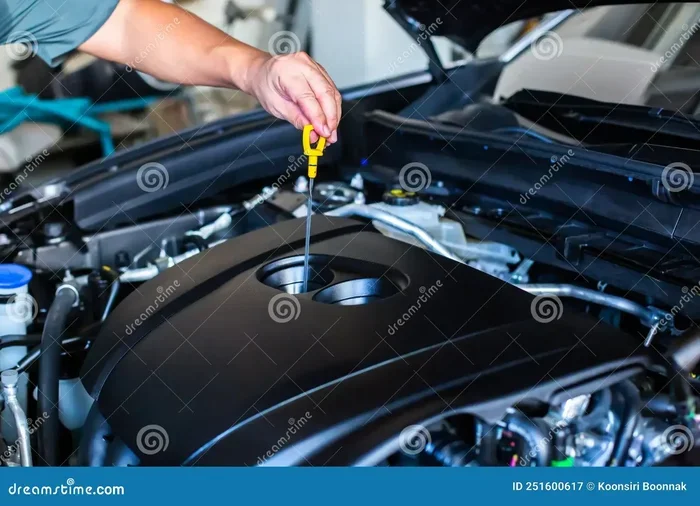
- Open the hood and locate the dipstick. It usually has a brightly colored handle, often yellow or orange.
- Pull the dipstick out, wipe it clean with a rag. Then push it all the way back in.
- Pull it out again and look at the oil level. You will see marks or holes on the dipstick that show the minimum and maximum levels.
If the oil level is near or below the minimum mark, you likely need to add oil. If it is between the min and max marks, you are good. If it is near the max, do not add more.
Reading the Dipstick Correctly
Many people misread the dipstick. The oil will stick to the dipstick above the actual level. That is why you wipe it clean first. After wiping and reinserting, the oil mark you see is the true level. Take your time with this step. Rushing leads to wrong readings, and wrong readings lead to wrong decisions about adding oil.
If you are unsure, look at your oil capacity chart in the owner manual. It will tell you exactly how much oil your engine holds. You can also search online for your specific car model and year plus the words “oil capacity.”
What Happens When You Add Only 2 Quarts of Oil
So you have added 2 quarts of oil to your engine. Now what? Let us talk about what happens in different scenarios and what you should expect.
The Good: When 2 Quarts Is Exactly What You Need
For many cars, especially smaller ones with 4-cylinder engines, 2 quarts brings the oil level right back to where it should be. Your oil pressure returns to normal. The engine runs smoothly. All the moving parts inside the engine get the lubrication they need. The oil filter also works properly because there is enough oil flowing through the system.
This is the ideal situation. You checked the dipstick, you knew how low the oil was, and you added just the right amount. Your engine stays protected, and you avoided both underfilling and overfilling.
The Risky: When 2 Quarts Is Not Enough
On the other hand, if your engine is very low on oil, adding only 2 quarts might not bring it back to the safe level. This is especially true for larger engines. If your oil level was below the minimum mark by a significant amount, 2 quarts might only get you partway back.
Running an engine with too little oil is dangerous. The moving metal parts inside the engine start grinding against each other without proper lubrication. This causes friction, heat, and eventually engine damage. In worst cases, a severely low oil level can cause a seized engine, which means the engine locks up and stops working entirely. That is a very expensive repair.
The Dangerous: Overfilling with Too Much Oil
It is also possible to add too much oil. If your engine only needed 1 quart and you added 2, you have overfilled it. Too much oil can cause foaminess inside the crankcase. This foam reduces the oil’s ability to lubricate properly. It can also cause oil to leak past seals and gaskets. In some cases, excess oil can even get into the combustion chamber and cause blue smoke from the exhaust.
This is why checking the dipstick before and after adding oil is so important. Add oil a little at a time, especially if you are close to the full mark.
Common Reasons Cars Need Oil Top-Ups
Why does oil get low in the first place? You just changed it a week ago, right? Well, several things can cause your oil level to drop between changes. Let us look at the most common reasons.
Normal Oil Consumption
Some cars naturally burn a small amount of oil over time. This is especially common in older vehicles or high-mileage cars. The engine has seals and gaskets that can allow tiny amounts of oil to seep past. A car that burns one quart of oil every 1,000 to 2,000 miles is often considered normal by manufacturers. But if you notice it happening faster, that is a red flag.
Oil Leaks
Oil leaks happen. They can come from the oil pan gasket, valve cover gasket, oil filter seal, or even a loose drain plug from a recent oil change. If you see oil spots under your car parked in the driveway, that is a sign of a leak. Even a small leak can drop your oil level over time.
Common leak spots include:
- Oil pan gasket: The seal between the oil pan and the engine block
- Valve cover gasket: The seal on top of the engine where the valve cover meets the engine
- Oil filter: If the filter is not tight or is old, it can leak
- Oil drain plug: The plug on the bottom of the oil pan where oil drains during a change
Worn Piston Rings or Valve Seals
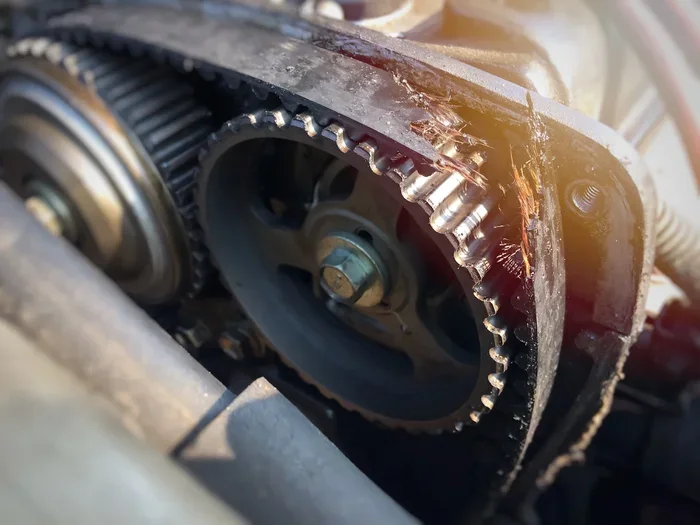
In more serious cases, low oil can be caused by worn internal engine parts. Piston rings and valve seals help keep oil where it belongs. When they wear out, oil can leak into the combustion chamber and burn along with fuel. This is called oil burning, and it is a bigger problem than a simple top-up can fix.
Signs of oil burning include blue or gray exhaust smoke, especially when you accelerate. If you notice this, get your car checked by a mechanic soon.
How to Add Oil the Right Way
Now that you know when 2 quarts is enough, let us talk about how to actually add oil safely. This is a simple DIY task that most car owners can do at home with basic tools.
What You Need
Before you start, gather these items:
- The correct type of oil for your car (check your manual)
- A clean funnel
- A clean rag or paper towel
- The oil fill cap location (check under the hood, it usually says “Oil Cap” or has an oil can symbol)
Step-by-Step Oil Addition
- Make sure the engine is cool. Wait at least 10 minutes after turning off the engine. Hot oil can splash and burn you.
- Open the hood and locate the oil fill cap. Twist it counterclockwise to remove it.
- Place the funnel in the opening. This prevents spills and keeps dirt out of the engine.
- Pour the oil slowly. Add about half a quart at a time if you are unsure of the level. Wait a minute between additions to let the oil settle.
- Check the dipstick after each addition. This prevents overfilling.
- Replace the oil fill cap tightly. Do not lose it or leave it off.
- Start the engine and let it run for 30 seconds. Then turn it off and wait 2 minutes before checking the dipstick one more time.
Quick Tip: Always record the date and oil amount when you add oil. This helps you track your oil consumption and spot problems early. Many car owners keep a simple log in the glove box or on their phone.
Choosing the Right Oil for Your Top-Up
Not all oils are the same. When you are adding oil between full changes, try to use the same brand and type you already have in the engine. Mixing different brands is usually fine in a pinch, but mixing different viscosities (like 5W-30 with 10W-40) can affect performance.
You have two main choices:
- Conventional oil: Affordable and works well for most standard driving conditions. Good for older cars with simpler engines.
- Synthetic oil: More expensive but offers better protection, lasts longer, and performs well in extreme temperatures. Many modern cars require synthetic oil.
If you are not sure which type your car needs, the vehicle manual has the answer. You can also ask a mechanic at your local auto parts store. Most will be happy to help you find the right oil for your car.
When 2 Quarts Is Not Enough: Signs of Bigger Problems
Sometimes, needing to add oil frequently is a sign that something is wrong. If you find yourself adding 2 quarts or more every few weeks, it is time to pay attention. Here are the warning signs that point to a bigger problem.
The Oil Warning Light
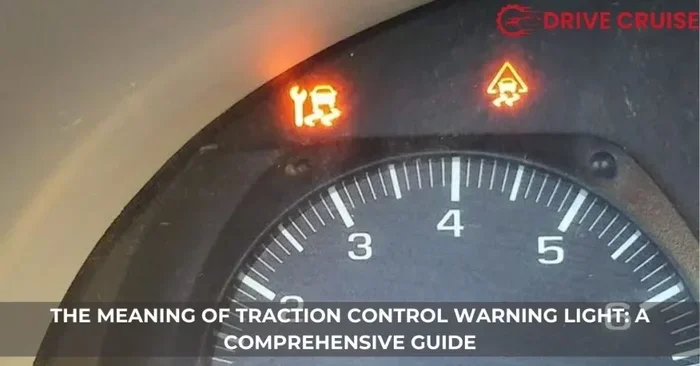
Every car has an oil warning light on the dashboard. It usually looks like an old oil can symbol. If this light comes on, it means your oil pressure is too low. This is a serious warning. Pull over safely, turn off the engine, and check your oil level immediately.
Driving with the oil light on can cause catastrophic engine failure within minutes. Do not ignore it. Do not keep driving to the nearest store. Stop and check the oil first.
Unusual Engine Noises
Your engine should run quietly and smoothly. If you hear knocking, ticking, or rattling sounds, it could mean the engine parts are not getting enough lubrication. Low oil causes metal-on-metal contact, and that creates noise you can hear from inside the cabin.
A ticking noise on a cold start is sometimes normal, especially in colder weather. But a persistent knocking sound is never normal. Get it checked out.
Smoke from the Exhaust
As we mentioned earlier, blue or gray exhaust smoke can mean oil is burning in the combustion chamber. This happens when oil leaks past worn seals or piston rings and gets into areas it should not be. If you see this type of smoke, especially when accelerating or climbing hills, your oil level may be dropping because the oil is being burned, not just leaking.
Oil That Looks Dark or Dirty
Fresh oil is amber or golden in color. As it ages, it turns dark brown or black. This is normal. But if your oil looks very dark and gritty, or if it has a burnt smell, it is past its prime. Dirty oil does not lubricate as well, which means your engine is not getting the protection it needs.
Regular oil changes are the best way to keep your oil clean and your engine healthy. Most manufacturers recommend changing oil every 5,000 to 7,500 miles for conventional oil and every 7,500 to 10,000 miles for synthetic oil. Check your manual for the exact recommendation for your car.
How Often Should You Check Your Oil Level?
Do not wait until the oil light comes on to check your oil. By then, it may already be too late. Make it a habit to check your oil level at least once a month. This is especially important for older cars or cars with higher mileage.
Some modern cars have electronic oil level sensors that show you the oil level on the dashboard display. If your car has this feature, still check it periodically with the dipstick to make sure the sensor is accurate.
The best time to check oil is in the morning before you start the engine. The oil has had time to settle, and the engine is cool. This gives you the most accurate reading.
Expert Insights on Oil Maintenance
Professional mechanics agree that most engine problems related to oil come down to two things: people do not check their oil often enough, and they ignore warning signs. Here is what the experts want you to know.
First, do not skip oil changes. Even if you drive fewer miles than the recommended interval, oil breaks down over time. It loses its ability to lubricate and protect engine parts. Old oil turns into sludge, which can clog oil passages and starve the engine of lubrication.
Second, do not wait until the oil is completely empty to add more. If your dipstick shows the oil level is at or below the minimum mark, add oil right away. Even a short drive with very low oil can cause damage to engine bearings and other internal components.
Third, keep a record. Track your oil additions, including the date, mileage, and amount added. If you notice you are adding oil more frequently over time, that is a clear sign something needs attention. Bring it to a trusted mechanic before it becomes a major repair.
Key Takeaways
- 2 quarts often works for small cars: Many compact and mid-size vehicles need only 2 quarts for a top-up or partial change.
- Always check your dipstick first: Knowing your current oil level prevents overfilling or underfilling.
- Engine size matters a lot: Larger engines with more cylinders typically hold 5 to 8 quarts total.
- Watch for warning signs: Low oil pressure, engine noise, and warning lights mean you need more oil fast.
- Use the right oil type: Matching your oil viscosity and type protects your engine better.
- 2 quarts is not a fix for burning oil: If your car keeps losing oil, something deeper is going on.
- Your owner manual is the best guide: It tells you exact oil capacity and type for your specific model.
Conclusion
So, is 2 quarts of oil enough? The short answer is: it depends on your car. For many smaller engines with 4 cylinders, 2 quarts is the perfect amount to bring your oil level back to where it should be. For larger engines, it may only be a partial top-up. The key is knowing your specific oil capacity and checking your dipstick regularly.
Taking care of your car engine does not have to be complicated. A few simple habits, like checking your oil monthly and adding oil when needed, can save you from expensive repairs down the road. And when you do need to add oil, 2 quarts is a safe and common amount for most vehicles as long as you are not overfilling.
Remember, your engine is the heart of your car. It deserves the right amount of clean, properly typed oil to keep it running strong. Stay on top of your oil level, watch for warning signs, and never ignore the oil warning light. A few minutes of attention today can save you thousands of dollars in engine repairs tomorrow.
Now that you know the answer to is 2 quarts of oil enough, you are better equipped to take care of your car. Grab that dipstick, check your level, and give your engine the care it deserves. Your car will thank you with many more miles of reliable service.
Frequently Asked Questions
Can I drive my car with only 2 quarts of oil if it needs more?
It depends on how low your oil level is. If the dipstick shows the level is below the minimum mark, driving even a short distance can cause engine damage. Always check your oil level before driving and add oil if needed. If you are unsure, do not start the car until you have topped up the oil to the proper level.
How do I know if my car needs a full oil change or just a top-up?
Check your dipstick and the oil color. If the oil is dark and gritty or if it has been more than 5,000 to 7,500 miles since your last oil change, you likely need a full change. If the oil looks clean but the level is low, a top-up with 1 or 2 quarts should do the job. When in doubt, consult your owner manual or a trusted mechanic.
What happens if I put too much oil in my engine?
Overfilling causes the oil to foam, which reduces its ability to lubricate properly. It can also cause oil leaks past seals, blue exhaust smoke, and in severe cases, damage to the crankshaft and bearings. If you overfill, drain the excess oil carefully or take the car to a mechanic to have it corrected safely.
Is 2 quarts of oil enough for an oil change on a sedan?
For many sedans with 4-cylinder engines, 2 quarts can be enough for a partial oil change if the old oil was only partially drained. However, a full oil change usually requires the total oil capacity listed in your owner manual. Always drain the old oil completely and refill with the full recommended amount for a proper oil change.
How long can an engine run on low oil before damage occurs?
Even a few minutes of driving with very low oil can cause damage. Engine bearings and other internal parts rely on a constant flow of oil for lubrication. Running on low oil for even a short trip can lead to overheating, scoring, and permanent engine damage. Always maintain the proper oil level and never ignore the oil warning light.
What type of oil should I use for a top-up if I already have 2 quarts in my engine?
Use the same oil type and viscosity that is already in your engine. Check your owner manual or the oil fill cap for the recommended specification. If you cannot remember what type you used, stick with the manufacturer’s recommended oil, which is usually listed in the vehicle manual. Mixing different viscosities occasionally is not ideal but is better than running with low oil.