What Happens If You Dont Change Your Spark Plugs
Ignoring your spark plugs can wreck your engine, kill your fuel economy, and leave you stranded. Worn spark plugs cause misfires, rough idling, hard starts, and serious long-term damage. This guide breaks down exactly what happens when you skip spark plug replacement and how to avoid expensive repairs.
Your car depends on tiny components to run right. Spark plugs are one of the most important parts in your engine. They create the spark that ignites the air-fuel mixture in each cylinder. Without a strong spark, your engine simply cannot perform the way it should.
So what happens if you dont change your spark plugs? The short answer is bad news. Your engine starts to suffer. Fuel economy drops. Performance weakens. And eventually, you could face repairs that cost hundreds or even thousands of dollars. Many car owners ignore spark plugs until something goes wrong. That is a mistake that can be easily avoided.
This article walks you through every consequence of skipping spark plug replacement. You will learn how worn plugs affect your daily driving. You will understand the long-term risks. And you will see why staying on top of this simple maintenance task saves you time, money, and stress. Let us break it down.
Key Takeaways
- Engine Damage: Old spark plugs can cause misfires that damage your ignition coil, catalytic converter, and pistons over time.
- Poor Fuel Economy: Worn electrodes waste fuel because combustion becomes incomplete and inefficient.
- Hard Starting: Degraded spark plugs struggle to ignite the air-fuel mixture, especially in cold weather.
- Rough Idle: Your engine will shake, stall, or run unevenly when spark plugs are past their lifespan.
- Higher Emissions: Bad spark plugs increase harmful exhaust emissions and can cause your car to fail an emissions test.
- Costly Repairs: Small spark plug replacements cost far less than fixing the engine damage they can cause if ignored.
- Easy Prevention: Regular spark plug changes every 30,000 to 100,000 miles keep your engine running smooth and save you money.
📑 Table of Contents
- How Spark Plugs Work and Why They Wear Out
- What Happens If You Dont Change Your Spark Plugs Early
- Poor Fuel Economy and Engine Performance
- Long-Term Engine Damage From Ignored Spark Plugs
- How Bad Spark Plugs Affect Your Exhaust Emissions
- Signs It Is Time to Replace Your Spark Plugs
- Quick Tips for Spark Plug Maintenance
- Common Mistakes People Make With Spark Plugs
- Cost of Replacing Spark Plugs vs. Cost of Ignoring Them
- Conclusion
How Spark Plugs Work and Why They Wear Out
Before we dive into the problems, it helps to understand how spark plugs function. Each cylinder in your engine has its own spark plug. When the ignition system sends voltage to the plug, it creates a tiny electrical arc across the gap. This spark ignites the compressed air-fuel mixture. That explosion pushes the piston down and creates power.
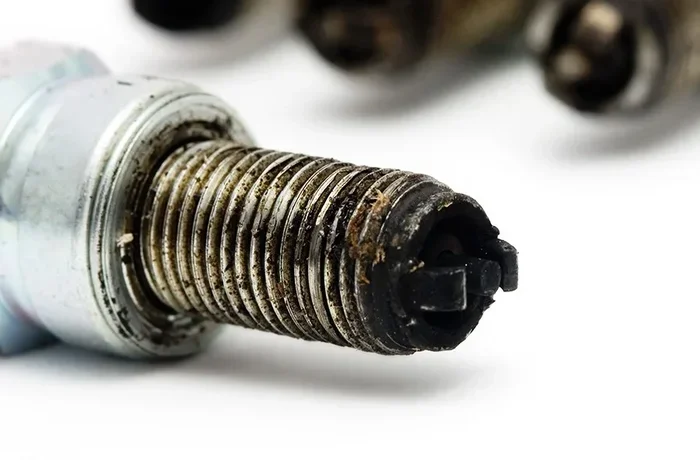
Over time, the electrode on each spark plug erodes. The gap between the center and side electrode widens. Carbon buildup coats the firing end. The insulating material can crack or degrade. All of these changes reduce the strength and consistency of the spark. When the spark weakens, combustion suffers.
The Role of the Electrode
The electrode is the part that actually produces the spark. As it wears down, the gap gets wider. A wider gap requires more voltage to jump across. Eventually, your ignition coil cannot produce enough voltage. The spark becomes weak or inconsistent. This is the beginning of the problems that follow.
Types of Spark Plugs and Their Lifespan
Not all spark plugs last the same amount of time. Copper spark plugs typically need replacement every 20,000 to 30,000 miles. Platinum plugs can last up to 60,000 miles. Iridium plugs often go 100,000 miles or more. The type of plug you have determines how often you need to change them. Check your owner manual for the recommended maintenance schedule.
| Spark Plug Type | Average Lifespan | Common Use |
|---|---|---|
| Copper | 20,000 – 30,000 miles | Older vehicles, high-performance engines |
| Platinum | 60,000 – 80,000 miles | Most modern vehicles |
| Iridium | 80,000 – 120,000 miles | Late-model cars, premium applications |
What Happens If You Dont Change Your Spark Plugs Early
Ignoring worn spark plugs leads to a chain reaction of problems. Each issue builds on the last. What starts as a minor annoyance quickly becomes a serious engine concern. Here are the first signs you will notice.
Engine Misfires
The most common symptom of bad spark plugs is an engine misfire. A misfire happens when one or more cylinders fail to ignite the air-fuel mixture properly. You will feel a jerking or stumbling sensation while driving. The engine may sound rough or uneven. Misfires put extra stress on the catalytic converter and other exhaust components.
Rough Idle
A rough idle is another early warning sign. When your car is stopped at a light or in traffic, the engine may shake or vibrate. It might stall unexpectedly. This happens because the worn spark plugs cannot create a consistent spark across all cylinders. The idle air control system struggles to compensate for the uneven combustion.
Hard Starting
Starting your car becomes a chore with old spark plugs. The weakened spark struggles to ignite the fuel, especially in cold or damp conditions. You might turn the key several times before the engine catches. In severe cases, the car simply will not start at all. This is one of the most frustrating problems to deal with on a busy morning.
Poor Fuel Economy and Engine Performance
One of the most noticeable effects of worn spark plugs is a drop in fuel economy. When the spark is weak or mistimed, combustion becomes incomplete. Some fuel does not burn fully. That unburned fuel exits through the exhaust. You end up wasting gas and money every time you drive.
How Much Fuel Can You Lose?
Studies show that bad spark plugs can reduce fuel efficiency by 20 to 30 percent. That is a significant drop. If your car normally gets 30 miles per gallon, you could be losing 6 to 9 mpg. Over thousands of miles, that adds up to a lot of extra trips to the gas station.
Loss of Power and Acceleration
Worn spark plugs also rob your engine of power. You may notice sluggish acceleration when you press the gas pedal. The engine feels weak or unresponsive. Towing a trailer or climbing a hill becomes even harder. This happens because incomplete combustion means less energy from each explosion in the cylinders.
Engine Knocking and Pinging
Another problem caused by bad spark plugs is engine knock. You will hear a rattling or pinging sound, especially under load. This occurs when the air-fuel mixture ignites prematurely or unevenly. Engine knock can cause serious internal damage if it continues over time. It is not a sound you should ignore.
Long-Term Engine Damage From Ignored Spark Plugs
If you continue driving with worn spark plugs, the damage goes far beyond performance issues. The problems spread to other expensive engine components. What starts as a $50 repair can turn into a $1,000+ repair job.
Catalytic Converter Failure
The catalytic converter is one of the most expensive parts to replace. Unburned fuel from misfiring cylinders enters the exhaust system. This raw fuel overheats the catalytic converter and causes it to break down. A failed catalytic converter means a very expensive repair bill. Keeping your spark plugs fresh is one of the easiest ways to protect it.
Ignition Coil Damage
Your ignition coil generates the high voltage needed for the spark. When spark plugs are worn, the coil has to work harder to bridge the wider gap. This extra strain causes the ignition coil to overheat and fail. Replacing an ignition coil costs significantly more than replacing a set of spark plugs. And if one coil fails, others may follow soon after.
Carbon Buildup in the Combustion Chamber
Incomplete combustion leaves carbon deposits inside the combustion chamber. These deposits build up on the valves, pistons, and cylinder walls. Over time, carbon buildup reduces compression and affects engine efficiency. In severe cases, it can cause valve sticking or piston ring damage. Cleaning carbon buildup is an expensive and time-consuming process.
Oxygen Sensor Damage
Unburned fuel also reaches the oxygen sensors in your exhaust system. The sensors get coated in fuel residue and lose their accuracy. A faulty oxygen sensor sends wrong data to the engine computer. This causes the fuel mixture to run rich or lean. The cycle of poor combustion continues and gets worse.
How Bad Spark Plugs Affect Your Exhaust Emissions
Worn spark plugs do not just hurt your engine. They also harm the environment. Incomplete combustion produces higher levels of harmful emissions. Your car releases more hydrocarbons, carbon monoxide, and nitrogen oxides into the air.
Emissions Test Failures
If your state requires emissions testing, bad spark plugs are a common reason for failure. The unburned fuel and inconsistent combustion push pollutant levels above legal limits. Passing an emissions test with worn spark plugs is nearly impossible in many cases. Replacing the plugs is usually the first fix a mechanic will try.
The Environmental Impact
Every vehicle contributes to air pollution. But poorly maintained engines pollute significantly more. By simply changing your spark plugs on schedule, you reduce your car’s environmental footprint. It is a small maintenance task with a real impact. Clean combustion means cleaner exhaust and healthier air for everyone.
Signs It Is Time to Replace Your Spark Plugs
Knowing the warning signs helps you catch problems early. Do not wait until your engine is seriously damaged. Watch for these common symptoms.
- Difficulty starting the engine – The car turns over slowly or requires multiple attempts.
- Rough or uneven idling – The engine vibrates or sounds shaky when stopped.
- Engine misfires – You feel jerking or hesitation during acceleration.
- Reduced fuel economy – You notice you are filling up more often than usual.
- Sluggish acceleration – The car feels slow or unresponsive when you press the gas.
- Engine knocking sounds – You hear pinging or rattling under load.
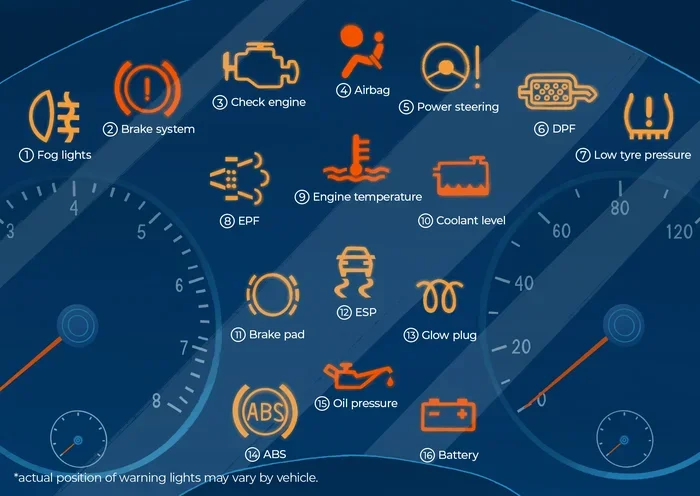
- Check engine light – The dashboard warning light comes on due to misfire codes.
- Difficulty starting in cold weather – Old plugs struggle more in low temperatures.
If you notice any of these signs, get your spark plugs checked right away. A simple inspection can tell you if they need replacing. Many mechanics will check the plugs during an oil change or routine service. It costs very little and can save you from major headaches.
Quick Tips for Spark Plug Maintenance
Taking care of your spark plugs is simple. Follow these practical tips to keep your engine running strong.
- Follow the manufacturer’s maintenance schedule. Check your owner manual for the recommended replacement interval. Different plug types have different lifespans.
- Inspect plugs during regular service. Ask your mechanic to check the spark plug condition at every oil change. Early detection prevents bigger problems.
- Replace all plugs at once. Do not change just one plug. Replace the full set to ensure consistent performance across all cylinders.
- Use the correct spark plug type. Always use the plug grade recommended by your vehicle manufacturer. The wrong plug can cause performance issues.
- Check the spark plug gap. The gap between electrodes must be set correctly. Too wide or too narrow affects spark quality. Use a feeler gauge to verify the gap.
- Look for signs of damage. Inspect the plug for cracks, fouling, or excessive wear. These signs tell you the plug needs immediate replacement.
- Address problems early. Do not ignore symptoms like misfires or rough idling. The sooner you fix the issue, the less damage occurs.
Expert Insight: Many experienced mechanics recommend replacing spark plugs a few thousand miles before the official replacement interval. This proactive approach ensures you never deal with a surprise failure. It is a small investment that pays off in reliability and engine longevity.
Common Mistakes People Make With Spark Plugs
Even car owners who care about maintenance can make mistakes. Here are the most common errors that cause spark plug problems.
Waiting Too Long to Replace Them
The biggest mistake is simply ignoring the replacement schedule. Some people push spark plugs far past their recommended lifespan. They think “if it is not broken, do not fix it.” But spark plugs wear out gradually. By the time you notice symptoms, damage may already be happening to other engine parts.
Using the Wrong Spark Plug Type
Not all spark plugs are interchangeable. Using the wrong type affects combustion efficiency. It can also cause pre-ignition or detonation. Always match the plug to your vehicle specifications. The part number is listed in your owner manual or on a parts catalog.
Improper Installation
Installing spark plugs incorrectly causes just as many problems as worn plugs. Over-tightening can strip threads in the cylinder head. Under-tightening lets combustion gases escape. Always use a torque wrench to tighten plugs to the manufacturer’s specification. Thread lubricant or anti-seize compound can also help with proper installation.
Ignoring Related Components
Spark plugs do not work alone. The ignition coil, plug wires, and ignition module all play a role. Replacing plugs while ignoring a failing ignition coil wastes money. Address the entire ignition system when performing maintenance. This ensures everything works together properly.
Cost of Replacing Spark Plugs vs. Cost of Ignoring Them
The cost comparison speaks for itself. A set of spark plugs typically costs between $20 and $100 depending on the type and vehicle. Professional installation adds another $50 to $150. The total is usually under $200.
Now consider the cost of ignoring them. A catalytic converter replacement runs $500 to $2,500. An ignition coil replacement costs $150 to $300 per coil. Engine damage from prolonged misfires can require piston ring replacement, valve repair, or even a full engine rebuild. Those repairs easily cost $1,000 to $5,000 or more.
The math is clear. Regular spark plug replacement is one of the cheapest and most effective maintenance tasks you can perform. Skipping it risks thousands of dollars in damage.
Conclusion
So what happens if you dont change your spark plugs? The answer is a long list of problems. Your engine misfires, idles roughly, and loses power. Fuel economy drops significantly. Emissions increase. And over time, the damage spreads to expensive components like the catalytic converter, ignition coil, and oxygen sensors.
The good news is that preventing all of this is simple. Change your spark plugs according to the maintenance schedule in your owner manual. Inspect them regularly. Replace the full set at once. Use the correct plug type for your vehicle. These small habits keep your engine running smoothly for years.
Do not wait for symptoms to appear. By the time you notice rough idling or hard starting, damage may already be occurring. Stay proactive. Your wallet and your engine will thank you. A few dollars spent on spark plugs today saves you hundreds or thousands tomorrow. Make spark plug maintenance a priority and enjoy a healthier, more reliable vehicle.
Frequently Asked Questions
How often should I change my spark plugs?
The replacement interval depends on the type of spark plugs your vehicle uses. Copper plugs typically need changing every 20,000 to 30,000 miles. Platinum plugs last around 60,000 miles. Iridium plugs can go 100,000 miles or more. Always check your owner manual for the manufacturer’s recommended maintenance schedule.
Can I drive with bad spark plugs?
You can drive with worn spark plugs for a short time, but it is not recommended. Bad spark plugs cause misfires that damage other engine parts over time. The longer you drive with them, the more expensive the repairs become. Replace them as soon as you notice symptoms.
What causes spark plugs to wear out faster?
Several factors accelerate spark plug wear. Driving in stop-and-go traffic, towing heavy loads, and using low-quality fuel all contribute. Oil leaks into the combustion chamber and carbon buildup also shorten plug life. Following the recommended maintenance schedule helps prevent premature wear.
Will new spark plugs improve engine performance?
Yes, absolutely. Fresh spark plugs create a stronger, more consistent spark. This improves combustion efficiency, which boosts power, acceleration, and fuel economy. Many car owners notice a difference right after replacement. It is one of the simplest upgrades you can make.
How much does it cost to replace spark plugs?
The total cost is usually between $50 and $200 for parts and labor combined. The price depends on the plug type and your vehicle. Some cars have easy-to-access plugs that are quick to replace. Luxury or high-performance vehicles may cost more due to the plug type and engine design.
What happens if I only replace one spark plug?
Replacing only one plug creates an imbalance in your engine. The new plug will fire stronger than the worn ones. This causes uneven combustion and poor performance. Always replace the full set of spark plugs at the same time to ensure consistent results across all cylinders.