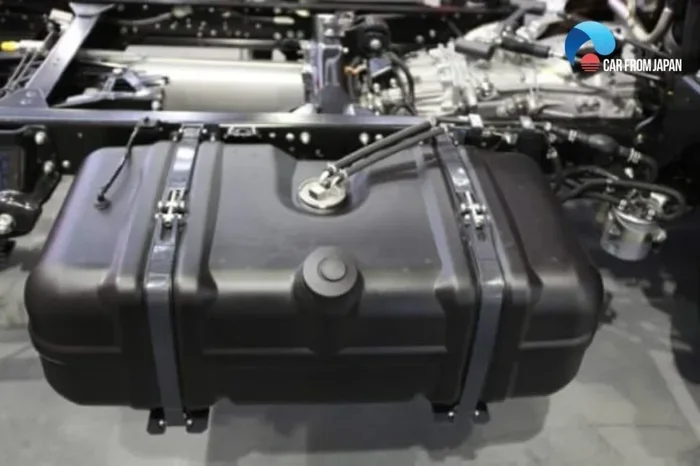
Which Car Has the Biggest Fuel Tank You Will Ever Need
Which car has the biggest fuel tank? The answer depends on your needs, but vehicles like the Ford F-350, Ram 3500, and GMC Yukon XL lead the pack with enormous fuel tank capacity. If you love long road trips and hate frequent fuel stops, a big fuel tank vehicle can change your driving experience entirely. This guide breaks down the top options and helps you choose the right one.
Key Takeaways
- Largest Fuel Tanks: Full-size trucks like the Ford F-350 and Ram 3500 offer the biggest fuel tank capacity on the market.
- Extended Range: A large gas tank size means fewer stops and more miles on a full tank.
- Best for Road Trips: SUVs and trucks with big tanks are perfect for highway driving and long journeys.
- Diesel Options: Many diesel truck models come with massive tanks and excellent fuel efficiency.
- Consider Your Needs: Bigger is not always better. Think about your driving habits before choosing.
- Top SUVs: The GMC Yukon XL and Chevrolet Suburban are among the largest SUVs with big tanks.
- Tank Size Matters: A larger fuel gauge reading means more confidence on remote roads.
📑 Table of Contents
Why Fuel Tank Size Matters
Have you ever been on a long road trip and kept scanning for the next gas station? It is not fun. A big fuel tank changes everything. It gives you freedom. It reduces stress. And it lets you focus on the drive instead of the fuel gauge.
When we talk about fuel tank capacity, we mean the total amount of fuel a vehicle can hold. This number is usually measured in gallons. Some cars hold 12 gallons. Others hold over 30 gallons. The difference is huge.
Why does this matter? Simple. A larger gas tank size means a longer range on a full tank. You can go farther between stops. This is especially important for people who drive long distances regularly. It also matters for those who love off-road vehicle adventures in remote areas.
But bigger tanks come with trade-offs. They add weight. They take up space. And they can affect fuel efficiency in some cases. So finding the right balance is key.
What Is Fuel Tank Capacity?
Fuel tank capacity is the maximum amount of fuel a tank can hold. Manufacturers list this number in the vehicle specs. You can usually find it in the owner manual or on the manufacturer website.
Here are some quick facts:
- Compact cars usually have tanks between 10 and 15 gallons.
- Mid-size sedans typically hold 15 to 18 gallons.
- Full-size SUVs often range from 18 to 26 gallons.
- Heavy-duty trucks can hold 30 gallons or more.
The largest fuel tank vehicles are usually heavy-duty trucks and large SUVs. These are built for people who need range, durability, and towing power.
Which Car Has the Biggest Fuel Tank?
If you are asking which car has the biggest fuel tank, you are in the right place. Let us look at the top vehicles known for their massive fuel tank capacity. These are the machines that let you drive for hours without stopping.
Ford F-350 Super Duty
The Ford F-350 is a beast. It is one of the most popular diesel truck models in America. And it comes with a huge gas tank size. The standard tank holds about 23 gallons. But with the optional long bed, the tank can grow to 36 gallons. That is a serious amount of fuel.
On a full tank, the F-350 can cover over 700 miles on the highway. That is incredible for a truck this size. It makes the F-350 a top choice for long road trips and heavy-duty work.
Ram 3500
The Ram 3500 is another strong contender. It offers a fuel tank capacity of up to 34.5 gallons in some configurations. Combined with its powerful engine, this truck can go a very long way on a single tank.
Many drivers love the Ram 3500 for its comfort and range. It is a great big fuel tank vehicle for anyone who needs both power and endurance.
Chevrolet Silverado 3500
The Silverado 3500 is a direct competitor to the F-350 and Ram 3500. It offers a fuel tank capacity of up to 36 gallons. That makes it one of the largest fuel tank options in the full-size truck segment.
With a diesel engine, the Silverado 3500 delivers excellent fuel efficiency and a stunning full tank range. It is a great pick for truck lovers who want range without compromise.
GMC Yukon XL
If trucks are not your thing, the GMC Yukon XL is a great option. This largest SUV comes with a fuel tank that holds about 24 gallons. It is not as big as a heavy-duty truck, but it is impressive for an SUV.
The Yukon XL offers a smooth ride and plenty of space. It is perfect for families who want to take long trips without worrying about fuel stops.
Chevrolet Suburban
The Chevrolet Suburban is another giant in the SUV world. It has a fuel tank capacity of around 24 gallons. Like the Yukon XL, it is designed for families and long-distance comfort.
The Suburban has been a favorite for decades. Its big fuel tank and spacious interior make it ideal for road trips and daily driving alike.
Comparing Big Fuel Tank Vehicles
Now that we have looked at some top models, let us compare them side by side. This will help you understand which vehicle fits your needs best.
| Vehicle | Fuel Tank Capacity | Estimated Range (Highway) | Fuel Type |
|---|---|---|---|
| Ford F-350 | Up to 36 gallons | 700+ miles | Gas/Diesel |
| Ram 3500 | Up to 34.5 gallons | 650+ miles | Gas/Diesel |
| Chevrolet Silverado 3500 | Up to 36 gallons | 700+ miles | Gas/Diesel |
| GMC Yukon XL | 24 gallons | 450+ miles | Gasoline |
| Chevrolet Suburban | 24 gallons | 450+ miles | Gasoline |
As you can see, the heavy-duty trucks lead the way in fuel tank capacity. They offer the longest range on a full tank by a wide margin. SUVs are great too, but they cannot match the trucks for sheer distance.
Which One Should You Pick?
Your choice depends on what you need. If you haul cargo or tow trailers, a diesel truck is your best bet. If you need space for a family but prefer an SUV, the Yukon XL or Suburban works well.
Think about your highway driving habits. Do you travel long distances often? Then a truck with a massive tank will serve you well. Do you mostly drive in the city? A smaller tank might be fine.
Benefits of a Large Fuel Tank
Owning a vehicle with a big fuel tank comes with several advantages. Let us break them down.
Fewer Fuel Stops
This is the most obvious benefit. With a large gas tank size, you fill up less often. On a long road trip, this saves time and energy. You can drive for hours without thinking about fuel.
Greater Driving Range
A bigger tank means more miles per fill-up. This is called your vehicle range. The more fuel you carry, the farther you can go. This is especially useful in rural areas or remote locations.
Better for Towing
If you tow a trailer or boat, your fuel consumption goes up. A large fuel tank capacity helps offset this. You get more range even when the engine is working hard.
Peace of Mind
There is something comforting about seeing a full fuel gauge. You know you can handle unexpected detours. You do not need to plan every stop. This freedom is priceless for adventurous drivers.
Resale Value
Vehicles with useful features like a big fuel tank often hold their value better. Buyers love the idea of a long-range vehicle. It is a selling point that works in your favor.
Things to Consider Before Choosing a Big Tank Vehicle
Before you rush out and buy a vehicle with the largest fuel tank, consider a few things. Bigger is not always the perfect choice.
Fuel Costs
A larger tank means more fuel to fill. Even if your fuel efficiency is good, the cost per fill-up can be high. Keep this in mind when budgeting.
Vehicle Weight
A full tank of fuel adds significant weight. This can affect handling and braking. It can also reduce fuel efficiency slightly. The trade-off is usually worth it for the range, but it is good to know.
Parking and Size
Big fuel tank vehicles are often large. They can be hard to park in tight spaces. Make sure you are comfortable with the size before buying.
Maintenance Costs
Larger vehicles with big tanks tend to have higher maintenance costs. Parts are more expensive. Repairs can cost more. Factor this into your long-term ownership plan.
Driving Habits
Ask yourself how you drive. If you mostly commute short distances, a massive tank may be overkill. But if you love long road trips and highway driving, it makes perfect sense.
Fuel Type Availability
Some diesel truck models require diesel fuel. Make sure diesel stations are easy to find in your area. Gasoline is more widely available, which adds convenience.
Tips for Maximizing Your Fuel Tank Range
Once you have a vehicle with a big fuel tank, you want to get the most out of it. Here are some practical tips.
Drive at Steady Speeds
Consistent speed improves fuel efficiency. Avoid rapid acceleration and hard braking. Use cruise control on the highway when possible.
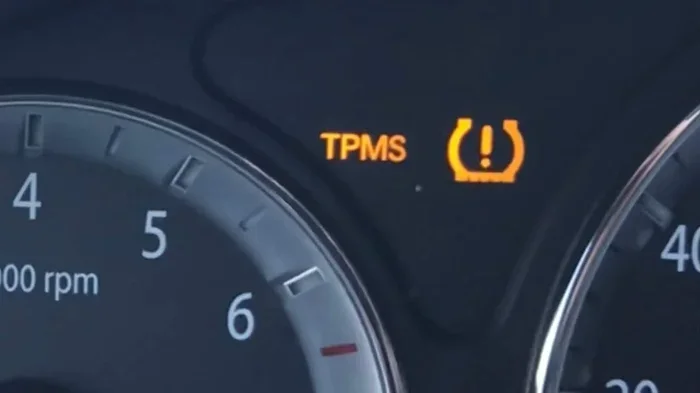
Keep Tires Properly Inflated
Underinflated tires create drag. This makes the engine work harder. Check your tire pressure regularly to maintain good fuel efficiency.
Reduce Unnecessary Weight
Extra weight in your vehicle burns more fuel. Remove items you do not need. Keep the cargo light when you can.
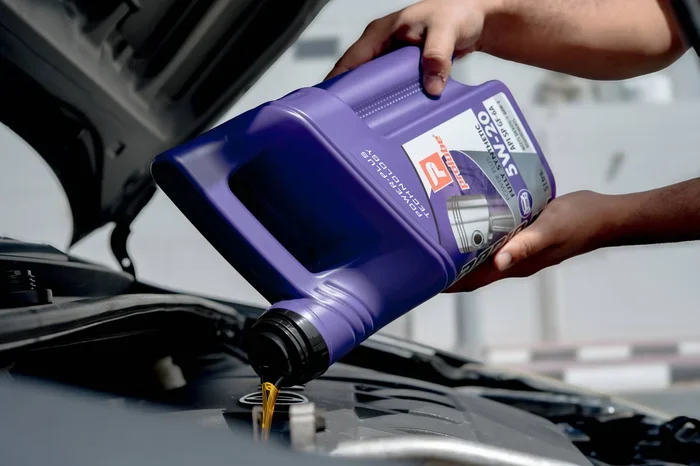
Use the Right Oil
Clean, proper-grade oil reduces engine friction. This helps the engine run smoothly and use fuel more efficiently.
Plan Your Routes
Even with a large fuel tank, planning helps. Use apps to find fuel stations along your route. This way, you avoid getting caught low in remote areas.
Fill Up Smart
Do not wait until the fuel gauge hits empty. Topping off early prevents running too low. It also protects the fuel pump from damage.
Final Thoughts
So, which car has the biggest fuel tank? The answer is clear. Heavy-duty trucks like the Ford F-350, Ram 3500, and Chevrolet Silverado 3500 dominate the market. They offer the most fuel tank capacity and the longest range on a full tank.
If you prefer SUVs, the GMC Yukon XL and Chevrolet Suburban are excellent choices. They offer solid fuel tank capacity with comfort and family-friendly features.
Choosing a vehicle with a big fuel tank is about more than just numbers. It is about freedom. It is about confidence on long drives. It is about not worrying when you are far from the next fuel stop.
Think about your needs. Consider your driving habits. And choose a big fuel tank vehicle that fits your lifestyle. The right choice will make every journey more enjoyable and stress-free.
Whether you are hauling gear, towing a trailer, or simply exploring the open road, a vehicle with a massive fuel tank capacity is a game-changer. Take your time, do your research, and find the perfect fit for you.
Frequently Asked Questions
What is the average fuel tank capacity for a full-size truck?
Most full-size trucks have a fuel tank capacity between 23 and 36 gallons. Heavy-duty models like the Ford F-350 and Ram 3500 offer the largest options. The exact size depends on the model year and configuration.
Which SUV has the biggest fuel tank?
The Chevrolet Suburban and GMC Yukon XL are among the largest SUVs with the biggest tanks. Both hold around 24 gallons, which gives them a strong range on a full tank. They are excellent for families who love road trips.
Does a bigger fuel tank mean better fuel efficiency?
Not necessarily. A bigger gas tank size means more range, but it does not directly improve fuel efficiency. However, many vehicles with large tanks also come with efficient engines, especially diesel models.
Can I add a bigger fuel tank to my existing car?
Yes, aftermarket fuel tank upgrades are available. However, this can be expensive and may void your warranty. It is usually better to choose a vehicle with a large fuel tank capacity from the start.
How far can you drive on a full tank?
The full tank range depends on the vehicle and engine. A heavy-duty truck can go 700 miles or more. A large SUV can cover 450 miles or more. Your driving habits also play a big role.
Are diesel trucks better for long-distance driving?
Yes, diesel truck models generally offer better fuel efficiency and torque for long-distance driving. They also tend to come with larger tanks, making them ideal for highway driving and extended trips.