The Difference Between TPMS Light and Tire Pressure Light
The TPMS light is a specific dashboard warning tied to your tire pressure monitoring system, while the tire pressure light is a general indicator that your tire pressure is off. Many drivers confuse these two warnings, but understanding the difference can save you time, money, and keep you safe on the road. This guide breaks down everything you need to know about each light, what triggers them, and how to respond.
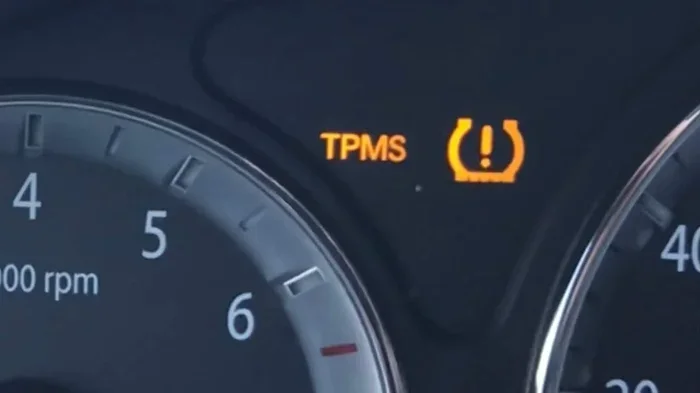
You are driving down the highway, and suddenly a light pops up on your dashboard. It looks like a horseshoe with an exclamation point in the middle. Your heart drops. What does it mean? Is your tire flat? Is something seriously wrong? You pull over, check your tires, and they look fine. So why is the light still on?
Here is the thing most drivers do not realize. That light could be your TPMS light or your tire pressure light. They are not the same thing. And knowing the difference matters more than you might think. One tells you about your air pressure. The other tells you about the system that monitors your pressure. Confusing the two can lead to wrong fixes, wasted money, and unnecessary stress.
In this article, we will break down exactly what each light means, why it comes on, and how to handle it. By the end, you will never second-guess another dashboard warning again. Let us get into it.
Key Takeaways
- TPMS Light: Signals a problem with the tire pressure monitoring system itself, not just the pressure level.
- Tire Pressure Light: Appears when one or more tires are underinflated or overinflated based on sensor readings.
- Different Causes: A TPMS light can come from a dead sensor battery, faulty sensor, or system malfunction, while the tire pressure light usually points to low air.
- Different Fixes: Inflating tires fixes the tire pressure light, but a TPMS light may need sensor replacement or system reset.
- Safety Matters: Ignoring either light can lead to poor fuel economy, uneven tire wear, or dangerous blowouts.
- Reset Is Different: Each light has its own reset process, and knowing which is which helps you take the right action.
- Know Your Car: Check your owner’s manual to understand exactly what each warning means for your specific vehicle.
📑 Table of Contents
- What Is a TPMS Light?
- What Is a Tire Pressure Light?
- Key Differences Between TPMS Light and Tire Pressure Light
- How to Respond When Each Light Comes On
- When Should You See a Mechanic?
- Preventing TPMS and Tire Pressure Issues
- Understanding TPMS Sensor Batteries
- TPMS Light After Tire Rotation or Replacement
- Conclusion
What Is a TPMS Light?
The TPMS light stands for Tire Pressure Monitoring System light. It is a warning on your dashboard that tells you something is wrong with the system itself. This system uses sensors inside your wheels to measure the air pressure in each tire. When the system detects a problem, it sends that little horseshoe-shaped light onto your dash.
Now, here is where it gets tricky. The TPMS light does not always mean your tire pressure is low. Sometimes it means the sensor battery is dead. Other times it means a sensor is broken or not communicating properly. The light is about the monitoring system, not just the air inside your tires.
How Does the TPMS System Work?
Your car has small sensors inside each tire, usually attached to the valve stem. These sensors measure the air pressure in real time. They send that information to your car’s computer. If the pressure drops below a safe level, the system triggers the TPMS light. But if a sensor malfunctions or loses its signal, the same light comes on.
There are two types of TPMS systems in modern cars:
- Direct TPMS: Uses actual pressure sensors inside each tire. These give very accurate readings and are the most common type in newer vehicles.
- Indirect TPMS: Uses the wheel speed sensors from your anti-lock brake system. It estimates pressure by measuring how fast each wheel spins. Uneven pressure changes the rolling radius, which changes the spin rate.
Both systems serve the same purpose. They keep you informed about your tire health. But they work differently, and each can trigger the TPMS light for different reasons.
Common Reasons the TPMS Light Comes On
Several things can cause your TPMS light to illuminate. Here are the most common culprits:
- Low tire pressure: This is the most obvious reason. If a tire loses air, the sensor detects it and lights up the warning.
- Dead sensor battery: TPMS sensors run on small batteries that last about 5 to 10 years. When the battery dies, the sensor cannot send data, and the light comes on.
- Faulty sensor: Sensors can break or malfunction due to corrosion, impact damage, or normal wear and tear.
- Temperature changes: Cold weather can temporarily lower tire pressure, triggering the TPMS light even when there is no real leak.
- System reset needed: Sometimes the system needs a manual reset after you fix the tire pressure issue.
- Aftermarket wheels or tires: Non-OEM wheels may not fit sensors properly, causing communication errors.
Quick Tip
If your TPMS light comes on and stays on, do not ignore it. Even if your tires look fine, a sensor issue can go unnoticed and leave you without pressure monitoring. Get it checked as soon as possible.
What Is a Tire Pressure Light?
The tire pressure light is a broader term. It generally refers to the warning that tells you your tire pressure is outside the recommended range. This light is often the same symbol as the TPMS light, which is why so many people confuse the two. But the focus here is different. The tire pressure light is about the actual air level in your tires, not the monitoring system.
When your tire pressure light comes on, it usually means one or more tires are underinflated. Sometimes it can also mean a tire is overinflated, though that is less common. The key takeaway is that this light is telling you to check the air in your tires right away.
Why Tire Pressure Matters
Tire pressure might seem like a small thing, but it affects your entire driving experience. Here is what happens when your pressure is off:
- Safety risks: Underinflated tires can overheat, leading to blowouts or loss of control. Overinflated tires have less grip, especially on wet roads.
- Fuel economy: Tires with low pressure create more rolling resistance. This means your engine works harder and uses more gas.
- Uneven tire wear: Underinflated tires wear out the outer edges of the tread faster. Overinflated tires wear out the center. Either way, you lose tire life.
- Handling problems: Wrong pressure affects steering response, braking distance, and ride comfort.
The tire pressure light exists to warn you before any of these problems become serious. It is your car’s way of saying, “Hey, check your air.”
How to Check Your Tire Pressure
When the tire pressure light comes on, the first thing you should do is check your tire pressure manually. Here is how:
- Find the recommended pressure for your vehicle. Look at the sticker on the driver’s side door jamb or in your owner’s manual.
- Remove the valve cap from the tire.
- Press a tire pressure gauge firmly onto the valve stem.
- Read the number on the gauge and compare it to the recommended PSI.
- Add air if the pressure is low. Let some out if it is too high.
- Replace the valve cap and check if the light goes off after driving a few miles.
Keep a good-quality tire pressure gauge in your glove box. Gas station air pumps work too, but a personal gauge gives you more accurate readings and lets you check anytime.
Expert Insight
Many drivers only check their tire pressure when the light comes on. But experts recommend checking your tire pressure at least once a month. Tires naturally lose about 1 PSI per month, and seasonal temperature changes can cause additional pressure drops. Staying ahead of the problem keeps you safer and saves money on fuel and tire replacements.
Key Differences Between TPMS Light and Tire Pressure Light
Now that we have covered both lights individually, let us compare them side by side. Understanding the difference between the TPMS light and the tire pressure light is crucial for taking the right action.
Comparison Table
| Feature | TPMS Light | Tire Pressure Light |
|---|---|---|
| What it monitors | The tire pressure monitoring system and its sensors | The actual air pressure inside the tires |
| Common trigger | Sensor failure, dead battery, system error, or low pressure | Low or high tire pressure |
| What it tells you | Something is wrong with the monitoring system | Your tire pressure is outside the safe range |
| Fix required | Sensor replacement, battery change, or system reset | Inflate or deflate tires to recommended PSI |
| Urgency level | Moderate to high (system issue) | High (immediate safety concern) |
| Can it fix itself? | Rarely. Usually needs manual intervention. | Sometimes, if the pressure issue is temporary (like cold weather) |
| Reset process | Varies by vehicle. Often requires a reset button or scan tool. | Usually goes off automatically after pressure is corrected |
The Symbol Confusion
Here is the biggest source of confusion. The symbol for the TPMS light and the tire pressure light is often identical. It looks like a horseshoe or a cross-section of a tire with an exclamation point in the center. Because the symbol is the same, many drivers assume they mean the same thing. They do not.
The symbol tells you that something related to tire pressure is wrong. But the underlying cause could be very different. That is why understanding the context matters. Did you just drive through cold weather? The tire pressure may have dropped. Did you just replace a tire sensor? The TPMS system may need recalibration. The symbol is the same, but the story behind it is different.
Common Mistake
Many drivers see the tire pressure light and assume it is a TPMS system failure. They take the car to a mechanic for expensive sensor work, only to find out the tires just needed a little air. Always check your tire pressure first before assuming the worst. This simple step can save you time and money.
How to Respond When Each Light Comes On
Knowing what each light means is only half the battle. You also need to know how to respond. Here is a step-by-step guide for both situations.
Response Plan for the TPMS Light
- Do not panic. The TPMS light is not always an emergency. It could be a sensor issue rather than a tire problem.
- Check your tire pressure. Even though the light is about the system, the pressure might actually be low. Use your gauge and compare to the recommended PSI.
- Inflate or adjust as needed. If the pressure is off, fix it. Then drive for a few miles to see if the light resets.
- Reset the TPMS system. Many vehicles have a reset button under the steering column or in the settings menu. Refer to your owner’s manual for the exact process.
- Visit a mechanic if the light stays on. If the light persists after you have corrected the pressure and reset the system, a sensor may need replacement or the system may need diagnostics.
Response Plan for the Tire Pressure Light
- Pull over safely if you notice handling issues. If the car feels unstable or you hear unusual sounds, stop and inspect the tires.
- Check all four tires plus the spare. Use your tire pressure gauge and compare each tire to the recommended PSI listed on the door jamb.
- Inflate tires to the correct pressure. Do not overfill. Follow the manufacturer’s recommendation, not the number on the tire sidewall. That number is the maximum pressure, not the recommended pressure.
- Drive and observe. The tire pressure light usually turns off after you drive a few miles with correct pressure.
- Check for leaks if the light returns. If the pressure drops again quickly, you may have a slow leak from a nail, valve stem issue, or bead leak.
Quick Tip
Keep a portable tire pressure inflator in your trunk. These small devices plug into your 12V outlet and can inflate a tire in minutes. They are inexpensive and can save you from being stranded with a low tire.
When Should You See a Mechanic?
Not every dashboard light requires professional help, but some situations do. Here is when you should take your car to a mechanic for TPMS light or tire pressure light issues:
- The TPMS light stays on after you reset it. This suggests a deeper system problem, like a faulty sensor or wiring issue.
- One tire pressure reading is consistently lower than the others. This could indicate a slow leak that needs professional repair.
- The TPMS light flashes instead of staying solid. A flashing TPMS light often indicates a more serious sensor or system malfunction.
- You need a new sensor battery. Replacing a TPMS sensor battery requires special tools and expertise. A mechanic can handle this quickly.
- You have replaced tires or wheels. After tire changes, the TPMS system may need recalibration or new sensor programming.
- You are unsure what the light means. When in doubt, it is always better to get a professional diagnosis. Ignoring the light can lead to bigger problems down the road.
Expert Insight
Mechanics recommend having your TPMS system checked at least once a year, especially before long road trips. A simple diagnostic scan can reveal sensor battery health, signal strength, and system status. This proactive approach catches small problems before they become expensive repairs or safety hazards.
Preventing TPMS and Tire Pressure Issues
The best way to deal with these lights is to prevent them from coming on in the first place. Regular tire maintenance goes a long way in keeping both your TPMS light and tire pressure light off.
Simple Prevention Tips
- Check tire pressure monthly. Make it a habit. Set a reminder on your phone if needed. A few minutes each month can prevent unexpected warnings.
- Check pressure before long trips. Road trips put extra stress on your tires. Proper pressure improves safety and fuel efficiency.
- Invest in a quality tire pressure gauge. The cheap pencil-style gauges at gas stations are often inaccurate. A digital gauge gives reliable readings every time.
- Check tire pressure when tires are cold. Driving heats up the air inside tires, which increases pressure. Check before you drive for the most accurate reading.
- Replace TPMS sensors on schedule. Most sensor batteries last 5 to 10 years. If your vehicle is older, proactively replace sensors before they fail.
- Keep valve stem caps on. These small caps prevent moisture and debris from entering the valve stem, which can cause slow leaks and sensor damage.
- Rotate your tires regularly. Even tire wear helps maintain consistent pressure readings across all four tires.
Common Mistake
Many drivers rely solely on the TPMS system and forget manual checks. The TPMS system is a backup, not a replacement for regular maintenance. It only alerts you when pressure is significantly low, usually 25% below the recommended level. By that point, your tire may already be damaged. Do not wait for the light. Check your pressure proactively.
Understanding TPMS Sensor Batteries
A TPMS sensor battery is one of the most common reasons the TPMS light comes on. These small batteries power the sensors inside your wheels. They are not rechargeable and must be replaced when they die. On most vehicles, the battery lasts between 5 and 10 years, depending on driving conditions and signal frequency.
When a sensor battery dies, the sensor stops sending pressure data to your car’s computer. The system interprets this as a malfunction and triggers the TPMS light. The tire pressure itself may be perfectly fine, but the light still comes on because the system cannot read the pressure.
Replacing a TPMS sensor battery requires removing the sensor from the wheel, replacing the battery, and reprogramming the sensor. This is a job best left to a professional. Some tire shops offer this service for a reasonable fee, often around $5 to $10 per sensor. It is a small cost that keeps your monitoring system working properly.
Quick Tip
If your vehicle is more than 7 years old and the TPMS light keeps coming on, there is a good chance the sensor batteries are nearing the end of their life. Proactively replacing them can save you from unexpected warnings and inconvenient breakdowns.
TPMS Light After Tire Rotation or Replacement
Have you ever had your tires rotated or replaced and noticed the TPMS light come on afterward? This is very common and usually nothing to worry about. Here is what happens and what you should do:
- Sensor position change: When tires are rotated, the sensors move to different wheels. The car’s computer may need to relearn the sensor positions.
- New sensor programming: After installing new tires or sensors, each sensor must be programmed to match your vehicle’s system.
- System recalibration: Some vehicles require a recalibration after any tire service. This tells the system that the new sensor positions are correct.
In most cases, the TPMS light will turn off on its own after driving a few miles. If it does not, a quick visit to a tire shop or mechanic for a system reset usually solves the problem. This is a routine part of tire maintenance and should not be a cause for concern.
What About the Tire Pressure Light After Temperature Changes?
Cold weather is one of the most common triggers for the tire pressure light. As the temperature drops, the air inside your tires contracts, reducing the pressure. A 10-degree drop in temperature can lower tire pressure by about 1 PSI. In winter, this can add up quickly and trigger the warning light even though there is no actual leak.
The fix is simple. Inflate your tires to the recommended pressure, and the tire pressure light should go off within a few miles of driving. If the light keeps coming back every time the temperature drops, you may want to check for slow leaks or consider whether your recommended pressure needs adjustment for seasonal changes.
Expert Insight
Some drivers keep their tires slightly overinflated during winter to compensate for pressure loss from cold weather. While this can prevent the tire pressure light from coming on, overinflation has its own risks, including reduced traction and uneven wear. Always stick to the manufacturer’s recommended pressure for the best balance of safety and performance.
Conclusion
The difference between the TPMS light and the tire pressure light comes down to what each one is monitoring. The TPMS light tells you something is wrong with the tire pressure monitoring system itself. The tire pressure light tells you that the air pressure in your tires is outside the safe range. Both are important warnings that should never be ignored.
By understanding what each light means and how to respond, you take control of your vehicle’s safety and maintenance. Check your tire pressure regularly, keep a quality gauge in your car, and know when to seek professional help. These simple habits keep you safe, improve fuel economy, and extend the life of your tires.
Next time that little horseshoe symbol lights up on your dash, you will know exactly what to do. You will not panic, and you will not waste money on unnecessary repairs. You will handle it like a pro. That is the real value of understanding the difference between the TPMS light and the tire pressure light.
Stay proactive, stay informed, and keep those tires in great shape. Your safety on the road depends on it.
Frequently Asked Questions
Can the TPMS light and tire pressure light be the same symbol?
Yes, the symbol for both lights is usually identical. It looks like a horseshoe or a tire cross-section with an exclamation point. The symbol does not tell you which light it is. You need to understand your vehicle’s specific system and what triggered the warning to know which one it is.
Is it safe to drive with the TPMS light on?
It depends on the cause. If your tire pressure is low, driving is risky and you should check your tires immediately. If the light is due to a sensor malfunction, you can usually drive carefully to a service center. However, you will not have proper pressure monitoring until the issue is fixed.
How much does it cost to replace a TPMS sensor?
TPMS sensor replacement typically costs between $50 and $250 per sensor, depending on your vehicle make and model. Labor costs are usually minimal since the sensor bolts onto the wheel. Some shops offer sensor replacement and programming for around $100 to $150 per sensor.
Will the tire pressure light go away on its own?
Yes, in many cases the tire pressure light will turn off automatically after you inflate your tires to the correct pressure and drive a few miles. If the light stays on, you may need to manually reset the system or check for a slow leak or sensor issue.
How often should TPMS sensors be replaced?
TPMS sensor batteries typically last 5 to 10 years. Most mechanics recommend having the sensors checked or replaced around the 7-year mark. If you notice frequent TPMS light warnings on an older vehicle, the sensor batteries are likely the cause.
What should I do if the TPMS light flashes and then stays on?
A flashing TPMS light followed by a solid light usually indicates a more serious system malfunction. This could be a failed sensor, a wiring issue, or a problem with the car’s computer. Visit a mechanic or tire shop as soon as possible for a diagnostic scan to identify the exact cause.