How Do You Turn Off the Airbag Light on a Toyota
Learning how do you turn off the airbag light on a Toyota starts with understanding why it turned on in the first place. The SRS warning light can appear due to simple issues like a loose seat belt sensor or more complex problems with the airbag control module. In this guide, we walk you through every fix — from easy DIY resets to professional repairs — so you can get your Toyota’s safety system back to full strength.
Key Takeaways
- Check seat belt sensors first: A loose or damaged seat belt sensor is the most common reason the airbag light stays on in Toyotas.
- Use an OBD-II scanner: A simple airbag diagnostic tool can read error codes and help you pinpoint the exact problem.
- Don’t just disconnect the battery: This temporary fix does not address the root cause and may cause additional issues.
- Inspect under-seat wiring: Corroded or damaged wiring under the seats is a frequent culprit behind the airbag warning light.
- Professional help is sometimes needed: Complex airbag module reset tasks should be handled by trained technicians.
- Reset after any accident: Even a minor collision can trigger the SRS system and require a proper reset.
- Regular maintenance matters: Simple checks can prevent the airbag malfunction warning from appearing unexpectedly.
📑 Table of Contents
Why Is Your Toyota Airbag Light On?
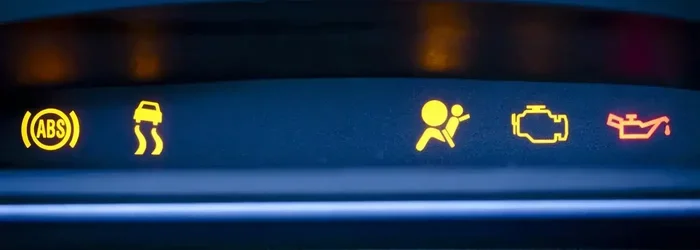
Before you try to fix the problem, you need to understand why the airbag warning light came on. Your Toyota has a carefully designed safety system. It is called the SRS, or Supplemental Restraint System. This system controls your airbags, seat belt pre-tensioners, and crash sensors. When something goes wrong, the dashboard lights up to warn you.
The SRS warning light is not something you want to ignore. It means your airbags might not deploy during a crash. That is a serious safety risk. Let us look at the most common reasons this light appears on your Toyota dashboard.
Common Reasons for the SRS Warning Light
Several things can trigger the airbag light blinking on your Toyota. Here are the biggest culprits:
- Seat belt sensor issues: The seat belt buckle sensor tells the system whether your belt is fastened. If it gets damaged or loose, the light turns on.
- Seat occupancy sensor problems: Toyota uses sensors in the seats to detect passengers. A faulty sensor can trick the system into thinking something is wrong.
- Wiring damage under the seats: The wiring harness under your seats takes a beating over time. Corrosion or chafed wires can cause airbag sensor failures.
- Low battery voltage: A weak car battery can cause the dashboard warning light to behave strangely, including the SRS light.
- Past collision or impact: Even a small fender bender can set off the airbag malfunction warning. The system needs a proper reset.
- Faulty airbag control module: The brain of your SRS system can fail over time. This requires a airbag module reset or replacement.
- Aftermarket seat covers or accessories: Poorly installed accessories can interfere with Toyota airbag system sensors.
How the Airbag System Works in Your Toyota
Understanding your Toyota safety system helps you appreciate why the light matters. The SRS uses several components working together:
- The airbag control module (the computer that manages everything)
- Crash sensors that detect impact force and speed
- Seat belt pretensioners that tighten belts during a crash
- Occupancy sensors that detect who is sitting in the seat
- The airbag modules themselves (located in the steering wheel, dashboard, and seats)
When the system runs its self-check at startup, the light should turn on for a few seconds and then go off. If it stays on, the system has detected a fault. It is storing a diagnostic code that points to the problem. Using an airbag diagnostic tool to read this code is your best first step.
How Do You Turn Off the Airbag Light on a Toyota?
Now we get to the main question. How do you turn off the airbag light on a Toyota? There are several approaches depending on what is causing the issue. Let us go through them one by one.
Step-by-Step Methods to Reset the Airbag Light
Before you start any reset, make sure your Toyota is parked safely. The engine should be off. The parking brake needs to be engaged. Also, wait at least 10 minutes after turning off the ignition. This gives the SRS system time to fully power down. Working on a live system can be dangerous.
Here is the overall process most Toyota owners follow:
- Read the error codes using an OBD-II scanner that supports SRS diagnostics.
- Identify the specific fault based on the code.
- Fix the underlying problem (repair sensor, fix wiring, etc.).
- Clear the codes using the scanner or a dealer-level tool.
- Start the car and confirm the light is off.
Using an OBD-II Scanner
An airbag diagnostic tool is your best friend here. You can pick up a basic OBD-II scanner for under $50 at most auto parts stores. Make sure it supports SRS or airbag diagnostics — not all scanners do.
Here is how to use it:
- Plug the scanner into the OBD-II port under your steering column.
- Turn the ignition to the “ON” position (do not start the engine).
- Select the SRS or Airbag option from the scanner menu.
- Read the stored fault codes.
- Write down each code and look up what it means in your Toyota service manual.
- Once you fix the issue, clear the codes and restart the vehicle.
Many Toyota models from 2001 onward support this process. The exact port location varies by Toyota model year, but it is usually found below the dashboard on the driver side.
Quick Tip: Not every OBD-II scanner can read airbag codes. Look for scanners branded as “multi-system” or “SRS compatible.” Popular options include the Innova 3160 and the Ancel VD700. These tools make how do you turn off the airbag light on a Toyota much simpler to figure out.
DIY Fixes You Can Try at Home
Some causes of the airbag warning light are easy to fix without professional help. Before taking your Toyota to a shop, try these simple checks. You might save yourself a trip and some money.
Check Your Seat Belt Sensors
The seat belt buckle sensor is the number one cause of this problem. It is a small switch inside the belt buckle. Over time, it can get stuck, corroded, or damaged. Here is what to do:
- Unbuckle and rebuckle every seat belt several times. This can free a stuck sensor.
- Check for visible damage on the buckle. Look for cracks or corrosion.
- Clean the buckle contact points with a small amount of electrical contact cleaner.
- Make sure no coins or debris are stuck inside the buckle mechanism.
For the driver and front passenger seats, also check the seat belt retractor. Sometimes the retractor gets jammed and sends a false signal. Gently pulling the belt all the way out and letting it retract slowly can help.
Inspect the Seat Occupancy Sensors
Toyota uses seat occupancy sensors to determine whether a seat is empty or loaded. These sensors tell the SRS whether to arm the airbag or not. A faulty sensor can make the system think there is a problem even when the seat is empty.
These sensors sit under the seat cushion. To check them:
- Slide the seat all the way forward, then all the way back.
- Check underneath for any loose connectors or corroded plugs.
- Look for wires that have been pinched by the seat track.
- Re-seat any connectors that feel loose.
Look at the Wiring Under the Seats
This is a big one. The airbag wiring harness runs directly under your seats. Every time you move the seat, those wires flex. Over months and years, they can chafe, crack, or break. This is especially common in older Toyotas or trucks that see heavy use.
Here is how to inspect:
- Turn off the ignition and wait 10 minutes.
- Disconnect the negative battery terminal for extra safety.
- Slide the seat forward and look up at the wiring underneath.
- Look for any wires with damaged insulation or exposed copper.
- Check the connectors for green corrosion or moisture.
- Repair any damaged wiring with appropriate electrical tape or replace the section.
Be very careful not to disturb any connectors that look intact. The SRS system is sensitive, and moving things around unnecessarily can create new problems.
Expert Insight: According to certified Toyota technicians, roughly 60% of SRS warning light cases are caused by simple wiring or seat belt sensor issues. That means most car owners can fix this themselves without ever visiting a mechanic. The key is proper diagnosis first.
When Should You See a Professional?
Not every airbag malfunction is a simple fix. Some situations call for professional help. Knowing when to DIY and when to call a pro saves you time, money, and keeps you safe.
Signs You Need Expert Help
Watch for these red flags that tell you the problem is beyond a simple DIY fix:
- The light comes back on shortly after you turn it off.
- You get multiple fault codes that seem unrelated.
- The airbag light flashes in a specific pattern (some Toyotas use blink codes).
- You recently had a collision, even a minor one.
- The airbag control module needs reprogramming or replacement.
- You smell burning or see visible damage near airbag components.
What a Mechanic Will Do
A professional will follow a systematic process:
- Connect a dealer-level diagnostic tool to read all SRS codes.
- Perform a thorough inspection of all sensors, wiring, and modules.
- Test the airbag control module for proper function.
- Replace any faulty parts with OEM or approved components.
- Perform a full SRS reset and system verification.
- Test drive the vehicle and confirm the light stays off.
Quick Tip: Always ask the shop to show you the fault codes before and after the repair. Understanding how do you turn off the airbag light on a Toyota is easier when you know exactly what code the system threw. A good mechanic will happily explain everything.
DIY vs Professional Repair: A Quick Comparison
Not sure whether to handle it yourself or take it to a shop? Here is a comparison to help you decide:
| Factor | DIY Repair | Professional Repair |
|---|---|---|
| Cost | $20-$100 for tools and parts | $100-$500+ depending on parts |
| Time | 1-3 hours for simple fixes | 1-4 hours including diagnostics |
| Skill Level | Beginner-friendly for basic fixes | Requires trained technician |
| Safety | Safe if you follow precautions | Highest safety guarantee |
| Warranty | No warranty on DIY work | Shop warranty included |
| Best For | Sensor and wiring fixes | Module replacement and complex diagnostics |
Common Mistakes to Avoid
When trying to turn off the airbag warning light, many people make mistakes that make things worse. Let us look at the biggest pitfalls so you can avoid them.
Don’t Just Disconnect the Battery
This is the most common mistake. Some people think disconnecting the battery for 30 minutes will clear the SRS warning light. Sometimes it does temporarily. But the problem is still there. The system will just set the fault code again once you reconnect everything.
Worse, disconnecting the battery on some Toyota models can cause additional problems. You might lose radio presets, clock settings, or even trigger other warning lights. In rare cases, it can reset adaptations in the transmission or engine control module.
Instead, use a proper diagnostic approach. Read the codes first, fix the root cause, then clear them properly.
Avoid Ignoring the Warning Light
It is tempting to just live with the light on. After all, your car still drives fine. But this is dangerous. The airbag malfunction warning means your airbags may not deploy in a crash. That puts you and your passengers at serious risk.
Also, ignoring the light can lead to more expensive repairs down the road. A simple sensor fix today could become a full airbag control module replacement if the problem worsens.
Do Not Use Non-OEM Parts
When replacing airbag components, always use OEM or high-quality aftermarket parts. Cheap knockoff sensors may not meet safety standards. They can fail at the worst possible moment. Your Toyota airbag system is designed to work as a complete unit. Mixing in low-quality parts compromises the whole system.
Be Careful with Airbag Components
Never touch the airbag module or pyrotechnic inflators without proper training. These components can deploy unexpectedly. Always disconnect the battery and wait at least 10 minutes before handling any airbag system parts. Wear safety glasses and gloves as well.
Maintaining Your Toyota Airbag System
The best way to deal with the SRS warning light is to prevent it from turning on in the first place. Regular maintenance and awareness go a long way. Here is how to keep your airbag system in top shape.
Regular Checks and Tips
Add these checks to your regular car maintenance routine:
- Buckle and unbuckle all seat belts weekly. This keeps the sensors from getting stuck.
- Check under your seats monthly. Look for loose wiring or debris that could interfere with sensors.
- Never install aftermarket accessories near airbag zones. Seat covers, dash mods, and phone mounts can block sensors or wiring.
- Keep your battery in good condition. A healthy battery prevents electrical gremlins that can trigger false warnings.
- Address minor issues immediately. If you notice anything off, investigate early before it becomes a bigger problem.
After an Accident, Always Reset
Even a minor bump can set off the airbag warning light. The crash sensors are designed to be sensitive. After any collision, no matter how small, have your SRS system inspected and properly reset.
Some impacts may not deploy the airbags but still trigger the sensors. If you do not reset the system, you are driving with compromised safety protection. Always get a professional inspection after an accident.
Expert Insight: Toyota recommends having the SRS system fully inspected after any airbag deployment or collision. The Toyota service manual specifically states that certain crash scenarios require replacement of sensors and modules, not just a reset. Always follow manufacturer guidelines for your specific Toyota model year.
Keep Records of Repairs
Write down when and why you had airbag work done. This history helps future mechanics diagnose problems faster. It also helps you spot patterns if issues keep coming back. Good records are a simple but powerful tool for long-term vehicle health.
Conclusion
So how do you turn off the airbag light on a Toyota? The answer starts with understanding the cause. Most of the time, the fix is simpler than you think. A stuck seat belt sensor, a loose wire under the seat, or a dirty buckle can often be handled at home with basic tools and patience.
But always remember that the SRS warning light exists for your protection. Do not treat it lightly. Use a proper diagnostic tool to read fault codes. Fix the underlying problem before clearing the light. And when in doubt, take your Toyota to a qualified professional.
Your airbags are one of the most important safety features in your vehicle. Taking care of the system means taking care of yourself and everyone who rides with you. Follow the steps in this guide, stay proactive with maintenance, and keep that warning light off for good.
Frequently Asked Questions
Why does my Toyota airbag light stay on even after I fix the problem?
Sometimes the SRS system holds onto the fault code even after the issue is resolved. You need to clear the stored codes using an OBD-II scanner with SRS capability. If the light still does not go off, there may be a secondary issue you have not addressed yet.
Can a weak battery cause the Toyota airbag light to come on?
Yes, absolutely. A low car battery can cause the dashboard warning light to behave strangely. When voltage drops below normal levels, the SRS system may interpret this as a fault. Replacing or charging your battery often clears the light in these cases.
Is it safe to drive with the airbag light on?
It is not recommended. The airbag malfunction warning means your airbags may not deploy during a crash. While your car will still drive, you lose a critical layer of protection. Get the issue diagnosed and fixed as soon as possible.
How much does it cost to fix the Toyota airbag light?
For simple fixes like a seat belt sensor or wiring repair, expect $50 to $150. If the airbag control module needs replacement, costs can range from $300 to over $800 depending on your Toyota model year and whether you use OEM or aftermarket parts.
Can I use a cheap OBD-II scanner to reset my Toyota airbag light?
Only if the scanner supports SRS diagnostics. Many budget scanners only read engine and transmission codes. Look for a multi-system scanner that specifically lists Toyota SRS support. Alternatively, visit an auto parts store that offers free diagnostic readings.
Will disconnecting my Toyota battery reset the airbag light permanently?
No, this is only a temporary fix. Disconnecting the battery clears the codes but does not fix the underlying problem. The SRS warning light will come back once the system detects the same fault again. Always diagnose and repair the root cause instead.