Black Film for Car Rules Everything You Need to Know
Black film for car window tinting is one of the most popular upgrades drivers make, but the rules vary widely by state and vehicle type. Understanding black film for car regulations helps you avoid fines, pass inspections, and choose the right tint darkness. This guide covers VLT percentages, legal tint limits, windshield tint rules, and practical tips for a smooth tint installation experience.
Tinting your car windows with black film for car is one of the most popular upgrades you can make. It looks sleek, reduces glare, and keeps your interior cooler on hot days. But before you roll into a shop and let them slap dark film on your windows, you need to know the rules.
The black film for car rules are not the same everywhere. What is legal in Texas may get you pulled over in New York. Every state sets its own tint regulations, and those rules cover how dark your tint can be, which windows can be tinted, and even what color the film can be. Ignorance of these rules is not an excuse, and fines for illegal tint can add up fast.
This guide walks you through everything you need to know about black film for car regulations. We cover VLT percentages, legal tint limits by state, windshield tint rules, medical exemptions, and practical tips to keep you compliant. Whether you are a first-timer or thinking about re-tinting, this article has you covered.
Key Takeaways
- Tint laws differ by state: Each state sets its own VLT limits for front side windows, rear side windows, and rear windshields.
- VLT percentage matters: The lower the number, the darker the black car window tint and the stricter the rules.
- Windshield tint is highly restricted: Most states only allow a small sunshade strip at the top of the windshield.
- Medical exemptions exist: Some drivers qualify for darker tint with a doctor’s prescription or certificate.
- Professional installation is key: A quality ceramic tint or carbon tint lasts longer and performs better than cheap film.
- Penalties are real: Tint violations can lead to fines, failed inspections, and even tickets during traffic stops.
- Heat rejection and UV protection: Dark tint blocks more heat and harmful rays, but must still meet legal standards.
📑 Table of Contents
- What Is Black Film for Car Tinting?
- Why Do Black Film for Car Rules Exist?
- Understanding VLT and Legal Tint Limits
- State-by-State Black Film for Car Rules
- Windshield Tint Rules for Black Film
- Medical Exemptions and Special Permits
- Practical Tips for Staying Compliant
- Common Mistakes People Make With Black Car Tint
- Benefits of Black Film for Car When Done Right
- Expert Insights on Black Film for Car Regulations
- Key Takeaways
- Conclusion
What Is Black Film for Car Tinting?
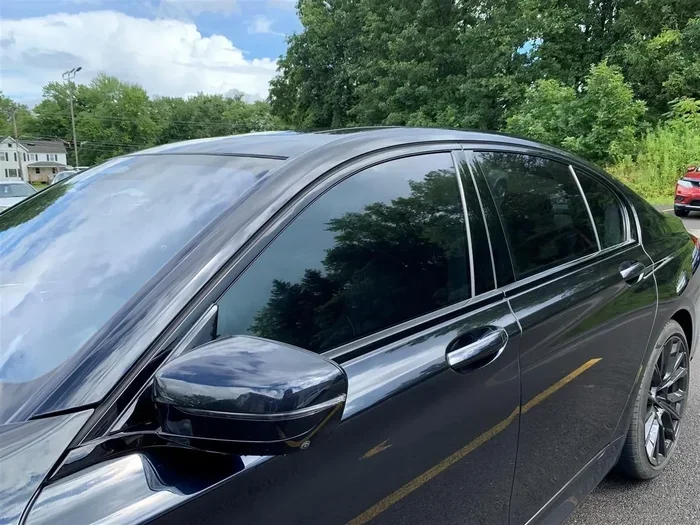
Black film for car refers to dark-colored window tint film applied to vehicle glass. It comes in different shades and materials, each offering varying levels of darkness, heat rejection, and UV protection. The darkness is measured by something called Visible Light Transmission, or VLT.
VLT is the percentage of light that passes through the window. A 5% VLT tint is very dark and lets through almost no light. A 50% VLT tint is lighter and allows more light in. The lower the VLT number, the darker the car window tint.
Common Types of Black Tint Film
- Dyed film: The most affordable option. It absorbs heat and provides a dark look, but it fades over time and offers less heat rejection than premium options.
- Metalized film: Contains tiny metallic particles that reflect heat. It is durable and looks great, but it can interfere with GPS and phone signals.
- Carbon film: A non-metallic option that does not fade easily. It offers excellent heat rejection and a matte finish that many car owners love.
- Ceramic film: The top-tier choice. It blocks the most heat, rejects UV rays effectively, and does not interfere with electronics. It is also the most expensive.
When choosing black film for car, consider both the look and the performance. A darker film is not always better if it means you cannot see out of your windows at night. Safety matters just as much as style.
Why Do Black Film for Car Rules Exist?
You might wonder why there are so many rules around car window tint. The reasons go beyond just looks. Tint regulations exist to protect driver safety, help law enforcement, and maintain road visibility.
Safety Concerns
Dark black film for car can reduce how well you see at night or in poor weather conditions. If your windows are too dark, you might not notice pedestrians, other vehicles, or road hazards. This is why most states limit how dark you can tint your front side windows and windshield.
Law Enforcement Needs
Police officers need to see inside vehicles during traffic stops. Heavily tinted windows make it difficult for officers to assess threats or identify passengers. This is a major reason why front window tint laws tend to be stricter than rear window laws.
Medical and Comfort Reasons
On the other hand, some people need darker tint for medical reasons. UV exposure can cause skin conditions to worsen, and heat buildup inside a car can be dangerous for people with certain health conditions. That is why many states offer tint exemptions for medical needs.
Understanding VLT and Legal Tint Limits
The most important concept in black film for car rules is VLT percentage. This number determines whether your tint is legal or not. Every state sets its own legal tint limit for each window on the vehicle.
How VLT Works
VLT stands for Visible Light Transmission. It measures how much light the tint film allows to pass through the glass. Here is a simple breakdown:
- 5% VLT: Very dark. Almost no light passes through. Often called “limo tint.”
- 20% VLT: Dark. Common for rear windows in many states.
- 35% VLT: Moderately dark. A popular choice for a stylish yet legal look.
- 50% VLT: Light tint. Blocks some heat and glare while maintaining good visibility.
- 70% VLT: Very light. Barely noticeable tint that still offers UV protection.
Typical Legal Limits by Window
Most states follow a similar pattern when setting tint darkness rules. Here is a general idea of what you can expect:
- Front windshield: Usually only the top 4 to 6 inches can be tinted, and only with a non-reflective film.
- Front side windows: Often must allow at least 70% VLT, though some states allow 50% or lower.
- Rear side windows: Typically allow darker tint, often 20% to 5% VLT depending on the state.
- Rear windshield: Usually allowed to be darker than front windows, but dual side mirrors may be required if the rear window is tinted.
The exact numbers vary, so always check your state’s window tinting laws before purchasing film. Do not rely on what your friend told you or what a shop recommends without verifying the rules yourself.
State-by-State Black Film for Car Rules
Black film for car rules change significantly from state to state. Some states have very relaxed tint laws, while others are strict. Below is a general overview of how different regions handle tint regulations.
States With Lenient Tint Laws
States like Arizona, Nevada, and Wyoming tend to allow darker tint on more windows. In these states, you may be able to tint your front side windows to 25% or even 20% VLT without issues. Rear windows are often unrestricted, meaning you can go as dark as you want.
States With Strict Tint Laws
States like New York, New Jersey, and Illinois enforce strict legal tint limits. In New York, for example, front side windows must allow at least 70% VLT. New Jersey does not allow any tint on front side windows at all. Always research your specific state before getting tint installed.
Quick Reference: Sample State Rules
Here is a general comparison of tint darkness rules across a few states. Keep in mind that these numbers can change, so always verify with your local Department of Motor Vehicles or state highway patrol.
- California: Front side windows must allow 70% VLT. Rear side and rear windows can be any darkness.
- Texas: Front side windows must allow 25% VLT. Rear windows can be any darkness with dual mirrors.
- Florida: Front side windows must allow 28% VLT. Rear windows can be any darkness.
- New York: Front side windows must allow 70% VLT. Rear windows can be any darkness.
- Illinois: Front side windows must allow 35% VLT. Rear windows can be any darkness.
These numbers are simplified examples. Always check the full state tint laws for your specific vehicle type, as rules for sedans, SUVs, and vans can differ.
Windshield Tint Rules for Black Film
The windshield has its own set of rules when it comes to black film for car. In most states, you cannot tint the entire windshield. The rules are designed to keep your forward view clear and unobstructed.
The Sunshade Strip
Most states allow a non-reflective tint strip at the top of the windshield. This strip, often called a sunshade strip, usually covers the top 4 to 6 inches. It helps reduce glare from the sun without blocking your view of the road.
Reflective Tint Restrictions
Many states also restrict reflective tint on the windshield. Reflective film can create glare for other drivers and impair their vision. If you want to tint your windshield, make sure the film is non-reflective and meets your state’s tint regulations.
Why Windshield Rules Are Strict
The windshield is your primary viewing area. Any obstruction can reduce your ability to see clearly, especially during sunrise, sunset, or in rain. This is why windshield tint laws are among the strictest in every state. Violating these rules can result in fines and mandatory removal of the tint.
Medical Exemptions and Special Permits
If you have a medical condition that makes you sensitive to sunlight or UV exposure, you may qualify for a tint exemption. Many states allow drivers with documented medical needs to use darker black film for car than the standard legal limit.
How to Get a Medical Exemption
- Visit your doctor and get a written statement explaining your condition and why darker tint is necessary.
- Submit the statement to your state’s Department of Motor Vehicles or relevant authority.
- Receive an exemption certificate or sticker to display in your vehicle.
- Keep the documentation in your car at all times in case of a police tint inspection.
Common Qualifying Conditions
- Lupus and other autoimmune disorders
- Severe sun allergies or photosensitivity
- History of skin cancer
- Certain eye conditions that increase light sensitivity
Not all states offer medical exemptions, and the requirements vary widely. If you think you may qualify, contact your local DMV or do an online search for your state’s tint exemption program.
Practical Tips for Staying Compliant
Getting black film for car installed does not have to be stressful. With the right approach, you can enjoy great-looking tint while staying fully compliant with the law.
Choose the Right VLT
Before you visit a shop, know what VLT your state allows for each window. Ask the installer to show you the exact VLT of the film they plan to use. A reputable shop will provide this information upfront.
Go With a Professional Installation
DIY tint kits may seem tempting, but professional tint installation ensures a clean, bubble-free finish. Professional installers also know the local tint regulations and can recommend film that keeps you legal.
Keep Your Receipts and Documentation
Save your tint purchase receipt and any certification stickers. If you are ever pulled over or asked about your tint, having documentation makes the process much smoother. Some states require a tint certification sticker on the driver’s side window.
Consider Ceramic or Carbon Film
Ceramic tint and carbon tint offer excellent performance without breaking the rules. They provide strong heat rejection and UV protection while maintaining clarity. These premium films also tend to last longer, so you get more value for your money.
Avoid Common Mistakes
- Do not tint front windows darker than allowed. This is the most common violation and the one most likely to get you pulled over.
- Do not skip the certification sticker. Many states require it, and failing to display it can result in a fine.
- Do not assume all shops know the law. Always verify the VLT and legality of the film before it goes on your car.
- Do not use heavily discolored or bubbled tint. Old, peeling tint can fail inspections and draw unwanted attention.
Common Mistakes People Make With Black Car Tint
Even well-meaning car owners make mistakes when it comes to black film for car rules. Here are the most common errors and how to avoid them.
Mistake 1: Assuming All States Have the Same Rules
This is the biggest mistake people make. Tint laws vary dramatically from state to state. What is perfectly legal in one state could earn you a ticket in the next. Always research the rules for your specific state and city.
Mistake 2: Choosing Darkness Over Compliance
It is tempting to go as dark as possible for that sleek, sporty look. But if the tint is too dark, you will face fines, have to remove it, and waste money. Choose a VLT level that looks great and keeps you legal.
Mistake 3: Ignoring Windshield Rules
Some shops will offer to tint your entire windshield, which is illegal in most states. Stick to the sunshade strip at the top, and make sure the film is non-reflective.
Mistake 4: Skipping the Certification Sticker
Many states require a legal tint certification sticker on the vehicle. Without it, you can be pulled over even if your tint is within legal limits. Always ask your installer if they provide this sticker.
Benefits of Black Film for Car When Done Right
When you follow the rules and choose quality black film for car, the benefits are significant. Here is what you can expect from a compliant, professional tint job.
- Better heat rejection: Dark tint blocks more solar energy, keeping your car cooler in summer.
- UV protection: Quality tint blocks up to 99% of harmful UV rays, protecting your skin and your interior.
- Reduced glare: Tint cuts down on glare from the sun and headlights, making driving safer and more comfortable.
- Privacy and security: Darker windows make it harder for people to see inside your car, adding a layer of security.
- Interior protection: UV rays fade your dashboard, seats, and trim over time. Tint helps preserve the interior look.
- Sleek appearance: A well-installed black car window tint gives your vehicle a polished, finished look.
The key is to enjoy all these benefits without crossing the line into illegal territory. Choose the right film, get it installed professionally, and keep your documentation handy.
Expert Insights on Black Film for Car Regulations
Tint laws are not arbitrary. They are based on years of research into visibility, safety, and driver behavior. According to traffic safety experts, the most common issue with illegal tint is reduced visibility during nighttime driving. This is why front window tint limits tend to be the strictest.
Industry professionals also emphasize the importance of choosing the right tint material. Not all dark film is created equal. A ceramic tint at 35% VLT can outperform a cheap dyed film at 5% VLT in terms of heat rejection and clarity. The goal should always be to find a balance between style, comfort, and compliance.
When in doubt, consult your local tint shop or visit your state’s DMV website. They can provide the most up-to-date tint regulations for your vehicle type and location.
Key Takeaways
- Tint laws differ by state: Each state sets its own VLT limits for front side windows, rear side windows, and rear windshields.
- VLT percentage matters: The lower the number, the darker the black car window tint and the stricter the rules.
- Windshield tint is highly restricted: Most states only allow a small sunshade strip at the top of the windshield.
- Medical exemptions exist: Some drivers qualify for darker tint with a doctor’s prescription or certificate.
- Professional installation is key: A quality ceramic tint or carbon tint lasts longer and performs better than cheap film.
- Penalties are real: Tint violations can lead to fines, failed inspections, and even tickets during traffic stops.
- Heat rejection and UV protection: Dark tint blocks more heat and harmful rays, but must still meet legal standards.
Conclusion
Black film for car is a fantastic upgrade that enhances the look, comfort, and safety of your vehicle. But the rules around car window tint are real, and they vary by state. Understanding VLT percentages, legal tint limits, and windshield tint rules before you get your windows tinted can save you time, money, and headaches.
Choose a reputable shop, ask questions about the film’s VLT and certification, and keep your documentation organized. If you need darker tint for medical reasons, explore your state’s tint exemption program. With the right approach, you can enjoy the benefits of black film for car while staying fully compliant with the law.
The road to a great tint job starts with knowledge. Use this guide as your go-to resource, and you will be well-prepared to make informed decisions about your vehicle’s window tinting laws and tint installation. Drive safe, stay legal, and enjoy the ride.
Frequently Asked Questions
What is the legal VLT for black film for car front windows?
The legal VLT for front windows varies by state. Many states require front side windows to allow at least 70% VLT, while others allow 50% or even 25% VLT. Always check your state’s specific window tinting laws before purchasing film.
Can I tint my windshield with black film?
In most states, you can only tint the top 4 to 6 inches of the windshield with a non-reflective film. Full windshield tint is illegal in the majority of states. Check your local tint regulations for exact details.
Do I need a medical exemption for dark tint?
If you want tint darker than your state’s legal limit, you may need a medical exemption. This requires a doctor’s written statement and a certificate from your state’s DMV. Not all states offer this option, so research your local rules first.
What happens if I get caught with illegal tint?
Punishments vary by state but commonly include fines, mandatory tint removal, and failed vehicle inspections. In some cases, you may also receive a citation during a traffic stop. Repeated violations can lead to higher fines and complications with vehicle registration.
Is ceramic black film for car worth the extra cost?
Yes, ceramic tint film is worth the investment for most drivers. It offers superior heat rejection, blocks up to 99% of UV rays, and does not interfere with electronics. It also lasts longer than cheaper alternatives, making it a smart long-term choice.
How long does black car window tint last?
Quality black film for car can last 5 to 10 years or more with proper care. Ceramic and carbon films tend to last the longest, while dyed films may fade or bubble within 3 to 5 years. Professional installation significantly extends the lifespan of any tint.