How Does Toyota Pre-Collision System Work Explained
How Does Toyota Pre-Collision System Work? is an essential topic that provides valuable insights.
Key Takeaways
- Understanding How Does Toyota Pre-Collision System Work?: Provides essential knowledge
📑 Table of Contents
- What Is the Toyota Pre-Collision System?
- How the Sensors and Detection Work
- What Happens When a Collision Is Detected?
- Toyota Pre-Collision System Features and Variations
- Benefits of the Pre-Collision System
- Common Issues and Maintenance Tips
- Comparison: Toyota Pre-Collision System vs. Other Brands
- Key Takeaways
What Is the Toyota Pre-Collision System?
The Toyota Pre-Collision System is an advanced driver assistance technology. It monitors the road ahead for potential obstacles. These obstacles can be other vehicles, pedestrians, or even cyclists. The system is part of Toyota’s Toyota Safety Sense package, which comes standard on many newer models.
Think of it as a second set of eyes on the road. It never gets tired, never looks at a phone, and never zones out. The system uses a combination of radar sensors and a camera-based detection system to scan the environment. When it finds a potential danger, it acts fast to keep you safe.
This technology is not just for high-end trims anymore. Many Toyota models now include it as standard equipment. From the Corolla to the Camry, you will find this safety feature working quietly in the background. It is one of the reasons Toyota consistently ranks high in safety ratings.
Why Does Pre-Collision Safety Matter?
Car accidents happen in seconds. Most drivers need about 1.5 seconds to react. The pre-crash system works in fractions of a second. It fills the gap between danger and your reaction time. This makes a huge difference in crash prevention.
Studies show that automatic emergency braking systems reduce rear-end collisions significantly. Toyota’s version goes a step further by also tightening seatbelts and preparing the brakes for maximum stopping power. These small actions add up to big safety benefits.
How the Sensors and Detection Work
The Toyota Pre-Collision System relies on two main types of sensors. These work together to give the system a clear picture of what is ahead. Let us look at each one closely.
Radar Sensor Technology
A radar sensor is mounted near the front of the vehicle. It sends out radio waves that bounce off objects ahead. By measuring how fast those waves return, the system calculates distance and relative speed. This is how it knows how fast you are closing in on a vehicle in front of you.
The radar works well in various weather conditions. Rain, fog, and snow do not completely blind it. This makes it a reliable tool for collision mitigation in all seasons. However, extremely heavy rain or snow can sometimes reduce its accuracy.
Camera-Based Detection
A small camera is usually placed near the rearview mirror. It watches the road ahead and identifies objects, lane markings, and even pedestrian shapes. The camera-based detection system works hand in hand with the radar to confirm threats.
Together, the radar and camera create a layered detection system. This redundancy makes the obstacle detection more accurate. If one sensor has trouble, the other can still pick up the danger. This dual-sensor approach is a key reason Toyota’s system performs so well.
How the System Processes Data
Once the sensors gather information, the onboard computer processes it instantly. The system calculates whether a collision is likely. It considers factors like your speed, the distance to the obstacle, and how fast the object is moving.
If the system determines a crash is possible, it triggers a warning. If you do not respond, it moves to automatic action. This entire process happens in milliseconds. You may not even realize how quickly the system is working until you need it most.
What Happens When a Collision Is Detected?
The Toyota Pre-Collision System follows a clear sequence when it detects danger. Understanding this sequence helps you know what to expect in an emergency.
Step 1: Forward Collision Warning
The first thing the system does is alert you. A warning light appears on the dashboard warning light cluster. You may also hear a beep or feel a vibration in the seat. This is the forward collision warning stage. It is designed to grab your attention immediately.
At this point, you are still in control. The system is telling you to slow down or steer. If you respond by braking or steering, the system may back off. It wants to assist you, not override you unnecessarily.
Step 2: Brake Assist Activation
If you start to brake but not hard enough, the system adds extra force. This is called brake assist. It pushes the brakes harder than you might be able to on your own. This can significantly reduce stopping distance.
The system also pre-tensions the seatbelts. This means the belts tighten slightly to hold you in place. Even if the collision is not fully avoided, this preparation reduces injury risk.
Step 3: Automatic Emergency Braking
If you do not respond at all, the system takes over. It applies the brakes automatically. This automatic emergency braking feature can slow the car or bring it to a full stop. The goal is to either avoid the collision entirely or reduce its impact speed.
In some Toyota models, the system also applies steering assist. This means it can help you steer around the obstacle if braking alone is not enough. These combined actions make the system remarkably effective.
Brake Force Suppression
One unique feature is brake force suppression. If the system detects that you are pressing the accelerator when a crash is imminent, it can temporarily reduce engine power. This helps the brakes work more effectively. It is a smart safeguard that prevents accidental acceleration during a critical moment.
Toyota Pre-Collision System Features and Variations
The Toyota Pre-Collision System is not one-size-fits-all. Different models and trims offer different levels of capability. Let us explore the key features and variations.
Pedestrian Detection
One of the most valuable features is pedestrian detection. The system can identify people walking or crossing the road. If a pedestrian steps into your path, the system will warn you and can apply the brakes automatically.
This feature works best during daylight hours and in clear conditions. Nighttime and poor weather can reduce its effectiveness. Still, it is a powerful tool that has helped prevent many accidents involving pedestrians.
Cyclist Detection
Some versions of the system can also detect cyclists. The collision avoidance technology recognizes bike riders and calculates their movement patterns. If a cyclist suddenly enters your lane, the system responds accordingly.
Adaptive Cruise Control Integration
The Toyota Pre-Collision System works closely with adaptive cruise control. When both systems are active, the car maintains a safe following distance. If the vehicle ahead slows down suddenly, the pre-collision system can trigger braking before you even notice the change.
This integration makes highway driving much safer and less stressful. You get the benefits of both technologies working together as one cohesive safety net.
Vehicle-to-Vehicle Communication
Newer Toyota models are exploring vehicle-to-vehicle communication. This technology allows cars to share data with each other. If one car brakes hard ahead, nearby vehicles get an early warning. This extends the range of the pre-collision system beyond what the onboard sensors can see.
Benefits of the Pre-Collision System
The Toyota Pre-Collision System offers many real-world benefits. Here are the most important ones:
- Reduced crash severity: Even if a collision cannot be avoided, the system lowers the impact speed. This means less damage and fewer injuries.
- Added reaction time: The system reacts faster than any human can. It fills the gap between danger and your response.
- Seatbelt pre-tensioning: Belts tighten before impact, keeping you firmly in your seat for better protection.
- Pedestrian and cyclist safety: The system helps protect vulnerable road users, not just vehicle occupants.
- Peace of mind: Knowing your car has an extra layer of safety makes every drive more relaxing.
- Insurance benefits: Many insurance companies offer discounts for vehicles with advanced safety features like this one.
- Higher resale value: Toyota models with Toyota Safety Sense tend to hold their value better on the used market.
Quick Tips for Getting the Most Out of the System
- Keep sensors clean: Dirt and debris on the radar or camera can reduce accuracy. Wash the front of your car regularly.
- Do not cover sensors: Avoid placing items on the dashboard or hood near the sensor area.
- Stay alert: The system is a backup, not a replacement for attentive driving. Always stay focused on the road.
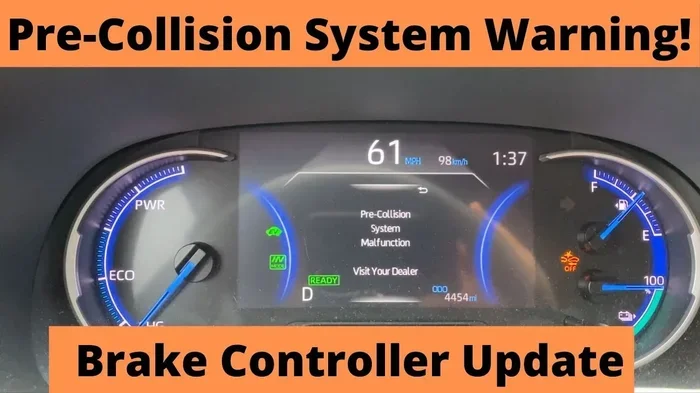
- Check warning lights: If the dashboard warning light stays on, have a dealer inspect the system.
- Update software: Toyota occasionally releases updates that improve system performance. Keep your software current.
Common Issues and Maintenance Tips
The Toyota Pre-Collision System is reliable, but it is not perfect. Here are some common issues and how to handle them.
Warning Light Staying On
If the dashboard warning light for the pre-collision system stays illuminated, it usually means something is wrong. Common causes include a dirty sensor, a damaged camera, or a electrical issue. Do not ignore this light. Take your Toyota to a dealer for a diagnostic check.
Sensor Blockage
The radar sensor needs a clear view of the road. Snow, ice, mud, or even a dirty front bumper can block it. After heavy snow or off-road driving, check that the sensor area is clean. A simple wipe-down can restore full functionality.
False Alerts
Sometimes the system may trigger warnings when there is no real danger. This can happen with reflective surfaces, bridges, or guardrails. While false alerts can be annoying, they are a sign that the system is working. If they happen often, a dealer can recalibrate the sensors.
System Deactivation
The pre-collision system may deactivate temporarily in certain conditions. Heavy rain, fog, or direct sunlight can cause momentary shutdowns. The system usually reactivates once conditions improve. If it does not come back on, have it checked.
Expert Insight: How to Keep the System in Top Shape
According to Toyota service experts, regular maintenance goes a long way. They recommend cleaning the sensor area during every car wash. Also, make sure your windshield is free of cracks near the camera mount. Even a small crack can distort the camera’s view and reduce accuracy. Staying on top of these simple habits keeps your collision avoidance technology working at its best.
Comparison: Toyota Pre-Collision System vs. Other Brands
How does Toyota’s system stack up against the competition? Here is a quick comparison of pre-collision systems across popular brands:
| Feature | Toyota PCS | Honda Sensing | Ford Co-Pilot360 |
|---|---|---|---|
| Radar + Camera Detection | Yes | Yes | Yes |
| Pedestrian Detection | Yes | Yes | Yes |
| Automatic Emergency Braking | Yes | Yes | Yes |
| Steering Assist | Yes (select models) | Yes (select models) | Yes (select models) |
| Adaptive Cruise Control | Yes | Yes | Yes |
| Standard on Base Models | Yes (many trims) | Yes (most trims) | Yes (most trims) |
| Brake Force Suppression | Yes | Yes | Yes |
As you can see, Toyota’s pre-collision system holds its own against competitors. The combination of radar and camera detection is standard across the industry now. Toyota’s system stands out for its wide availability and strong real-world performance.
Key Takeaways
- The Toyota Pre-Collision System uses radar sensors and cameras to detect obstacles ahead and warn drivers of potential crashes.
- Automatic emergency braking and brake assist work together to slow or stop the vehicle if the driver does not respond.
- The system is part of the broader Toyota Safety Sense suite, which includes adaptive cruise control and pedestrian detection.
- Collision avoidance technology has been proven to reduce rear-end accidents and lower crash severity significantly.
- Keeping sensors clean and the software updated ensures the system operates at peak performance.
- The pre-crash system pre-tensions seatbelts and suppresses brake force to maximize safety before impact.
- Toyota’s driver assistance technology is available on a wide range of models, making advanced safety accessible to more buyers.
Frequently Asked Questions
What does the Toyota Pre-Collision System do?
The Toyota Pre-Collision System monitors the road ahead using radar and cameras. It warns you of potential collisions and can apply the brakes automatically if you do not respond. It also tightens seatbelts and prepares the brakes for maximum stopping power.
Can the Toyota Pre-Collision System prevent all accidents?
No system can prevent every accident. However, the collision avoidance technology significantly reduces the risk and severity of crashes. It works best when combined with attentive driving and safe road habits.
Does the Pre-Collision System work at night?
Yes, the system works at night. The radar sensor does not rely on light, so it functions in darkness. The camera-based detection may be less effective in very low light, but the radar still provides reliable detection.
How do I know if my Toyota has the Pre-Collision System?
Check for the Toyota Safety Sense badge on the vehicle. You can also look for the dashboard warning light when you start the car. If you are unsure, check your owner’s manual or ask your Toyota dealer.
Can I turn off the Pre-Collision System?
Yes, Toyota allows you to turn off the system temporarily. There is usually a button near the steering wheel. However, the system will reactivate when you start the engine again. It is recommended to keep it on for maximum safety.
What should I do if the Pre-Collision warning light stays on?
A permanently lit warning light usually indicates a sensor or system issue. Visit a Toyota dealer for a diagnostic check. Keeping the sensor area clean and free of debris often resolves the problem.
=== CONCLUSION ===
The Toyota Pre-Collision System is one of the most important safety features in modern Toyotas. It uses radar sensors, cameras, and smart software to watch the road for you. When danger appears, it warns you, assists your braking, and can even take over to prevent a crash. This driver assistance technology represents Toyota’s commitment to keeping people safe on every journey.
Whether you are a new Toyota owner or considering your next purchase, understanding this system helps you appreciate the value it brings. The pre-collision system is not just a technical feature. It is a real-world safety net that works every time you drive. Keep your sensors clean, stay alert, and let Toyota’s collision mitigation technology do what it does best.
Drive safe, drive smart, and let the Toyota Pre-Collision System be your extra set of eyes on the road.