Where Can I Sleep in My Car If Im Homeless Tonight
Finding a safe place to sleep in your car when you are homeless is possible with the right knowledge. This guide covers legal overnight parking spots, safe locations, and practical tips for car sleeping. Whether you need a rest stop, a Walmart lot, or a 24-hour gym, you will find actionable advice here. Learn where to sleep in your car tonight and stay safe while doing it.
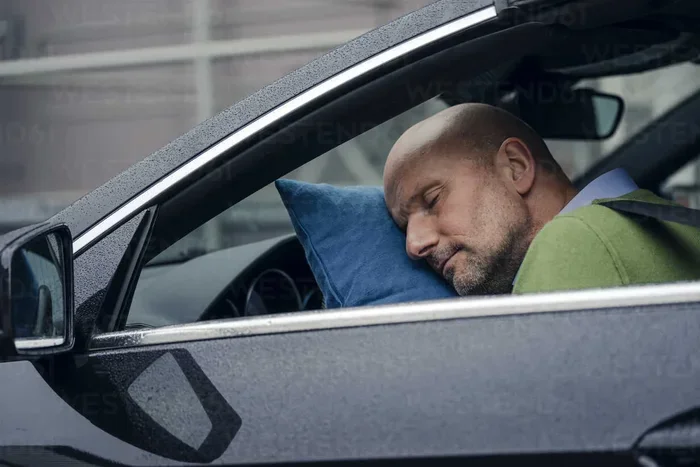
Sleeping in your car is not something anyone plans for. But when you are facing homelessness, your vehicle can become your home, your shelter, and your lifeline. The question “where can I sleep in my car if I am homeless tonight” is one that thousands of people ask every single night. The good news is that there are real, practical options available to you.
This guide walks you through the best places to sleep in your car safely and legally. You will learn about overnight parking spots, safety tips, comfort tricks, and organizations that can help. Whether you are new to car living or have been doing it for a while, this article has something useful for you.
Car sleeping is becoming more common across the country. Rising housing costs, job losses, and unexpected emergencies push more people into vehicle residency every year. Knowing where to go and how to stay safe makes all the difference. Let us dive into the details.
Key Takeaways
- Know Your Options: There are many safe and legal places to sleep in your car, from rest areas to 24-hour gyms and Walmart parking lots.
- Safety Comes First: Always choose well-lit, populated areas and follow basic security precautions to protect yourself and your belongings.
- Check Local Laws: Car sleeping regulations vary by city and state, so knowing the rules helps you avoid fines or towing.
- Comfort Matters: Simple upgrades like window shades, a good sleeping bag, and earplugs can make car sleeping much more bearable.
- Resources Exist: Many organizations and apps are designed specifically to help people experiencing homelessness find safe overnight spots.
- Plan Ahead: Having a routine and a backup plan for each night reduces stress and keeps you safer on the road.
📑 Table of Contents
- Why Sleeping in Your Car Makes Sense When You Are Homeless
- Safe and Legal Places to Sleep in Your Car
- How to Make Your Car Comfortable for Sleeping
- Safety Tips for Overnight Car Sleeping
- Where NOT to Sleep in Your Car
- Resources and Organizations That Can Help
- Building a Routine for Car Living
- Common Mistakes People Make When Car Sleeping
- Expert Insights on Vehicle Residency
- Conclusion
Why Sleeping in Your Car Makes Sense When You Are Homeless
When you do not have a traditional roof over your head, your car offers several real advantages. It provides protection from rain, wind, and cold temperatures. It gives you a sense of privacy and security that sleeping on the street simply cannot match. Your car also stores your belongings safely, which reduces the stress of losing everything you own.
Many people who sleep in their car report feeling safer than they would on the sidewalk. A locked vehicle acts as a barrier against unwanted attention. It also lets you move to a different location if needed, giving you flexibility that a shelter or temporary housing cannot always offer.
The Benefits of Vehicle Dwelling
- Portability: You can move your sleeping location whenever you need to.
- Shelter: A car blocks wind, rain, and cold better than most alternatives.
- Security: Your belongings stay with you and are locked away.
- Privacy: You get a personal space that is yours alone.
- Cost: It is free, which is important when you are on a tight budget.
Of course, car sleeping also comes with challenges. Cold nights can make the interior freezing. Hot days can turn your car into an oven. Noise from passing traffic and nearby people can make rest difficult. But with the right approach, these challenges are manageable.
Safe and Legal Places to Sleep in Your Car
Finding a safe overnight location is the most important part of car sleeping. Not every parking lot is a good choice. Some places welcome vehicle dwellers, while others strictly prohibit it. Knowing where to go saves you from fines, towing, and unsafe situations.
Walmart Parking Lots
Walmart is one of the most well-known options for overnight car sleeping. Many Walmart stores allow overnight parking in their lots. This has become a common practice among car campers and people experiencing homelessness alike. Most locations are well-lit and have security patrols, which adds a layer of safety.
However, not all Walmart stores permit overnight parking. Some have signs that say “No Overnight Parking.” It is always a good idea to ask a store manager before settling in for the night. Being respectful and keeping your area clean goes a long way toward maintaining this option for everyone.
Rest Areas and Highway Pull-Offs
Rest areas along highways can be a decent option for a night’s sleep. They are designed for travelers to take breaks, and many allow overnight stays. Some states have specific rules about how long you can stay, so it helps to know the local regulations before you park.
Rest areas are generally safe because they see regular foot traffic from travelers. However, they can be noisy and bright with headlights passing through all night. If you are a light sleeper, earplugs and a sleep mask can make a big difference.
24-Hour Gyms and Recreation Centers
Many 24-hour gyms allow people to park overnight in their lots. Chains like 24 Hour Fitness, Planet Fitness, and local gyms can be great options. Some gyms even offer day passes for just a few dollars, which gives you access to showers and restrooms as well.
This is an excellent choice because you get the added benefit of being able to freshen up. A shower and a workout can do wonders for your mental health when you are going through a tough time. The gym environment also tends to be safe and well-monitored.
Hospital and Medical Center Parking Lots
Hospital parking lots are another option worth considering. They are usually well-lit, secure, and open 24 hours a day. Many hospitals have large parking structures that are rarely full, even at night.
Keep in mind that some hospitals have strict parking rules and may tow vehicles that stay too long. It is best to park in areas clearly designated for long-term or visitor parking. Being respectful and not overstaying your welcome helps maintain goodwill with hospital staff.
Churches and Religious Organizations
Many churches and religious organizations offer parking for people in need. Some have dedicated programs for vehicle dwellers, while others simply allow people to use their lots overnight. Churches are often welcoming and non-judgmental, which can make a huge difference when you are struggling.
Reaching out to local faith communities is a great step. Even if they cannot offer parking, they may connect you with other resources like food banks, clothing drives, or emergency shelter programs.
Public Parks and Campgrounds
Some public parks and campgrounds allow overnight parking or have areas where you can legally sleep in your car. National forests and Bureau of Land Management areas often have more relaxed rules for dispersed camping. These locations offer a more natural setting and can be much quieter than urban parking lots.
Before you park in a park or campground, check the posted rules. Some areas have time limits or require permits. During fire season or other high-risk periods, some parks may have temporary bans on overnight stays.
Truck Stops and Travel Centers
Truck stops like Pilot, Flying J, and Love’s are designed for people who need a place to rest. They welcome overnight parking and often have security on-site. These locations are well-lit, have restrooms and food available, and tend to be safe environments.
Truck stops can be noisy due to the constant flow of large vehicles. But if you need a safe, well-monitored place to sleep, they are hard to beat. Many also have showers available for a small fee.
How to Make Your Car Comfortable for Sleeping
Once you find a safe location, making your car comfortable is the next priority. A few simple upgrades can turn your vehicle into a livable space. You do not need a lot of money to make a big difference.
Essential Car Sleeping Gear
- Sleeping pad or air mattress: A good pad insulates you from the cold floor of your car and makes sleeping much more comfortable.
- Warm sleeping bag: Invest in a sleeping bag rated for temperatures lower than what you expect to face. Cold nights can be dangerous without proper insulation.
- Window shades: Reflective window shades block cold air in winter and heat in summer. They also provide privacy and block light from passing cars.
- Earplugs and sleep mask: These are small but powerful tools for blocking out noise and light so you can get quality rest.
- Portable fan or heater: Depending on the season, a small fan or a 12V heater can make your car sleeping experience much more bearable.
Tips for Staying Warm in Winter
Cold weather is one of the biggest dangers of car sleeping. Your car loses heat quickly, especially if it is not well-insulated. Here are some practical tips to stay warm:
- Insulate your windows with reflective shades or even emergency blankets taped to the inside of the glass.
- Dress in layers and wear a hat to bed. You lose a lot of heat through your head.
- Use a sleeping pad to insulate yourself from the cold floor.
- Keep a blanket over the windows from the inside to trap heat.
- If possible, crack a window slightly for ventilation while still retaining warmth.
Tips for Staying Cool in Summer
Summer heat can be just as dangerous as winter cold. Your car can quickly become an oven if the sun is beating down on it. Here is how to stay safe:
- Park in shaded areas whenever possible.
- Crack your windows open for airflow.
- Use a portable 12V fan to circulate air inside the car.
- Keep water nearby and stay hydrated throughout the day.
- Cover your windshield with a sunshade when you are parked during the day.
Safety Tips for Overnight Car Sleeping
Safety is the number one priority when you are sleeping in your car. Taking a few precautions can protect you from theft, weather dangers, and other risks. Here are the most important safety tips to follow every single night.
Choose Your Location Wisely
Always park in well-lit, populated areas. Avoid dark, isolated spots where you might be vulnerable to crime or harassment. Gas stations, hospital lots, and well-trafficked commercial areas are generally safer than quiet side streets or wooded areas.
Trust your instincts. If a spot feels wrong or unsafe, leave and find another location. No sleeping arrangement is worth putting your personal safety at risk.
Lock Your Doors and Keep Valuables Hidden
Lock all doors and windows before you go to sleep. Keep your valuables out of sight or locked in the trunk. Do not leave electronics, wallets, or important documents visible on the seats or dashboard.
Some people also crack their windows slightly for ventilation, but not enough for someone to reach through. Finding this balance between airflow and security takes a little trial and error.
Let Someone Know Where You Are
If possible, share your location with a trusted friend or family member. Even a quick text before you settle in for the night can give you and your loved ones peace of mind. Some people also use location-sharing apps on their phones for this purpose.
Be Aware of Local Laws
Car sleeping laws vary widely from one city to the next. Some cities have explicit bans on overnight parking in certain areas. Others have no specific laws against it. Doing a quick search for your local regulations can save you from an unexpected fine or a tow truck.
Understanding vehicle residency laws in your area is an important part of staying safe and legal. If you are unsure, calling your local non-emergency police line can give you clarity on what is and is not allowed.
Practice Good Hygiene
Maintaining basic hygiene is important for your health and your interactions with others. Many gyms, truck stops, and recreation centers offer shower facilities for a small fee or even for free. Using restrooms at gas stations, libraries, or malls during the day helps you stay clean and comfortable.
Good hygiene also helps you maintain a positive presence in the communities where you park. Being respectful and clean makes it more likely that businesses and property owners will continue to welcome vehicle dwellers.
Where NOT to Sleep in Your Car
Just as important as knowing where to sleep is knowing where not to sleep. Some locations are illegal, dangerous, or simply not appropriate for overnight car sleeping.
Residential Neighborhoods
Parking overnight in residential neighborhoods can lead to complaints from neighbors and potential fines from the city. Homeowners may call the police if they see an unfamiliar vehicle parked on the street for multiple nights. This can create tension and put you at risk of being reported.
Private Property Without Permission
Never park on private property without the owner’s permission. Trespassing is a serious offense, and you could be asked to leave or even arrested. Always seek permission first, and respect the property owner’s wishes if they say no.
Fire Zones and No-Parking Areas
Fire zones, bus stops, fire hydrant areas, and clearly marked no-parking zones are strictly off-limits. Parking in these areas can result in immediate towing and fines. These rules exist for public safety reasons, and violating them only creates more problems for everyone.
Areas with Active Construction
Construction sites are dangerous places to sleep at night. Heavy equipment, early morning work crews, and security personnel can all pose risks. Avoid parking near any active construction zone, especially after dark.
Resources and Organizations That Can Help
You do not have to figure out car sleeping on your own. Many organizations and resources exist specifically to help people experiencing homelessness find safe places to sleep.
Homeless Shelters and Emergency Housing
Local homeless shelters are often the first place people think of when they need housing. Many shelters offer beds for the night, and some have extended-stay options for people who need longer-term support. Shelters can also connect you with case workers who help you find more permanent housing solutions.
Not every shelter is a good fit for everyone, and some have restrictions based on gender, age, or other factors. But they remain one of the most important resources available for people facing homelessness.
Apps and Websites for Finding Safe Parking
Several apps and websites have been created to help people find safe overnight parking. Apps like SafeSpot and iSleep connect vehicle dwellers with approved parking locations. These tools are incredibly useful, especially when you are in an unfamiliar city or area.
Some websites also maintain directories of businesses and organizations that welcome overnight car parking. Checking these resources before you hit the road can save you a lot of guesswork and stress.
Local Government and Social Services
Many cities have social service departments that offer emergency housing, rental assistance, and connections to permanent support. Contacting your local social services office or dialing 211 can connect you with resources in your area.
These services may include transitional housing programs, rental vouchers, and case management support. They are designed to help people move from vehicle living into stable, permanent housing.
Building a Routine for Car Living
One of the keys to surviving and even thriving while living in your car is having a routine. Routine gives your days structure and reduces the mental burden of constantly figuring out where to go and what to do next.
Start by setting a consistent wake-up time and a bedtime routine. Use daytime hours to shower, do laundry, apply for jobs, and handle personal business. Reserve evenings for settling into your sleeping spot and getting the rest you need.
Having a backup plan for each night is also important. If your usual spot is unavailable or unsafe, knowing where else you can go reduces panic and stress. Keep a short list of alternative locations in your phone so you always have options.
Common Mistakes People Make When Car Sleeping
There are several common mistakes that people new to car sleeping make. Avoiding these pitfalls can make your experience much safer and more comfortable.
- Falling asleep in the driver’s seat: Always move to the back seat or passenger area for sleeping. Sleeping in the driver’s seat with the keys nearby is a safety risk.
- Leaving the engine running overnight: This wastes fuel and poses a serious carbon monoxide risk. Always turn the engine off before you sleep.
- Ignoring weather conditions: Extreme heat and extreme cold are both dangerous. Check the forecast every night and adjust your plans accordingly.
- Staying in one spot too long: Parking in the same location for multiple nights draws attention and increases the chance of being asked to leave or reported to police.
- Not having a plan for meals: Figure out where you will eat during the day. Libraries, community centers, and food banks are great resources for free meals.
Expert Insights on Vehicle Residency
Experts who work with homeless populations emphasize that vehicle living is often a transitional phase, not a permanent situation. Social workers recommend using car sleeping as a stepping stone toward more stable housing. Building connections with outreach programs, shelters, and social services during this time can open doors to long-term solutions.
“People who sleep in their cars are resourceful and resilient,” says Dr. Maria Torres, a social work professor at the University of Southern California. “The key is connecting them with the right resources at the right time so they can move forward.”
Organizations like the National Alliance to End Homelessness and local housing coalitions offer support, advocacy, and direct services to people living in their vehicles. Reaching out to these groups is one of the most proactive steps you can take toward finding stable housing.
Conclusion
Sleeping in your car when you are homeless is a challenge, but it is not impossible. With the right knowledge and preparation, you can find safe, legal places to rest each night. From Walmart lots to 24-hour gyms, rest areas to churches, there are more options than many people realize.
Car sleeping requires planning, caution, and resilience. By following the safety tips in this guide, building a routine, and connecting with available resources, you can navigate this difficult chapter of your life. Remember that vehicle residency is often temporary, and there are people and organizations ready to help you move toward permanent housing.
You are not alone in this. Thousands of people across the country sleep in their cars every night, and many of them have found their way to stable, permanent homes. With the right approach and the right support, you can too. Where you sleep tonight is just the beginning of your next chapter.
Frequently Asked Questions
Is it legal to sleep in your car at Walmart?
Many Walmart stores allow overnight parking, but policies vary by location. Always check with the store manager before settling in. Some Walmart locations have signs prohibiting overnight stays, so it is best to ask first and be respectful of the rules.
Can you get towed for sleeping in your car?
Yes, you can be towed if you park in a no-parking zone, on private property without permission, or in areas where overnight parking is prohibited. Always check local parking regulations and choose your spot carefully to avoid towing and fines.
How do I stay warm in my car at night?
Use a quality sleeping bag rated for cold temperatures, insulate your windows with reflective shades, dress in layers, and use a sleeping pad to block cold from the floor. Cracking a window slightly for ventilation while keeping blankets inside helps trap warmth safely.
Are there apps to find safe places to sleep in your car?
Yes, apps like SafeSpot and iSleep help vehicle dwellers find approved overnight parking locations. These apps are especially useful when you are traveling or in an unfamiliar area. They connect you with businesses and organizations that welcome car sleepers.
What should I do if I am asked to leave a parking spot?
Always comply politely and move your vehicle immediately. Arguing or resisting can escalate the situation and lead to fines or legal trouble. Keep a list of backup locations on your phone so you always have an alternative ready.
How can I find a homeless shelter near me?
Dialing 211 connects you with local social services and shelter directories. You can also search online for homeless shelters in your city or contact local outreach organizations. Many shelters offer emergency beds and can connect you with longer-term housing resources.