Car Parking Allotment Letter Builder Format Made Simple
A car parking allotment letter builder format helps you draft clear, professional letters for assigning parking spaces. Whether you need a letter for an office, residential complex, or event venue, using a structured builder format saves time and avoids errors. This guide walks you through every step of creating the perfect parking allocation letter with ready-to-use templates and practical examples.
This is a comprehensive guide about car parking allotment letter builder format.
Key Takeaways
- Use a builder format: A structured template ensures your parking allotment letter includes all essential details.
- Save time and effort: Pre-designed formats let you fill in details quickly without starting from scratch.
- Avoid common mistakes: A proper format prevents missing critical information like dates, space numbers, and terms.
- Professional appearance: A well-formatted letter builds trust and credibility with recipients.
- Customizable for any situation: Whether for offices, residences, or events, the builder format adapts easily.
- Legal protection: A clear letter sets expectations and protects both the issuer and the parking holder.
[FEATURED_IMAGE_PLACEHOLDER]
Need to write a letter that confirms someone’s parking space? You are not alone. Many people struggle with putting together a car parking allotment letter builder format that looks professional and covers all the necessary details. Whether you manage a large office building, a residential complex, or a commercial parking facility, having a reliable letter format makes your life much easier.
In this guide, we will walk you through everything you need to know about building a parking allocation letter from scratch. We will cover templates, formats, tips, and common mistakes to avoid. By the end, you will have the confidence and tools to create a polished parking space letter in minutes.
The process does not need to be complicated. With the right approach and a solid letter template for parking, you can handle parking assignments quickly and professionally. Let us dive in and make this easy for you.
What Is a Car Parking Allotment Letter Builder Format?
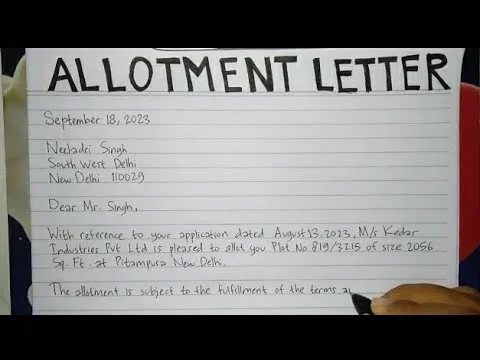
A car parking allotment letter builder format is a structured template that helps you create official letters assigning a specific parking space to a person or organization. Think of it as a fill-in-the-blank framework that ensures you never miss an important detail.
These formats are used by property managers, office administrators, housing societies, and event organizers. They provide a consistent and professional way to communicate parking assignments. Instead of writing a letter from zero each time, you simply update the fields in your parking assignment format.
The builder format typically includes sections for the recipient’s name, the parking space number, the duration of the allotment, and any rules or conditions. It also features your organization’s letterhead and official sign-off. This structure keeps everything organized and official.
Why Do You Need a Builder Format?
Using a formal parking letter format offers several advantages. First, it ensures consistency across all your parking communications. Every recipient gets the same level of professionalism and clarity.
Second, it saves you a significant amount of time. Instead of drafting a new letter each time, you can modify a template in minutes. This is especially helpful when managing hundreds of parking spaces in a large facility.
Third, a builder format reduces errors. When you follow a set structure, you are less likely to forget important details like the lease period, renewal dates, or specific parking rules. This protects both you and the parking holder.
Finally, having a standard parking allocation request format builds trust. Recipients feel confident that the letter is legitimate and official. It adds a layer of professionalism that informal notes simply cannot match.
Key Components of a Parking Allotment Letter
A well-designed parking space letter includes several essential components. Each part serves a specific purpose and contributes to the letter’s clarity and legality. Let us break them down one by one.
Header and Letterhead
The header is the top section of your letter. It should include your organization’s name, logo, address, and contact details. This is what makes the letter look official and credible.
If you do not have a formal letterhead, at minimum include the name of the issuing authority, the date, and a reference number. The date is crucial because it establishes when the parking assignment confirmation was issued.
Recipient Details
Next, you need the recipient’s full name, address, and contact information. This section ensures the letter reaches the right person. For office settings, include the employee’s name and department.
For residential complexes, use the tenant’s name and unit number. Accurate recipient details prevent confusion and ensure the parking rights letter reaches the correct individual.
Parking Space Details
This is the core of your parking allocation format. Include the parking space number, location (such as building name or floor), and type of space (covered, open, reserved, or general). Be as specific as possible.
Also mention the vehicle details if applicable, such as the vehicle type or registration number. This helps security personnel identify the authorized vehicle easily and prevents unauthorized parking.
Duration and Validity
Every parking permit letter should clearly state the start and end dates of the allotment. This removes any ambiguity about how long the parking space is assigned.
Include renewal terms if the parking is for a longer period. For example, you might specify that the allotment renews automatically unless canceled 30 days before expiry. Clear duration terms protect both parties.
Rules and Conditions
No designated parking spot letter is complete without rules. List the conditions the parking holder must follow. These might include no overnight guests, no commercial vehicles, or maintaining cleanliness.
Also mention consequences for violating the rules, such as revocation of the parking pass. Being upfront about conditions prevents misunderstandings later on.
Signature and Authorization
The letter must end with an authorized signature. This could be the property manager, facility head, or housing society president. The signature gives the letter legal weight and shows accountability.
Include the name, title, and contact information of the signatory below the signature. This allows the recipient to verify the authenticity of the parking assignment confirmation.
Step-by-Step Guide to Building a Parking Allotment Letter
Creating a car parking allotment letter builder format is simpler than you might think. Follow these steps, and you will have a professional letter ready in no time.
Step 1: Choose Your Template
Start by selecting a base template that suits your needs. Many word processing tools offer free letter templates that you can customize. Look for templates labeled as “formal business letter” or “official notice.”
If you want a more specialized approach, search for parking allocation letter templates online. These are designed specifically for parking-related communications and include all the right sections.
Step 2: Add Your Organization Details
Fill in the header section with your organization’s information. Include the logo if available, the full name of the organization, the physical address, and a phone number or email.
For businesses, this information usually comes from the company letterhead. For housing societies or residential complexes, use the society’s official details. This step establishes the credibility of your parking space reservation letter.
Step 3: Insert Recipient Information
Enter the recipient’s full name, address, and contact details in the designated section. Make sure the name is spelled correctly and the address is accurate.
Double-check this information before sending. A letter with the wrong recipient details can cause confusion and delays in the parking allocation process.
Step 4: Fill in Parking Details
Now comes the most important part. Enter the parking space number, location, type, and any vehicle-related details. Be precise and avoid vague descriptions.
For example, instead of writing “parking area B,” write “Building B, Ground Floor, Space No. 12.” The more specific you are, the fewer issues you will face later. This level of detail is what separates a good parking assignment format from a great one.
Step 5: Set the Duration and Terms
Clearly state the start date, end date, and any renewal conditions. If the parking is permanent, say so explicitly. If it is temporary, specify the exact end date.
Also include the rules the recipient must follow. Use bullet points for clarity. Make sure the terms are fair and reasonable. A well-defined parking rights letter sets clear expectations for everyone involved.
Step 6: Review and Send
Before finalizing, read through the entire letter carefully. Check for typos, incorrect dates, or missing information. Have a colleague review it if possible.
Once you are satisfied, print the letter on official stationery or send it via email with a digital signature. Keep a copy for your records. This completes your parking allocation request process.
Sample Templates for Different Scenarios
Not all parking allotment letters are the same. Different situations require different approaches. Here are some common scenarios and how your car parking allotment letter builder format should look for each.
Office Employee Parking Letter
For office settings, the letter should include the employee’s name, department, employee ID, and the assigned parking space number. Mention the working days and hours the parking is valid for.
Keep the tone professional and concise. Office parking permit letters often need to be issued in bulk, so a streamlined format works best. Include a clause about transferring the allotment if the employee changes departments.
Residential Tenant Parking Letter
Residential letters should include the tenant’s name, unit number, and the society or building name. Specify whether the parking is included in the rent or charged separately.
These parking allocation letters should also mention visitor parking rules and any maintenance fees associated with the space. A friendly but firm tone works well for residential communications.
Event Venue Parking Letter
For events, the letter should include the event name, date, venue name, and the assigned parking zone. Mention the entry and exit points and any special instructions.
Event parking space assignment letters are often temporary and short-term. Keep the language simple and direct. Include emergency contact numbers for any parking-related issues during the event.
Common Mistakes to Avoid
Even with a solid car parking allotment letter builder format, mistakes can happen. Here are the most common errors and how to avoid them.
Missing Key Details
The biggest mistake is leaving out essential information. Forgetting the parking space number, duration, or recipient name can render the letter useless. Always double-check every field before sending.
Make a checklist of all required details and tick them off as you fill them in. This simple habit can save you from embarrassing errors in your parking allocation format.
Using Vague Language
Avoid phrases like “near the main entrance” or “somewhere in section C.” These are too vague and can lead to disputes. Always use specific space numbers and clear locations.
Precision is the hallmark of a professional parking assignment confirmation. The more specific you are, the fewer questions and complaints you will receive.
Ignoring Legal Requirements
Depending on your location, parking allotment letters may need to comply with local regulations. Some jurisdictions require specific language or disclosures in parking letters.
Consult with a legal expert if you are unsure. A well-crafted parking rights letter not only communicates effectively but also holds up legally if disputes arise.
Forgetting to Keep Records
Always keep copies of every parking allotment letter you issue. These records are invaluable for reference, auditing, or resolving disputes later.
Digital copies are especially useful because they are easy to search and retrieve. A well-organized record system complements your parking space letter and strengthens your overall parking management.
Benefits of Using a Builder Format
Switching to a car parking allotment letter builder format offers numerous benefits that go beyond just saving time. Let us explore some of the key advantages.
First, consistency. When every parking allocation letter follows the same structure, your communications look professional and organized. Recipients trust organizations that communicate clearly and consistently.
Second, efficiency. A builder format allows your team to issue letters quickly, even during peak periods. This is especially valuable for property management companies that handle hundreds of parking assignments every month.
Third, accuracy. A structured format reduces the chances of errors. Every section has a purpose, and following it ensures nothing important gets overlooked in your parking permit letter.
Fourth, scalability. As your organization grows, a builder format scales with you. Whether you need to issue 10 letters or 1,000, the process remains the same. This makes it ideal for businesses and housing societies of all sizes.
Finally, legal protection. A well-drafted formal parking letter serves as a legal record of the parking arrangement. In case of disputes, it provides clear evidence of what was agreed upon. This alone is worth the effort of using a proper builder format.
Expert Tips for Perfecting Your Parking Allotment Letter
Want to take your car parking allotment letter builder format to the next level? Here are some expert tips that make a real difference.
Use bold headings for each section of the letter. This makes the letter easy to scan and reference. Recipients often need to find specific details quickly, and clear headings help them do that.
Include a reference number for every letter you issue. This creates a unique identifier that makes tracking and retrieval effortless. It also adds a layer of professionalism to your parking space reservation letter.
Keep the language simple and direct. Avoid jargon or overly complex sentences. The goal is clear communication, not to impress with vocabulary. A straightforward parking allocation request is more effective than a lengthy one.
Add a section for the recipient’s acknowledgment. Include a line where the recipient can sign to confirm they have received and understood the letter. This creates a paper trail and shows accountability.
Review and update your template regularly. Laws, regulations, and organizational policies change over time. Make sure your parking assignment format reflects the latest requirements and best practices.
Use digital tools when possible. Online builders and document management systems can automate much of the process. They reduce manual effort and minimize human errors in your parking allocation confirmation.
Conclusion
A car parking allotment letter builder format is an essential tool for anyone managing parking spaces. It brings structure, professionalism, and efficiency to what could otherwise be a tedious administrative task. Whether you are handling office parking, residential assignments, or event logistics, a well-designed template makes all the difference.
By following the steps and tips outlined in this guide, you can create clear, comprehensive, and legally sound parking allocation letters with ease. Remember to include all key components, avoid common mistakes, and keep your templates updated.
The effort you invest in perfecting your parking space letter pays off in smoother operations, fewer disputes, and better relationships with parking holders. Start building your letters today, and experience the difference a proper format makes. Your parking management process deserves the simplicity and professionalism that a solid builder format provides.
Frequently Asked Questions
What is a car parking allotment letter builder format?
A car parking allotment letter builder format is a structured template used to create official letters that assign parking spaces to individuals or organizations. It includes all essential sections like recipient details, parking space information, duration, rules, and authorization.
Who can use a parking allotment letter builder?
Anyone who manages parking spaces can use a builder format. This includes property managers, office administrators, housing society committees, event organizers, and facility managers. It is a versatile tool for any situation requiring formal parking assignment communication.
Do I need special software to create a parking allotment letter?
No, you do not need special software. A basic word processor like Microsoft Word or Google Docs is sufficient. You can create a template with the right sections and reuse it for every parking allocation request you need to fulfill.
Can I customize the parking allotment letter template?
Absolutely. The beauty of a car parking allotment letter builder format is its flexibility. You can add, remove, or modify sections based on your specific needs. Just make sure you do not skip any legally required or essential information.
Is a parking allotment letter legally binding?
Yes, a properly drafted parking rights letter can be legally binding. It serves as an official record of the parking arrangement between the issuer and the recipient. To ensure legal validity, include all necessary details and obtain the recipient’s acknowledgment.
How often should I update my parking letter template?
You should review and update your parking assignment format at least once a year or whenever there are changes in regulations, policies, or organizational structure. Keeping your template current ensures it remains effective and compliant.
Frequently Asked Questions
What is car parking allotment letter builder format?
car parking allotment letter builder format is an important topic with many practical applications.