Why Wont My Key Fob Work Even With a New Battery Installed
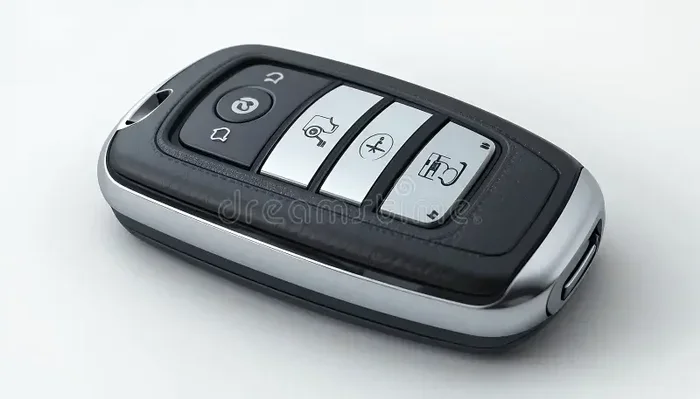
A key fob that still won’t work after installing a new battery is a frustrating problem many car owners face. The issue is often caused by signal interference, a need for reprogramming, water damage, or a defective battery. This guide walks you through every likely cause and gives you clear, step-by-step fixes you can try at home before visiting a dealer.
You just popped open your key fob, slid in a shiny new battery, snapped it back together, and… nothing happens. You press the button. Nothing. You press it again. Still nothing. It’s one of the most frustrating feelings in the modern world, right up there with Wi-Fi that drops at the worst possible moment.
Here’s the thing. A fresh battery should fix the problem. In most cases, it does. But not always. There are several reasons your remote key fob might still sit there quietly even after you’ve done the easy part. And the good news is that most of those reasons are fixable at home without spending a dime.
In this article, we’re going to walk through every possible cause. We’ll cover signal problems, reprogramming needs, water damage, worn contacts, and much more. By the end, you’ll know exactly what to check and how to get your keyless entry working again.
Key Takeaways
- Wrong battery type or brand: Using the wrong CR2032 or a low-quality replacement is one of the top reasons a key fob fails after a battery swap.
- Signal interference and range issues: Electronic devices, metal objects, and even your phone can block the key fob signal and make it seem dead.
- Reprogramming is often required: A new battery sometimes resets the key fob, and you need to reprogram it to reconnect with your vehicle.
- Water or physical damage: Moisture inside the fob housing can corrode the circuit board and cause total failure regardless of the battery.
- Internal button contacts wear out: The rubber buttons or carbon contacts inside the fob can degrade over time and stop working even with fresh power.
- Transponder and immobilizer issues: Your car’s immobilizer system may not recognize the key fob, preventing the engine from starting.
- When to seek professional help: If DIY fixes don’t work, a locksmith or dealer can diagnose deeper electronic problems quickly and affordably.
📑 Table of Contents
- Why Won’t My Key Fob Work Even With a New Battery?
- Reprogramming Your Key Fob After Battery Replacement
- Water Damage and Physical Wear
- Immobilizer and Transponder Issues
- When to Seek Professional Help
- Preventing Key Fob Problems in the Future
- Quick Tips for Immediate Fixes
- Common Mistakes People Make When Their Key Fob Stops Working
- How to Choose the Right Replacement Battery
- Key Takeaways
Why Won’t My Key Fob Work Even With a New Battery?
The answer usually comes down to one of several common culprits. Let’s break them down one by one so you can start fixing the problem right away.
Wrong Battery Type or Brand
This is the number one surprise for people who just replaced their battery. Not all CR2032 batteries are created equal. Some brands deliver less voltage than others. A cheap battery from a dollar store might measure 3 volts when you test it, but it can’t sustain the current your key fob needs to transmit a signal.
Here’s what to check:
- Make sure the battery is the correct size and type for your specific fob model.
- Check the expiration date on the battery. An old battery sitting on a shelf may not hold a full charge.
- Stick with trusted brands like Energizer, Duracell, or Panasonic.
- Verify the battery orientation. The positive side should face up in most fob designs.
A quick test with a multimeter can tell you if the battery is actually delivering the right voltage. If it reads below 2.8 volts, the battery is likely defective even if it’s brand new.
Signal Interference and Range Problems
Sometimes the key fob is working perfectly, but something is blocking the signal. Electronic devices, metal surfaces, and even other wireless signals can create interference that prevents your fob from reaching the car.
Think about where you’re standing when you press the button. Are you inside a parking garage? Next to a large metal structure? Near your phone or a laptop? All of these can reduce the effective range of your remote key fob.
Try these simple fixes:
- Move away from electronic devices and try again.
- Hold the fob directly against the car door handle or the start button.
- Step outside and away from buildings before pressing the button.
- Remove other key fobs or electronic devices from the same pocket or bag.
If the fob works at close range but not from a distance, you’re likely dealing with signal interference rather than a dead fob.
Reprogramming Your Key Fob After Battery Replacement
Here’s a fact many car owners don’t know. Replacing the battery in your key fob can sometimes reset the internal memory. This means the fob loses its pairing with your vehicle. The result? A fob that has power but can’t communicate with the car.
Every vehicle is different, but the reprogramming process usually follows a similar pattern. Most cars require you to sit inside the vehicle, cycle the ignition, and press a sequence of buttons on both the fob and the car’s dashboard.
How to Reprogram a Key Fob at Home
Before you call a dealer, try these general steps. Keep in mind that the exact process varies by make and model, so check your owner’s manual first.
- Sit inside the car with all doors closed.
- Turn the ignition to the “On” position without starting the engine.
- Press and hold the “Lock” button on the fob for several seconds.
- Turn the ignition off, then back to “On” within a few seconds.
- Release the “Lock” button and test the fob.
Some vehicles require you to repeat this sequence with the fob within a specific time window. If you’re unsure, a quick search for your specific vehicle model and year plus “key fob reprogramming” will usually pull up the exact steps.
One important note: if you have a smart key fob with push-button start, the reprogramming process might involve additional steps. Some newer vehicles require a dealer-level tool to reset the transponder key system.
Water Damage and Physical Wear
Water damage is a silent killer of electronic key fobs. Even a small amount of moisture can corrode the circuit board inside the fob housing. And here’s the tricky part. The damage might not be visible to the naked eye. The fob might look perfectly fine on the outside while the internal electronics are slowly failing.
Think about how you use your key fob on a daily basis. Do you carry it in your pocket while doing laundry? Does it get dropped in the sink or caught in the rain? These small exposures add up over time.
Signs of Water Damage
- The fob works intermittently or stops working after exposure to moisture.
- You notice green or white corrosion on the battery contacts inside the fob.
- The fob feels heavier than usual, which can indicate moisture trapped inside.
- Buttons respond weakly or only when pressed very hard.
If you suspect water damage, open the fob carefully and inspect the circuit board. A cotton swab dipped in rubbing alcohol can clean mild corrosion from the contacts. Let the board dry completely before installing a new battery and testing again.
Worn Button Contacts
The rubber buttons inside a key fob take a lot of abuse. They get pressed hundreds of times per week. Over time, the carbon contacts beneath these buttons wear down. This means even with a fresh battery and a clean circuit board, the fob won’t send a signal because the buttons can’t make proper electrical contact.
You can test this by pressing each button and feeling for a slight “snap.” If a button feels mushy or doesn’t spring back, the contact might be worn. In some cases, you can clean the contacts with a small amount of contact cleaner spray. But if the contacts are severely worn, you might need to replace the entire fob housing.
Immobilizer and Transponder Issues
Modern vehicles use an immobilizer system that communicates with your key fob or transponder chip. This is a security feature designed to prevent theft. The car’s computer checks the fob’s unique code before allowing the engine to start. If the system doesn’t recognize the fob, the car won’t crank.
This is different from the keyless entry problem where you can’t lock or unlock the doors. An immobilizer issue specifically affects the engine start function. You might hear the dashboard lights come on, but the engine simply won’t turn over.
Common Immobilizer Problems
- The transponder chip inside the fob is damaged or has shifted position.
- The car’s antenna ring around the ignition cylinder isn’t reading the chip correctly.
- The immobilizer module has lost its programming after a battery disconnect.
- A recent battery replacement reset the fob’s internal memory, breaking the pairing.
If you suspect an immobilizer issue, try placing the fob directly against the start button or the ignition cylinder (depending on your vehicle design). Some cars have a backup antenna location that works better when the fob battery is weak or the signal is faint.
When to Seek Professional Help
Most key fob troubleshooting can be done at home. But there are times when a professional is the right call. If you’ve tried every fix in this guide and your fob still won’t work, it’s time to bring in an expert.
A certified locksmith who specializes in automotive keys can diagnose problems that go beyond a simple battery swap. They have specialized tools to read the fob’s internal circuitry, reprogram the transponder chip, and sync the fob with your vehicle’s computer system.
Here are signs you should call a professional:
- The fob still doesn’t work after replacing the battery and reprogramming it yourself.
- You notice physical damage to the fob housing or circuit board.
- Your car’s dashboard displays a key fob or immobilizer warning light.
- You’ve lost multiple fobs and need to program a new one from scratch.
- The fob works sometimes but not consistently, suggesting an intermittent electrical fault.
Professional help doesn’t have to be expensive. Many locksmiths offer key fob battery replacement and programming services at a fraction of what a dealership charges. It’s worth calling around and getting a few quotes before committing to a dealer visit.
Preventing Key Fob Problems in the Future
Once you’ve got your remote key fob working again, you’ll want to keep it in good shape. Prevention is always easier than troubleshooting. Here are some habits that can extend the life of your fob and reduce the chance of future problems.
Simple Habits for a Long-Lasting Key Fob
- Keep the fob away from extreme heat and cold. Don’t leave it on the dashboard in direct sunlight during summer.
- Store the fob in a dedicated pocket or pouch, not loose in a bag with other electronics.
- Replace the battery every 2 to 3 years even if it still seems to work. This prevents sudden failures.
- Avoid dropping the fob. Impact damage can crack the circuit board or shift internal components.
- Keep the fob dry. If it gets wet, open it up and dry it thoroughly before reinserting the battery.
- Use high-quality name-brand batteries. The extra cost is worth the reliability.
These simple steps take just a few minutes but can save you hours of frustration down the road. A well-maintained key fob should last for many years without any major issues.
Quick Tips for Immediate Fixes
If your key fob isn’t working right now and you need a quick solution, try these fast fixes before anything else.
- The body test: Press and hold the fob button against your chin or chest, then try the car. Your body can act as an antenna and boost the signal enough to unlock the doors.
- The backup key: Most vehicles with keyless entry come with a physical backup key. Use it to get inside, then check the fob battery and contacts.
- The reset trick: Remove the battery, wait 30 seconds, then reinsert it. This simple reset clears temporary glitches in the fob’s electronics.
- Clean the contacts: Use a dry cloth or a cotton swab to clean the battery contacts inside the fob. Corrosion on the contacts is a surprisingly common cause of failure.
These tips won’t fix every problem, but they solve a surprising number of cases. Start with the simplest fix and work your way up to the more involved troubleshooting steps.
Common Mistakes People Make When Their Key Fob Stops Working
When your key fob suddenly stops working, it’s easy to jump to conclusions. But many people make mistakes that waste time and sometimes make the problem worse. Here are the most common ones to avoid.
Assuming the Battery Is the Problem
It’s natural to think a dead fob means a dead battery. But a new battery doesn’t guarantee a working fob. The real problem could be a corroded contact, a damaged circuit board, or a lost programming link between the fob and the car.
Using the Wrong Battery
Not every fob uses a CR2032. Some use CR2025, CR2016, or other battery types. Putting the wrong battery in can cause poor contact, insufficient voltage, or even damage to the fob’s internal components.
Ignoring the Owner’s Manual
Your vehicle’s owner manual contains specific troubleshooting steps and reprogramming instructions for your exact model. Skipping this resource means you might miss the fix that’s right in front of you.
Forcing the Fob Open
Key fobs are designed to be opened carefully. Forcing them with a screwdriver or sharp tool can crack the housing, damage the circuit board, and break the internal buttons. Use the proper prying tool or a flat plastic spudger.
How to Choose the Right Replacement Battery
If you’ve determined that the battery is indeed the problem, choosing the right replacement matters more than you might think. The wrong battery can lead to the same symptoms you’re already experiencing.
- Match the battery type exactly: Check your owner’s manual or the old battery for the correct model number.
- Go for name brands: Energizer, Duracell, Panasonic, and Sony all make reliable batteries with consistent voltage output.
- Check the expiration date: A battery that’s been sitting on a shelf for two years might not perform as well as a fresh one.
- Buy in small quantities: Key fob batteries last a long time. There’s no need to buy a bulk pack that might expire before you use them.
When you install the new battery, make sure the contacts are clean and the battery sits firmly in its seat. A loose battery can cause intermittent problems that mimic a dead fob.
Key Takeaways
- Wrong battery type or brand: Using the wrong CR2032 or a low-quality replacement is one of the top reasons a key fob fails after a battery swap.
- Signal interference and range issues: Electronic devices, metal objects, and even your phone can block the key fob signal and make it seem dead.
- Reprogramming is often required: A new battery sometimes resets the key fob, and you need to reprogram it to reconnect with your vehicle.
- Water or physical damage: Moisture inside the fob housing can corrode the circuit board and cause total failure regardless of the battery.
- Internal button contacts wear out: The rubber buttons or carbon contacts inside the fob can degrade over time and stop working even with fresh power.
- Transponder and immobilizer issues: Your car’s immobilizer system may not recognize the key fob, preventing the engine from starting.
- When to seek professional help: If DIY fixes don’t work, a locksmith or dealer can diagnose deeper electronic problems quickly and affordably.
Frequently Asked Questions
Can a new key fob battery be defective right out of the package?
Yes, it happens more often than you’d think. Batteries can be defective from the factory, or they might have been sitting on a shelf too long. Always check the expiration date and test the voltage with a multimeter if you have one. A fresh CR2032 battery should read 3.0 volts or higher when tested.
How do I know if my key fob needs reprogramming?
If your key fob has power (the buttons light up or you hear a click) but the car doesn’t respond, reprogramming is likely needed. You can also check your owner’s manual for the specific reprogramming procedure for your vehicle model. Most reprogramming takes just a few minutes to complete.
Does cold weather affect key fob battery performance?
Absolutely. Cold temperatures reduce a battery’s ability to deliver current. If your fob works fine indoors but fails in the cold, the battery might be weak or the cold is simply reducing its output. Keeping a spare battery in your glove box during winter is a smart move.
How much does it cost to replace a key fob at a dealership?
Dealership key fob replacement costs vary widely by vehicle make and model. For most cars, you can expect to pay between $150 and $500 for the fob itself plus programming fees. An independent automotive locksmith often provides the same service at a lower cost, typically $75 to $200.
Can I use a universal key fob instead of the factory one?
Universal fobs are available and can work, but they require programming to match your vehicle. Some universal fobs offer more features than your original, while others might not support all functions like remote start or trunk release. Make sure any universal fob is compatible with your specific vehicle before purchasing.
Why does my key fob work sometimes but not others?
Intermittent key fob failure is usually caused by a weak battery, corroded contacts, or a damaged circuit board. The fob might work when the battery is making partial contact but fail when the contact is inconsistent. Cleaning the battery contacts and trying a new battery are the first steps to resolve this issue.
=== CONCLUSION ===
A key fob that won’t work even after installing a new battery is a solvable problem. The causes range from simple (wrong battery brand, signal interference) to more complex (reprogramming needs, water damage, transponder issues). The key is to work through the possibilities systematically rather than guessing.
Start with the basics. Check the battery type, clean the contacts, and try the reset trick. If those don’t work, move on to reprogramming and checking for physical damage. Most people find the solution somewhere in the first half of this list.
And if you’ve exhausted every DIY option, don’t hesitate to call a professional. A qualified locksmith or automotive technician has the tools and expertise to diagnose even the trickiest key fob signal problems. You’ll be back to locking and unlocking your car with a single button press before you know it.
Take care of your keyless entry system, replace the battery proactively, and keep your fob dry and protected. These small habits pay off big time in the long run. Your fob will thank you by working reliably every single time you need it.