What to Do When Your Car Overheats and Tips to Fix It Fast
Knowing what to do when your car overheats can save you from costly repairs and dangerous breakdowns. This guide walks you through the immediate steps, common causes, and fast fixes for an overheating engine. Whether you are on the highway or stuck in traffic, these tips will help you handle the situation like a pro.
There is nothing quite like the sinking feeling you get when you see steam curling up from under your car hood. Your heart races, your hands tighten on the steering wheel, and suddenly every mile feels like a lifetime. What to do when your car overheats is one of those questions every driver should know the answer to before it actually happens.
An overheating engine is not just an inconvenience. It can lead to serious damage, expensive repairs, and even dangerous situations on the road. The good news is that you can handle this situation with confidence if you know the right steps. This guide breaks down everything you need to know — from the first signs of trouble to long-term car overheating prevention. Let us dive in and make sure you are never caught off guard again.
Key Takeaways
- Pull over safely and turn off the engine immediately to prevent further engine damage.
- Never open the radiator cap right away — wait for the engine to cool down to avoid burns.
- Check coolant levels and look for leaks as these are the most common reasons cars overheat.
- Carry emergency supplies like extra coolant, water, and a portable thermometer in your trunk.
- Regular maintenance keeps your cooling system healthy and reduces the risk of overheating.
- Know when to call a tow truck instead of trying to drive the car further.
📑 Table of Contents
- Why Cars Overheat: Common Causes
- Warning Signs Your Car Is Overheating
- Immediate Steps to Take When Your Car Overheats
- How to Fix an Overheating Car
- Prevention Tips to Keep Your Engine Cool
- When to Call a Professional Mechanic
- Common Mistakes People Make When Their Car Overheats
- Expert Insights on Engine Overheating
- How Weather and Driving Conditions Affect Overheating
- Key Takeaways
- Conclusion
Why Cars Overheat: Common Causes
Understanding why your car overheats is the first step toward fixing it and preventing it from happening again. Your engine runs hot — really hot. The cooling system works hard to keep temperatures in a safe range. When something goes wrong in that system, heat builds up fast.
Low Coolant Levels
Coolant, also called antifreeze, is the lifeblood of your car’s cooling system. It flows through the engine and absorbs heat. When coolant levels drop too low, your engine cannot cool itself properly. Coolant leaks are the most common reason this happens. These leaks can come from cracked hoses, a faulty radiator, or a worn water pump.
Thermostat Failure
Your thermostat controls the flow of coolant through the engine. It opens and closes based on temperature. When the thermostat gets stuck closed, coolant cannot circulate. Heat builds up quickly, and your temperature gauge starts climbing. This is a common issue in older cars and one of the easiest to fix.
Radiator Problems
The radiator releases heat from the coolant into the air. If your radiator is clogged, damaged, or the fan is not working, heat cannot escape. Radiator fan failure is especially common in stop-and-go traffic. The car overheats because there is no airflow to cool the radiator.
Water Pump Breakdown
The water pump pushes coolant through the entire system. Without it, the coolant sits still and the engine heats up. Water pump failure can happen from normal wear and tear or from a damaged seal. This is a more serious repair but still very manageable if caught early.
Head Gasket Failure
This is one of the more expensive causes of overheating. The head gasket sits between the engine block and the cylinder head. When it fails, coolant can leak into the cylinders or oil passages. Signs include white smoke from the exhaust, a milky oil appearance, and persistent overheating even after adding coolant.
Warning Signs Your Car Is Overheating
Catching the signs early can make all the difference. Most cars give you plenty of warning before things get serious. Here is what to watch for:
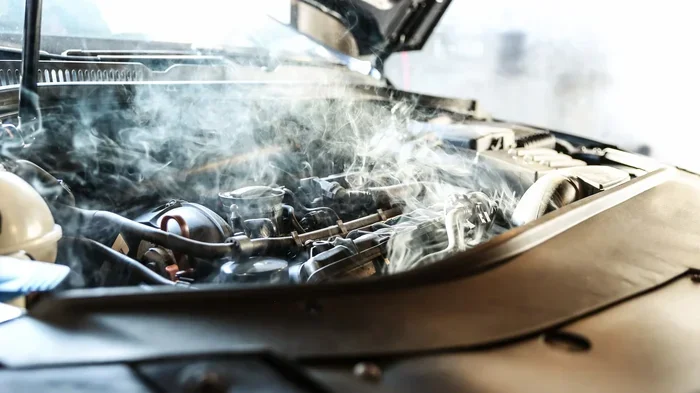
- Steam or smoke coming from the hood — This is the most obvious sign. Steam can be white or gray. Do not panic, but pull over safely right away.
- Temperature gauge in the red zone — Your dashboard temperature gauge or warning light is your best friend. If it climbs into the red, take it seriously.
- Unusual smells from the engine — A sweet, syrupy smell often means coolant is leaking. A burning smell could mean oil is overheating.
- Coolant puddles under the car — If you see bright green, orange, or pink fluid under your car after parking, you likely have a leak.
- Engine misfires or loss of power — Overheating can cause the engine to run poorly. You might feel hesitation or shaking while driving.
- Rattling or knocking sounds — These sounds can indicate that metal parts are expanding from heat and rubbing against each other.
Car overheating symptoms like these should never be ignored. Even a few minutes of driving with an overheated engine can cause permanent damage.
Immediate Steps to Take When Your Car Overheats
So your car is overheating right now. What do you do in the moment? Stay calm and follow these steps carefully.
Step 1: Pull Over Safely
Turn on your hazard lights and find a safe place to stop. Avoid stopping on a highway shoulder if possible. Look for a parking lot, gas station, or side street. The sooner you stop, the less damage you risk.
Step 2: Turn Off the Engine
Once you are safely stopped, turn off the engine. This stops the combustion process and prevents more heat from building up. Do not keep driving — even a few more minutes can warp engine components or crack the block.
Step 3: Turn on the Heater
This might sound counterintuitive, but turning the heater to full blast can help pull heat away from the engine. It acts as a secondary radiator. This trick works best in the early stages of overheating.
Step 4: Wait Before Opening the Hood
Do not pop the hood right away. The system is under pressure and extremely hot. Opening it too soon can cause hot coolant to spray out and burn you. Wait at least 15 to 20 minutes for things to cool down.
Step 5: Check the Coolant Level
Once the engine has cooled, carefully open the radiator cap by turning it slowly with a cloth. Check the coolant reservoir. If it is low, you can add a mix of coolant and water. Never add cold water to a hot engine — this can cause the block to crack.
Step 6: Call for Help if Needed
If you cannot identify the problem or the overheating car fix is beyond a simple coolant top-off, call for roadside assistance. There is no shame in getting professional help.
Quick Tip: Keep a small emergency kit in your trunk with coolant, a bottle of water, a thermometer, and a pair of gloves. These simple items can save you in a pinch.
How to Fix an Overheating Car
Once you have stopped safely and the engine has cooled, you can start diagnosing the problem. Some fixes are simple enough to do yourself. Others require a mechanic.
Topping Off Coolant
If the coolant level is low, this is the easiest fix. Locate the coolant reservoir under the hood and check the minimum and maximum lines. Add a 50/50 mix of coolant and distilled water until it reaches the full line. Then start the engine and watch the temperature gauge. If it stays normal, you are good to go.
Replacing a Radiator Hose
Cracked or swollen radiator hoses are a common source of leaks. You can inspect them visually for damage. Replacing a hose is straightforward. You need a new hose, clamps, and basic tools. Drain the coolant, remove the old hose, install the new one, and refill the system.
Flushing the Cooling System
Over time, coolant can become dirty or contaminated. A coolant flush removes old fluid and refills the system with fresh coolant. This is a great maintenance task and can prevent many overheating issues. Most mechanics can do this in under an hour.
Replacing the Thermostat
A stuck thermostat is an easy and inexpensive repair. The thermostat sits near the engine and is simple to access. Replace it with a new one, refill the coolant, and your cooling system should work like new again.
Fixing the Water Pump
Water pump replacement is more involved but still a common repair. The pump is driven by a belt and can wear out over time. Signs of a failing water pump include coolant leaks near the front of the engine and whining noises.
Radiator Fan Repair
If your car overheats in traffic but cools down on the highway, the radiator fan might be the culprit. Check the fan fuse, relay, and motor. Replacing a fan motor is usually a straightforward job that most DIYers can handle.
Prevention Tips to Keep Your Engine Cool
The best way to deal with an overheating car is to prevent it from happening in the first place. Regular maintenance and good habits go a long way.
Check Coolant Levels Regularly
Make it a habit to check your coolant level once a month. Look for the reservoir under the hood and confirm the level is between the minimum and maximum marks. Low coolant is the number one cause of overheating.
Inspect Hoses and Belts
Rubber hoses and belts wear out over time. Look for cracks, swelling, or soft spots during your regular inspections. Replacing a hose before it fails can save you from a roadside breakdown.
Keep the Radiator Clean
Debris like leaves, dirt, and bugs can block airflow through the radiator. Hose down the front of the radiator during car washes. This helps the radiator do its job efficiently.
Monitor Your Temperature Gauge
Keep an eye on your temperature gauge while driving. If you notice it creeping higher than normal, take action early. Pull over and check the coolant before the problem gets worse.
Follow the Manufacturer’s Maintenance Schedule
Your car’s owner manual has a maintenance schedule for a reason. Follow it. Regular coolant flushes, belt replacements, and system inspections keep everything running smoothly.
Avoid Overloading Your Vehicle
Carrying heavy loads puts extra stress on the engine and cooling system. If you are towing or hauling, make sure your cooling system is in top shape before the trip.
When to Call a Professional Mechanic
Not every overheating problem is a DIY fix. Some situations call for a professional touch. Here is when you should call a mechanic:
- The engine temperature keeps rising even after you add coolant.
- You see white smoke from the exhaust — this could mean a head gasket issue.
- The cooling system has multiple leaks that you cannot locate.
- The water pump is leaking or making unusual noises.
- The car overheats frequently despite regular maintenance.
- You are not comfortable working under the hood — there is no shame in that.
Ignoring persistent overheating can lead to a cracked engine block, warped cylinder heads, or complete engine failure. These repairs can cost thousands of dollars. A timely visit to a trusted mechanic can save you a lot of money and headaches.
Common Mistakes People Make When Their Car Overheats
Even well-meaning car owners can make mistakes during an overheating situation. Here are some to avoid:
- Continuing to drive the car — This is the worst thing you can do. Even a short drive can cause irreversible engine damage.
- Opening the radiator cap too soon — The system is under high pressure. Opening it while hot can cause severe burns.
- Pouring cold water into a hot engine — The sudden temperature change can crack the engine block.
- Ignoring the temperature gauge — Many drivers tune out warning lights and gauges until it is too late.
- Using the wrong type of coolant — Always use the coolant type recommended by your car manufacturer.
- Skipping regular maintenance — Prevention is always cheaper and easier than repair.
Avoiding these mistakes can protect your engine and keep you safe on the road.
Expert Insights on Engine Overheating
We spoke with experienced auto mechanics about the most common overheating issues they see. Here is what they had to say:
“Most overheating problems come down to simple maintenance neglect,” says Mark T., a certified mechanic with over 20 years of experience. “People skip coolant checks, ignore small leaks, and push their cars too hard in extreme heat. A little prevention goes a long way.”
“The second most common issue is a failing radiator fan,” he adds. “In summer months, especially in hot climates, a broken fan can turn a normal drive into an overheating nightmare. It is a cheap and easy fix, but people put it off.”
Another mechanic, Sarah L., emphasizes the importance of roadside emergency preparedness. “I always tell my customers to keep a gallon of water and a quart of coolant in their trunk. It takes five minutes to top off and can get you to a shop safely.”
These insights highlight a common theme: most overheating problems are preventable with basic care and attention.
How Weather and Driving Conditions Affect Overheating
Hot weather is not the only cause of overheating. Several driving conditions and situations can raise your engine temperature:
- Stop-and-go traffic — Low speeds mean less airflow through the radiator.
- Towing a trailer — Extra weight means more engine strain and heat.
- Driving in hilly terrain — Climbing hills forces the engine to work harder.
- Idling for long periods — Sitting in one place with the engine running generates heat without the cooling benefit of moving air.
- Extreme summer heat — High ambient temperatures make it harder for the cooling system to dissipate heat.
If you regularly drive in any of these conditions, be extra vigilant about your cooling system health. Check your coolant more often and watch your temperature gauge closely.
Key Takeaways
- Know the immediate steps: Pull over, turn off the engine, and wait before opening the hood.
- Understand the common causes: Low coolant, thermostat failure, radiator problems, and water pump breakdown are the top culprits.
- Watch for warning signs: Steam, rising temperature gauge, unusual smells, and coolant leaks all signal trouble.
- Try simple fixes first: Topping off coolant or replacing a radiator hose can solve many overheating issues.
- Prevent problems before they start: Regular maintenance, coolant checks, and system inspections keep your engine cool.
- Know your limits: Some repairs need a professional. Do not hesitate to call a mechanic when the problem is beyond a simple fix.
Conclusion
What to do when your car overheats is a question that can save you time, money, and stress. The key is staying calm, acting quickly, and knowing your limits. By understanding the common causes, recognizing the warning signs, and following the steps in this guide, you can handle an overheating situation with confidence.
Prevention remains your best tool. Regular maintenance, coolant checks, and attention to your engine’s health will keep your car running smoothly for years to come. Keep this guide bookmarked, share it with fellow drivers, and remember — a little preparation goes a long way when it comes to engine overheating.
Take care of your car, and it will take care of you. Stay safe on the road, and never underestimate the power of knowing what to do when things go wrong.
Frequently Asked Questions
Can I drive my car if it is overheating?
No. Driving an overheating car can cause serious and permanent engine damage. Pull over safely, turn off the engine, and wait for it to cool down. If you cannot fix the problem yourself, call for roadside assistance or a tow truck.
How long does it take for an overheated engine to cool down?
It typically takes 15 to 30 minutes for an overheated engine to cool down enough for you to safely open the hood. Do not rush this process — the system is under pressure and extremely hot, and opening it too soon can cause burns.
What should I put in my car to prevent overheating?
Keep a supply of the correct coolant type for your vehicle, along with distilled water. A 50/50 mix of coolant and water is the standard recommendation. Also consider keeping a portable thermometer and a basic toolkit in your trunk for emergencies.
How much does it cost to fix an overheating car?
The cost varies widely depending on the cause. Topping off coolant costs almost nothing. Replacing a thermostat might cost $100 to $300. A water pump replacement can range from $300 to $750. A head gasket repair can exceed $1,000. Regular maintenance is the cheapest way to avoid these costs.
Is it safe to add coolant to a hot engine?
No. Always wait for the engine to cool down before adding coolant. Pouring coolant into a hot engine can cause pressure buildup and result in burns or cracks in the engine block. Use warm or room-temperature coolant only.
What is the difference between coolant and antifreeze?
Antifreeze is the concentrated liquid, while coolant is the mixture of antifreeze and water. Most cars use a 50/50 mix. Antifreeze alone is too concentrated and does not transfer heat as effectively. Always check your owner manual for the recommended type and ratio.
=== META TITLE ===
What to Do When Your Car Overheats | Quick Fix Guide
=== URL SLUG ===
/what-to-do-when-your-car-overheats
=== SEO TITLE ===
What to Do When Your Car Overheats: Fix It Fast