How Long Does a Full Car Diagnostic Take to Complete
A full car diagnostic typically takes between 30 minutes and 2 hours, depending on your vehicle’s age, the type of scan performed, and any issues the diagnostic tool uncovers. Modern onboard diagnostics systems make the process fast, but deeper checks like transmission diagnostics or emission testing can add extra time. Understanding what happens during a vehicle diagnostic test helps you plan your visit and avoid surprises.
You dropped your car off at the shop. The mechanic said they would run a full car diagnostic. Now you are sitting in the waiting room wondering, “How long is this going to take?”
It is a common question. Whether your check engine light just came on or you are doing routine car maintenance, knowing what to expect helps you plan your day. The good news is that most vehicle diagnostic tests do not take very long. But several factors can shorten or stretch the timeline.
In this guide, we will walk you through everything you need to know about car diagnostic time. You will learn what happens during the scan, why some tests take longer, and how to get the most out of your visit. Let us dive in.
Key Takeaways
- Average Time: Most full car diagnostics take 30 minutes to 2 hours to complete.
- Simple Scan: A basic OBD2 scan reads error codes quickly, often in under 10 minutes.
- Complex Issues: Deeper problems involving the transmission, engine, or multiple systems can extend the process to 2+ hours.
- Vehicle Age Matters: Older cars without modern onboard diagnostics may require more manual testing.
- Regular Testing: Scheduling a car diagnostic test every 6 to 12 months helps catch small problems before they become expensive repairs.
- Cost Varies: Diagnostic fees range from $50 to $200 depending on the depth of the scan and your location.
📑 Table of Contents
- What Is a Full Car Diagnostic?
- How Long Does a Full Car Diagnostic Take to Complete?
- What Happens During a Car Diagnostic Test?
- Factors That Affect Diagnostic Time
- Common Issues Found During a Full Diagnostic
- How Often Should You Get a Full Car Diagnostic?
- Quick Tips for Getting the Most Out of Your Diagnostic
- Common Mistakes People Make with Car Diagnostics
- Expert Insights on Car Diagnostic Timing
- Key Takeaways
- Frequently Asked Questions
- Conclusion
What Is a Full Car Diagnostic?
A full car diagnostic is a comprehensive check of your vehicle’s computer systems. Think of it like a health checkup for your car. Modern vehicles have dozens of sensors and computer modules that monitor everything from engine performance to brake function.
When something goes wrong, these systems store diagnostic trouble codes, also known as DTCs. A mechanic plugs in a scanning tool to read these codes and understand what is happening under the hood.
What Does the Diagnostic Tool Do?
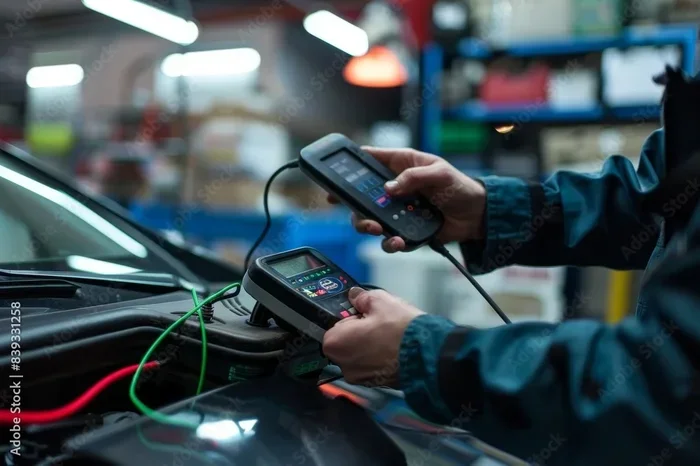
The OBD2 scanner (On-Board Diagnostics version 2) is the most common tool used today. It connects to your car’s ECU, or Engine Control Unit. From there, it pulls data from multiple systems:
- Engine performance and fuel mixture
- Emission control systems
- Transmission shifting patterns
- Brake system sensors
- Battery and charging system
- Air conditioning and climate control
- Suspension and stability sensors
Each of these systems gets a health report. The mechanic reviews the data and identifies any fault codes or areas of concern. This gives a clear picture of your car’s overall condition.
How Long Does a Full Car Diagnostic Take to Complete?
Here is the short answer: most full car diagnostics take between 30 minutes and 2 hours. But the real answer depends on several things. Let us break it down.
Basic OBD2 Scan: 10 to 20 Minutes
A basic diagnostic scan is the quickest option. The mechanic plugs in the OBD2 scanner, reads the stored codes, and clears any minor faults. This is ideal if your check engine light just popped on and you want a quick answer.
Many quick-lube shops and auto parts stores offer this service for free or a small fee. It is fast and gives you a good starting point. If the codes point to a simple fix, you might be in and out in under 20 minutes.
Full Comprehensive Diagnostic: 1 to 2 Hours
A comprehensive diagnostic goes much deeper. The mechanic does not just read codes. They also:
- Test drive the vehicle to reproduce the issue
- Check live data streams from multiple sensors
- Inspect physical components like belts, hoses, and wiring
- Run emission testing protocols
- Review transmission adaptive learning data
This thorough approach takes more time. But it gives a much more complete picture of your vehicle’s health. If multiple systems show issues, the mechanic may need extra time to investigate each one.
Complex or Specialized Diagnostics: 2 to 4 Hours
Some vehicles need more involved testing. Luxury cars, European models, and newer EVs often have complex computer networks. Diagnosing issues in these systems can take longer.
For example, a transmission diagnostic on a modern automatic transmission may require specialized equipment and a road test. Similarly, hybrid vehicle diagnostics involve high-voltage systems that require extra safety protocols. In these cases, expect the process to take 2 to 4 hours.
Comparison Table: Diagnostic Types and Time
| Diagnostic Type | Typical Time | What It Covers |
|---|---|---|
| Basic OBD2 Scan | 10 to 20 minutes | Error codes and check engine light issues |
| Standard Full Diagnostic | 30 minutes to 1 hour | Engine, emissions, and major systems |
| Comprehensive Diagnostic | 1 to 2 hours | All computer modules, live data, and test drive |
| Specialized/Complex Diagnostic | 2 to 4 hours | Transmission, hybrid systems, luxury vehicles |
What Happens During a Car Diagnostic Test?
Knowing the steps helps you understand why the process takes the time it does. Here is a typical car diagnostic test workflow:
Step 1: Connecting the Scanner
The mechanic locates your car’s OBD2 port. This is usually found under the dashboard on the driver’s side. They plug in the diagnostic tool and power it on. The connection takes just a few seconds.
Step 2: Reading Error Codes
The scanner communicates with your car’s ECU and pulls any stored fault codes. Each code corresponds to a specific issue. For example, code P0301 means a misfire in cylinder one. The mechanic records all codes and notes which systems are affected.
Step 3: Analyzing Live Data
Beyond stored codes, the scanner reads real-time data from sensors. This includes things like engine RPM, coolant temperature, oxygen sensor readings, and fuel trim values. Analyzing this data helps the mechanic spot patterns that static codes alone cannot reveal.
Step 4: Physical Inspection
If the codes point to a specific area, the mechanic will visually inspect those components. They check for worn belts, loose connections, fluid leaks, or damaged wiring. This hands-on step is essential because some problems do not show up as codes.
Step 5: Test Drive (If Needed)
For intermittent issues, a test drive is often necessary. The mechanic drives the car while monitoring live data to reproduce the problem. This step adds time but is invaluable for diagnosing hard-to-find faults.
Step 6: Report and Recommendations
Finally, the mechanic compiles all findings into a report. They explain what the codes mean, what repairs are needed, and provide a car repair estimate. This is your chance to ask questions and understand the next steps.
Factors That Affect Diagnostic Time
Not every full car diagnostic takes the same amount of time. Several factors can speed up or slow down the process.
Vehicle Age and Model
Newer vehicles have more advanced onboard diagnostics systems. They also have more computer modules to scan. A 2023 SUV might take longer than a 2010 sedan simply because there is more data to process. On the other hand, older vehicles without OBD2 compatibility may require more manual testing, which also adds time.
Severity of the Problem
A simple check engine light caused by a loose gas cap takes minutes to diagnose. But if the light is triggered by a complex issue like a failing catalytic converter or sensor malfunction across multiple systems, the diagnostic takes longer. More codes mean more analysis.
Shop Equipment and Expertise
The quality of the diagnostic equipment matters. Basic scanners read generic codes. Advanced professional diagnostic tools can access manufacturer-specific data, perform active tests, and reset adaptations. Shops with better equipment often work faster and more accurately.
Whether Additional Tests Are Needed
If the initial scan reveals issues, the mechanic may need to run follow-up tests. For example, a brake system check or a battery load test might be added. These extra steps extend the total time but provide a more thorough diagnosis.
Shop Workload
Busy shops may have a queue of vehicles waiting for diagnostics. While the actual scanning process does not change, your wait time for the results might be longer if the shop is backed up.
Common Issues Found During a Full Diagnostic
Understanding what mechanics typically find during a vehicle diagnostic test helps you prepare for the results. Here are some of the most common issues:
- Loose or damaged gas cap — one of the simplest fixes and a common cause of the check engine light
- Faulty oxygen sensors — these affect fuel economy and emissions
- Catalytic converter failure — a costly repair if ignored too long
- Spark plug or ignition coil problems — causes misfires and rough idling
- Mass airflow sensor issues — leads to poor engine performance
- Transmission slipping — often flagged during transmission diagnostic scans
- Battery or alternator problems — affects starting and electrical systems
- EVAP system leaks — related to the fuel vapor recovery system
Catching these issues early through regular auto diagnostic testing can save you hundreds of dollars in repairs. A small sensor problem today can become a major engine issue tomorrow if left unchecked.
How Often Should You Get a Full Car Diagnostic?
Many car owners wait until something goes wrong before getting a diagnostic. But proactive car maintenance can prevent breakdowns and extend your vehicle’s lifespan.
Recommended Diagnostic Schedule
Here is a general guideline for how often to get your car scanned:
- Every 6 months: A routine diagnostic check catches small issues before they grow
- After any warning light: Never ignore a check engine light or other dashboard warning
- Before a long trip: A pre-trip diagnostic ensures your vehicle is road-ready
- After repairs: A follow-up scan confirms the fix resolved the issue
- During annual inspection: Many states require emission testing that involves a diagnostic scan
Signs You Need a Diagnostic Soon
You do not need to wait for a scheduled appointment if you notice any of these warning signs:
- The check engine light is on or flashing
- Unusual noises from the engine or brakes
- Poor fuel economy without explanation
- Rough idling or stalling
- Difficulty starting the car
- Strange smells, especially burning or exhaust fumes
- Warning lights on the dashboard beyond the check engine light
Quick Tips for Getting the Most Out of Your Diagnostic
Follow these practical tips to make your car diagnostic experience smooth and productive:
- Note the symptoms. Before you visit the shop, write down when the problem happens. Is it at idle? Under acceleration? When cold? These details help the mechanic narrow down the cause.
- Bring your maintenance records. A car maintenance schedule history gives the mechanic context. They can see what was recently repaired or serviced.
- Ask questions. Do not be afraid to ask the mechanic to explain the fault codes in plain language. A good shop will walk you through every finding.
- Get a written estimate. Before any repair work begins, ask for a car repair estimate. This protects you from unexpected costs.
- Do not ignore the check engine light. Even if the car seems to drive fine, a lit warning light means something needs attention. Early detection saves money.
- Choose a reputable shop. Look for ASE-certified technicians who use professional diagnostic equipment. Quality diagnostics lead to quality repairs.
Common Mistakes People Make with Car Diagnostics
Avoid these pitfalls to get the best results from your vehicle diagnostic test:
- Ignoring warning lights: Many drivers cover up a check engine light with a piece of tape and keep driving. This can turn a $50 fix into a $1,000 repair.
- Using cheap code readers: A basic fault code reader from an auto parts store gives you the code but not the full picture. Professional tools provide deeper analysis.
- Skipping follow-up scans: After a repair, always get a follow-up diagnostic scan to confirm the issue is resolved.
- Choosing the cheapest option: The lowest-priced diagnostic may only read generic codes. A thorough full car diagnostic costs more but delivers better value.
- Not asking for a detailed report: Ask the mechanic to explain what each code means and why it matters. Understanding the problem helps you make informed decisions.
Expert Insights on Car Diagnostic Timing
ASE-certified master technician Mike Ashford shares this advice: “I always tell customers that a thorough diagnostic is an investment, not an expense. Spending an extra 30 minutes on a comprehensive scan can prevent a $2,000 repair down the road. Most full car diagnostics take about an hour, and that hour can save you thousands.”
Automotive specialist Sarah Chen adds: “The key is finding a shop that uses modern diagnostic equipment and takes the time to explain their findings. A rushed diagnostic often misses the root cause, leading to repeat visits and higher costs.”
Both experts agree on one thing: regular diagnostic testing is the best way to keep your vehicle healthy and avoid surprise breakdowns.
Key Takeaways
- A full car diagnostic typically takes 30 minutes to 2 hours depending on the depth of the scan.
- Basic OBD2 scans are quick, often under 20 minutes, and ideal for simple check engine light issues.
- Comprehensive diagnostics involve test drives, live data analysis, and physical inspections, taking 1 to 2 hours.
- Vehicle age, problem complexity, and equipment quality all affect how long the process takes.
- Regular diagnostic testing every 6 months helps catch small issues before they become expensive repairs.
- Always ask for a detailed report and a written car repair estimate before approving any work.
Frequently Asked Questions
Can I drive my car while the check engine light is on?
In most cases, yes. A steady check engine light usually means the issue is not an immediate emergency. However, if the light is flashing, pull over safely and get your vehicle towed. A flashing light often signals a serious problem like an engine misfire that can damage the catalytic converter.
Is a full car diagnostic expensive?
Most shops charge between $50 and $200 for a full car diagnostic. The cost depends on the type of scan, your vehicle model, and your location. Many shops waive the diagnostic fee if you proceed with the recommended repairs through them.
Can I run a car diagnostic myself?
Yes, you can buy an OBD2 scanner for under $50 and read basic codes yourself. However, a professional diagnostic tool provides much deeper analysis, including live data streams and manufacturer-specific codes. For a thorough diagnosis, it is best to visit a qualified mechanic.
What is the difference between a code read and a full diagnostic?
A code read simply pulls stored fault codes from your car’s computer. A full diagnostic includes the code read plus live data analysis, physical inspection, and often a test drive. The full diagnostic gives a much more complete picture of your vehicle’s health.
How soon should I get a diagnostic after my check engine light comes on?
You should get a diagnostic test as soon as possible. While a steady light is usually not an emergency, ignoring it can allow small problems to worsen. Early detection through a vehicle diagnostic test often means simpler and cheaper repairs.
Do I need a diagnostic if my car seems to be running fine?
Even if your car drives normally, hidden issues can exist. Many problems start as minor sensor faults that do not yet affect performance. A routine car diagnostic test during your car maintenance schedule catches these issues early before they turn into costly repairs.
Conclusion
So, how long does a full car diagnostic take to complete? The answer is typically between 30 minutes and 2 hours. A basic OBD2 scan is quick and gives you a starting point. A comprehensive diagnostic takes longer but provides a complete picture of your vehicle’s health.
The time investment is well worth it. A thorough vehicle diagnostic test catches problems early, saves you money on repairs, and keeps your car running safely. Whether your check engine light is on or you are simply staying on top of car maintenance, regular diagnostics are one of the best things you can do for your vehicle.
Do not wait for a breakdown to find out what is wrong under the hood. Schedule a full car diagnostic today. Your future self and your wallet will thank you.