What Does a Failing Alternator Sound Like Right Now
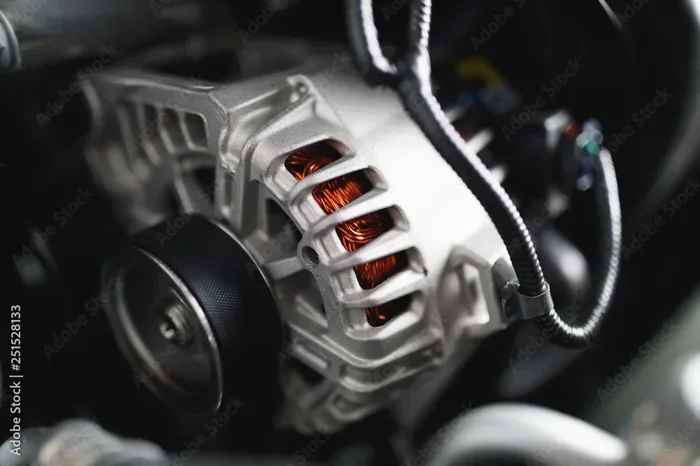
Your alternator keeps your car’s electrical system running, and when it starts to fail, it makes distinct sounds you cannot ignore. A failing alternator can produce whining, grinding, or squealing noises that get louder with engine speed. Learning to identify these sounds early can save you from a dead battery, a stalled car, or costly electrical repairs. This guide covers every alternator noise, what causes it, and exactly what steps to take right now.
You are driving down the road, and something sounds off under the hood. It is not the loud exhaust or the road noise. It is a strange, persistent sound that seems to follow your every turn. What does a failing alternator sound like right now? That is the question many car owners ask when they first hear an unusual noise coming from their engine bay.
Your alternator is one of the most important parts of your vehicle’s electrical system. It charges your battery and powers all the electrical accessories while the engine runs. When it starts to go bad, it does not always give you a warning light first. Often, it starts with a sound. A whining noise, a grinding noise, or even a squealing sound. These are your car’s way of telling you something is wrong.
In this article, we will break down every sound a failing alternator makes. We will explain what causes each noise, how to tell the difference between alternator problems and other engine issues, and what you should do right now to protect your car. Whether you are a seasoned driver or a complete beginner, this guide will help you understand your vehicle better.
Key Takeaways
- Whining or grinding noises: These are the most common sounds of a failing alternator and often get worse as you accelerate.
- Dashboard warning lights: The battery or check-engine light often accompanies alternator problems.
- Electrical accessories failing: Dim headlights, sluggish power windows, and flickering dashboard lights point to alternator trouble.
- Early detection saves money: Catching alternator sounds early prevents complete electrical failure and expensive towing bills.
- Professional diagnosis helps: A multimeter test and visual inspection can confirm alternator issues quickly.
- Do not ignore strange noises: A bad alternator can leave you stranded with a car that won’t start.
📑 Table of Contents
- Understanding Your Alternator and How It Works
- Common Sounds of a Failing Alternator
- How to Tell If It Is the Alternator or Something Else
- Warning Signs That Accompany Alternator Noises
- What to Do When You Hear Alternator Noises
- Alternator Replacement: What to Expect
- Preventing Alternator Failure
- Quick Tips for Diagnosing Alternator Problems at Home
- Common Mistakes People Make When Diagnosing Alternator Noises
- Expert Insights: What Mechanics Want You to Know
- Conclusion
Understanding Your Alternator and How It Works
Before we dive into the sounds, let us talk about what the alternator actually does. Many people confuse the alternator with the battery, but they are two very different parts. The battery provides the initial power to start your car. The alternator keeps the battery charged and powers all the electrical systems while the engine is running.
Without a working alternator, your car runs solely on battery power. That means your car battery will drain quickly, and your vehicle will eventually stall. Think of the alternator as the heartbeat of your car’s electrical system. When that heartbeat gets weak, things start to go wrong.
The Charging System Explained
Your car’s charging system includes the alternator, the voltage regulator, and the serpentine belt. The serpentine belt connects the engine to the alternator and keeps it spinning. The voltage regulator controls the electrical output. When any of these parts fail, the entire charging system suffers.
Here are the key components of your charging system:
- Alternator: Converts mechanical energy into electrical energy.
- Voltage regulator: Controls the amount of voltage the alternator produces.
- Serpentine belt: Drives the alternator and other engine accessories.
- Battery: Stores electrical energy and provides power to start the car.
- Wiring and connectors: Deliver electricity to various parts of the vehicle.
When the alternator begins to fail, these components all feel the impact. That is why understanding the sounds your car makes is so important. Early detection can prevent a chain reaction of electrical problems.
Common Sounds of a Failing Alternator
So, what does a failing alternator sound like right now? The answer depends on what is causing the problem. Different issues inside the alternator produce different sounds. Let us walk through each one.
Whining or Squealing Noise
A high-pitched whining noise is one of the most common signs of alternator trouble. This sound often gets louder when you turn on electrical accessories like the air conditioning or the headlights. The whining happens because the alternator is working harder than it should to produce enough power.
You might also hear a squealing sound when you first start the car. This could indicate a loose serpentine belt or a worn belt tensioner. Both of these problems put extra strain on the alternator and can cause it to fail over time.
Here is a quick tip: if the whining noise changes when you turn the steering wheel, it might not be the alternator at all. It could be the power steering pump. Listen carefully and note when the sound happens.
Grinding or Rattling Sound
A grinding sound inside the alternator usually means the internal bearings are wearing out. Bearings help the alternator rotor spin smoothly. When they wear down, they create metal-on-metal contact. This produces a grinding or rattling noise that gets louder as your engine speed increases.
Grinding noises are serious. They mean internal parts are breaking down. If you ignore this sound, the alternator can seize completely. A seized alternator will snap the serpentine belt and leave you stranded.
Common causes of grinding alternator sounds include:
- Worn bearings: The most frequent cause of grinding noises.
- Loose alternator pulley: A wobbling pulley creates rattling and grinding.
- Damaged rotor: Internal components that have broken or shifted.
- Debris inside the unit: Dirt or metal shavings entering the alternator housing.
Clicking or Ticking Noise
A rapid clicking sound is often associated with a dead battery, but it can also point to a failing alternator. When the alternator cannot charge the battery properly, the battery loses enough power that the starter motor struggles to engage.
You will hear this clicking when you turn the key. The engine cranks slowly or not at all. If jump-starting the car gets it going but the clicking returns soon after, the alternator is likely the culprit.
High-Pitched Screeching Under Load
Some drivers describe a high-pitched screeching sound that appears when they use multiple electrical accessories at once. For example, turning on the headlights, the radio, and the rear defroster all at the same time might trigger this noise.
This screeching happens because the alternator cannot keep up with the electrical demand. The belt slips on the pulley, creating that sharp, metallic screech. It is a clear sign that your alternator belt or the alternator itself needs attention.
How to Tell If It Is the Alternator or Something Else
Not every noise under the hood comes from the alternator. Several other car parts make similar sounds, and it is easy to confuse them. Let us look at how to tell the difference.
Alternator vs. Battery Sounds
A failing battery often makes a slow cranking sound when you start the car. The engine turns over sluggishly. A failing alternator, on the other hand, often makes a whining or grinding noise that is constant while the engine runs. The battery issue is about starting. The alternator issue is about running.
Here is a simple comparison to help you tell the difference:
- Battery problems: Slow cranking, dim lights when idling, car starts after a jump but dies soon after.
- Alternator problems: Whining or grinding noise while driving, electrical accessories malfunction, warning lights on the dashboard.
Alternator vs. Serpentine Belt Issues
The serpentine belt drives the alternator, so belt problems can mimic alternator symptoms. A worn belt might squeal when you start the car or when you turn. A loose belt can cause the alternator to spin inconsistently, which produces strange noises.
To check if it is a belt issue, look at the belt visually. Cracks, glazing, or fraying are signs of a worn belt. If the belt looks fine, the noise is more likely coming from inside the alternator itself.
Alternator vs. Power Steering Pump
A whining noise from the power steering pump can sound very similar to a failing alternator. The key difference is when the noise happens. Power steering pump noise usually appears when you turn the steering wheel. Alternator noise is present regardless of steering input.
If you are unsure, here is a quick test. Start the car and let it idle. Turn the steering wheel left and right. If the noise changes, it is likely the power steering pump. If the noise stays the same, check the alternator.
Warning Signs That Accompany Alternator Noises
Sounds are not the only way your car tells you the alternator is going bad. Several other warning signs often appear alongside alternator noises. Recognizing these signs helps you confirm the problem before it gets worse.
Dashboard Warning Lights
The most obvious warning sign is the battery-shaped light on your dashboard. This light is often called the check-engine light or the charging system warning light. When the alternator fails to produce enough voltage, this light illuminates.
Do not ignore this light. Many drivers see it and assume it is just the battery. But the light actually indicates a problem with the entire charging system, which includes the alternator.
Dimming or Flickering Lights
Have you noticed your headlights dimming when you slow down or stop at a red light? This is a classic sign of alternator failure. The alternator cannot produce enough power to keep the lights bright when the engine is idling.
You might also notice the dashboard lights flickering or the interior dome light dimming. These are all signs that the electrical system is not getting enough power.
Electrical Accessories Malfunctioning
Modern cars depend heavily on electricity. When the alternator starts to fail, you will notice problems with various electrical accessories:
- Power windows moving slower than usual.
- Power seats struggling to adjust.
- Radio or infotainment system flickering or resetting.
- Windshield wipers running at inconsistent speeds.
- Climate control blowing air inconsistently.
If multiple electrical accessories start acting up at the same time, the alternator should be your first suspect.
Car Stalling or Difficulty Starting
A failing alternator does not charge the battery properly. Over time, the battery drains. This leads to difficulty starting the car or the engine stalling while driving. If your car stalls at intersections or you find yourself needing frequent jump starts, the alternator could be to blame.
Remember, a jump start is only a temporary fix. It does not solve the underlying alternator problem. If you find yourself jumping your car more than once a week, it is time for a proper diagnosis.
What to Do When You Hear Alternator Noises
Now that you know what a failing alternator sounds like, let us talk about what you should do. Taking quick action can save you from a roadside breakdown and expensive repairs.
Step 1: Pull Over Safely
If you hear a loud grinding or screeching noise while driving, pull over to a safe location. Turn off the engine and open the hood. Look for any obvious signs of damage, like a snapped serpentine belt or a loose alternator pulley.
Do not keep driving if the noise is severe. Continuing to drive with a failing alternator can damage the battery and other electrical components.
Step 2: Check the Battery Voltage
If you have a multimeter, you can check the alternator output yourself. Set the multimeter to DC voltage and touch the probes to the battery terminals with the engine running. A healthy alternator should produce between 13.5 and 14.5 volts.
If the reading is below 13 volts, the alternator is not charging properly. If the reading fluctuates wildly, there could be a voltage regulator problem. Either way, you need professional help.
Step 3: Listen Carefully
Have a friend start the car while you listen from under the hood. Place a piece of cardboard against your ear to amplify the sound. Try to identify whether the noise is a whine, a grind, a squeal, or a click.
Note when the noise happens. Does it only occur when the engine is cold? Does it get louder when you accelerate? This information helps a mechanic diagnose the problem faster.
Step 4: Visit a Trusted Mechanic
Even if you suspect the alternator, a professional diagnosis is always a good idea. A mechanic can perform a load test on the alternator and check the entire charging system. They will also inspect the serpentine belt, tensioner, and wiring for any additional problems.
Most mechanics offer free or low-cost alternator testing. It is worth the small investment to get a clear answer before you replace any parts.
Alternator Replacement: What to Expect
If the diagnosis confirms a failing alternator, you will need to replace it. The good news is that alternator replacement is a common repair, and most mechanics can do it in a few hours.
Average Replacement Cost
The alternator replacement cost varies depending on your vehicle make and model. On average, you can expect to pay between $300 and $800 for parts and labor. Luxury vehicles and newer models tend to cost more due to complex electrical systems and harder-to-reach alternator locations.
DIY vs. Professional Replacement
If you are handy with tools, you can replace the alternator yourself. It involves removing the serpentine belt, disconnecting the wiring, unbolting the old unit, and installing the new one. However, if you are not comfortable working with electrical systems, it is best to leave this job to a professional.
Always use a quality replacement part. Cheap alternators may save money upfront but tend to fail sooner. Ask your mechanic for a part with a solid warranty.
How Long Does a New Alternator Last?
A new alternator typically lasts between 80,000 and 150,000 miles, or about 7 to 10 years. Proper maintenance, such as keeping the serpentine belt in good condition and avoiding overloading the electrical system, can extend the alternator’s lifespan.
Preventing Alternator Failure
The best way to deal with alternator problems is to prevent them in the first place. Regular maintenance and good driving habits can keep your alternator healthy for years.
Regular Inspections
Have your mechanic inspect the charging system during every oil change or routine service. They should check the alternator output, the serpentine belt condition, and the battery voltage. Catching small issues early prevents big problems later.
Avoid Overloading the Electrical System
Adding too many aftermarket electrical accessories can strain the alternator. High-powered sound systems, additional lighting, and winches all draw extra power. If you have added accessories to your vehicle, make sure your alternator can handle the increased load.
Keep the Serpentine Belt in Good Condition
A worn or loose serpentine belt puts extra stress on the alternator. Inspect the belt regularly for cracks, fraying, or glazing. Replace it at the manufacturer’s recommended interval. This simple step can prevent alternator premature failure.
Address Warning Signs Immediately
The worst thing you can do is ignore warning signs. A faint whining noise today can become a seized alternator tomorrow. If you notice any strange sounds, dim lights, or electrical issues, get your car checked right away. Early action saves time, money, and the hassle of being stranded.
Quick Tips for Diagnosing Alternator Problems at Home
You do not need to be a mechanic to perform some basic alternator checks at home. Here are a few quick tips that can help you identify problems early:
- Listen with the hood open: Start the car and listen for whining, grinding, or screeching sounds coming from the front of the engine.
- Check the belt visually: Look at the serpentine belt for cracks, wear, or looseness.
- Use a multimeter: Test the battery voltage with the engine running. A reading below 13 volts suggests alternator problems.
- Watch the dashboard lights: Flickering lights or a battery warning light are strong indicators of charging system issues.
- Turn on all accessories: Turn on the headlights, air conditioning, and radio simultaneously. If the noise gets louder, the alternator is likely struggling.
- Check the alternator pulley: With the engine off, try to wiggle the alternator pulley by hand. Excessive wobble suggests a bad bearing.
Common Mistakes People Make When Diagnosing Alternator Noises
Even experienced car owners sometimes make mistakes when diagnosing alternator problems. Avoid these common pitfalls to get accurate results:
- Assuming every noise is the alternator: Many engine components produce similar sounds. Always rule out other possibilities first.
- Ignoring the serpentine belt: A bad belt can cause alternator-like symptoms even when the alternator itself is fine.
- Relying only on the dashboard light: Some alternators fail gradually without ever triggering the warning light.
- Replacing parts without testing: Jump to conclusions and you might replace a perfectly good alternator. Always test first.
- Neglecting the voltage regulator: The voltage regulator controls the alternator’s output. A bad regulator mimics alternator failure.
Expert Insights: What Mechanics Want You to Know
We spoke with several experienced mechanics about the most common alternator problems they see. Here is what they want every car owner to know:
“The whining noise is the most overlooked sign,” says one veteran mechanic. “People assume it is just the belt or the engine. By the time they bring the car in, the alternator has completely failed.”
“Never ignore a grinding sound,” adds another technician. “That means the bearings are gone. If you keep driving, the alternator will seize and you could damage the serpentine belt and other engine accessories.”
“The biggest mistake is waiting too long,” warns a third expert. “A $300 alternator repair becomes a $1,000 repair when the battery dies and the electrical system suffers collateral damage.”
These insights highlight the importance of taking alternator noises seriously. The sooner you act, the less it costs and the less risk you face.
Conclusion
What does a failing alternator sound like right now? It could be a whining noise that gets louder with electrical load, a grinding sound that increases with engine speed, a squealing noise under the hood, or a clicking sound when you try to start the car. Each sound tells a different story about what is happening inside the alternator.
The key takeaway is this: do not ignore strange noises coming from your engine. Your car is trying to communicate with you. A whining or grinding sound from the alternator area is a clear signal that something needs attention. By learning to recognize these sounds and acting quickly, you can avoid being stranded, prevent further damage to your electrical system, and save money on repairs.
Take care of your alternator today, and your car will keep running smoothly for miles to come. Listen to your car. It is telling you exactly what it needs.
Frequently Asked Questions
What does a bad alternator sound like when idling?
A bad alternator often produces a whining or grinding noise that is noticeable when the engine is idling. The sound may get quieter when you press the gas pedal or louder when you turn on electrical accessories like the headlights or air conditioning.
Can a failing alternator make a rattling noise?
Yes, a rattling noise can indicate a loose alternator pulley or worn internal bearings. If the alternator housing has become loose or the internal components are damaged, you may hear a rattling or clattering sound while the engine is running.
How do I know if the noise is from the alternator or the serpentine belt?
A serpentine belt problem often produces a squealing sound that is loudest when you first start the car or when you turn the steering wheel. An alternator problem usually creates a whining or grinding noise that stays constant while the engine runs, regardless of steering input.
Will a car start with a completely dead alternator?
A car can start with a dead alternator if the battery still has enough charge. However, the car will stall shortly after because the battery is not being recharged. You will also notice that all electrical accessories stop working as the battery drains.
Is it safe to drive with a failing alternator?
It is not safe to drive long distances with a failing alternator. The car may stall unexpectedly, and you risk damaging the battery and other electrical components. If you suspect alternator failure, have the vehicle towed to a repair shop.
How much does it cost to replace a failing alternator?
The average cost to replace an alternator ranges from $300 to $800, depending on the vehicle make and model. Labor costs typically make up about half of the total expense, and the part itself can range from $100 to $500 or more for luxury vehicles.