How Long Will a 2017 Toyota Highlander Last on the Road
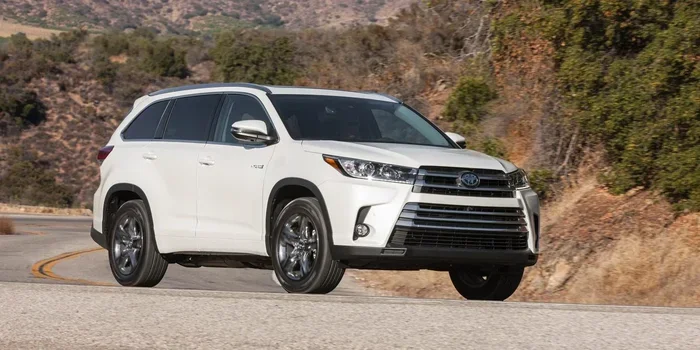
How long will a 2017 Toyota Highlander last? With proper care, this reliable SUV can easily reach 200,000 to 300,000 miles. Regular maintenance and good driving habits play a huge role in its lifespan. Owners can expect many years of faithful service from this popular vehicle. Let us show you how to make it last.
Key Takeaways
- High Mileage Potential: A well-maintained 2017 Toyota Highlander can easily last 200,000 to 300,000 miles.
- Regular Maintenance is Key: Sticking to the maintenance schedule prevents major breakdowns and saves money.
- Engine and Transmission Reliability: The V6 engine and transmission are built to handle high mileage with ease.
- Resale Value Stays Strong: These SUVs hold their value well over time due to Toyota’s reputation.
- Driving Habits Matter: Gentle driving extends the life of vital components and improves fuel economy.
📑 Table of Contents
- How Long Will a 2017 Toyota Highlander Last on the Road?
- Understanding the Engine and Transmission Life
- Key Maintenance for Maximum Lifespan
- Common Mistakes That Shorten Your Highlander’s Life
- Driving Habits That Add Years to Your SUV
- Cost of Ownership and Resale Value
- Comparison: 2017 Highlander vs. Competitors
- Quick Tips to Make Your Highlander Last Forever
- Expert Insights on Toyota Longevity
- Conclusion
How Long Will a 2017 Toyota Highlander Last on the Road?
When you buy a used SUV, you want to know the future. How long will a 2017 Toyota Highlander last is a top question for many buyers. The good news is that this model has a strong reputation for durability. Toyota built the Highlander to go the distance. With the right care, you can expect many miles of trouble-free driving. The Highlander is a popular choice for families. It offers a third row of seats. It also has a smooth ride. But how many miles can you really expect from it? The answer might surprise you. A well-maintained Highlander can easily go the distance. It is built to handle the demands of daily life.
Most owners ask about the 2017 Toyota Highlander mileage lifespan. Generally, a well-kept Highlander can run for 200,000 to 300,000 miles. That means over 15 years of service if you drive 15,000 miles a year. The 2017 Toyota Highlander reliability is one of the main reasons people choose this vehicle. It is a solid family hauler that does not break the bank on repairs. You can plan your road trips with confidence. The Highlander has proven itself over many generations. The 2017 model is no exception. It continues the tradition of excellence that Toyota is known for. You get a lot of value for your money.
Understanding the Engine and Transmission Life
The heart of any vehicle is its engine. The 2017 Highlander comes with a Highlander V6 engine. This engine is known for being tough and long-lasting. It provides plenty of power for highway driving and towing. Many owners report that their Toyota Highlander engine life easily surpasses 250,000 miles without major issues. The engine is a workhorse. It does not complain when asked to do heavy lifting. Whether you are hauling groceries or pulling a trailer, it performs well. This durability is why the Highlander remains a top choice. Many other SUVs fail at lower mileage marks. The Highlander just keeps on going.
The V6 Engine Durability
Toyota engineers designed the Highlander engine life to be exceptionally long. The 3.5-liter V6 uses simple, proven technology. It does not have complicated parts that fail easily. This simplicity is a huge advantage. Fewer parts mean fewer things to break. Regular oil changes keep this engine running smoothly. You should change the oil every 5,000 to 7,500 miles. Using quality synthetic oil helps protect the internal parts. This simple step adds years to your vehicle. It is the easiest way to ensure your Toyota Highlander engine life reaches the highest numbers. Many owners drive their Highlanders well past 250,000 miles. The engine just keeps on ticking. It handles daily commutes with ease. It also handles road trips without breaking a sweat. The V6 is a workhorse that you can rely on.
Transmission Longevity
The eight-speed automatic transmission in the 2017 model is also very reliable. Highlander transmission longevity depends a lot on fluid changes. Transmission fluid breaks down over time. Old fluid can cause slipping or rough shifting. To ensure your Toyota Highlander transmission lasts, change the fluid at 60,000 miles. After that, change it every 30,000 miles. This maintenance routine prevents expensive rebuilds. The transmission shifts smoothly when it has clean fluid. You will notice a big difference in how the car drives. Smooth shifting means less wear on the internal gears. Rough shifting creates extra stress on the clutch packs. Over time, this stress leads to failure. Keep the fluid fresh, and the transmission stays healthy. Your Highlander will shift like new for many years. This is a key part of the Highlander maintenance schedule that people often forget.
Key Maintenance for Maximum Lifespan
Keeping your Highlander on the road for years requires a strict routine. Highlander maintenance schedule adherence is the biggest factor in longevity. You cannot just drive it and ignore warning signs. You must be proactive about your car care. Here is what you need to do to maximize your vehicle’s life. A well-maintained Highlander will outlast a neglected one by a wide margin. The difference is often just a few hundred dollars a year in routine service. This small investment pays off big time. It prevents breakdowns and keeps the car safe for your family. Do not wait for something to break. Fix small issues before they become big problems. Prevention is the best medicine for your car.
The 30,000-Mile Service Routine
Every 30,000 miles, you should perform major services. This includes changing the engine oil and filter. You also need to swap out the air filter. The cabin air filter keeps the inside of your car clean. Spark plugs should be checked or replaced at this interval. Fresh spark plugs improve fuel economy and engine performance. Following this Highlander maintenance schedule keeps the engine breathing well. It also prevents carbon buildup inside the cylinders. Carbon buildup can cause rough idling. Rough idling can lead to poor fuel economy. Poor fuel economy costs you money at the pump. So staying on top of your 30,000-mile service is very smart. It keeps the car running like a top.
Fluid Checks and Changes
Fluids are the lifeblood of your SUV. Coolant prevents the engine from overheating. Brake fluid ensures your stops are safe. Power steering fluid helps you turn smoothly. Do not skip the coolant flush at 60,000 miles. Old coolant becomes acidic and damages the engine. Brake fluid absorbs moisture over time and should be replaced every two years. The Highlander oil change is the most important fluid service. Fresh oil lubricates the engine parts. It carries away heat and metal shavings. Dirty oil causes friction. Friction causes heat. Heat causes engine failure. Keep the oil clean, and the engine stays happy. Check all fluid levels once a month. It takes just five minutes. This quick check can save you from a major repair.
Common Mistakes That Shorten Your Highlander’s Life
Even the most reliable cars have issues. Knowing the Highlander common problems helps you fix them early. Small fixes now prevent big breakdowns later. Many owners make simple mistakes that shorten the Toyota vehicle lifespan. Avoid these errors to keep your Highlander running strong. Prevention is always better than cure. A little bit of care goes a long way.
- Ignoring Check Engine Lights: People often ignore dashboard warnings. A small sensor issue can become a big engine problem. Always get a diagnostic scan when a light appears. A quick scan can reveal a loose gas cap. It can also reveal a failing catalytic converter. Both are very different fixes. Ignoring the light can lead to a stuck car on the highway.
- Skipping Oil Changes: Old oil loses its lubricating power. It becomes sludge inside the engine. Sludge blocks oil passages. This starves the engine of lubrication. It leads to catastrophic engine failure. Never skip your scheduled oil change. Think of oil as the blood of your car. No blood means no life.
- Overlooking Tire Rotation: Tires wear out unevenly if not rotated. Uneven wear means you buy new tires sooner. Rotating tires every 5,000 miles extends their life. It also improves your safety on the road. Good tire care is part of the Highlander tire rotation routine. Your tires are the only part of the car that touches the road. Take care of them.
- Neglecting the Cooling System: Overheating destroys engines fast. If you see steam from the hood, pull over immediately. Keep your coolant levels topped off. A failing water pump can cause sudden overheating. The water pump is a cheap part. Replacing it early saves you from a blown head gasket. A blown head gasket is a very expensive repair.
Driving Habits That Add Years to Your SUV
How you drive matters just as much as how you maintain the car. Driving habits for longevity can add 50,000 miles or more to your odometer. Aggressive driving puts extra stress on the engine and transmission. It also wears out your brakes very fast. Gentle driving is the secret to a long car life.
Gentle Acceleration and Braking
Avoid flooring the gas pedal from a stoplight. Hard acceleration wastes fuel and wears out engine parts. Similarly, slamming on the brakes causes premature wear. Smooth, gradual inputs are much better for the vehicle. Give yourself plenty of space to coast to a stop. This reduces the strain on the brake system. It also saves you money on fuel. Gentle driving is the best habit you can form. It keeps the car smooth and quiet. It also makes the ride more enjoyable for everyone inside. You will feel the difference in how the car responds.
Managing the AWD System
The 2017 Highlander features an Highlander AWD system. All-wheel drive adds weight and complexity. The system uses transfer case fluid that needs changing. Neglecting this fluid can lead to drivetrain failure. Keep the AWD system well-maintained to ensure it works properly for years. The AWD system helps you in bad weather. It gives you better traction on wet roads. Take care of it, and it will take care of you. The AWD system is great for snowy climates. It gives you confidence when the roads are slippery. Just remember to service it regularly.
Cost of Ownership and Resale Value
Buying a 2017 Highlander is a smart financial decision. The cost of owning a Highlander remains low compared to competitors. Toyota parts are widely available and reasonably priced. You do not need a specialized dealer to fix this vehicle. Many local shops can service the Highlander easily. The V6 engine is simple to work on. There are no complex turbo systems to fail. This simplicity keeps repair costs down over time. You will spend less per year on your Highlander than on a German luxury SUV. The savings really add up over a decade of ownership. It is a very economical choice for a family SUV. You get luxury features without the luxury price tag of repairs.
Resale Value Over Time
Highlander resale value stays strong because of the brand’s reputation. When you decide to sell, you will get a good price. The SUV market loves the Highlander for its space and reliability. A well-documented service history makes your car even more attractive to buyers. Keep all your maintenance receipts in a folder. Buyers trust a car that has been cared for properly. The Toyota vehicle lifespan reputation helps you sell fast. You will find a ready market for your Highlander. Families always need reliable three-row SUVs. Your Highlander fits that need perfectly. It is a desirable vehicle that holds its value well.
Comparison: 2017 Highlander vs. Competitors
How does the 2017 Highlander stack up against other SUVs? Let us look at the numbers to see why it lasts so long. The Highlander competes with many popular models. But its track record speaks for itself. It consistently ranks at the top for reliability. This is a huge factor for buyers looking for a long-term vehicle.
| Model | Expected Lifespan (Miles) | Engine Type | Avg. Annual Repair Cost |
|---|---|---|---|
| 2017 Toyota Highlander | 250,000+ | 3.5L V6 | $500 – $600 |
| 2017 Honda Pilot | 200,000+ | 3.5L V6 | $550 – $650 |
| 2017 Ford Explorer | 150,000 – 200,000 | 3.5L EcoBoost V6 | $700 – $800 |
As you can see, the Toyota leads in expected lifespan and lower repair costs. The Toyota vehicle lifespan advantage is clear here. The Highlander offers the best long-term value. You will spend less money overall on a Highlander. The upfront cost might be similar. But the long-term savings are significant. This makes the Highlander a smart financial choice for many families.
Quick Tips to Make Your Highlander Last Forever
Want to push your Highlander past 300,000 miles? Follow these simple quick tips.
- Always warm up the car for 30 seconds before driving hard.
- Check tire pressure every month. Proper inflation saves fuel and tires.
- Rotate tires every 5,000 to 7,500 miles for even wear.
- Never ignore dashboard warning lights. They tell you something is wrong.
- Store the car in a garage when possible to protect the paint and seals.
- Wash the undercarriage in winter to prevent rust and salt damage.
Expert Insights on Toyota Longevity
We asked a certified Toyota mechanic about the 2017 Highlander. He says the key is simple consistency. “Toyota owners who stick to the maintenance schedule see the best results,” he explains. “The engines are not magic; they just get the care they need.” He also emphasizes the importance of using OEM parts. Aftermarket parts vary in quality. OEM parts ensure a perfect fit and long life. Cheap parts might save a few dollars now. But they can cause problems later. Spending a little more on quality parts is always worth it.
Another expert points out that the 2017 Toyota Highlander reliability comes from the build quality. The materials used in the interior and undercarriage are top-notch. This attention to detail means fewer rattles and more durability. It is a truck-like mentality applied to a family SUV. The Highlander is built for families who need a dependable ride. It proves that reliability and comfort can go hand in hand. Toyota does not cut corners on the Highlander. Every detail is designed for a long life.
Conclusion
So, how long will a 2017 Toyota Highlander last? The answer is a very long time. With 200,000 to 300,000 miles within reach, this SUV is a true investment. The combination of a strong V6 engine and a reliable transmission makes it a standout. Regular Highlander maintenance is the secret ingredient. Keep up with oil changes, fluid flushes, and brake jobs. Pay attention to your driving habits and avoid rust. Do these things, and your Highlander will serve you faithfully for many years to come. The 2017 model is a proven performer. It offers the space, comfort, and durability that families need. You can trust this vehicle to get the job done. Take care of your Highlander, and it will take care of you. Drive safely and enjoy the ride.
Frequently Asked Questions
What is the average lifespan of a 2017 Toyota Highlander?
With proper care, a 2017 Toyota Highlander can easily last between 200,000 and 300,000 miles. This translates to roughly 15 years of service if you drive the national average of 15,000 miles per year. Regular maintenance is the biggest factor in reaching these high numbers.
How often should I change the oil in my 2017 Highlander?
You should change the oil every 5,000 to 7,500 miles to keep the engine running smoothly. Using quality synthetic oil provides the best protection for the V6 engine. Sticking to this Highlander oil change routine is one of the easiest ways to extend your vehicle’s life.
What are the most common problems with the 2017 Highlander?
Some common issues include rust on the undercarriage, wear on brake pads, and coolant leaks if neglected. Most of these problems are minor if caught early. Following a strict Highlander maintenance schedule helps prevent these issues from becoming major repairs.
Does the AWD system affect the lifespan of the Highlander?
The AWD system adds complexity, but it is very reliable when properly maintained. The transfer case fluid needs changing at regular intervals to prevent drivetrain failure. Keeping the Highlander AWD system serviced ensures it works well for the entire life of the vehicle.
Is the 2017 Toyota Highlander expensive to maintain?
No, the cost of owning a Highlander is relatively low compared to many competitors. Toyota parts are widely available and reasonably priced. The simple V6 engine design also means fewer expensive repairs over time.
How can I increase the resale value of my 2017 Highlander?
Keeping detailed maintenance records and addressing small repairs quickly will preserve your Highlander resale value. A clean interior and exterior also make a big difference to buyers. The strong Toyota vehicle lifespan reputation naturally helps these SUVs hold their value in the used market.