How Much Is a Transmission for a 2014 Nissan Altima
The cost of a transmission for a 2014 Nissan Altima can range from $1,800 to $4,500 depending on the type of unit you choose. New transmissions run the highest, while used and remanufactured units offer significant savings. Understanding your options helps you make the best decision for your budget and your vehicle.
If you own a 2014 Nissan Altima and have been searching for transmission replacement costs, you are not alone. This is one of the most common questions Altima owners ask when their vehicle starts showing signs of transmission trouble. The truth is, there is no single answer. The price depends on several factors, including the type of transmission you choose, where you buy it, and whether you do the work yourself or hire a professional.
This guide breaks down everything you need to know about the transmission cost for a 2014 Nissan Altima. We will walk you through the different types of transmissions available, what drives the price differences, and how you can save money without sacrificing quality. By the end, you will feel confident making the right decision for your wallet and your vehicle.
The 2014 Nissan Altima uses a CVT (Continuously Variable Transmission), which is different from a traditional automatic transmission. CVTs are known for being fuel-efficient, but they also come with their own set of common problems. Understanding how your Altima’s transmission works is the first step toward making a smart repair decision.
Key Takeaways
- Cost Range: A replacement transmission for a 2014 Nissan Altima typically costs between $1,800 and $4,500, depending on the source and type.
- Three Main Options: You can choose from a new, used, or remanufactured transmission, each with different price points and warranty coverage.
- CVT Transmission Matters: The 2014 Altima uses a CVT (Continuously Variable Transmission), which has unique repair and replacement considerations.
- Labor Costs Add Up: Installation labor can add $500 to $1,200 on top of the part cost, so getting multiple quotes is smart.
- Preventive Maintenance Helps: Regular transmission fluid changes can extend the life of your Altima’s transmission and delay costly replacements.
- Watch for Warning Signs: Slipping gears, strange noises, and delayed shifting are early signals that your transmission may need attention.
- Warranty Is Key: Always ask about warranty coverage when purchasing a replacement transmission, regardless of the source.
📑 Table of Contents
- Understanding the 2014 Nissan Altima Transmission
- Transmission Replacement Cost Breakdown
- New vs. Used vs. Rebuilt Transmission Options
- Signs Your Altima Transmission Needs Replacement
- Tips to Save Money on Transmission Replacement
- Common Mistakes to Avoid When Replacing Your Altima Transmission
- Expert Maintenance Advice for Your 2014 Altima Transmission
Understanding the 2014 Nissan Altima Transmission
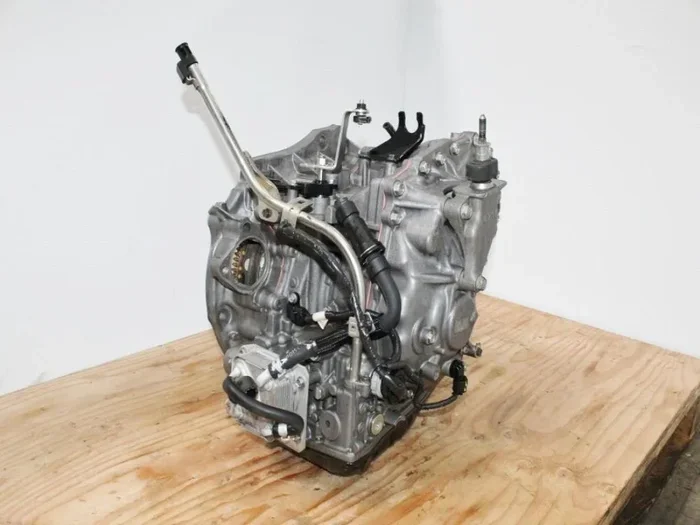
The 2014 Nissan Altima comes equipped with a CVT transmission, specifically the Xtronic CVT. This type of transmission uses a belt and pulley system instead of fixed gears. The result is smooth, seamless acceleration without the noticeable gear shifts you feel in a traditional automatic. Nissan has used CVTs in many of its models because they help improve fuel economy, which is a big selling point for sedan buyers.
However, CVT transmissions have a reputation for being more expensive to repair or replace compared to conventional automatics. The internal components are different, and not every repair shop has the expertise to work on them. This is why understanding your options is so important when the time comes for a transmission replacement or transmission repair.
Common CVT Transmission Problems in the 2014 Altima
Like any mechanical part, the CVT in the 2014 Altima can develop issues over time. Some of the most common CVT transmission problems include:
- Slipping gears: The engine RPMs increase without a corresponding increase in speed.
- Delayed engagement: There is a pause when shifting from Park to Drive or Reverse.
- Strange noises: Whining, grinding, or humming sounds coming from the transmission area.
- Fluid leaks: Puddles of reddish fluid under your parked car.
- Shuddering or vibrating: A jittery feeling during acceleration, especially at low speeds.
If you notice any of these transmission failure signs, it is important to get your vehicle inspected right away. Catching problems early can sometimes save you from a full replacement.
How Long Does a 2014 Altima Transmission Last?
With proper care, the Altima transmission lifespan can reach 100,000 to 150,000 miles or more. However, several factors affect this, including driving habits, climate, and how well you follow the maintenance schedule. Regular transmission fluid changes are one of the simplest and most effective ways to extend the life of your CVT.
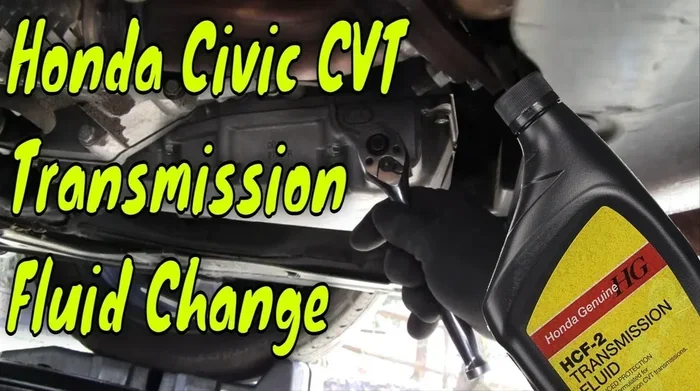
Nissan recommends changing the transmission fluid every 30,000 to 60,000 miles for the 2014 Altima. Using the correct Altima transmission fluid type is also critical. The factory specification is Nissan NS-3 ATF, and using the wrong fluid can cause premature wear and damage.
Transmission Replacement Cost Breakdown
Now let us get to the numbers. When people ask how much is a transmission for a 2014 Nissan Altima, they usually want a clear price range. The total cost includes both the part itself and the labor for installation. Here is a detailed breakdown of what you can expect.
Part Costs by Transmission Type
The price of the transmission unit varies widely based on whether you buy new, used, or remanufactured. Here is a general overview:
- New transmission: $3,000 to $4,500 for the part alone. This includes the full unit straight from the manufacturer or a dealership.
- Used transmission: $1,200 to $2,500 for the part. These come from salvage yards or online suppliers and may have varying mileage.
- Remanufactured transmission: $1,800 to $3,000 for the part. These units have been rebuilt to factory specifications and often come with a warranty.
- Rebuilt transmission (local shop): $1,500 to $2,800. A local shop rebuilds your existing unit or uses a core to build a new one.
Labor Costs for Installation
Labor costs for transmission installation typically range from $500 to $1,200. The exact price depends on your location, the shop’s hourly rate, and the complexity of the job. CVT transmissions can be more labor-intensive to replace than traditional automatics, so some shops charge a premium for this work.
Here is a quick look at the total estimated cost:
| Transmission Type | Part Cost | Labor Cost | Total Estimated Cost |
|---|---|---|---|
| New | $3,000 – $4,500 | $500 – $1,200 | $3,500 – $5,700 |
| Remanufactured | $1,800 – $3,000 | $500 – $1,200 | $2,300 – $4,200 |
| Used | $1,200 – $2,500 | $500 – $1,200 | $1,700 – $3,700 |
| Rebuilt (Local) | $1,500 – $2,800 | $500 – $1,200 | $2,000 – $4,000 |
As you can see, the transmission replacement cost for a 2014 Nissan Altima can vary quite a bit. Your total Nissan Altima transmission price will depend on which route you choose. Let us explore each option in more detail.
New vs. Used vs. Rebuilt Transmission Options
Choosing the right type of transmission is one of the most important decisions you will make. Each option has its own advantages and disadvantages. Let us compare them so you can make an informed choice.
New Transmission
A new transmission comes straight from the manufacturer or through a dealership. This is the most expensive option, but it also offers the most peace of mind. A new transmission should last the longest and comes with the best warranty coverage, often up to 3 years or 100,000 miles.
The main downside is the upfront cost. For many Altima owners, paying $3,500 or more for a new unit is simply not in the budget. That is where used and remanufactured options come in.
Used Transmission
A used transmission is pulled from a vehicle that was totaled or had other major issues. You can find used units at salvage yards, online marketplaces, or through local auto parts stores. The used transmission price is significantly lower than buying new.
The risk with a used transmission is the unknown. You do not always know how many miles are on the unit, how it was driven, or whether it has hidden damage. Always ask for a warranty and a return policy when purchasing a used transmission.
Remanufactured Transmission
A remanufactured transmission is a unit that has been completely taken apart, inspected, and rebuilt using new and refurbished parts. It is built to meet original factory specifications. Many remanufactured units come with a solid warranty, often ranging from 12 months to 3 years.
This option strikes a good balance between cost and quality. The remanufactured transmission cost is lower than a new unit but higher than a used one. For many Altima owners, this is the sweet spot.
Local Rebuild
Some owners choose to have a local transmission shop rebuild their existing unit. This can be a cost-effective option if the core of your transmission is still in good condition. The transmission labor cost for a local rebuild may be lower since the shop does not need to source a replacement unit from a supplier.
Signs Your Altima Transmission Needs Replacement
Not every transmission problem means you need a full replacement. Sometimes, a simpler fix like a transmission solenoid replacement or a fluid change can resolve the issue. But how do you know when it is time for a full replacement?
Warning Signs You Should Not Ignore
- Persistent slipping: If your transmission slips in and out of gear frequently, the internal components may be worn beyond repair.
- Burning smell: A burning odor from under the hood often indicates overheating transmission fluid, which can cause severe internal damage.
- Check Engine Light with transmission codes: Modern vehicles store diagnostic codes that can point directly to transmission issues.
- Inability to shift gears: If your Altima refuses to go into gear or gets stuck in one gear, this is a serious problem.
- Metal particles in fluid: If your transmission fluid looks dark and contains metal shavings, internal components are likely failing.
If you experience any of these transmission failure signs, have a qualified mechanic perform a thorough inspection. They can determine whether a repair will suffice or if a full transmission replacement is necessary.
Transmission Repair vs. Replacement
Sometimes the decision comes down to transmission repair vs replace. A repair might involve replacing a solenoid, fixing a leak, or rebuilding a specific component. A replacement means swapping out the entire unit. As a general rule of thumb, if the repair cost exceeds 50% of the replacement cost, it makes more financial sense to replace the transmission.
For the 2014 Nissan Altima, a minor repair might cost between $300 and $800, while a full replacement ranges from $1,700 to $5,700. Always get a detailed estimate before committing to either option.
Tips to Save Money on Transmission Replacement
Replacing a transmission is never cheap, but there are several ways to reduce the transmission replacement cost without sacrificing quality. Here are some practical tips that can help you save money.
Get Multiple Quotes
Do not just go with the first shop you visit. Get at least three quotes from different mechanics or transmission specialists. Labor rates can vary significantly from one shop to another, and you may be surprised by the difference in pricing.
Consider a Remanufactured Unit
If a new transmission feels too expensive, a remanufactured unit is a great alternative. Many remanufactured transmissions come with warranties that rival or even exceed what a dealership offers. This is often the best value for Nissan Altima CVT issues that require a full replacement.
Check for Recalls and Technical Service Bulletins
Nissan occasionally issues recalls or technical service bulletins (TSBs) that cover transmission-related problems. Check with your local Nissan dealer to see if your 2014 Altima qualifies for any coverage. Even if a full replacement is not covered, you may qualify for partial cost assistance.
DIY If You Have the Skills
If you are a skilled DIYer, you can save on labor costs by doing the replacement yourself. However, replacing a CVT transmission is a complex job that requires specialized tools and knowledge. Only attempt this if you have experience working on transmissions and access to a proper lift and equipment.
Look for Warranty Coverage
Always ask about the transmission warranty that comes with your replacement unit. A good warranty can save you thousands of dollars if something goes wrong shortly after installation. Many reputable suppliers offer at least a 12-month warranty on both used and remanufactured units.
Quick Tips to Reduce Transmission Costs
- Ask the shop if they offer a discount for paying upfront in cash.
- Look for certified transmission specialists rather than general mechanics. They often have better rates and expertise.
- Compare the cost of a replacement versus a rebuild. Sometimes a rebuild is more affordable and just as reliable.
- Keep all your maintenance records. Some shops offer discounts for well-maintained vehicles.
Common Mistakes to Avoid When Replacing Your Altima Transmission
Making the wrong decision during a transmission replacement can cost you time and money. Here are some common mistakes that Altima owners should avoid.
Choosing the Cheapest Option Without Research
The lowest price is not always the best deal. A cheap used transmission with no warranty can fail within weeks, leaving you with the same problem and additional labor costs. Always consider the total cost, including warranty coverage, not just the upfront price.
Ignoring Fluid Maintenance
One of the biggest contributors to premature transmission failure is neglecting fluid changes. If you skip regular transmission fluid changes, the fluid breaks down and loses its ability to lubricate and cool the internal components. This leads to increased wear and eventually failure.
Not Verifying the Source
When buying a used or remanufactured transmission, always verify the source. Ask where the unit came from, how many miles it has, and whether it was tested before sale. A reputable supplier will be transparent about this information.
Skipping the Diagnosis
Before committing to a replacement, make sure you have a proper diagnosis. Some transmission problems can be fixed with simpler repairs, such as replacing a transmission solenoid or fixing a sensor issue. Spending a little on diagnostics upfront can save you thousands in unnecessary replacements.
Forgetting to Check the Torque Converter
In some cases, the problem is not the transmission itself but the torque converter. Replacing the entire transmission when only the torque converter is faulty is an expensive mistake. Always ask your mechanic to inspect the torque converter as part of the diagnosis.
Expert Insights
Experienced transmission specialists recommend taking a proactive approach to Altima transmission care. Regular fluid changes, gentle driving habits, and prompt attention to warning signs can significantly extend the life of your CVT. If you are shopping for a replacement unit, prioritize suppliers who offer at least a 12-month warranty and can provide detailed testing reports on the unit.
One Altima owner shared their experience: “I saved over $1,500 by going with a remanufactured transmission from a reputable online supplier instead of a dealership. The unit came with a 2-year warranty, and so far, it has been flawless.” This kind of feedback shows that there are real savings to be had without sacrificing quality.
Expert Maintenance Advice for Your 2014 Altima Transmission
Prevention is always better than cure, and this is especially true when it comes to your Altima’s transmission. Here are some expert-backed maintenance tips that can help you avoid a costly replacement.
- Change your transmission fluid on schedule. Use Nissan NS-3 ATF or the equivalent recommended by your owner’s manual.
- Avoid aggressive driving. Hard launches and sudden stops put extra stress on the CVT internals.
- Warm up your vehicle in cold weather. Give the transmission a minute or two to warm up before driving aggressively, especially in winter.
- Check for fluid leaks regularly. Look under your car for reddish puddles and address leaks immediately.
- Do not ignore warning signs. Slipping, shuddering, or delayed engagement should be checked by a professional right away.
- Keep your vehicle at a healthy weight. Overloading your Altima puts additional strain on the transmission.
Following these simple steps can help you avoid the need for a premature transmission overhaul cost and keep your Altima running smoothly for years to come.
When it comes down to it, knowing the transmission cost for a 2014 Nissan Altima empowers you to make the best decision for your situation. Whether you choose a new, used, remanufactured, or rebuilt unit, the key is to work with a trusted supplier and a qualified mechanic. Do not let the cost scare you into delaying the repair, as a failing transmission can lead to more expensive damage down the road.
Take the time to compare your options, ask the right questions, and always prioritize quality over the lowest price tag. Your Altima deserves a transmission that will keep you driving safely and reliably for many miles to come. With the information in this guide, you are now equipped to navigate the process with confidence and find the best solution for your 2014 Nissan Altima transmission replacement needs.
Frequently Asked Questions
What is the average cost to replace a transmission in a 2014 Nissan Altima?
The average cost to replace a transmission in a 2014 Nissan Altima ranges from $1,800 to $4,500 for the part alone, and $2,300 to $5,700 including labor. The exact price depends on whether you choose a new, used, remanufactured, or rebuilt unit.
How long does it take to replace a transmission on a 2014 Nissan Altima?
Most shops can complete a transmission replacement on a 2014 Altima in 6 to 12 hours. The exact time depends on the type of transmission, the shop’s experience with CVTs, and whether any additional repairs are needed during the process.
Is it worth replacing the transmission on a 2014 Nissan Altima?
Yes, it is generally worth replacing the transmission if the rest of the vehicle is in good condition. The 2014 Altima is a reliable sedan, and a new transmission can give you many more years of dependable service. Compare the replacement cost to the vehicle’s overall value before making a final decision.
Can I drive my 2014 Altima with a bad transmission?
It is not recommended to drive your Altima with a bad transmission. Continuing to drive on a failing transmission can cause more severe internal damage and significantly increase the repair cost. If you notice warning signs, have your vehicle towed to a trusted shop.
What type of transmission does the 2014 Nissan Altima use?
The 2014 Nissan Altima uses a CVT (Continuously Variable Transmission), specifically the Xtronic CVT. This type of transmission provides smooth, seamless acceleration and helps the Altima achieve excellent fuel economy.
How can I reduce the cost of a transmission replacement for my 2014 Altima?
You can reduce the cost by getting multiple quotes, considering a remanufactured or used unit, checking for Nissan recalls or TSBs, and choosing a certified transmission specialist rather than a dealership. Always ask about warranty coverage to protect your investment.
=== CONCLUSION ===
The transmission cost for a 2014 Nissan Altima can feel overwhelming at first, but with the right information, you can make a confident and informed decision. From understanding the different types of transmissions to comparing new, used, and remanufactured options, you now have a clear picture of what to expect. Remember, the cheapest option is not always the best one. Focus on quality, warranty coverage, and working with a trusted mechanic. With proper care and timely repairs, your 2014 Altima’s transmission can continue to serve you well for many miles ahead.