How Much Oil Does a 24L 4-Cylinder Engine Really Take
A 2.4L 4-cylinder engine typically holds between 4.5 and 5.5 quarts of oil, depending on the make and model. Knowing the exact oil capacity for your specific vehicle helps you avoid overfilling or running low. This guide covers everything from oil type and viscosity to step-by-step oil change instructions.
Have you ever popped the hood on your car and wondered, “How much oil does my engine actually need?” You are not alone. Many car owners skip this simple question until something goes wrong. Whether you drive a Toyota, Honda, Chevrolet, or any other vehicle with a 2.4L 4-cylinder engine, knowing the oil capacity is essential.
This guide breaks down everything you need to know about the oil capacity of a 2.4 liter engine. We will cover the exact number of quarts, the best oil type to use, and how to change your oil the right way. By the end, you will feel confident about your next oil change or oil refill.
Let us get into it. No fluff. No confusing jargon. Just clear, practical information that actually helps you take care of your car.
Key Takeaways
- Standard Capacity: Most 2.4L 4-cylinder engines take 4.5 to 5.5 quarts of oil with the filter replaced.
- Oil Type Matters: Using the right oil viscosity and specification protects your engine and improves performance.
- Check Your Manual: Always refer to your owner’s manual for the exact oil capacity and OEM specification for your vehicle.
- Overfilling Is Dangerous: Too much oil can cause engine damage, leaks, and poor performance.
- Regular Changes Save Money: Staying on top of your oil change schedule prevents costly repairs down the road.
- DIY Is Easy: Changing your own oil is simple, saves money, and only takes about 30 minutes.
📑 Table of Contents
- Understanding Your 2.4L 4-Cylinder Engine and Oil Needs
- The Exact Oil Capacity for a 2.4L 4-Cylinder Engine
- Which Oil Type Is Best for Your 2.4L Engine
- Step-by-Step Guide to Changing Your Oil
- Common Mistakes That Affect Oil Capacity and Performance
- How to Know When Your 2.4L Engine Needs More Oil
- Key Takeaways
- Conclusion
Understanding Your 2.4L 4-Cylinder Engine and Oil Needs
The 2.4L 4-cylinder engine is one of the most popular engines in the automotive world. You will find it in sedans, SUVs, and even some trucks. Brands like Toyota, Honda, Nissan, and Chrysler have used variations of this engine for years. It is known for being reliable, fuel-efficient, and relatively easy to maintain.
But here is the thing. Every engine is slightly different. Even though they all share the same 2.4 liter displacement, the oil capacity can vary. The difference usually comes down to the oil pan size, the oil filter design, and whether the engine uses a wet sump or dry sump oil system.
What Does 2.4L Actually Mean?
The “2.4L” refers to the total volume of all four cylinders combined. Each cylinder displaces 0.6 liters of air and fuel mixture per revolution. Together, the four cylinders move 2.4 liters of mixture through the engine. This is what we call engine displacement, and it directly affects how much engine oil the crankcase needs to lubricate everything properly.
A 2.4 liter engine sits in a sweet spot. It is bigger than a 2.0L engine but smaller than a 3.0L or 3.5L engine. This means it needs a moderate amount of oil. You are not dealing with the massive oil volumes of a big V8, but you also cannot get away with just 3 quarts like some smaller 4-cylinder engines.
Why Oil Capacity Varies Between Vehicles
You might be surprised to learn that two different cars with the same 2.4L engine can have different oil capacities. Here is why:
- Oil Pan Size: Some manufacturers use a deeper oil pan to hold more oil. This can add half a quart or more to the total capacity.
- Oil Filter Type: A cartridge-style filter holds less residual oil than a spin-on filter. This affects how much oil you need to add after a change.
- Engine Design: Some 2.4L engines have more internal passages and components that need lubrication, requiring slightly more oil.
- Climate and Operating Conditions: Engines in hotter climates may need a slightly different oil volume to maintain proper pressure and cooling.
The bottom line is that you should never assume the oil capacity is the same across all 2.4L engines. Always check your specific vehicle.
The Exact Oil Capacity for a 2.4L 4-Cylinder Engine
Now for the number you have been waiting for. How much oil does a 2.4L 4-cylinder engine really take? The short answer is between 4.5 and 5.5 quarts. But let us get more specific.
Typical Oil Capacity by Vehicle
Here are some common examples of 2.4L engines and their oil capacity with a new filter installed:
- Toyota Camry (2.4L): 5.0 to 5.2 quarts
- Honda Accord (2.4L): 4.5 to 4.7 quarts
- Chevrolet Malibu (2.4L): 4.5 to 5.0 quarts
- Hyundai Sonata (2.4L): 4.8 to 5.2 quarts
- Nissan Altima (2.4L): 5.0 to 5.4 quarts
As you can see, the range is fairly wide. This is exactly why you need to look up your specific vehicle. Guessing can lead to problems. Too little oil and your engine runs dry. Too much oil and you risk foaming, leaks, and even engine damage.
How to Find Your Exact Oil Capacity
Finding the right number for your car is easy. Here is what to do:
- Open your owner’s manual and look for the “Lubrication” or “Capacities” section.
- Check the oil fill cap on the engine. It often has the capacity stamped on it.
- Visit the manufacturer’s website and search for your vehicle’s technical specifications.
- Use a trusted online resource like the vehicle’s service manual or a reputable auto parts site.
Once you know the exact oil capacity, write it down. Keep it in your glove box. You will be glad you did the next time you are at the auto parts store.
Which Oil Type Is Best for Your 2.4L Engine
Knowing the oil capacity is only half the battle. You also need to use the right oil type. Putting the wrong oil in your engine can cause serious problems, even if you get the volume right.
Understanding Oil Viscosity
Oil viscosity is the thickness of the oil at different temperatures. You see it on the bottle as something like 5W-30 or 0W-20. The first number (the “W” stands for winter) tells you how the oil flows in cold temperatures. The second number tells you how it flows at normal operating temperature.
Most 2.4L 4-cylinder engines use 5W-30 or 0W-20. Some older models may call for 10W-30. Here is a quick breakdown:
- 5W-30: A very common choice. Works well in most climates. Good for both cold starts and hot weather driving.
- 0W-20: Thinner oil that flows easily in cold weather. Often recommended for newer, fuel-efficient engines.
- 10W-30: Heavier oil for older engines or very hot climates. Not as common in modern 2.4L engines.
Synthetic vs. Conventional Oil
You also need to decide between synthetic oil and conventional oil. Here is the honest truth. Synthetic oil is better in almost every way. It lasts longer, protects better, and performs more consistently across temperature ranges.
That said, conventional oil still works fine for many vehicles. It is also cheaper. If your owner’s manual says conventional oil is acceptable, you can save money by using it. But if your manual recommends or allows synthetic oil, go with it. Your engine will thank you.
Always Follow the OEM Specification
Every car manufacturer has an OEM specification for oil. This is the standard the oil must meet to be used in that engine. For example, some engines require oil that meets API SN or SP ratings. Others may need oil that meets specific manufacturer standards like GM dexos1 or Chrysler MS-6395.
Check your owner’s manual for the oil specification. Then look for that specification on the oil bottle. It is usually printed clearly on the back of the packaging. Using the wrong specification can void your warranty and harm your engine.
Step-by-Step Guide to Changing Your Oil
Changing the oil in a 2.4L 4-cylinder engine is one of the easiest maintenance jobs you can do at home. It saves you money and gives you peace of mind. Here is how to do it right.
What You Will Need
- The correct amount of engine oil for your vehicle (usually 4.5 to 5.5 quarts)
- A new oil filter compatible with your vehicle
- An oil filter wrench
- A socket wrench and drain pan
- A funnel
- A jack and jack stands or ramps (if needed)
- Rags or paper towels
- Disposable gloves
The Oil Change Process
Follow these steps for a clean, effective oil change:
- Warm up the engine: Run the engine for 3 to 5 minutes. Warm oil flows out faster and carries more contaminants with it.
- Lift the vehicle: Use a jack and jack stands or drive onto ramps. Never work under a car supported only by a jack.
- Locate the drain plug: Find the oil pan underneath the engine. The drain plug is usually at the bottom of the pan.
- Drain the old oil: Place the drain pan beneath the plug. Use the socket wrench to remove the plug. Let the oil flow out completely.
- Remove the old oil filter: Use an oil filter wrench to loosen and remove the old filter. Be careful, as it may still be full of oil.
- Install the new filter: Apply a thin layer of new oil to the rubber gasket on the new filter. Screw it on by hand until snug, then tighten it a quarter turn more.
- Replace the drain plug: Once the oil has stopped flowing, reinstall the drain plug and tighten it to the manufacturer’s torque specification.
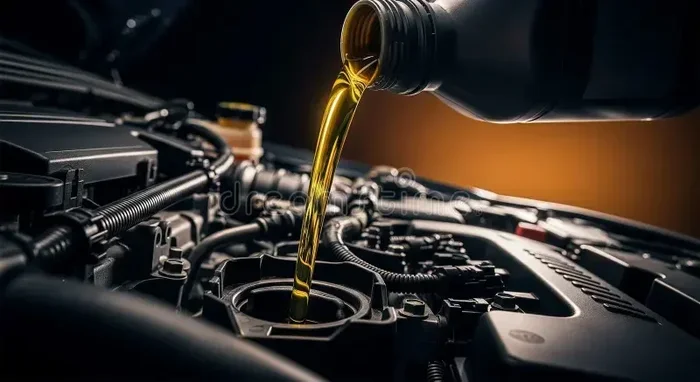
- Add new oil: Use a funnel to pour in the new engine oil. Add about 4 quarts first, then check the dipstick to see where the level is.
- Check the oil level: Wait a few minutes for the oil to settle. Pull the dipstick, wipe it clean, reinsert it, and pull it out again. The level should be between the minimum and maximum marks.
- Start the engine: Run the engine for 30 seconds. Check for leaks around the drain plug and filter. Turn off the engine and recheck the oil level.
That is it. You just changed your oil. It took about 30 minutes and you saved yourself at least $30 to $50 in shop labor costs.
Quick Tips for a Perfect Oil Change
- Always replace the oil filter every time you change the oil. A clogged filter can restrict oil flow and damage your engine.
- Use a torque wrench to tighten the drain plug. Over-tightening can strip the threads or crack the oil pan.
- Dispose of the old oil properly. Take it to a recycling center or auto parts store. Never pour it down the drain.
- Keep track of your oil change dates. Write them down or use a maintenance app on your phone.
Common Mistakes That Affect Oil Capacity and Performance
Even experienced car owners make mistakes when it comes to engine oil. Here are the most common ones and how to avoid them.
Overfilling the Oil
Overfilling is one of the worst things you can do. When there is too much oil, the crankshaft whips the excess into a froth. This is called oil foaming. Foamed oil does not lubricate properly. It can cause increased friction, overheating, and even bearing damage.
If you accidentally overfill, do not panic. You can use a suction pump to remove the excess oil through the oil fill hole. Or you can visit a quick-lube shop and have them drain the extra. Just do not drive for long distances with too much oil.
Underfilling the Oil
Running low on oil is just as dangerous. When the oil level drops below the minimum mark on the dipstick, the engine does not get proper lubrication. This leads to increased wear on bearings, pistons, and cylinder walls. Over time, it can cause catastrophic engine failure.
Check your oil level at least once a month. Do it when the engine is cold and the car is on level ground. If the level is low, add oil slowly and recheck before you add more.
Using the Wrong Oil Viscosity
Some people think all oils are basically the same. They are not. Using the wrong viscosity can lead to poor lubrication, reduced fuel economy, and increased engine wear. In cold climates, using a heavy oil like 10W-30 can make cold starts harder. In hot climates, using a light oil like 0W-20 in an older engine may not provide enough protection.
Skipping Oil Filter Changes
The oil filter catches contaminants and keeps them from circulating through your engine. Over time, the filter gets clogged. If you do not replace it, the dirty oil bypasses the filter and flows through the engine unfiltered. This accelerates wear and reduces engine life.
Always replace the filter with every oil change. It is a small part that makes a huge difference.
How to Know When Your 2.4L Engine Needs More Oil
Your engine will tell you when it needs oil. The trick is knowing the signs before it is too late.
Warning Signs of Low Oil
- Oil Pressure Warning Light: This is the most obvious sign. If the light comes on, pull over safely and check the oil level immediately.
- Engine Noise: A ticking or knocking sound can indicate insufficient lubrication. The engine parts are metal-on-metal without enough oil between them.
- Reduced Performance: If your engine feels sluggish or loses power, low oil pressure could be the cause.
- Oil Smell Inside the Car: A burning oil smell can mean a leak or that the oil level is dangerously low.
- Exhaust Smoke: Blue or gray smoke from the exhaust can indicate oil is burning in the combustion chamber.
How Often Should You Check Your Oil?
Get into the habit of checking your oil level at least once a month. This is especially important for older vehicles or those with higher mileage. Some modern cars have electronic oil level sensors that display the reading on the dashboard. If your car does not have this feature, use the dipstick.
The dipstick is your best friend when it comes to monitoring oil consumption. Pull it out, wipe it clean, reinsert it fully, and pull it out again. The oil should be between the two marks. If it is below the minimum, add a quarter quart at a time until it reaches the right level.
Understanding Oil Consumption
Some engines burn a small amount of oil over time. This is normal, especially in older vehicles. A 2.4L 4-cylinder engine might burn a quart every 1,000 to 3,000 miles. If you are burning oil faster than that, there may be a problem like worn piston rings, a leaking valve seal, or an external oil leak.
If you notice your oil consumption is unusually high, have a mechanic inspect the engine. Catching the problem early can save you from expensive repairs.
Key Takeaways
- Standard Capacity: Most 2.4L 4-cylinder engines take 4.5 to 5.5 quarts of oil with the filter replaced.
- Oil Type Matters: Using the right oil viscosity and specification protects your engine and improves performance.
- Check Your Manual: Always refer to your owner’s manual for the exact oil capacity and OEM specification for your vehicle.
- Overfilling Is Dangerous: Too much oil can cause engine damage, leaks, and poor performance.
- Regular Changes Save Money: Staying on top of your oil change schedule prevents costly repairs down the road.
- DIY Is Easy: Changing your own oil is simple, saves money, and only takes about 30 minutes.
Conclusion
So, how much oil does a 2.4L 4-cylinder engine take? The answer is between 4.5 and 5.5 quarts, depending on your specific vehicle. But the real takeaway is that knowing this number is just the beginning. To truly take care of your engine, you need to use the right oil type, follow the correct viscosity recommendations, and stick to a regular oil change schedule.
Changing your own oil is one of the most rewarding things you can do as a car owner. It saves money, builds your mechanical skills, and gives you a deeper understanding of your vehicle. And when you do it right, you are protecting your engine for years to come.
Take a few minutes today to look up your vehicle’s exact oil capacity. Write it down. Keep it handy. The next time you are under the hood, you will know exactly what to do. Your engine works hard for you. Give it the care it deserves.
Frequently Asked Questions
Can I use 5W-30 oil in a 2.4L engine that calls for 0W-20?
It is best to follow the manufacturer’s recommendation. Using 5W-30 in an engine designed for 0W-20 may lead to slightly reduced fuel economy and performance, especially in cold weather. Check your owner’s manual or consult a trusted mechanic before switching oil weights.
How often should I change the oil in my 2.4L 4-cylinder engine?
Most manufacturers recommend an oil change every 5,000 to 7,500 miles for conventional oil and every 10,000 to 15,000 miles for synthetic oil. Always refer to your owner’s manual for the specific interval recommended for your vehicle.
What happens if I put too much oil in my 2.4L engine?
Overfilling causes the oil to foam, which reduces its ability to lubricate properly. This can lead to increased engine wear, oil leaks, and in severe cases, engine damage. If you overfill, drain the excess oil immediately to avoid problems.
Can I reuse my old oil filter when I change the oil?
No. Always install a new oil filter with every oil change. A used filter is clogged with contaminants and debris. Reusing it allows dirty oil to circulate through your engine, which accelerates wear and reduces engine life.
How can I tell if my 2.4L engine is burning oil?
Signs of oil burning include blue or gray exhaust smoke, a burning oil smell, and needing to add oil more frequently than normal. If you notice these symptoms, have a mechanic inspect the engine. Early detection can prevent costly repairs.
Is it normal for a 2.4L engine to consume a little oil between changes?
Yes, a small amount of oil consumption is normal for most engines. Burning about one quart every 1,000 to 3,000 miles is generally considered acceptable. If you are going through oil faster than that, it could indicate a leak or internal engine wear that needs attention.