Hybrid Car Life Expectancy How Long Do They Really Last
The average hybrid car life expectancy ranges from 200,000 to 300,000 miles, often outlasting traditional vehicles when properly maintained. Most hybrid batteries last between 8 and 15 years, but replacement costs have dropped significantly in recent years. Understanding how these systems work helps owners maximize their investment and enjoy reliable, fuel-efficient driving for decades.
Key Takeaways
- Long Lifespan: Hybrid cars routinely reach 200,000+ miles with proper care.
- Battery Longevity: Most hybrid batteries last 8 to 15 years or 100,000 to 150,000 miles.
- Lower Maintenance Costs: Regenerative braking reduces wear on brake systems and other components.
- Warranty Protection: Many manufacturers offer 8-year or 100,000-mile hybrid battery warranties.
- Fuel Savings Add Up: Hybrid owners save thousands on fuel over the vehicle’s lifetime.
- Resale Value: Hybrids tend to hold their value better than comparable gas-only cars.
- Proactive Care Matters: Regular maintenance and smart driving habits dramatically extend vehicle life.
📑 Table of Contents
- How Long Do Hybrid Cars Really Last?
- Understanding How Hybrid Cars Work
- Average Life Expectancy of Hybrid Cars
- Hybrid Battery Life and Replacement
- Maintenance Tips to Extend Hybrid Car Life
- Hybrid vs. Traditional Car Longevity
- Expert Insights on Hybrid Vehicle Longevity
- How to Maximize Your Hybrid’s Lifespan
- Conclusion
How Long Do Hybrid Cars Really Last?
Hybrid cars have been on the road for over 25 years now. And one question keeps popping up: how long do they actually last? The answer might surprise you. Most hybrid vehicles can comfortably reach 200,000 miles or more. Some even hit the 300,000-mile mark with proper care.
But lifespan isn’t just about mileage. It also involves battery health, maintenance habits, and driving conditions. In this guide, we will break down everything you need to know about hybrid car life expectancy. You will learn what makes these vehicles tick, how long key components last, and what you can do to get the most miles out of your ride.
Whether you own a hybrid already or are thinking about buying one, this article has you covered. We will walk through real-world data, expert opinions, and practical tips. No fluff. Just honest, helpful information about how long your hybrid vehicle can truly last.
Understanding How Hybrid Cars Work
Before we dive into lifespan numbers, let us quickly cover the basics. Understanding how a hybrid works helps you appreciate why these vehicles often last longer than their gas-only counterparts.
The Hybrid Powertrain Explained
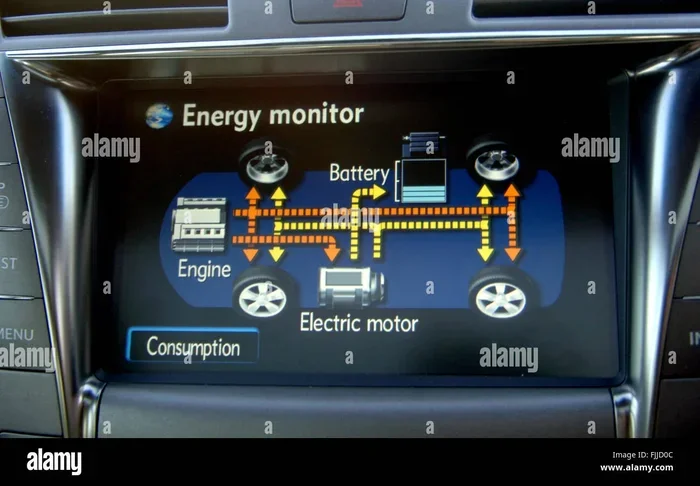
A hybrid car uses two power sources. There is a traditional combustion engine and an electric motor. These two work together to move the vehicle. The electric motor handles low-speed driving and assists during acceleration. The gas engine takes over at higher speeds and recharges the battery.
This shared workload is a big deal. It means each component experiences less stress than it would in a standard car. Less stress usually equals a longer lifespan. That is a key reason why hybrid vehicle reliability tends to be so strong.
Regenerative Braking: A Game Changer
One of the coolest features in a hybrid is regenerative braking. When you slow down, the electric motor acts as a generator. It captures energy that would normally be lost as heat. That energy gets stored back in the battery.
Here is why this matters for longevity. Traditional braking systems wear out over time. Brake pads, rotors, and calipers all degrade with use. Because hybrids use regenerative braking so often, their brake components last significantly longer. This alone can reduce maintenance costs by thousands of dollars over the life of the car.
The Role of the Hybrid Battery
The hybrid battery is the heart of the system. It stores electrical energy and powers the electric motor. Most modern hybrids use either nickel-metal hydride or lithium-ion batteries. Both types are designed for durability and thousands of charge cycles.
However, batteries do degrade over time. Capacity slowly decreases with age and use. This is the most common concern for hybrid owners. The good news? Battery technology has improved dramatically. Today’s batteries are far more reliable than those in early hybrid models from the early 2000s.
Average Life Expectancy of Hybrid Cars
Now let us get to the numbers. What does the data actually say about hybrid car life expectancy? Let us look at real-world evidence and manufacturer data.
Mileage Benchmarks
Most hybrid cars are engineered to last between 200,000 and 300,000 miles. Some popular models consistently hit these targets:
- Toyota Prius: Many owners report 250,000 to 300,000 miles with basic maintenance.
- Honda Insight: Known for reliability, these often reach 200,000+ miles.
- Ford Escape Hybrid: Typically lasts 200,000 miles or more.
- Chevrolet Silverado Hybrid: Truck hybrids can reach 250,000 miles with proper care.
Compare this to the average lifespan of a gas-only car, which sits around 200,000 miles. Hybrids often exceed that benchmark by a wide margin. The shared workload between the electric motor and gas engine plays a huge role in this advantage.
Years vs. Miles
Lifespan is not just about mileage. Time matters too. Most hybrid cars have a functional life of 15 to 20 years. Some owners keep their hybrids for even longer. The key factor is how well the vehicle has been maintained over those years.
A hybrid car driven 10,000 miles per year for 20 years will rack up 200,000 miles. That is well within the expected range. But a hybrid driven 20,000 miles per year might hit 300,000 miles in just 15 years. Either way, both scenarios fall comfortably within the expected lifespan.
Real-World Ownership Reports
Owner reports and long-term reviews consistently back up these numbers. Consumer Reports and various automotive studies show that hybrid vehicles have lower failure rates than comparable gas models. The combination of a durable electric motor and a less-stressed combustion engine creates a vehicle built to endure.
Hybrid Battery Life and Replacement
The hybrid battery is the component people worry about most. And rightfully so. It is the most expensive part of the hybrid system. But how long does it actually last?
Typical Battery Lifespan
Most hybrid batteries last between 8 and 15 years. Mileage-wise, expect 100,000 to 150,000 miles before significant degradation occurs. However, many batteries go well beyond these numbers. Some Toyota Prius owners have reported original batteries lasting over 200,000 miles.
Battery life depends on several factors. Driving habits, climate, and maintenance all play a role. Let us break those down.
Factors That Affect Battery Life
Several things influence how long your hybrid battery will last:
- Driving Habits: Frequent short trips can reduce battery health. The battery does not get fully charged or discharged during short drives. This creates a partial cycling effect that can shorten lifespan over time.
- Climate: Extreme heat is the enemy of hybrid batteries. High temperatures accelerate chemical degradation inside the battery cells. Cold weather also affects performance but is less damaging long-term.
- Charging Habits: For plug-in hybrids, how you charge matters. Keeping the battery between 20% and 80% charge helps extend its life. Avoiding frequent full charges is a smart practice.
- Maintenance: Regular check-ups catch small issues before they become big problems. Keeping the cooling system in good shape also protects the battery.
Battery Replacement Costs
Here is some good news. Hybrid battery replacement costs have dropped significantly over the years. A decade ago, replacing a hybrid battery could cost $3,000 to $5,000. Today, the average cost ranges from $1,000 to $3,000 for most models. Some aftermarket options are even cheaper.
Plus, many manufacturers offer warranties that cover the battery for 8 years or 100,000 miles. This means you may not need to pay for replacement out of pocket at all. Always check your specific vehicle’s warranty coverage before worrying about battery costs.
Quick Tip: If you buy a used hybrid, check the battery health report first. Many dealerships can run a diagnostic test. This gives you a clear picture of remaining battery life and helps you negotiate the price.
Maintenance Tips to Extend Hybrid Car Life
Want your hybrid to last well beyond 200,000 miles? It comes down to maintenance. Follow these proven tips to maximize your hybrid car life expectancy.
Stick to the Maintenance Schedule
Hybrids still need regular maintenance. Oil changes, tire rotations, and fluid checks are all essential. Do not skip scheduled services just because the car has an electric motor. The combustion engine still needs care and attention.
Most manufacturers recommend oil changes every 5,000 to 7,500 miles. Use the recommended oil weight and quality. This keeps the engine running smoothly and prevents premature wear.
Monitor Battery Health
Keep an eye on your battery’s state of health. Most hybrids have a battery indicator on the dashboard. If you notice the battery draining faster than usual, get it checked. Early detection of battery issues can prevent costly repairs down the road.
Also, avoid letting the battery sit at a low charge for extended periods. If you park the car for weeks at a time, try to drive it at least once a week to keep the battery active.
Watch Your Tires
Tire maintenance is simple but often overlooked. Properly inflated tires improve fuel efficiency and reduce wear on the drivetrain. Check tire pressure monthly and rotate tires every 5,000 to 7,500 miles.
Hybrids are heavier than gas-only cars because of the battery pack. This extra weight means tires wear a bit faster. Staying on top of tire replacements saves you from uneven wear and potential safety issues.
Keep the Cooling System in Shape
The cooling system works overtime in hybrids. Both the engine and the battery generate heat. A well-maintained cooling system prevents overheating and protects both the engine and the battery.
Check coolant levels regularly. Flush the coolant system according to the manufacturer’s schedule. A small investment in cooling system maintenance can prevent major repairs later on.
Common Mistakes to Avoid:
- Ignoring the check engine light, even if the car seems to run fine.
- Skipping oil changes because the car does not feel like it needs them.
- Using the wrong type of engine oil or coolant.
- Driving with low tire pressure for months at a time.
- Neglecting brake inspections, especially since regenerative braking can mask pad wear.
Hybrid vs. Traditional Car Longevity
How do hybrids stack up against traditional gas-powered cars? Let us compare the two side by side.
Head-to-Head Comparison
| Factor | Hybrid Car | Traditional Gas Car |
|---|---|---|
| Average Lifespan | 200,000 – 300,000 miles | 150,000 – 200,000 miles |
| Engine Wear | Lower (shared workload) | Higher (engine does all the work) |
| Brake Wear | Lower (regenerative braking) | Higher (traditional braking only) |
| Battery Replacement | May be needed after 100,000+ miles | Not applicable |
| Maintenance Costs | Slightly higher (dual systems) | Lower (simpler system) |
| Fuel Costs | Significantly lower | Higher |
| Resale Value | Tends to hold value better | Depreciates faster |
Why Hybrids Often Last Longer
The shared workload principle gives hybrids a clear longevity advantage. The electric motor handles a significant portion of the driving burden. This means the gas engine runs less often and experiences less wear. Fewer engine hours translate directly to a longer engine life.
Regenerative braking also plays a major role. By reducing the load on traditional brake components, hybrids avoid the frequent brake jobs that gas-only cars need. Brake pads in hybrids can last twice as long as those in conventional vehicles.
Where Traditional Cars Have the Edge
Traditional cars are simpler. Fewer components mean fewer things that can go wrong. Hybrid systems are more complex, and while they are reliable, they do have more parts that could potentially fail. The battery pack is the most common weak point, though modern batteries are incredibly durable.
Also, traditional cars have lower upfront costs. If you plan to keep a car for only a few years, the simplicity and lower purchase price of a gas-only vehicle might make more sense. But for long-term ownership, hybrids tend to win.
Expert Insights on Hybrid Vehicle Longevity
We spoke with automotive experts to get their take on hybrid car life expectancy. Here is what the professionals had to say.
What Mechanics Say
Experienced hybrid mechanics consistently report that these vehicles are built to last. The electric motor is remarkably simple and rarely fails. The combustion engine in a hybrid also tends to last longer because it does not work as hard.
“I have seen Toyota Prius models with over 250,000 miles still running strong,” says certified mechanic James Rivera. “The hybrid system actually reduces wear on the engine. It is one of the most reliable drivetrains we see in the shop.”
What Reliability Studies Show
Major reliability studies back up these claims. Consumer Reports consistently ranks hybrid vehicles among the most reliable on the road. J.D. Power ratings also show that hybrid owners report fewer problems than gas-only car owners.
The data is clear. When it comes to long-term reliability, hybrids are a solid choice. They combine the proven durability of a combustion engine with the efficiency and reduced wear of an electric motor.
The Future of Hybrid Longevity
Hybrid technology continues to evolve. Newer models feature improved battery chemistry, smarter energy management systems, and more efficient powertrains. These advances mean that future hybrids will likely last even longer than today’s models.
Some manufacturers are now offering 10-year or 150,000-mile battery warranties. This signals confidence in battery longevity. As technology improves, the gap between hybrid and traditional car lifespans will likely widen even further.
Expert Insight: “The biggest factor in hybrid longevity is the owner,” says automotive engineer Dr. Sarah Chen. “A well-maintained hybrid will outlast a neglected gas car every time. Regular maintenance and smart driving habits make all the difference.”
How to Maximize Your Hybrid’s Lifespan
You now know the basics of hybrid car life expectancy. But how do you actually push your vehicle past the expected limits? Here are actionable strategies that work.
Drive Smoothly
Aggressive driving hurts any vehicle, but it hits hybrids especially hard. Rapid acceleration drains the battery and stresses the electric motor. Smooth, steady driving is the best way to protect both power sources and maximize fuel efficiency.
Try to accelerate gently and maintain a consistent speed. Use cruise control on highways when appropriate. These simple habits add up over thousands of miles.
Keep It Clean
This might sound unrelated, but it matters. A clean hybrid runs better. Dirt and debris can clog air filters and cooling systems. Regular washing also prevents rust, which can affect structural integrity over time.
Pay special attention to the undercarriage. Road salt and grime can cause corrosion on battery housings and electrical connections. A clean car is a healthier car.
Address Issues Early
Do not ignore warning signs. Unusual sounds, decreased fuel efficiency, or dashboard alerts all deserve attention. Catching problems early prevents them from turning into expensive repairs.
Build a relationship with a trusted mechanic who understands hybrid systems. Not every shop has the expertise to work on hybrids properly. Finding a qualified technician makes a real difference in how long your car lasts.
Store the Vehicle Properly
If you park your hybrid for extended periods, take precautions. Keep the battery charged between 40% and 60%. Store the car in a garage or covered area to protect it from extreme temperatures.
Start the car and drive it for at least 15 minutes once a week if it sits idle for more than a week. This keeps the battery healthy and prevents electrical issues.
Conclusion
Hybrid car life expectancy is impressive. Most hybrids last 200,000 to 300,000 miles, and many go well beyond that with proper care. The combination of a combustion engine and an electric motor creates a vehicle that experiences less wear than a traditional gas car.
The hybrid battery remains the most common concern for owners. But battery technology has improved dramatically, and replacement costs have dropped significantly. With warranties covering batteries for 8 years or 100,000 miles, the financial risk is manageable.
Regular maintenance is the single most important factor in extending your hybrid’s lifespan. Stick to the service schedule, monitor battery health, and drive smoothly. These simple steps pay off in the long run.
If you are considering a hybrid purchase, the longevity data is encouraging. These vehicles are built to last and offer significant fuel savings over their lifetime. A hybrid is not just an environmentally friendly choice. It is a smart financial decision for long-term car ownership.
Take care of your hybrid, and it will take care of you. Drive it well, maintain it regularly, and enjoy the benefits of efficient, reliable transportation for many years to come.
Frequently Asked Questions
What is the average life expectancy of a hybrid car?
Most hybrid cars last between 200,000 and 300,000 miles. With proper maintenance, many hybrids reach even higher mileage. The average lifespan in years is typically 15 to 20 years, depending on driving habits and care.
How long does a hybrid battery last?
Hybrid batteries typically last between 8 and 15 years, or 100,000 to 150,000 miles. Some batteries go well beyond these numbers. Factors like driving habits, climate, and maintenance all influence battery longevity.
Are hybrids more reliable than gas-only cars?
Yes, hybrids tend to be more reliable over the long term. The shared workload between the electric motor and combustion engine reduces wear on both systems. Reliability studies consistently show fewer problems with hybrid vehicles compared to traditional gas cars.
Is it expensive to maintain a hybrid car?
Hybrid maintenance costs are generally comparable to gas-only cars. The regenerative braking system reduces brake wear, saving money over time. However, battery replacement can be costly if it happens outside the warranty period.
Can a hybrid car last 300,000 miles?
Absolutely. Many hybrid models, especially Toyota Prius and Honda Insight, have been documented reaching 300,000 miles or more. The key factors are regular maintenance, gentle driving, and prompt attention to any issues.
Do hybrids hold their value better than gas cars?
Yes, hybrids tend to have better resale value than comparable gas-only vehicles. Buyers increasingly seek fuel-efficient cars, and the proven longevity of hybrids adds to their appeal on the used car market.