Does a 2015 Toyota Tacoma Have a Timing Belt or Chain
If you own a 2015 Toyota Tacoma, you might ask: does a 2015 Toyota Tacoma have a timing belt or chain? The answer is a timing chain. This guide covers everything from maintenance to warning signs, so you can keep your truck running strong.
Many truck owners love the 2015 Toyota Tacoma. It’s a tough, reliable ride. But one question keeps popping up: does a 2015 Toyota Tacoma have a timing belt or chain? The answer matters for maintenance and repairs. If you don’t know which system your engine uses, you might miss important service steps. We’ll give you a clear answer right here. The 2015 Tacoma uses a timing chain. That’s good news for durability. We’ll explain why, how to check it, and what to watch for. This guide covers everything you need to know. So let’s dive in and get you the facts.
Key Takeaways
- The 2015 Tacoma uses a timing chain, not a belt: This answers does a 2015 Toyota Tacoma have a timing belt or chain.
- Timing chains last longer: They don’t need replacement as often as belts, saving you money.
- Regular oil changes are critical: Clean oil keeps the chain and tensioner working smoothly.
- Listen for rattles: A ticking noise from the engine could mean chain stretch.
- Replacement cost is higher but less frequent: A chain job costs more upfront but lasts the engine’s life in many cases.
- Check the tensioner: A worn tensioner can cause chain slack and engine damage.
📑 Table of Contents
Understanding the 2015 Toyota Tacoma Engine
The 2015 Tacoma came with two engine choices. The base model used a 2.7-liter four-cylinder. The bigger option was a 4.0-liter V6. Both engines use a timing chain. Toyota designed these powerplants with chains for longevity. The four-cylinder is a workhorse for daily driving. The V6 offers more power for hauling. No matter which engine you have, the timing system is the same type. You’ll find a chain driving the camshafts. This chain connects to the crankshaft. It keeps the valves opening and closing at the right time. Proper valve timing is essential for engine performance. If the chain stretches, your engine might run poorly. That’s why knowing your system helps.
The 2.7L and 4.0L Engine Options
The 2.7-liter four-cylinder makes 159 horsepower. It’s a solid engine for work and play. The 4.0-liter V6 makes 270 horsepower. It’s the choice for heavy towing. Both use a single timing chain. The chain runs on the front of the engine. It’s hidden behind a plastic cover. Toyota uses a chain for both engines. This design is common in truck engines. It offers better durability than a belt. The chain is made of metal links. It won’t dry out or crack like rubber. You can expect the chain to last a long time.
Why Timing Matters
Engine timing controls when valves open. The camshaft spins and pushes valves open. The crankshaft turns the pistons up and down. The chain keeps them in sync. Think of it like a dance. The pistons and valves must move together. If they get out of step, bad things happen. In a non-interference engine, a broken chain might not bend valves. But the 2015 Tacoma’s 4.0L V6 is an interference engine. That means pistons and valves can collide if timing is off. A stretched chain can cause valve damage. So keeping the chain in good shape is vital. Regular checks can prevent big repairs.
Timing Belt vs. Timing Chain: A Simple Breakdown
Before we go further, let’s look at the difference between a belt and a chain. Many people confuse the two. Both do the same job. They keep the crankshaft and camshaft turning together. But they are made of different materials. And they last different lengths of time. Here’s a quick look at each.
What Is a Timing Belt?
A timing belt is a rubber belt with teeth. It wraps around the camshaft and crankshaft sprockets. Belts are quieter than chains. They cost less to replace. But they wear out faster. Most automakers recommend replacing a timing belt every 60,000 to 100,000 miles. If the belt breaks, the engine stops. In interference engines, a broken belt can bend valves. That’s a costly repair. The 2015 Tacoma does not use a belt. But many other trucks do. So it’s good to know the difference.
What Is a Timing Chain?
A timing chain is a metal chain. It loops around sprockets on the camshaft and crankshaft. Chains are much stronger than rubber belts. They last a long time. Many chains can go 100,000 miles or more without issues. The 2015 Tacoma timing chain is built to last the life of the engine. You might never need to replace it. But they can stretch over time. Oil keeps the chain lubricated. Dirty oil can cause wear. That’s why oil changes matter so much.
Key Differences at a Glance
Here’s a quick comparison table to help you see the differences.
| Feature | Timing Belt | Timing Chain |
|---|---|---|
| Material | Rubber with teeth | Metal links |
| Lifespan | 60,000–100,000 miles | 100,000+ miles, often engine life |
| Noise | Quiet | Can be slightly noisier |
| Cost to Replace | Lower | Higher |
| Maintenance | Must replace on schedule | Check periodically; oil changes are key |
| Used in 2015 Tacoma? | No | Yes |
As you can see, the chain wins on durability. The 2015 Tacoma benefits from this design. You’ll spend less on replacement intervals. But you still need to care for it.
Does a 2015 Toyota Tacoma Have a Timing Belt or Chain?
The direct answer to does a 2015 Toyota Tacoma have a timing belt or chain is a timing chain. Every 2015 Tacoma, whether it has the 2.7L or 4.0L engine, uses a chain. Toyota chose this design for a reason. Chains are more durable and don’t need frequent replacement. You can drive hundreds of thousands of miles without worrying about a belt snap. That’s a big plus for truck owners. If you’re doing your own repairs, knowing this helps you buy the right parts. You won’t accidentally order a belt kit. Always confirm your engine type, but the answer remains the same: chain.
Why Toyota Chose a Chain
Toyota engineers know trucks work hard. The Tacoma is a popular off-road and work truck. A chain can handle the stress. It doesn’t stretch as quickly as a belt. The 4.0L V6 in the Tacoma produces 270 horsepower. That power needs precise timing. A chain delivers that reliability. The chain runs inside the engine. It’s protected from dirt and debris. This design keeps the chain clean longer. You’ll find the chain on the front of the engine block. It’s a robust system that Toyota trusts. Many other manufacturers use chains in their trucks too. Ford, Ram, and Chevrolet often choose chains for their V8s. So the Tacoma fits right in with that trend.
How the Timing Chain System Works
The chain connects the crankshaft to the camshafts. It runs on a set of guides. A tensioner keeps the chain tight. The tensioner uses oil pressure or a spring. When the engine runs, the chain moves smoothly. The guides prevent the chain from bouncing. Over time, the chain can stretch slightly. The tensioner compensates for that stretch. But if the tensioner fails, the chain slackens. That’s when problems start. Keeping the whole system healthy means regular oil changes. Clean oil feeds the tensioner and guides. It’s a simple cycle that pays off.
How to Check Your Tacoma’s Timing System
You might want to verify what’s under your hood. It’s actually pretty simple. You don’t need to be a master mechanic. Just a few tools and some patience.
Visual Inspection Tips
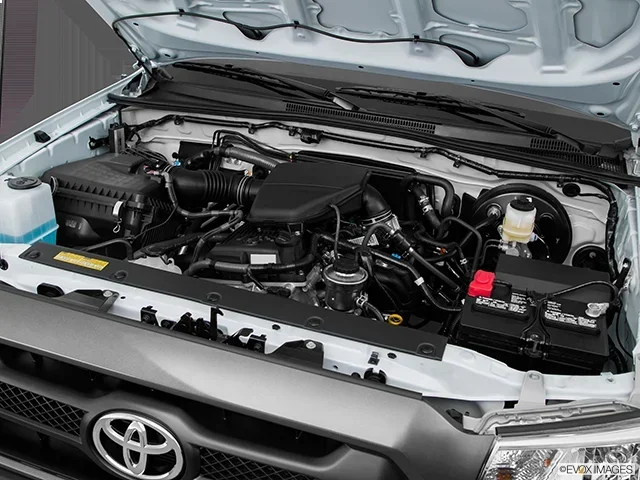
Open the hood and locate the engine cover. The 2015 Tacoma has a plastic engine cover. Remove the bolts or clips holding it in place. Once it’s off, you’ll see the top of the engine. Look for a long metal chain. It runs along the front of the engine block. The chain connects to a sprocket on the crankshaft. It also connects to sprockets on the camshafts. You might see a plastic cover over the chain. That cover keeps oil spray contained. If you see a metal chain, you have a chain system. If you see a rubber belt, that would be unusual for a 2015 Tacoma, but some older models used belts. The 2015 model year is all chain.
Listening for Warning Sounds
Start the engine and let it idle. Listen carefully. A healthy timing chain should make a soft, steady hum. If you hear a rattling or ticking noise, pay attention. That could be chain stretch. It might also be a loose tensioner. The noise is often loudest when the engine is cold. It may quiet down as the engine warms up. But don’t ignore it. A rattle can be an early sign of trouble. Use a mechanic’s stethoscope if you have one. Place it on the front of the engine block. You’ll hear the chain more clearly. If it sounds like a sewing machine, the chain might be worn. Get it checked soon.
What You’ll Need for a Basic Check
- A flashlight
- A mechanic’s stethoscope or a long screwdriver
- Your owner’s manual
- A clean rag
Always let the engine cool before touching anything. Safety first. If you’re not comfortable, ask a friend or visit a Toyota mechanic. They can do a quick inspection for you.
Maintenance Schedule and Tips for the Timing System
Keeping your timing chain in good shape is easy. The main thing is oil. Clean oil lubricates the chain and tensioner. Dirty oil causes wear. So follow the maintenance schedule.
Oil Change Frequency
Toyota recommends oil changes every 5,000 to 7,500 miles for normal driving. If you tow or drive in dusty conditions, shorten that interval. Use Toyota Genuine Motor Oil or a high-quality synthetic blend. The 4.0L V6 takes about 5.7 quarts of oil. The 2.7L takes about 4.9 quarts. Fresh oil keeps the chain running smooth. It also protects the tensioner and guides. Think of oil as the lifeblood of your timing system. Skipping oil changes is the fastest way to shorten chain life.
When to Replace the Chain
Most 2015 Tacoma chains never need replacement. But they can stretch after 150,000 miles or more. If you hear a persistent rattle, have a mechanic inspect it. They can check chain stretch with a dial indicator. The tensioner should also be checked. A weak tensioner can cause chain slap. That’s when the chain hits the guide and makes noise. Replacing the chain and tensioner together is a job for a shop. It takes several hours. The parts cost more than a belt job. But you won’t need to do it often.
Cost Considerations
Replacing a 2015 Toyota Tacoma timing chain can cost between $1,200 and $1,800. That includes parts and labor. The chain kit includes the chain, guides, tensioner, and sprockets. Labor is high because the engine must be partially disassembled. Some models require removing the front of the engine. That’s why it’s important to prevent problems. Regular oil changes are cheap compared to a chain replacement. A simple oil change costs around $50. That’s a great investment. If you’re planning to keep your Tacoma for a long time, stick to the schedule.
Quick Tips for Timing Chain Longevity
- Change your oil every 5,000 miles or less.
- Use the oil weight recommended in your owner’s manual.
- Check for oil leaks near the timing cover.
- Listen for rattles, especially on cold starts.
- Don’t ignore the check engine light.
- Keep the engine cover on to reduce debris exposure.
Expert Insight
Toyota engineers designed the 2015 Tacoma timing chain to last well over 200,000 miles. Many owners report never needing a chain replacement. The key is consistent oil changes. Use quality oil and replace the filter regularly. This simple habit pays off big time. A well-maintained chain can outlast the truck itself. That’s what makes the Tacoma so reliable.
Common Problems and Warning Signs
Even with a chain, issues can arise. We’ll cover the most common ones. Knowing the signs helps you act fast.
Chain Stretch and Rattles
Over time, the chain can stretch. This is normal wear. The links elongate slightly. When the chain stretches, it loses tension. The tensioner works harder to keep it tight. Eventually, the chain may rattle. You’ll hear a metallic ticking. It’s often worse at idle. The rattle might go away when you rev the engine. That’s because the tensioner catches up. But don’t assume it’s fine. A stretched chain can cause rough idle. It might also trigger the check engine light. The engine control module sees misfires from poor timing. If you notice a rattle, get it diagnosed early.
Tensioner Failure
The chain tensioner keeps the chain taut. It uses hydraulic pressure or a spring. When the tensioner fails, the chain slackens. Slack can cause the chain to skip teeth on the sprockets. That’s a serious problem. Skipped timing can bend valves in the 4.0L V6. The 2.7L is also an interference engine. So a failed tensioner can lead to expensive damage. Signs of tensioner failure include a loud knock. The knock may happen on startup. It might go away after a few seconds. If you hear a deep knock, stop driving. Tow the truck to a shop. Continuing to drive can destroy the engine.
Check Engine Light Clues
The check engine light can come on for many reasons. One cause is incorrect valve timing. If the chain stretches too much, the camshaft position sensor detects a mismatch. The computer sets a code. Common codes include P0008, P0009, or P0340. These relate to camshaft or crankshaft position correlation. You’ll need a scan tool to read the codes. Don’t ignore the light. A small chain issue can become a big engine problem if left alone.
Common Mistakes to Avoid
Many owners make mistakes with their timing chain. One common mistake is ignoring oil changes. Dirty oil is the enemy of the chain. Another mistake is using the wrong oil weight. The 4.0L V6 needs 5W-30 oil in most climates. Using 10W-30 can cause sludge. Sludge clogs the tensioner passages. That can lead to tensioner failure. Also, don’t ignore rattles. Some people think all Tacoma engines rattle. That’s not true. A healthy chain should be quiet. If you hear a noise, investigate it. Finally, avoid cheap aftermarket parts. If you ever need a replacement, use quality parts. The chain and tensioner are critical. Don’t gamble with your engine.
When to Seek Professional Help
Some jobs are best left to the pros. If you notice a loud knock, don’t keep driving. If the check engine light is flashing, get it scanned. A Toyota mechanic has the right tools and training. They can check chain stretch and tensioner pressure. They’ll also inspect the guides and sprockets. A professional diagnosis saves you from costly mistakes. It’s always better to be safe than sorry.
Conclusion
To sum it up, does a 2015 Toyota Tacoma have a timing belt or chain? It has a timing chain. That chain is built to last. With regular oil changes and attention to warning signs, you can avoid major repairs. Your Tacoma will keep running strong for years. Don’t ignore rattles or the check engine light. Treat your timing system well, and it will treat you right. Now you know exactly what’s under your hood. Share this guide with a fellow Tacoma owner. Stay proactive, and your truck will reward you with reliable performance.
Frequently Asked Questions
How often should I replace the timing chain on a 2015 Tacoma?
Most 2015 Tacoma chains never need replacement. They are designed to last the life of the engine. However, if you hear a persistent rattle, have it inspected. A mechanic can check for stretch. Regular oil changes help the chain last longer.
Can I drive with a stretched timing chain?
It’s not recommended. A stretched chain can cause rough idle and misfires. In worst cases, it can skip teeth and damage valves. If you suspect chain stretch, get it checked soon. Driving with a bad chain can lead to expensive repairs.
What are the symptoms of a failing timing chain?
Common signs include a rattling noise on startup, rough idle, and the check engine light. You might also notice a loss of power. These symptoms mean the chain is wearing out. Don’t ignore them. Early detection saves money.
Is it worth replacing the chain or selling the truck?
If your Tacoma is in good shape otherwise, replacing the chain is usually worth it. The truck’s value and reliability make it a smart investment. A chain replacement costs $1,200 to $1,800. That’s far less than buying a new truck. Keep your Tacoma running strong.
Does the 2015 Tacoma timing chain require special tools?
Yes, replacing the chain requires specialty tools. You need a chain breaker, tensioner tool, and torque wrench. Most owners leave this job to a professional. A Toyota mechanic has the right equipment. It ensures the repair is done correctly.
How does the timing chain affect fuel economy?
A healthy timing chain keeps the engine running efficiently. Proper valve timing helps the engine burn fuel cleanly. A worn chain can cause rough running and poor mileage. Keeping the chain in good shape supports good fuel economy. Stick to your oil change schedule for the best results.