Why Are Replacement Headlights So Expensive Nowadays
Replacement headlights cost so much today because of advanced technology, expensive parts, and complex vehicle designs. The shift from simple halogen bulbs to LED and adaptive systems has driven prices way up. Insurance coverage and labor costs also play a big role in the final bill.
Have you ever gotten a quote for new headlights and nearly choked on your coffee? You are not alone. Replacement headlights have gotten insanely expensive over the past decade. What used to be a simple and affordable fix has turned into one of the biggest surprises on any car repair bill.
The truth is, the price tag on a new set of headlights has very little to do with the actual glass or plastic. So much of what you pay goes toward technology, design, and the way modern cars are built. If you have ever wondered why a pair of headlights costs more than some whole appliances, this article is for you.
We are going to break down every reason behind the high cost. From the parts themselves to the labor involved, we will cover it all. By the end, you will understand exactly why replacement headlights carry such a steep price and what you can do about it.
Key Takeaways
- Modern headlight technology is the main reason replacement costs have surged in recent years.
- OEM vs aftermarket parts vary widely in price, and each has its own pros and cons.
- Labor and calibration add significant costs because today’s headlights need precise alignment.
- Insurance and warranty options can help offset the high expense of headlight replacement.
- Preventive care like headlight restoration can extend the life of your current lights.
- Adaptive and sensor-based systems make headlight assemblies much more complex and costly.
📑 Table of Contents
- The Technology Behind Modern Headlights
- OEM vs Aftermarket: The Parts Cost Debate
- Labor Costs and Complex Installation
- Why Insurance and Warranty Matter
- Common Mistakes That Lead to Higher Costs
- Tips to Save Money on Headlight Replacement
- Expert Insights on Headlight Pricing
- Key Takeaways
- Conclusion
The Technology Behind Modern Headlights
Cars today are rolling computers on wheels. And the headlights are a perfect example of how far auto lighting has come. The days of simple halogen bulbs are mostly gone. Now, vehicles come packed with LED arrays, projector lenses, and smart sensors that adjust the light beam automatically.
LED and Xenon Headlight Systems
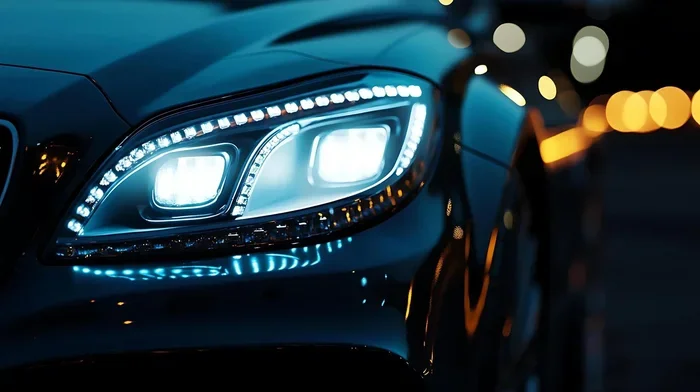
LED headlights use light-emitting diodes instead of old-fashioned filaments. They last longer, shine brighter, and use less energy. But they also cost a fortune to replace. A single LED assembly can run several hundred dollars on its own. Xenon or high-intensity discharge (HID) headlights are another step up. They produce a bright, bluish-white light that looks amazing but comes with a big price tag.
These advanced systems involve more than just a bulb. They include wiring harnesses, control modules, cooling systems, and precision lenses. Every one of these parts adds to the overall headlight cost. When one piece fails, you often need to replace the whole assembly rather than just the bulb.
Adaptive and Matrix Lighting
Some newer cars have adaptive headlights that swivel with the steering wheel. Others use matrix technology that dims individual sections of the light to avoid blinding oncoming drivers. These systems rely on cameras, sensors, and software. They are incredibly clever but also incredibly expensive to fix.
When a sensor or control module goes bad, the repair bill can climb fast. The headlight assembly itself becomes a mini computer. And just like any computer part, replacement does not come cheap. This is one of the biggest reasons replacement headlights cost so much today.
OEM vs Aftermarket: The Parts Cost Debate
When your headlights break, you usually have two choices: OEM or aftermarket parts. OEM stands for Original Equipment Manufacturer. These are parts made by the same company that supplied the car manufacturer. Aftermarket parts are made by third-party companies.
Why OEM Parts Cost So Much
OEM headlights carry the brand name of your car’s maker. They are designed to fit perfectly and meet all factory specifications. But that perfection comes at a price. A single OEM headlight assembly can easily cost between $500 and $1,500 or more. For luxury or premium brands, the price can go even higher.
Car makers control the supply of OEM parts tightly. This limited availability pushes prices up. Dealerships also charge a markup because they have to handle the parts at a premium level. So when you buy OEM replacement headlights, you are paying for the brand name and the guarantee of a perfect fit.
Aftermarket Alternatives: Cheaper but Not Always Better
Aftermarket headlights can save you a lot of money. A quality aftermarket set might cost $150 to $500 for a pair. But there is a catch. The fit and finish may not match the original. Light output can vary. And some aftermarket parts do not last as long as OEM ones.
There is also a safety concern. Cheap aftermarket lights may not meet federal lighting standards. They might not provide the right beam pattern or brightness. This can affect your visibility at night and even put other drivers at risk. So while aftermarket parts seem like a great deal, they come with trade-offs.
| Feature | OEM Headlights | Aftermarket Headlights |
|---|---|---|
| Price Range (per pair) | $500 – $1,500+ | $150 – $500 |
| Fit and Finish | Perfect factory match | Varies by brand |
| Light Quality | Consistent and certified | Inconsistent |
| Durability | Very high | Moderate to low |
| Warranty | Usually included | Limited or none |
| Safety Compliance | Fully certified | May not meet standards |
Labor Costs and Complex Installation
Replacing a headlight is not always a simple bolt-and-go job. Modern vehicles are built with tight engine bays and complex wiring. Getting to the headlight assembly often requires removing other components first. This adds significant labor time to the job.
Calibration and Alignment
Here is something many car owners do not think about. Adaptive headlights need to be calibrated after replacement. The sensors and alignment systems must be reset so the lights aim correctly. This requires specialized diagnostic equipment and trained technicians.
Calibration alone can add $100 to $300 to the bill. And if the calibration is off, your headlights may blind other drivers or fail a safety inspection. Proper alignment is not optional. It is a legal and safety requirement. This is why labor for replacement headlights costs so much more than it used to.
Wiring and Electrical Connections
Modern headlight systems involve complex wiring. LED and adaptive systems have multiple electrical connections. One wrong move during installation can damage the wiring harness. Repairing that damage can turn a simple headlight job into a much bigger and more expensive fix.
Technicians need to be extra careful and follow precise steps. This expertise comes at a cost. The more complex the system, the more time the job takes. And more time means more labor charges. So even if the part itself were cheap, the labor would still make the total bill high.
Why Insurance and Warranty Matter
Dealing with the cost of new headlights can be stressful. But there are options that can help you manage the expense. Understanding your insurance and warranty coverage is a smart first step.
Comprehensive Insurance Coverage
If your headlights were damaged in an accident, vandalism, or a weather event, your comprehensive auto insurance may cover the cost. You will still need to pay your deductible, which is the amount you owe before insurance kicks in. Deductibles can range from $250 to $1,000 or more depending on your policy.
Before you pay out of pocket, always check with your insurance provider. Some policies cover headlight damage with no questions asked. Others may require proof that the damage was not caused by wear and tear. It is worth the call. You might save yourself hundreds of dollars.
Manufacturer Warranties and Extended Plans
New cars come with manufacturer warranties that cover certain parts for a set period. Headlights may be included in the electrical components coverage. If your car is still under warranty, a headlight replacement might cost you nothing or just a small copay.
Extended warranties or maintenance plans can also help. These plans are often worth considering when buying a used car or when your original warranty is about to expire. They can save you from surprise repair bills and make headlight replacement cost much more manageable.
Common Mistakes That Lead to Higher Costs
There are some things car owners do that accidentally make headlight repairs more expensive than they need to be. Avoiding these mistakes can save you real money.
Ignoring Minor Damage
A cracked headlight lens might not seem like a big deal at first. But moisture can seep into the housing and damage the bulb or electrical connections. What starts as a small crack can turn into a full assembly failure. Fixing a small crack early is much cheaper than replacing the whole unit.
Choosing the Cheapest Option
Going with the absolute cheapest replacement part can backfire. Low-quality headlights may fail quickly or not provide proper light output. You could end up replacing them again in just a few months. This doubles or even triples your total cost. It is better to invest in a quality part the first time around.
Skipping Professional Calibration
Some people try to skip the calibration step after replacing adaptive headlights. This might save a little money upfront. But misaligned headlights are dangerous and can fail a state inspection. You will likely have to go back and pay for calibration anyway. Skipping this step is a false economy.
Tips to Save Money on Headlight Replacement
Even though replacement headlights are expensive, there are still ways to save money. A little planning and smart decision-making can make a real difference.
- Get multiple quotes: Visit more than one shop or dealership. Prices can vary by hundreds of dollars for the same job.
- Check your warranty first: Always verify whether your warranty covers the replacement before paying out of pocket.
- Consider quality aftermarket parts: Reputable aftermarket brands offer a good balance of price and quality.
- Ask about refurbished assemblies: Some shops offer refurbished OEM headlights at a lower cost. These can be a great middle-ground option.
- Practice preventive care: Keep your headlights clean and dry. Regular maintenance can prevent premature failure.
- Ask about payment plans: Some repair shops offer financing options for larger repairs. This can ease the immediate financial burden.
Quick Tips for Headlight Longevity
Taking care of your headlights can help them last longer and delay the need for expensive replacements. Here are some simple things you can do right now.
- Clean your headlights regularly with a gentle car wash soap.
- Apply a UV-protective coating to prevent yellowing and cracking.
- Check your headlight alignment at least once a year.
- Replace bulbs in pairs so both sides have matching brightness.
- Avoid driving through deep water unless absolutely necessary.
Expert Insights on Headlight Pricing
We asked a few auto repair professionals about the rising cost of replacement headlights. Their insights confirm what the data shows. Modern vehicles are simply more complex than they used to be.
“The shift to LED and adaptive systems has changed everything,” says one veteran mechanic. “What used to be a $50 bulb job is now a $1,000 assembly replacement. The technology is better for drivers, but the repair costs reflect that complexity.”
Another expert points to supply chain issues. “After a major accident or recall, parts can be in short supply. When demand outpaces supply, prices go up. This affects everything from headlight assemblies to small plastic clips.”
These professionals agree on one thing. The high cost of replacement headlights is not just a scam. It reflects the real expense of producing, sourcing, and installing advanced lighting systems on modern vehicles.
Key Takeaways
- Advanced headlight technology like LED, xenon, and adaptive systems is the biggest driver of high replacement costs.
- OEM parts are more expensive than aftermarket but offer better fit, quality, and safety compliance.
- Labor costs are high because modern headlight installation requires careful calibration and complex electrical work.
- Insurance and warranties can significantly reduce or eliminate your out-of-pocket expense for headlight replacement.
- Preventive maintenance and avoiding common mistakes can help you delay or avoid costly replacements.
- Getting multiple quotes and exploring quality aftermarket options are the best ways to manage the expense.
Conclusion
The truth about replacement headlights is that they are expensive for good reason. Modern vehicles use advanced lighting technology that provides better visibility and safety. But that technology comes at a cost. The parts are complex, the labor is skilled, and the calibration requirements add time and expertise to every job.
Understanding why these costs exist helps you make better decisions. You can choose the right type of part for your budget. You can check your insurance before paying full price. And you can take care of your headlights to make them last longer. Knowledge is your best tool when facing a big repair bill.
The next time you see a price quote for new headlights, you will know exactly where that money goes. You will understand the technology, the parts, and the labor behind the number. And more importantly, you will know that investing in quality replacement headlights is an investment in your safety and the safety of everyone on the road.
Stay proactive. Keep your headlights in great shape. And when replacement is needed, make an informed choice that balances cost, quality, and safety.
Frequently Asked Questions
Why do LED headlights cost so much to replace?
LED headlights use expensive diodes and complex assemblies that include cooling systems and control modules. Unlike simple halogen bulbs, you often need to replace the entire unit. This drives the headlight replacement cost much higher than older bulb-based systems.
Can I replace just the bulb instead of the whole assembly?
In many modern vehicles, the bulb is sealed inside the assembly and cannot be replaced separately. Even when it is possible, the labor and expertise required often make a full assembly replacement more practical. Always check with a qualified technician before deciding.
Does insurance cover headlight replacement?
Comprehensive auto insurance may cover headlight damage from accidents, vandalism, or weather events. However, normal wear and tear is usually not covered. Check your specific policy and deductible amount before assuming full coverage.
Are aftermarket headlights safe to use?
Quality aftermarket headlights from reputable brands can be safe and reliable. However, cheap or uncertified parts may not meet safety standards. They can have poor light output or incorrect beam patterns, which affects nighttime visibility and safety.
How long do modern headlights typically last?
LED headlights can last 15,000 to 30,000 hours or more. Halogen bulbs typically last around 500 to 1,000 hours. The lifespan depends on usage, driving conditions, and how well you maintain the lighting system. Regular cleaning and inspections help extend their life.
Is headlight calibration really necessary after replacement?
Yes, calibration is essential for adaptive and LED headlight systems. Misaligned headlights can blind other drivers and reduce your visibility. Most states require proper headlight alignment as part of safety inspections. Skipping calibration can lead to failed inspections and unsafe driving conditions.