How Can I Check My Car Maintenance History for Free Today
Checking your car maintenance history for free is easier than you think. You can use your VIN number, contact dealerships, or try free online tools to uncover your vehicle’s full service record. Knowing your car maintenance history helps you make smarter buying decisions, avoid costly repairs, and keep your vehicle running smoothly for years to come.
Have you ever bought a used car and wondered what kind of care the previous owner gave it? Or maybe you simply lost track of your own vehicle’s service records. Either way, the question how can I check my car maintenance history for free comes up more often than you might think.
The good news is that you have several options available right now. You do not need to pay hundreds of dollars for a full vehicle history report. Many free methods exist to uncover your car maintenance history. In this guide, we walk you through every option step by step.
Whether you are buying a used car, selling your current vehicle, or just want to stay on top of routine car care, this article has you covered. Let us dive in and explore the simplest ways to access your vehicle service records without spending a dime.
Key Takeaways
- Free VIN lookup tools can reveal your vehicle service records in minutes
- Contacting dealerships directly is one of the most reliable ways to access your auto repair history
- Keeping your own car maintenance log ensures you never lose track of important service data
- Online platforms like Carfax alternatives offer free basic vehicle history reports
- Your car’s onboard computer stores maintenance data that mechanics can retrieve for free
- Preventive maintenance tracking saves you money and extends your vehicle’s lifespan
📑 Table of Contents
- Why Checking Your Car Maintenance History Matters
- Free Ways to Look Up Your Car Maintenance Records
- How to Use Your VIN to Find Service Records
- Common Places Where Your Car Maintenance History Is Stored
- What to Do If You Cannot Find Free Maintenance Records
- Tips for Keeping Your Own Car Maintenance Log
- Comparing Free vs. Paid Car History Services
- Key Takeaways
- Conclusion
Why Checking Your Car Maintenance History Matters
Your car maintenance history tells a story. It reveals how well a vehicle was cared for over the years. This information directly impacts safety, reliability, and resale value. Ignoring it can lead to expensive surprises down the road.
It Helps You Make Smart Buying Decisions
When buying a used car, a free car history check gives you peace of mind. You can see whether the previous owner followed the recommended car service schedule. A vehicle with consistent oil changes and inspections is usually a safer bet than one with no records at all.
It Saves You Money on Repairs
Knowing what has already been done on a car prevents duplicate work. If you buy a vehicle with a full auto repair history, your mechanic can skip unnecessary diagnostics. This saves both time and money. You also avoid buying parts that were recently replaced.
It Boosts Resale Value
Buyers pay more for cars with documented vehicle ownership history. A clean service history report signals that the car was well maintained. Even if you are not planning to sell soon, keeping good records protects your investment.
Free Ways to Look Up Your Car Maintenance Records
Several free methods can help you find your vehicle service records. Some work better for certain situations than others. Here are the most reliable options available today.
Use Free Online VIN Lookup Tools
Your Vehicle Identification Number is the key to unlocking your car maintenance history. Many websites offer free VIN check services. These tools pull basic information from public databases and insurance records.
Here are some trusted free options:
- National Insurance Crime Bureau (NICB) – Offers a free VIN check for theft and salvage records
- AutoCheck Free VIN Lookup – Provides a basic vehicle history summary at no cost
- VINCheck.pro – Gives a free limited report using your VIN number
- Government databases – Some states offer free VIN-based vehicle history searches
Keep in mind that free VIN check tools may not include full maintenance details. They mostly show accident history, title status, and recall information. But they are a great starting point for any car maintenance history lookup.
Contact Your Dealership Directly
If you bought your car from a dealership, they may have your records on file. Call or visit the service department and ask for your vehicle service records. Most dealerships keep digital records for years. They can often email or print your service history report for free.
Bring your VIN number and proof of ownership. This makes the process faster and smoother. Even if you bought the car from a private seller, the previous owner may have serviced it at a dealership. You can try contacting that dealer too.
Try Free Car History Websites
A few websites specialize in car service history lookup and offer free basic reports. These platforms aggregate data from multiple sources to give you a broader picture of your vehicle’s past.
Some popular options include:
- Carfax – Offers a limited free report with basic vehicle history
- AutoCheck – Provides a free score and summary for many vehicles
- iSeeCars – Includes free vehicle history and valuation tools
- VINSmart – A Carfax alternative with free basic reports
These platforms are not perfect. They may not capture every oil change or tire rotation. But they do provide valuable insights into your auto repair history and can highlight any red flags.
Check Your State’s DMV or Motor Vehicle Records
Some states allow you to access basic vehicle maintenance records through the DMV. While not all states offer this, it is worth checking. Visit your state’s DMV website or call their customer service line. Ask about the process for requesting vehicle records.
In some cases, you may need to fill out a simple form. Others let you request records online directly. The information available varies by state, but it can include inspection records and registration history that hint at routine car care.
Ask Your Current Mechanic or Repair Shops
If you have been taking your car to the same mechanic for years, they likely have records of your car maintenance tracker data. Even if you switch shops, many independent repair shops keep records on file. Call and ask if they can share your past service details.
This works especially well for oil change history and regular maintenance. Some shops also share data with regional networks, which means your records might be accessible even if you visited a different location.
How to Use Your VIN to Find Service Records
Your VIN is a unique 17-character code assigned to every vehicle. It acts like a fingerprint for your car. Using your VIN is one of the most effective ways to find car maintenance history for free.
Where to Find Your VIN
You can find your VIN in several places:
- On your dashboard near the windshield (driver’s side)
- On your vehicle title or registration documents
- On your insurance card or policy documents
- On the driver’s side door jamb sticker
- In your owner’s manual
Once you have your VIN, you are ready to start your search. Enter it into any of the free lookup tools mentioned above. The results can reveal a surprising amount of vehicle health report data.
What Your VIN Reveals About Maintenance
A VIN-based search can uncover:
- Previous oil changes and fluid replacements
- Recall repairs that were completed
- Inspection and emissions test results
- Accident reports tied to the vehicle
- Title changes and ownership transfers
- Service intervals and maintenance patterns
While not every free tool provides this full picture, combining multiple sources gives you a much clearer view of your car repair receipts and overall care history.
Common Places Where Your Car Maintenance History Is Stored
Your vehicle service records live in more places than you might expect. Knowing where to look can save you a lot of time and frustration.
Dealership Service Departments
Every time you take your car to a dealership for service, they log the work in their computer system. These records often follow the vehicle through multiple owners. Dealerships are legally required to maintain service records for a certain period, which varies by state.
Independent Repair Shops
Independent mechanics also keep records, though they may not share them across locations. If you have a trusted shop, ask them to pull your file. Many shops now use digital systems that make sharing records quick and easy.
Your Vehicle’s Onboard Computer
Modern cars store maintenance data in their onboard computer systems. A mechanic can connect a diagnostic tool to retrieve this information for free. This data includes maintenance reminder alerts, oil life indicators, and service interval tracking.
Your Personal Records
Do not overlook the simplest source. Check your glove box, filing cabinet, or email inbox for car repair receipts and car maintenance log entries. Many people keep digital copies of their records through email receipts or photos of paper receipts.
What to Do If You Cannot Find Free Maintenance Records
Sometimes the records just are not available. This happens with older vehicles, cars with multiple previous owners, or vehicles that were never properly serviced at a shop. Here is what you can do when free car maintenance history lookup options fall short.
Start a Fresh Maintenance Log
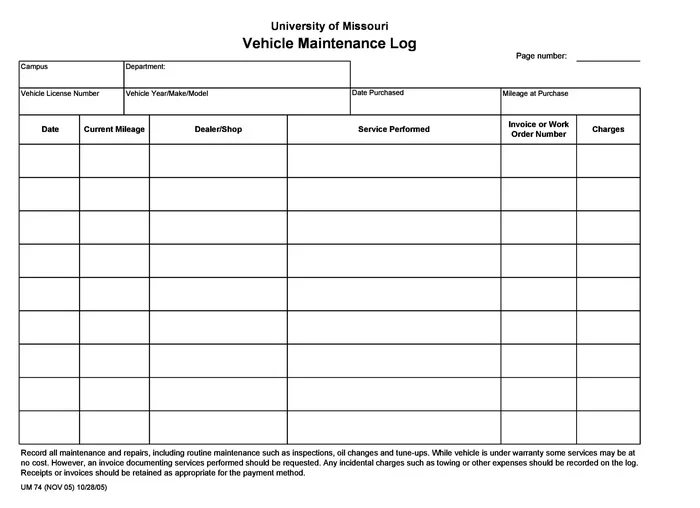
There is no rule saying you must rely only on past records. Start your own car maintenance tracker today. Use a simple notebook, a spreadsheet, or a mobile app. Record every oil change, tire rotation, brake inspection, and major repair. This creates a reliable vehicle maintenance record going forward.
Have a Pre-Purchase Inspection Done
If you are buying a used car without records, invest in a pre-purchase inspection. A trusted mechanic can assess the vehicle’s current condition and estimate future needs. This costs a small fee but provides enormous value compared to buying blind.
Ask the Seller Directly
If buying from a private seller, ask them directly about their maintenance habits. Many owners keep track of their own routine car care even if they do not have formal records. They may remember major services or provide approximate timelines.
Tips for Keeping Your Own Car Maintenance Log
The best way to ensure you always have access to your car maintenance history is to maintain your own records. Here are simple tips to make this easy.
Use a Digital Tool or App
Several free apps help you track your vehicle’s maintenance. Apps like Car Maintenance Reminder, AUTOsist, and Drivvo let you log every service. They send you maintenance reminders so nothing gets missed.
Save Every Receipt
Whether it is a paper receipt or an email confirmation, save it. Snap a photo with your phone and store it in a dedicated folder. This creates a digital archive of your auto repair history that you can access anytime.
Set Calendar Reminders
Use your phone calendar to set reminders for upcoming services. Oil changes every 5,000 miles, tire rotations every 6 months, and annual inspections are great starting points. Consistent preventive maintenance keeps your car healthy and your records organized.
Share Records with Your Mechanic
When you visit a new mechanic, share your maintenance log with them. This helps them understand your vehicle’s history and make better recommendations. It also builds trust and improves the quality of service you receive.
Comparing Free vs. Paid Car History Services
You might wonder whether paid services are worth it compared to free options. Here is a quick comparison to help you decide.
| Feature | Free Options | Paid Services (e.g., Full Carfax) |
|---|---|---|
| Accident history | Limited | Comprehensive |
| Service records | Partial | Detailed |
| Title information | Yes | Yes |
| Odometer readings | Sometimes | Yes |
| Cost | $0 | $30-$50 per report |
| Best for | Basic checks and quick lookups | In-depth pre-purchase inspections |
For most people checking their own car maintenance history, free tools are more than enough. Paid services shine when you are making a major purchase and need a complete vehicle health report. But for everyday tracking and basic verification, the free route works perfectly.
Key Takeaways
- Check your VIN number using free online tools as the first step in your car maintenance history lookup
- Contact dealerships where the vehicle was serviced to request vehicle service records at no cost
- Use free car history websites like NICB, AutoCheck, and VINCheck for basic reports
- Explore your state DMV for inspection and registration records that hint at routine car care
- Ask your mechanic or repair shops for copies of your auto repair history
- Start your own car maintenance tracker so you never lose important service data again
- Combine multiple free sources to build a comprehensive picture of your car maintenance history
Conclusion
Checking your car maintenance history for free is absolutely within your reach. You have multiple paths to explore, from free VIN lookup tools to direct calls to your dealership. Each method offers a piece of the puzzle, and combining them gives you the most complete picture possible.
Do not let missing records hold you back. Whether you are buying, selling, or simply taking better care of your vehicle, knowing your car maintenance history empowers you. It helps you make confident decisions and avoid costly surprises.
Start today. Grab your VIN, try a few free tools, and reach out to your service providers. The process is simpler than you think, and the peace of mind is well worth the effort. Your vehicle service records tell the story of your car. Make sure you know that story inside and out.
FAQs
Can I check my car maintenance history by VIN for free?
Yes, you can. Several free online tools allow you to enter your VIN and receive basic vehicle history information. While these free VIN check services may not include every oil change or tire rotation, they do provide accident history, title status, and recall information. For a more complete picture, combine multiple free sources and contact your dealerships directly.
How do I find my car’s service records if I bought it used?
Start by contacting the dealership where the car was originally serviced. Provide them with the VIN and proof of ownership. You can also try free online history tools and check your state’s DMV for inspection records. If the car had multiple owners, each dealership or repair shop may hold partial records that together paint a fuller picture of the auto repair history.
Are free car history reports accurate?
Free reports are generally accurate for the data they include. However, they may not capture every service event. Carfax and similar paid services tend to have more comprehensive databases. For the most accurate service history report, combine free online tools with direct outreach to dealerships and repair shops. No single source is perfect, but together they cover a lot of ground.
What if no maintenance records exist for a car?
No records does not necessarily mean the car was poorly maintained. Some owners handle all maintenance themselves and keep paper receipts only. In this case, have a trusted mechanic perform a thorough inspection. They can assess the vehicle’s condition and estimate what services may be due. Starting a car maintenance tracker from this point forward ensures you never lose records again.
How often should I check my car maintenance history?
You should check your car maintenance history whenever you buy or sell a vehicle. It is also wise to review your records annually to ensure you are staying on track with routine car care and preventive maintenance. Regular reviews help you catch issues early and keep your vehicle running at its best.
Is it better to keep my car maintenance records digitally or on paper?
Digital records are easier to store, search, and share. Take photos of paper receipts and save them in a cloud folder. You can also use free apps designed for car maintenance tracking. However, keeping a few paper receipts in your glove box as backup never hurts. The best approach is a combination of both digital and physical records for maximum reliability.