How Do I Know If Brake Pads Need Replacing Immediately
Knowing when your brake pads need replacing can save your life. You can spot the warning signs early by listening for squealing or grinding noises and feeling for vibrations in the brake pedal. This guide covers every simple method to check your brake pads at home and tells you exactly when to visit a mechanic.
Your car’s braking system is one of the most important safety features you have. Every time you press the pedal, brake pads clamp down on the rotors to slow you down. Over time, those pads wear thin. The real question is: do you know when they are too thin?
Knowing how do I know if brake pads need replacing is a skill every driver should have. You do not need to be a mechanic. You just need to pay attention to a few clear signals your car sends you. Ignoring these signs can lead to brake failure, expensive repairs, or even a serious accident.
In this guide, we walk you through every warning sign, every sound, and every feeling that tells you your pads are done. We also share simple DIY checks you can do right now in your driveway. Let us get into it.
Key Takeaways
- Listen for squealing or grinding sounds: These are the most obvious signs that your brake pads are worn down and need immediate attention.
- Check brake pad thickness yourself: A simple visual inspection through the wheel spokes can tell you a lot about pad life.
- Don’t ignore the brake warning light: Your vehicle’s dashboard can alert you to low brake pad material before it becomes a serious problem.
- Feel for vibration or pulling: A vibrating brake pedal or the car pulling to one side often signals uneven pad wear or other braking system issues.
- Replace pads before they damage rotors: Waiting too long can lead to costly rotor replacement on top of the brake pad replacement cost.
- Regular brake inspections matter: Scheduling routine vehicle maintenance helps you catch worn brake pads early and avoid dangerous situations.
📑 Table of Contents
- What Are Brake Pads and Why Do They Wear Out?
- Warning Signs That Your Brake Pads Need Replacing
- How to Check Your Brake Pads at Home
- When to See a Mechanic Instead of DIY
- How to Make Your Brake Pads Last Longer
- Common Mistakes People Make With Brake Pads
- Expert Insights on Brake Pad Maintenance
- Key Takeaways
- Conclusion
What Are Brake Pads and Why Do They Wear Out?
The Role of Brake Pads in Your Vehicle
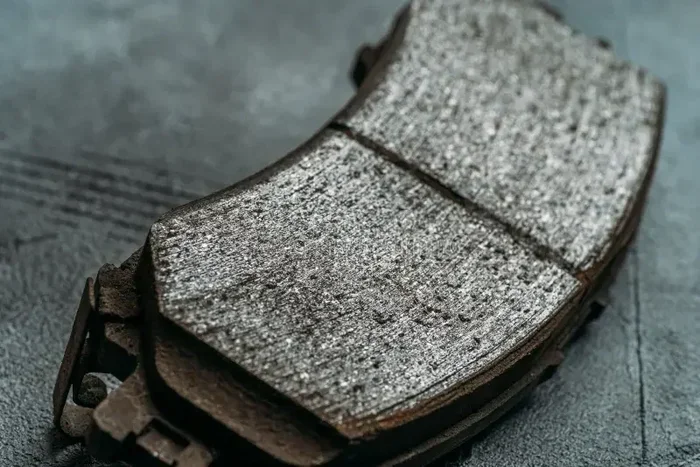
Brake pads are small blocks of tough material attached to the brake caliper. When you press the brake pedal, the caliper squeezes the pads against the brake rotor. This creates friction. That friction is what slows your car down and brings it to a stop.
Think of it like rubbing your hands together fast. The more pressure you apply, the more heat you feel. Your brakes work the same way, but with much more force. Over thousands of stops, the friction material on the pads slowly wears away.
How Long Do Brake Pads Typically Last?
Most brake pads last between 25,000 and 70,000 miles. But this range varies a lot. Your driving style plays a big role. If you drive in heavy city traffic with lots of stop-and-go, your pads wear faster. Highway driving is much gentler on the brakes.
Other factors include the type of pads you use, the weight of your vehicle, and how often you tow heavy loads. Ceramic pads tend to last longer than organic ones. Semi-metallic pads offer great performance but can wear down rotors faster. Knowing your brake pad life helps you plan replacements ahead of time.
Warning Signs That Your Brake Pads Need Replacing
Squealing or Squeaking Noises
The first sign most drivers notice is a high-pitched squeal when they hit the brakes. This sound comes from a small metal wear indicator built into the pad. When the friction material gets thin, this metal tab touches the rotor and makes a squealing noise.
Do not ignore this sound. It means your pads are getting low. If you hear a squealing noise every time you brake, it is time to inspect your pads soon. Some people mistake this sound for road noise or weather-related issues. But squealing brakes are almost always a pad warning.
Grinding or Growling Sounds
If you hear a harsh grinding or growling sound, this is a serious red flag. Grinding means the friction material is completely gone. The metal backing of the pad is now scraping directly against the metal rotor.
This causes deep grooves in the rotor and can damage the brake caliper as well. Grinding brakes feel rough and harsh. If you ever hear this sound, stop driving if possible and get your vehicle inspected right away. Repairing damage to the brake rotor costs much more than replacing pads.
Longer Stopping Distances
Have you noticed your car takes longer to stop than it used to? This is a subtle but dangerous sign of worn pads. When the friction material thins out, the pads cannot grip the rotor as effectively.
You might not notice this at low speeds. But at highway speeds, even a few extra feet of stopping distance can mean the difference between a safe stop and a collision. If your stopping distance feels longer, do not wait. Check your pads immediately.
Vibration in the Brake Pedal
A shaking or vibrating brake pedal often signals warped rotors, but it can also point to uneven pad wear. When pads wear down inconsistently, they do not make full contact with the rotor surface.
This causes a pulsing feeling through the pedal, especially during hard braking. If you feel this vibration, it is a clear sign something in your braking system needs attention. A mechanic can check both the pads and the rotors to find the root cause.
How to Check Your Brake Pads at Home
Visual Inspection Through the Wheel Spokes
You can check your brake pad thickness without removing any parts. Just look through the spokes of your wheel at the brake rotor. The pad sits on either side of the rotor. You should be able to see the outer pad pressing against the rotor.
Healthy pads have about a quarter-inch of friction material. If the pad looks thin — less than three millimeters — it is time for a replacement. If you can see the metal backing plate, your pads are dangerously worn and need immediate attention.
Using a Flashlight for a Better Look
A simple flashlight makes this inspection much easier. Shine it through the wheel opening and look at both the inner and outer pads. The inner pad is harder to see but just as important. Uneven wear between the inner and outer pads can indicate a stuck caliper or other brake system problems.
Make this a habit. Check your pads every time you get your oil changed. A quick glance can save you from a sudden brake failure on the road.
Measuring Pad Thickness with a Ruler
If you want a more precise measurement, use a ruler or a pair of calipers. Measure the friction material on the pad, not the metal backing. Most mechanics agree that pads below three millimeters need replacement soon. Below two millimeters, you should replace them immediately.
Keep track of your measurements over time. This helps you predict when your next replacement will be due. It also gives you a good baseline for understanding your personal brake pad wear rate.
Checking the Brake Pad Wear Indicator
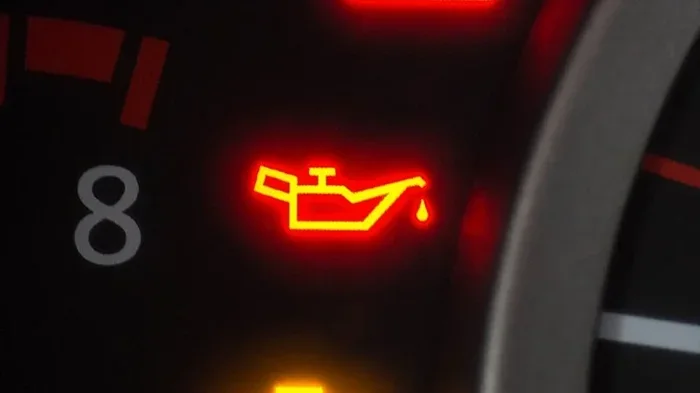
Many modern vehicles have electronic brake pad indicators. These are small sensors that sit in the pad material. When the pad wears down to a certain level, the sensor contacts the rotor and triggers a warning light on your dashboard.
If you see a brake warning light on your instrument panel, do not ignore it. This light could mean your pads are critically low. It could also indicate low brake fluid or other issues with the braking system. Either way, it needs professional attention quickly.
When to See a Mechanic Instead of DIY
Signs That Require Professional Diagnosis
Some brake problems are beyond a simple visual check. If you notice any of the following, it is time to visit a mechanic:
- The brake warning light stays on after you start the car
- You hear grinding even when you are not braking
- The brake pedal feels soft or sinks to the floor
- Your vehicle pulls sharply to one side when braking
- You smell burning near the wheels after driving
These symptoms can point to serious issues like a failing brake caliper, air in the brake lines, or contaminated brake fluid. A trained mechanic has the tools and expertise to diagnose these problems safely.
What a Brake Inspection Typically Includes
A professional brake inspection usually starts with a road test. The mechanic checks how the pedal feels and listens for unusual sounds. Then they lift the vehicle and remove the wheels to inspect the pads, rotors, calipers, and hardware directly.
They measure pad thickness with a tool and check rotor thickness with a micrometer. This tells them if the rotors need resurfacing or replacement. The mechanic also inspects the brake fluid level and condition. A full inspection gives you a complete picture of your braking system health.
Understanding Brake Pad Replacement Cost
The brake pad replacement cost varies depending on your vehicle and the type of pads you choose. On average, you can expect to pay between 100 and 300 dollars per axle for parts and labor. Ceramic pads cost more but last longer and produce less dust. Organic pads are cheaper but wear faster.
If you wait too long and damage the rotors, the cost goes up significantly. Resurfacing a rotor adds about 50 to 100 dollars per rotor. Replacing a rotor can cost 150 to 300 dollars each. This is why catching pad wear early saves you real money. The longer you delay, the more expensive the repair becomes.
How to Make Your Brake Pads Last Longer
Practice Smooth Braking Habits
Your driving style has a huge impact on pad life. Hard, aggressive braking wears pads down much faster than gentle, gradual stops. Try to anticipate traffic flow and ease off the accelerator early instead of slamming on the brakes at the last second.
This does not mean driving dangerously slowly. It means staying aware of what is ahead and giving yourself room to slow down naturally. Smooth braking is one of the best ways to extend your brake pad life.
Avoid Riding the Brake
Some drivers rest their foot on the brake pedal while driving. This is called riding the brake. Even light pressure creates constant contact between the pad and rotor. This generates heat and wears the pads faster.
Keep your foot off the brake pedal unless you are actually slowing down or stopping. This simple habit can add thousands of miles to your pad life. It also reduces heat buildup in the braking system, which helps prevent other problems like warped rotors.
Reduce Vehicle Weight
Heavier vehicles put more stress on the brakes. If you carry heavy loads or tow frequently, your pads wear out faster. Try to keep your vehicle as light as possible by removing unnecessary items from the trunk and cargo area.
Every extra pound means more force needed to stop. Over time, this adds up to faster pad wear. A lighter vehicle also handles better and uses less fuel, so it is a win-win situation.
Schedule Regular Brake Inspections
Routine vehicle maintenance is the best way to catch brake pad wear early. Most manufacturers recommend a brake inspection every 12,000 to 15,000 miles. During these inspections, a technician checks pad thickness, rotor condition, fluid levels, and overall brake system performance.
Staying on top of these inspections means you always know exactly where your pads stand. You can plan replacements ahead of time instead of scrambling when a warning sign appears. This keeps you safe and saves money in the long run.
Common Mistakes People Make With Brake Pads
Ignoring the Warning Signs
The biggest mistake drivers make is ignoring early warning signs. A little squeal today becomes a grinding noise tomorrow, and grinding means damage to the rotor. By the time you hear grinding, the repair bill is much higher than it would have been with an earlier pad replacement.
Do not tell yourself the noise will go away. It will not. Brake pads only get worse with time. Address the problem as soon as you notice it.
Replacing Only One Side
Some people try to save money by replacing only the worn pads on one axle. This is a bad idea. New pads on one side and old pads on the other create uneven braking. Your vehicle may pull to one side, and the stopping power becomes unpredictable.
Always replace pads in pairs — both sides of the same axle. This ensures balanced braking and keeps your vehicle stable during emergency stops.
Using the Wrong Type of Pad
Not all brake pads are the same. Using the wrong type for your driving conditions can cause problems. For example, cheap organic pads may wear out quickly if you drive in mountainous areas with steep hills. Low-quality pads can also produce more brake dust and noise.
Always choose pads that match your vehicle and your driving habits. If you are unsure, ask a trusted mechanic for a recommendation. The right pad material makes a big difference in performance and longevity.
Skpping Brake Fluid Checks
Brake fluid plays a critical role in your braking system. It transmits the force from your foot on the pedal to the calipers. Over time, brake fluid absorbs moisture, which reduces its effectiveness. This can lead to a spongy pedal or even brake failure in extreme cases.
Do not skip brake fluid checks during your regular maintenance. Flushing and replacing old brake fluid is inexpensive and can prevent major problems down the road.
Expert Insights on Brake Pad Maintenance
Professional mechanics agree that brake pad maintenance comes down to two things: awareness and prevention. Stay aware of the sounds, feelings, and visual signs your car gives you. And prevent major damage by addressing small issues before they grow into expensive repairs.
Many experienced technicians say the three-second rule works well. When you hear any unusual sound from your brakes, count to three and then get it checked. Most brake pad issues do not resolve on their own. Early action keeps you safe and your wallet happy.
Another expert tip is to trust your instincts. If something feels off with your brakes, do not wait for a warning sign to become obvious. Your gut feeling about your vehicle is often right. A quick inspection can confirm whether everything is fine or whether you need to take action.
Key Takeaways
- Listen for squealing or grinding sounds: These are the most obvious signs that your brake pads are worn down and need immediate attention.
- Check brake pad thickness yourself: A simple visual inspection through the wheel spokes can tell you a lot about pad life.
- Do not ignore the brake warning light: Your vehicle dashboard can alert you to low brake pad material before it becomes a serious problem.
- Feel for vibration or pulling: A vibrating brake pedal or the car pulling to one side often signals uneven pad wear or other braking system issues.
- Replace pads before they damage rotors: Waiting too long can lead to costly rotor replacement on top of the brake pad replacement cost.
- Regular brake inspections matter: Scheduling routine vehicle maintenance helps you catch worn brake pads early and avoid dangerous situations.
- Drive smoothly to extend pad life: Gentle braking habits and avoiding riding the brake can add thousands of miles to your pads.
Conclusion
Your brakes are the most important safety system in your vehicle. Taking care of them should always be a top priority. Now that you know how do I know if brake pads need replacing, you have the power to catch problems early and avoid dangerous situations on the road.
Pay attention to the sounds your brakes make. Feel for changes in pedal behavior. Perform simple visual checks whenever you can. And never hesitate to see a professional if something feels wrong. These small actions add up to a safer driving experience for you and everyone around you.
Remember, brake pads are a wear item. They will need replacing eventually. But with the right knowledge and a proactive approach, you can stay ahead of the wear. Keep your braking system in top shape, and your car will reward you with reliable, confident stops every single time you hit the road.
Stay alert. Stay safe. And never put off a brake check when something does not feel right. Your life depends on it.
Frequently Asked Questions
How do I know if my brake pads need replacing?
You can tell by listening for squealing or grinding noises, feeling for vibration in the brake pedal, checking the pad thickness through the wheel spokes, and watching for a brake warning light on your dashboard. These are the most reliable signs that your brake pads are worn and need replacing soon.
Can I drive with worn brake pads?
You should not drive with worn brake pads. Worn pads reduce your stopping power and can damage the brake rotors, leading to much more expensive repairs. If your pads are below three millimeters, plan for a replacement as soon as possible to keep yourself and others safe.
How much does it cost to replace brake pads?
The average brake pad replacement cost ranges from 100 to 300 dollars per axle for parts and labor. The final price depends on your vehicle type, the pad material you choose, and local labor rates. Replacing pads early saves money because it prevents damage to the more expensive brake rotors.
How often should brake pads be replaced?
Most brake pads last between 25,000 and 70,000 miles. Your personal driving habits, vehicle weight, and pad material all affect this range. Drivers in city traffic with lots of stopping usually need replacements more often than those who drive mostly on highways.
What happens if I ignore the grinding noise from my brakes?
Ignoring grinding brakes means the metal backing of the pad is scraping the rotor directly. This creates deep grooves in the rotor, damages the brake caliper, and significantly increases repair costs. In the worst case, it can lead to complete brake failure. Always address grinding sounds immediately.
Do I need to replace rotors when I replace brake pads?
Not always. If the rotors are still thick and smooth, you can replace just the pads. But if the rotors are warped, scored, or below the minimum thickness, they need resurfacing or replacement. A mechanic can check rotor condition during a brake inspection and advise you on the best course of action.