How to Fix an Overheating Engine While Idling Today
An engine that overheats while idling is a warning sign you should never ignore. This guide walks you through the most common causes, from low coolant to a failing water pump, and gives you step-by-step solutions you can try at home. You will learn how to diagnose the problem, apply temporary fixes, and know when to call a mechanic for help.
There is nothing scarier than seeing the temperature gauge climb while you sit at a red light or stuck in traffic. Your car is idling, doing seemingly nothing, and yet the engine is overheating. It is a frustrating and sometimes frightening experience for any driver.
Understanding how to fix an overheating engine while idling can save you time, money, and a lot of stress. Whether the issue is something simple like low coolant or something more serious like a failing water pump, this guide covers it all. You will find clear steps, practical tips, and honest advice to help you handle this common car problem with confidence.
Let us dive right in and figure out what is going on under the hood.
Key Takeaways
- Low coolant is the #1 culprit: Checking and topping off your coolant reservoir is often the fastest fix.
- A broken radiator fan can cause overheating at idle: The fan keeps air flowing when your car is not moving fast enough to do it naturally.
- A stuck thermostat blocks coolant flow: Replacing this small part is inexpensive and can solve the problem entirely.
- Watch your temperature gauge closely: Ignoring the warning light can lead to serious engine damage.
- Some fixes are DIY-friendly: You can swap out a thermostat or radiator cap in under 30 minutes with basic tools.
- Prevention is cheaper than repair: Regular maintenance of your cooling system saves you from expensive breakdowns.
📑 Table of Contents
- Why Does Your Engine Overheat While Idling?
- Quick Steps to Take Right Now
- How to Diagnose the Problem Yourself
- DIY Fixes You Can Do at Home
- When to Call a Professional Mechanic
- Preventing Future Overheating Problems
- Common Mistakes People Make When Dealing with Overheating
- Understanding Your Cooling System
- Cost Estimates for Common Repairs
- Key Takeaways
- Conclusion
Why Does Your Engine Overheat While Idling?
When you are driving down the highway, air flows naturally through the radiator and cools the engine. But when you are idling, there is no forward motion. That means the cooling system has to work much harder to keep things cool. If any part of that system is weak or broken, overheating at idle becomes very likely.
Several components work together to regulate your engine temperature. When one fails, the whole balance shifts. Here are the most common reasons your car might overheat at a standstill:
Low Coolant Level
This is the most common reason by far. Coolant, also called antifreeze, absorbs heat from the engine and carries it to the radiator. If the level is low, there is not enough fluid to do its job. Even a small leak can cause the coolant temperature to rise quickly, especially when the car is not moving.
Check your coolant reservoir under the hood. If the level is below the minimum line, that is your first clue. Always let the engine cool down before you open the cap.
Faulty Radiator Fan
The radiator fan pulls air through the radiator when your car is sitting still or moving slowly. If this fan is broken, the engine has no way to shed heat at idle. A cooling fan relay or a blown fuse could be behind this issue. Sometimes the fan motor itself just wears out over time.
Stuck Thermostat
Your thermostat opens and closes to control coolant flow. When it gets stuck closed, the coolant cannot reach the radiator. The engine heats up fast, and you get a rising temperature gauge. Replacing a thermostat is one of the easiest and cheapest engine repair jobs you can do.
Water Pump Failure
The water pump circulates coolant through the engine block and hoses. If it fails, coolant sits still and the engine overheats. A whining noise from the front of the engine or a coolant leak near the pump are telltale signs. This is a more serious fix but still manageable for most mechanics.
Head Gasket Issues
A blown head gasket is one of the more expensive problems. It lets combustion gases leak into the cooling system, which causes overheating. You might notice white smoke from the exhaust, a milky residue on the oil cap, or bubbles in the coolant reservoir. If you suspect this, get to a shop right away.
Clogged Radiator or Hose
Over time, rust and debris can build up inside the radiator or the radiator hose. This blocks coolant flow and reduces cooling efficiency. A flush of the cooling system can often clear this out before it becomes a bigger problem.
Quick Steps to Take Right Now
If your engine is overheating while you are idling, do not panic. Follow these steps to stay safe and avoid making things worse.
- Turn off the air conditioning. The AC puts extra load on the engine. Turning it off gives the engine a small break.
- Turn the heater to full blast. This sounds counterintuitive, but the heater core acts as a secondary radiator. It pulls heat away from the engine and into the cabin. It will be hot for you, but it can buy you time.
- Pull over safely and turn off the engine. Let the car sit for at least 15 to 20 minutes. Do not open the radiator cap while the engine is hot. You could be burned by pressurized steam.
- Check the coolant level once the engine is cool. Look at the reservoir and the radiator cap area. Top it off if needed with the correct type of coolant.
- Inspect for visible leaks. Look under the car for puddles. Check the hoses, radiator, and water pump for wet spots or drips.
These steps will help you stabilize the situation. They do not fix the root cause, but they keep you safe while you figure out the next move.
How to Diagnose the Problem Yourself
You do not need to be a mechanic to narrow down the cause. A few simple checks can point you in the right direction. Here is how to start diagnosing the issue at home.
Check the Temperature Gauge
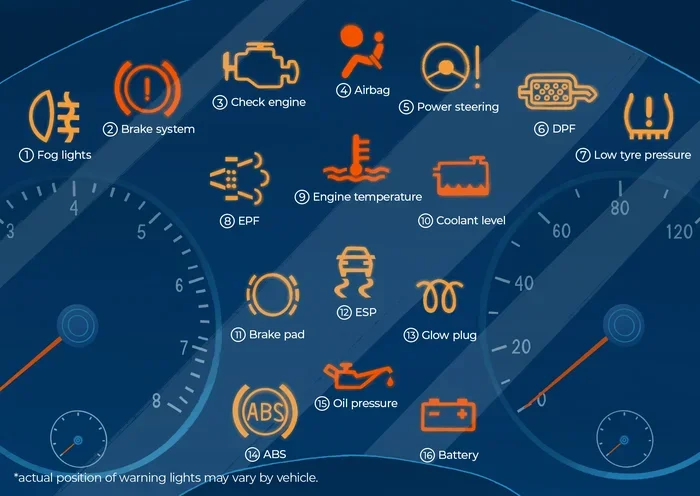
Your dashboard has a temperature warning light or a gauge that shows engine heat. If it climbs into the red zone while idling, pay attention. Does it go back to normal when you start driving? That pattern often points to a radiator fan issue. If it stays hot no matter what, the problem is likely more serious.
Inspect the Coolant Reservoir
Pop the hood and locate the coolant reservoir. The fluid should be between the minimum and maximum lines. If it is low, you have a leak somewhere. Top it off and watch the level over the next few days. If it drops again, you have a leak that needs attention.
Look for Visible Leaks
Crawl under the car with a flashlight. Look for wet spots, drips, or crusty residue around the hoses, radiator, and water pump. A green, orange, or pink puddle under the car usually means coolant is leaking.
Test the Radiator Fan
Start the engine and let it idle until the temperature rises. The radiator fan should kick on automatically. If you do not hear it or see it spinning, the fan motor, relay, or fuse could be bad. This is a common reason for overheating at idle specifically.
Listen for Unusual Noises
A whining or grinding sound from the front of the engine can mean a failing water pump. Gurgling noises from the dashboard might indicate air trapped in the cooling system. These sounds are helpful clues that point you toward the right fix.
DIY Fixes You Can Do at Home
Some overheating problems are easy to solve with basic tools and a little patience. Here are the most common DIY fixes that can get you back on the road.
Topping Off Coolant
If your coolant level is low, simply refilling it might solve the problem temporarily. Use the type of coolant recommended in your owner manual. Mix it with distilled water if it is not pre-mixed. Pour it slowly into the reservoir and never into a hot engine.
Replacing the Thermostat
A stuck thermostat is one of the most common causes of idle overheating. The part costs around 10 to 30 dollars, and the job takes about 30 minutes.
Here is a quick overview of the process:
- Let the engine cool completely.
- Drain some coolant from the drain plug.
- Locate the thermostat housing near the engine.
- Remove the old thermostat and clean the mating surface.
- Install the new thermostat with a fresh gasket.
- Refill the coolant and bleed any air from the system.
This simple fix solves the problem in a surprising number of cases. It is one of the best first steps when learning how to fix an overheating engine while idling.
Replacing the Radiator Cap
The radiator cap maintains pressure in the cooling system. A weak cap cannot hold proper pressure, which raises the boiling point of coolant and leads to overheating. A new cap costs just a few dollars and takes two minutes to swap out.
Flushing the Cooling System
If your radiator or hoses are clogged, a full flush can clear out the buildup. You can buy a cooling system flush kit at any auto parts store. Follow the instructions on the product, and be sure to refill with fresh coolant afterward.
When to Call a Professional Mechanic
Not every overheating problem is a DIY fix. Some issues require professional tools, expertise, or parts that are not worth the risk to tackle at home.
You should see a mechanic if:
- The temperature gauge stays in the red even after you top off coolant.
- You notice white smoke coming from the exhaust pipe.
- There is a milky or frothy substance on your oil dipstick.
- The water pump is leaking or making grinding noises.
- The head gasket is suspected to be blown.
- You have tried basic fixes and the problem keeps coming back.
Ignoring these signs can lead to a cracked engine block, warped cylinder heads, or complete engine failure. Those repairs cost thousands of dollars. A quick trip to the mechanic can save you from that nightmare.
Preventing Future Overheating Problems
The best way to deal with an overheating engine is to stop it from happening in the first place. Regular maintenance of your cooling system goes a long way.
Stick to a Coolant Flush Schedule
Old coolant loses its ability to absorb heat and resist corrosion. Most manufacturers recommend flushing the cooling system every 30,000 to 50,000 miles. Check your owner manual for the exact interval.
Inspect Hoses and Belts Regularly
Coolant hoses crack and swell over time. The serpentine belt that drives the water pump can stretch or fray. A quick visual inspection during every oil change can catch these problems early.
Keep an Eye on the Temperature Gauge
Make it a habit to glance at the temperature gauge while driving. If you notice it creeping up, pull over and check the coolant level. Catching small problems early prevents big breakdowns.
Use the Right Coolant
Not all coolants are the same. Using the wrong type can cause corrosion and reduce cooling efficiency. Always use the coolant specified in your vehicle manual, or ask your mechanic for a recommendation.
Address Small Leaks Immediately
A tiny drip today can become a major problem tomorrow. If you notice any coolant under your car, get it checked. Even a slow leak will eventually leave you with low coolant and an overheating engine.
Common Mistakes People Make When Dealing with Overheating
There are several mistakes drivers make that make overheating worse or delay the right fix. Avoid these to protect your engine.
- Opening the radiator cap on a hot engine. This is extremely dangerous. Pressurized hot coolant can spray out and cause severe burns. Always wait for the engine to cool.
- Adding plain water instead of coolant. Water works in a pinch, but it does not protect against corrosion or boiling. Use proper coolant whenever possible.
- Ignoring the problem and just driving. Continuing to drive an overheating engine can cause permanent damage. Pull over safely and turn off the engine.
- Topping off coolant without finding the leak. If you keep losing coolant, there is a leak somewhere. Just refilling it without fixing the leak is a temporary band-aid at best.
- Assuming the problem is always simple. Sometimes the root cause is not obvious. A professional diagnosis can save you from replacing the wrong parts.
Understanding Your Cooling System
To truly fix an overheating problem, it helps to understand how the cooling system works. Here is a quick breakdown of the main components.
- Coolant: Absorbs heat from the engine and carries it to the radiator.
- Water pump: Circulates coolant through the engine block and hoses.
- Thermostat: Regulates coolant flow by opening and closing based on temperature.
- Radiator: Releases heat from the coolant into the air.
- Radiator fan: Pulls air through the radiator when the car is idling or moving slowly.
- Hoses: Carry coolant between the engine, radiator, and heater core.
- Radiator cap: Maintains system pressure so the coolant can absorb more heat.
When all these parts work together, your engine stays at a safe operating temperature. When one part fails, the whole system suffers. Knowing this helps you understand why a thorough diagnosis matters.
Cost Estimates for Common Repairs
Wondering how much it might cost to fix the problem? Here is a rough guide to common overheating repairs. Prices vary by vehicle and location, but these give you a general idea.
| Repair | Estimated Cost | Difficulty |
|---|---|---|
| Topping off coolant | 0 – 20 | Very Easy |
| Thermostat replacement | 100 – 300 | Moderate |
| Radiator fan motor | 150 – 400 | Moderate |
| Water pump replacement | 300 – 700 | Difficult |
| Head gasket repair | 1,000 – 2,500 | Very Difficult |
| Radiator flush | 50 – 150 | Easy |
As you can see, fixing a small problem early costs much less than waiting for major damage. The lesson here is simple. Act fast when you notice overheating symptoms.
Key Takeaways
- Low coolant is the #1 culprit: Checking and topping off your coolant reservoir is often the fastest fix.
- A broken radiator fan can cause overheating at idle: The fan keeps air flowing when your car is not moving fast enough to do it naturally.
- A stuck thermostat blocks coolant flow: Replacing this small part is inexpensive and can solve the problem entirely.
- Watch your temperature gauge closely: Ignoring the warning light can lead to serious engine damage.
- Some fixes are DIY-friendly: You can swap out a thermostat or radiator cap in under 30 minutes with basic tools.
- Prevention is cheaper than repair: Regular maintenance of your cooling system saves you from expensive breakdowns.
- Know when to call a pro: Serious issues like a blown head gasket or water pump failure need professional attention.
Conclusion
Dealing with an overheating engine while idling is stressful, but it does not have to be overwhelming. Now you know the most common causes, from low coolant to a failing water pump, and you have the steps to diagnose and fix many of them yourself. The key is to act quickly and never ignore the warning signs.
Remember that how to fix an overheating engine while idling starts with understanding your cooling system. Check the coolant, test the radiator fan, and listen for unusual noises. These simple habits can prevent most overheating problems before they start.
Some fixes are quick and easy. Others need a professional touch. Either way, the most important thing is to stop driving an overheating engine. Your engine is the heart of your vehicle. Treat it well, and it will keep you on the road for years to come.
Take action today. Check your coolant level, inspect your hoses, and make sure your cooling system is in good shape. A few minutes of attention now can save you from a very expensive and inconvenient breakdown later.
Frequently Asked Questions
Can I keep driving if my engine overheats at idle?
No, you should not. Continuing to drive an overheating engine can cause serious damage like a cracked head gasket or warped engine block. Pull over safely, turn off the engine, and let it cool down before checking the coolant level or calling for help.
How much does it cost to fix an overheating engine?
The cost depends on the cause. Topping off coolant costs almost nothing. Replacing a thermostat runs 100 to 300 dollars. A water pump replacement can be 300 to 700 dollars. A blown head gasket repair can reach 1,000 to 2,500 dollars. Always get a quote before committing to major repairs.
Why does my car overheat in traffic but not on the highway?
On the highway, fast-moving air flows through the radiator and cools the engine naturally. At idle or low speeds, the radiator fan must do that work instead. If the fan is faulty, the engine overheats in traffic but stays cool at higher speeds.
What coolant should I use for my car?
Check your owner manual for the recommended type. Common options include ethylene glycol-based coolants and OAT (organic acid technology) coolants. Using the wrong type can cause corrosion and reduce cooling efficiency. When in doubt, ask your mechanic.
How often should I flush my cooling system?
Most manufacturers recommend flushing the cooling system every 30,000 to 50,000 miles. However, check your vehicle manual for the exact interval. Old coolant loses its effectiveness and can lead to overheating problems over time.
Can a dirty radiator cause overheating at idle?
Yes, absolutely. Dirt, debris, and rust can clog the radiator and block airflow or coolant flow. A clogged radiator reduces cooling efficiency and often causes overheating at idle. A professional flush or cleaning can usually fix this problem.