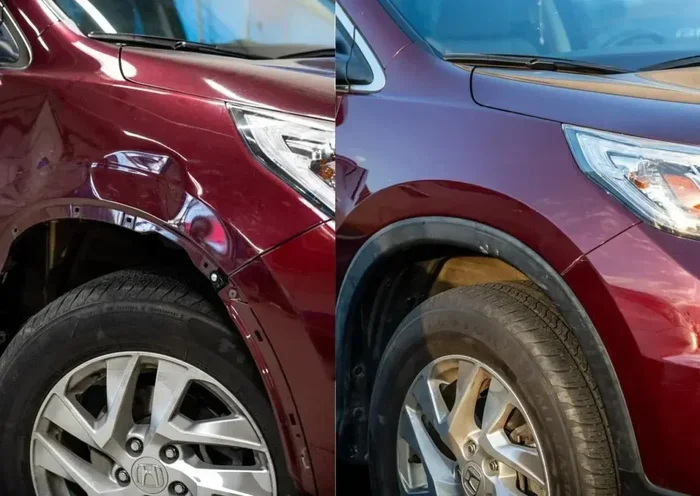
Repair or Replace a Fender Here Is What You Should Know
Repair or Replace a Fender is a choice that affects your wallet, safety, and vehicle value. This guide breaks down costs, damage signs, and step-by-step processes so you can pick the right path. You’ll learn exactly when a simple fix works and when a full replacement saves you from future trouble.
Every driver dreads the sound of metal against concrete. A fender bender or a rogue shopping cart can leave your car looking worse for wear. But before you panic, take a breath. The decision to fix or replace isn’t as complicated as it seems. You just need the right information.
A damaged fender isn’t only about looks. It can affect how your car handles, its resale value, and even your safety on the road. So, what should you do? This guide will walk you through every angle of Repair or Replace a Fender. You’ll learn how to spot the difference between a simple fix and a serious problem. By the end, you’ll know exactly what to ask your body shop and why.
We’ll cover costs, timelines, and the hidden risks of ignoring damage. Whether it’s a small dent or a deep crease, you’ll get clear advice. Let’s dive in.
Key Takeaways
- Minor dents and scratches often make repair the clear winner, saving hundreds of dollars.
- Structural damage or deep creases usually demand a full fender replacement to restore safety.
- Paintless dent repair is a fast, affordable option for small dings without paint damage.
- Aftermarket vs OEM parts can change the cost and quality of a replacement fender.
- Insurance claims may cover the full cost, but filing can raise your premiums.
- Rust or corrosion under a damaged fender is a red flag that replacement is the safer bet.
- Getting multiple quotes ensures you pay a fair price for any repair or replacement.
📑 Table of Contents
Understanding Fender Damage and Its Hidden Risks
Not all fender damage looks the same. A shallow scratch might only touch the clear coat. A deep dent can reach the metal and the frame. The first step is to assess what you’re really dealing with.
Common Types of Fender Damage
- Surface scratches – Only the paint is affected. No metal is exposed.
- Minor dents – The metal is pushed in but remains intact.
- Creased or buckled fenders – The metal is deformed and may have cracks.
- Rust or corrosion – Moisture has reached bare metal, causing oxidation.
- Structural damage – The fender mount or inner frame is bent or torn.
Surface scratches and minor dents often qualify for a quick fix. Creased metal, rust, or structural issues usually mean you need a full fender replacement. Ignoring rust can lead to bigger problems down the road. It can eat through the metal and weaken the entire panel.
Why Hidden Damage Matters
Sometimes the visible dent is just the tip of the iceberg. A collision damage assessment should include checking the inner fender liner, sensors, and wiring. A body shop can pull the fender and look for cracks you can’t see. This step is crucial for safety. A fender that looks fine on the outside might be compromised underneath.
Quick Tip: Always ask the technician to inspect the inner fender and the mounting points. A fender replacement cost can rise fast if hidden damage is discovered mid-job.
Repair or Replace a Fender: The Cost Comparison
Cost is the biggest factor for most car owners. But the cheapest option upfront isn’t always the best long-term choice. Let’s break down what you can expect.
Repair Costs: What to Expect
A simple dent removal or scratch repair can cost between $50 and $300. If you go for paintless dent repair, the price drops even more. This technique uses special tools to massage the dent out without touching the paint. It’s fast, usually taking one to two hours.
More involved repairs like filling and repainting a deep scratch run $200 to $800. The fender repair cost depends on the size of the area, the color match, and labor rates in your area. Auto body repair shops in big cities often charge more than rural ones.
Replacement Costs: What to Expect
A full fender replacement is a bigger investment. The part alone can range from $200 to $1,500. OEM (Original Equipment Manufacturer) parts cost more but match your car exactly. Aftermarket fender parts are cheaper but vary in quality. Labor for removal and installation adds $200 to $600. So total fender replacement cost can land between $400 and $2,100.
Repair vs Replace: A Quick Comparison
| Factor | Repair | Replace |
|---|---|---|
| Average Cost | $50 – $800 | $400 – $2,100 |
| Time Needed | 1–3 hours | 1–3 days |
| Best For | Minor dents, scratches, small dings | Deep creases, rust, structural damage |
| Resale Value Impact | Minimal if done well | Restores to like-new condition |
| Durability | Good for small fixes | Full structural integrity restored |
As you can see, repair or replace a fender comes down to the extent of the damage. A small dent doesn’t justify a full replacement. But a rusted-through fender won’t get better with a patch job.
Expert Insight: Always get a written estimate before any work begins. Ask if the fender repair cost includes a paint warranty. A reputable shop will stand behind their work for at least a year.
When to Choose a Fender Repair
Not every dent needs a new fender. Here are the situations where a repair makes perfect sense.
Small Dents and Hail Damage
Hail storms and parking lot dings are the most common reasons for a repair. If the metal is still smooth and the paint isn’t cracked, paintless dent repair is a great option. It preserves the original factory paint, which helps maintain your car’s value.
Minor Scratches and Scuffs
Surface scratches that don’t reach the bare metal can be buffed out or touched up. A scratch repair might cost just $50 to $150. It’s a quick fix that keeps rust from forming.
When the Damage Is Cosmetic Only
If the fender is still structurally sound, a repair is the smart move. You save money and time. The car looks good as new in a day or two. Auto body repair specialists are skilled at making small fixes almost invisible.
Common Mistake: Don’t ignore a small dent just because it doesn’t bother you. Moisture can seep through a tiny paint chip and start rust. That tiny repair can turn into a costly fender replacement if you wait too long.
Key Takeaway: If the damage is only skin-deep and the metal is intact, repair is almost always the way to go.
When a Fender Replacement Is the Better Choice
Sometimes a repair just won’t cut it. Knowing when to replace can save you from future headaches and safety risks.
Deep Creases and Buckled Metal
A deep crease means the metal has been stretched beyond its limit. Trying to pull it back often leaves weak spots. A fender replacement gives you a fresh, factory-shaped panel. This restores the original strength and aerodynamics.
Rust That Has Eaten Through
Rust is a silent killer. If you see bubbles under the paint or feel soft spots when you press the fender, the metal is compromised. A patch will only buy time. A full fender replacement removes the rusted section entirely and prevents it from spreading.
Structural or Mounting Damage
If the fender mount is bent or the inner structure is torn, a repair can’t fix it. The fender needs to be securely attached to the frame. A collision damage assessment will reveal this. A proper fender replacement ensures your wheels and suspension are aligned correctly.
Aftermarket vs OEM Parts
When you replace a fender, you have a choice between OEM and aftermarket parts. OEM parts are made by the original manufacturer. They fit perfectly and match the paint code. Aftermarket fender parts are made by third-party companies. They cost less but might need extra adjustment. A good body shop can advise which option fits your budget and needs.
Quick Tip: If you file an insurance claim, ask if they cover OEM parts. Some policies allow aftermarket unless you specifically request OEM. This can affect your fender replacement cost and the quality of the repair.
Key Takeaway: Choose replacement when the metal is bent, rusted, or the mounting points are damaged. A new fender brings back safety and looks.
The Fender Replacement Process: Step by Step
Knowing what happens during a fender replacement helps you set realistic expectations. The process is methodical and usually takes one to three days.
Step 1: Damage Assessment and Quoting
The technician inspects the fender inside and out. They check the mounting bolts, the inner liner, and any connected parts. They then provide a written estimate that includes parts, labor, and paint. This is the time to ask questions about the fender replacement cost and the warranty.
Step 2: Removing the Old Fender
The technician disconnects any sensors, lights, or trim attached to the fender. They unbolt the old panel and carefully pull it away. No damage should occur to the inner structure if the job is done right.
Step 3: Preparing the Mounting Area
The mounting points are cleaned and inspected. If there’s any rust or damage to the inner frame, it’s repaired before the new fender goes on. This step is crucial for a solid, lasting fit.
Step 4: Installing the New Fender
The new fender is positioned, drilled, and bolted in place. The technician ensures the gaps between panels are even. On OEM fender parts, the fit is usually perfect. Aftermarket parts might need slight bending or adjustment.
Step 5: Painting and Blending
The new fender is primed, painted, and clear-coated to match your car’s color. Modern paint matching technology makes the blend nearly invisible. The shop then cures the paint under heat lamps or a booth.
Step 6: Final Inspection and Quality Check
Before you pick up the car, the technician checks the alignment, the paint finish, and all attached components. They test the lights and sensors if they were disconnected. A final wash and detailing often complete the process.
Expert Insight: Ask if the shop offers a paint warranty. A reputable auto body repair shop will guarantee the color match for at least 12 months. This gives you peace of mind that the fender replacement will look great for years.
Key Takeaway: A professional fender replacement follows a strict process. Skipping any step can lead to poor fit, rust, or paint issues later.
Expert Tips, Common Mistakes, and Final Takeaways
Quick Tips to Save Money and Time
- Get at least three quotes from different body shops before committing.
- Ask about paintless dent repair for small dents—it’s often half the cost of traditional repair.
- Check your insurance policy before you pay out of pocket. Many policies cover fender repair cost without a deductible for comprehensive claims.
- Request OEM parts if your car is less than five years old. It preserves the factory look and value.
- Don’t delay repairs. Small issues grow into big expenses when moisture and dirt get in.
Common Mistakes to Avoid
- Choosing the cheapest option without checking reviews. A low price can mean low-quality paint or used parts with hidden flaws.
- Ignoring rust. A small spot can spread fast. Address it immediately or replace the fender.
- Skipping the inner fender inspection. Damage hidden behind the liner can cause safety issues later.
- Assuming insurance will cover everything. Some policies have limits or require a deductible. Know your coverage before you start.
- Using aftermarket parts without asking. If you want OEM, you must specify it in the estimate.
Expert Insights: What Mechanics Wish You Knew
Experienced technicians see the same mistakes over and over. One mechanic shared, “People often wait until a small dent turns into rust. By then, they need a full fender replacement instead of a simple dent removal.” Another added, “Always ask if the shop uses a frame machine. If the fender is attached to the unibody, misalignment can affect how the car drives and stops.”
Top body shops also recommend asking about the auto body repair warranty. A good shop will cover both parts and labor for at least a year. This protects you if the paint chips or the fender loosens over time.
Key Takeaway: A little research and a few questions can save you hundreds of dollars and months of worry. Choose a trusted shop, ask for OEM parts when possible, and don’t let small damage slide.
So, repair or replace a fender? The answer depends on the damage, your budget, and your safety priorities. A minor dent calls for a quick fix. A rusted or bent fender needs a full replacement. Either way, acting fast is the smartest move. Your car will thank you with years of reliable service and a strong resale value.
Frequently Asked Questions
How do I know if my fender can be repaired or must be replaced?
Look for deep creases, rust holes, or damage to the mounting points. If the metal is just dented but intact, repair works. If the structure is compromised, replacement is safer.
What is the average cost to repair a fender?
Simple repairs range from $50 to $800 depending on the size and whether paint is involved. Paintless dent repair is usually on the lower end.
Does insurance cover fender replacement?
It depends on your policy and the cause of damage. Collision coverage typically pays for accident-related fender replacement, minus your deductible. Comprehensive may cover weather damage like hail.
How long does a fender replacement take?
Most shops complete the job in one to three days. The paint curing process takes the most time, but many shops use fast-cure booths to speed things up.
Can I drive with a damaged fender?
Short distances are usually fine if the fender is only cosmetic. But if the fender is loose, rusted, or blocks a wheel, you should tow the car. Driving with structural damage can be unsafe.
Are aftermarket fender parts as good as OEM?
Aftermarket parts are often nearly as good and cost significantly less. OEM parts offer a perfect fit and factory match. A good body shop can advise which is best for your vehicle and budget.