Why Key Wont Turn in Car Ignition: Causes and Fixes
A key that won’t turn in the car ignition is one of the most frustrating problems drivers face. The issue usually stems from a steering wheel lock, a worn ignition cylinder, or a faulty key fob battery. This guide walks you through the most common causes and simple fixes you can try at home before calling a locksmith.
Key Takeaways
- Steering wheel lock is the #1 cause: A jammed steering column prevents the key from turning in the ignition.
- Worn or damaged keys are common: Over time, key teeth wear down and fail to align with the lock cylinder tumblers.
- Ignition cylinder wear causes sticking: The internal pins and springs inside the lock cylinder degrade with age and use.
- Key fob battery issues affect push-button ignitions: A dead battery in your key fob can prevent the car from recognizing the key.
- You can try several DIY fixes first: Jiggling the key, lubricating the cylinder, and wiggling the steering wheel often solves the problem.
- Professional help is needed for broken keys: If a key snaps inside the ignition, a locksmith or mechanic should handle the extraction.
- Prevention saves time and money: Regular maintenance and gentle key handling extend the life of your ignition system.
📑 Table of Contents
Why Key Wont Turn in Car Ignition: Causes and Fixes
You’re standing by your car, ready to head out. You insert the key, turn it, and nothing happens. The key simply won’t budge. This is a situation every driver dreads. The good news? Most causes are easy to fix. You don’t need to be a mechanic to solve this problem. Let’s walk through the reasons your key won’t turn in the car ignition and the best ways to fix each one.
The ignition system in your car is a simple but delicate mechanism. When you insert the key and turn it, a series of pins and springs inside the lock cylinder align. This alignment allows the cylinder to rotate and start the engine. When something goes wrong in this process, your key gets stuck. Understanding why this happens is the first step toward a quick fix.
Whether you drive a sedan, SUV, or truck, this problem can strike anyone. It happens in old cars and new ones alike. Sometimes the fix takes five seconds. Other times, it requires a bit more effort. Either way, staying calm and working through the possibilities one by one is the best approach. Let’s dive into the most common reasons your key won’t turn in car ignition and how you can solve each one.
Common Reasons Your Key Won’t Turn in Car Ignition
The steering wheel lock is the single most common reason a key gets stuck. When you turn off the engine and remove the key, the steering column locks up as a security feature. This is great for preventing theft. But sometimes, the lock engages in a way that puts pressure on the ignition cylinder. The result? Your key won’t turn.
Here are the most frequent culprits behind a stuck ignition key:
- Steering wheel lock jamming the ignition cylinder
- Worn or damaged key teeth
- A failing ignition switch or cylinder
- Debris or dirt inside the lock mechanism
- A dead key fob battery (for push-button start systems)
- A broken key stuck inside the ignition
- The gear selector not in the correct position
Each of these causes has a clear fix. Let’s go through them one by one so you can get back on the road.
The Steering Wheel Lock: The Usual Suspect
This is the number one reason people search for why their key won’t turn in car ignition. When you park your car and turn the steering wheel slightly, the lock mechanism engages. It’s designed to keep your wheels from turning when the car is off. But if the wheel is locked tightly against the cylinder, it puts pressure on the key. The key simply cannot rotate.
The fix is surprisingly simple. While gently trying to turn the key, wiggle the steering wheel left and right. You should feel it release from the locked position. Once the wheel moves freely, the key should turn without resistance. This works in almost every case. Try it before you try anything else.
Quick Tip: Always park with your wheels straight before turning off the engine. This reduces the chance of the steering lock engaging in a tight position.
Worn or Damaged Keys
Your car key is a piece of metal that takes a beating over the years. The teeth on the key wear down from repeated use. When the teeth become too smooth or misshapen, they no longer align properly with the pins inside the ignition lock cylinder. This misalignment stops the key from turning.
Old keys are especially prone to this problem. If you’ve had the same key for ten or fifteen years, the wear adds up. Keys that have been copied multiple times also tend to degrade faster. Each copy is slightly less precise than the original.
What can you do about it? First, check your key for visible wear. Run your finger along the teeth. If they look smooth or chipped, that’s likely the problem. The solution is to get a new key cut. Visit your local locksmith or car dealership. They can cut a fresh key from your vehicle’s code. This simple fix often solves the entire problem.
Quick Tip: Keep a spare key in a safe place. If your primary key wears out, a fresh spare can save you from a locksmith visit.
Ignition Cylinder and Switch Wear
The ignition cylinder is the part where you insert the key. Inside, there are tiny pins and springs that move when the key turns. Over time, these internal components wear out. The springs lose their tension. The pins become grooved from repeated use. When this happens, the cylinder doesn’t rotate smoothly. Your key feels stiff or won’t turn at all.
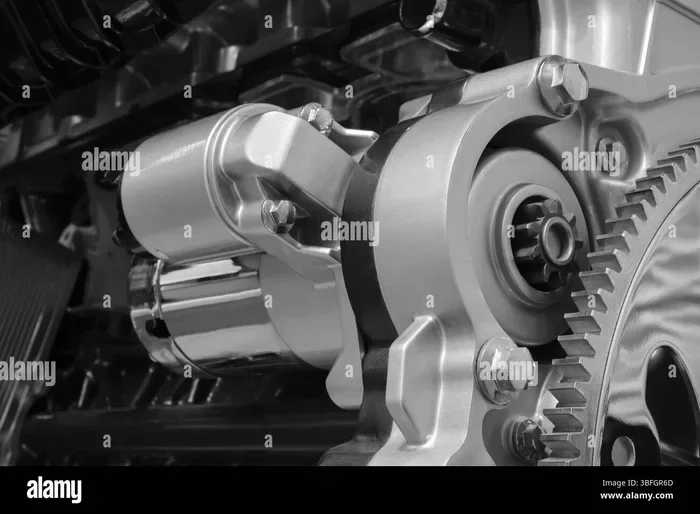
This is more common in older vehicles with high mileage. But it can also happen in newer cars if the ignition is used frequently. The ignition switch, which sits behind the cylinder, can also fail. The switch controls the electrical connection to the starter motor. When it goes bad, you might hear a clicking sound but the engine won’t crank.
Replacing an ignition cylinder or switch requires some mechanical skill. If you’re comfortable working with car parts, you can find replacement cylinders online. For most people, though, this is a job for a qualified mechanic. The cost is usually reasonable, especially compared to the hassle of a stuck key.
Expert Insight: Ignition cylinder replacement is one of the most common repairs mechanics handle. It’s a straightforward job that typically takes less than an hour.
Debris and Dirt Inside the Lock
Think about where your key goes every day. It passes through the lock cylinder thousands of times. Over time, dust, lint, and tiny particles build up inside. This debris creates friction and blocks the pins from moving freely. The key gets stuck or feels gritty when you try to turn it.
This problem is easy to prevent and fix. A simple blast of compressed air into the keyhole can clear out loose debris. For stubborn grime, a small amount of graphite lubricant works wonders. Spray a little into the lock cylinder and insert the key a few times to distribute it. Never use oil-based lubricants like WD-40 for this purpose. Oil attracts more dirt and can make the problem worse over time.
Quick Tip: Keep a can of compressed air in your glove box. A quick clean every few months can prevent lock problems before they start.
Key Fob Battery Issues (Push-Button Start)
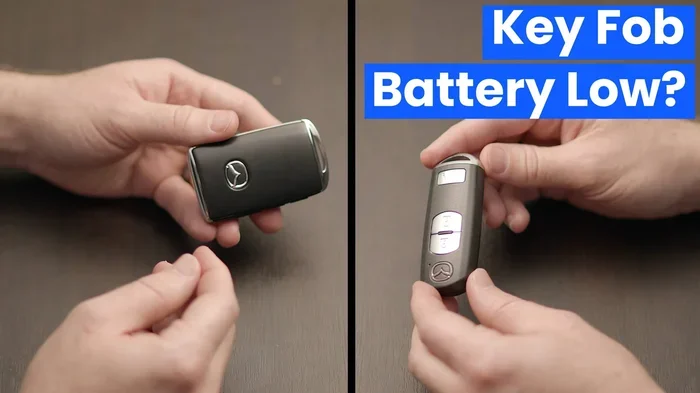
If you drive a newer car with a push-button start, the problem might not be a physical key at all. These systems use a key fob that communicates with the car electronically. When the fob’s battery dies, the car can’t detect it. The result is similar to a key that won’t turn. The engine won’t start.
Most key fobs use a small coin-cell battery. These batteries last one to two years depending on usage. When the battery gets low, the signal weakens. You might notice you need to hold the fob very close to the start button. Eventually, the fob stops working entirely.
The fix is easy. Replace the battery. Most key fobs have a small screw or clip on the back. Open the fob, swap out the old battery for a new one, and you’re good to go. You can find replacement batteries at any drugstore or auto parts shop for just a few dollars.
Quick Tip: Some cars have a backup start method. Check your owner’s manual. Many models let you place the fob directly against the start button to bypass the weak battery signal.
Broken Key Stuck in the Ignition
This is the worst-case scenario, and it happens more often than you’d think. A key can snap inside the ignition cylinder for several reasons. Old keys are brittle. Forcing a stuck key can cause it to break. Temperature changes can also make metal keys more fragile. When a key breaks, the piece inside the cylinder blocks the remaining key from turning.
Do not try to pull the broken piece out with tweezers or pliers. You could push it deeper or break off another piece. Instead, follow these steps:
- Stay calm and don’t force anything.
- Try to turn the remaining part of the key gently.
- If it doesn’t move, call a locksmith or tow truck.
- A professional has special tools to extract broken keys safely.
Most locksmiths carry key extraction tools and can handle this quickly. The cost is usually much lower than you’d expect. And if the cylinder is damaged, they can recommend a replacement.
Gear Selector Position
This one catches people off guard. Many cars won’t let you turn the ignition key unless the gear selector is in Park (automatic) or Neutral (manual). If the selector is slightly out of position, the ignition lock stays engaged. The key won’t turn no matter how hard you try.
Next time your key is stuck, check the gear selector first. Shift it into Park and try again. You might need to press the brake pedal firmly while doing this. On manual transmission cars, try shifting into Neutral and pressing the clutch pedal. This simple check solves the problem more often than people realize.
Quick Tip: Make it a habit to always shift into Park before turning off the engine. This prevents the gear selector from being in an awkward position when you start the car next.
How to Prevent Key Ignition Problems
Prevention is always better than repair. A few simple habits can keep your ignition lock cylinder working smoothly for years. Here’s what you can do:
- Don’t force the key. If it won’t turn, stop and reassess. Forcing it can bend or break the key.
- Keep your key clean. Wipe it down occasionally to remove grime and pocket lint.
- Replace worn keys early. Don’t wait until a key is completely smooth to get a new one.
- Use the right key. Always use the key that came with your car. Duplicate keys from cheap copies wear faster.
- Lubricate the lock cylinder periodically. A little graphite powder keeps things running smoothly.
- Replace key fob batteries on schedule. Don’t wait until the fob stops working entirely.
- Park with wheels straight. This reduces stress on the steering lock mechanism.
These small habits add up. They can save you from the frustration of a stuck key and the cost of emergency repairs.
When to Call a Professional
Most ignition problems have simple fixes you can do yourself. But some situations call for a professional. You should call a locksmith or mechanic if:
- The key is broken inside the ignition cylinder.
- The ignition cylinder feels physically damaged or loose.
- You’ve tried all the DIY fixes and the key still won’t turn.
- Your car has an anti-theft system that’s interfering with the key.
- The steering column shows signs of damage or corrosion.
- You’re not comfortable working with the ignition mechanism yourself.
Ignition systems are important for your safety. If something feels wrong beyond a simple stuck key, it’s worth getting a professional opinion. A qualified locksmith can diagnose the problem quickly and offer the right repair or replacement. Trying to force a fix when you’re unsure can lead to more damage and higher costs.
Comparison: DIY Fixes vs. Professional Repair
Here’s a quick look at when to handle the problem yourself and when to call in the experts:
| Issue | DIY Fix? | Professional Help? | Typical Cost (DIY vs Pro) |
|---|---|---|---|
| Steering wheel lock | Yes | Rarely needed | Free |
| Worn key | No | Yes (key cutting) | $5-$20 for new key |
| Debris in lock | Yes | Rarely needed | Free to $5 for lubricant |
| Dead key fob battery | Yes | No | $2-$5 for battery |
| Ignition cylinder wear | No | Yes | $100-$300 for replacement |
| Broken key in ignition | No | Yes | $50-$150 for extraction |
| Gear selector issue | Yes | Rarely needed | Free |
As you can see, most common problems have a simple and affordable solution. The key is to stay calm, work through the possibilities, and know when to ask for help.
Understanding Your Ignition Lock System
To really understand why your key won’t turn in car ignition, it helps to know how the system works. The ignition lock is a mechanical and electrical system. It has several components that work together:
- The lock cylinder: This is where you insert the key. Inside, tumbler pins align when the correct key is inserted.
- The ignition switch: This controls the electrical power to the starter motor and engine systems.
- The steering lock: A security feature that locks the steering wheel when the key is removed.
- The gear interlock: Prevents the key from turning unless the car is in Park or Neutral.
When any one of these parts fails or gets stuck, the whole system stops working. That’s why a stuck key can have so many possible causes. Each component is a potential point of failure.
Modern cars add another layer of complexity with transponder keys and immobilizer systems. These electronic security features communicate between the key and the car’s computer. If the transponder chip fails or the immobilizer malfunctions, the car won’t start even if the key turns. This is a less common but important cause to keep in mind.
Understanding your system also helps you communicate better with a mechanic or locksmith. When you can describe the problem accurately, you’re more likely to get a fast and correct diagnosis. You’ll save time and money in the long run.
Key Takeaways
- Steering wheel lock is the most common cause: Wiggle the wheel while turning the key to release it.
- Worn keys need replacement: Don’t wait until the key is completely smooth to get a new one.
- Keep the ignition cylinder clean: Use graphite lubricant, not oil-based products.
- Replace key fob batteries regularly: This prevents electronic starting issues in push-button start cars.
- Never force a stuck key: Forcing it can lead to a broken key, which is a much bigger problem.
- Check the gear selector first: Make sure it’s in Park or Neutral before trying other fixes.
- Know when to call a pro: Broken keys, damaged cylinders, and electrical issues need professional attention.
Final Thoughts
A key that won’t turn in car ignition is a stressful problem, but it’s almost always solvable. The most common causes are steering wheel locks, worn keys, and dirty lock cylinders. Most of these fixes are quick, cheap, and something you can do yourself. Before you panic or call for expensive help, try the simple solutions first. Wiggle the steering wheel. Check the gear selector. Inspect your key for wear. Spray a little graphite into the lock.
If those steps don’t work, the problem might be deeper. A worn ignition cylinder, a broken key, or an electrical issue could be to blame. In those cases, a professional locksmith or mechanic can help. They have the tools and expertise to fix the problem safely and correctly.
The best approach is prevention. Take care of your keys. Keep them clean. Replace them before they wear out completely. Use the right lubricant in your lock cylinder. And always park with your wheels straight. These small habits go a long way toward keeping your ignition working smoothly.
Remember, a stuck key is almost never a sign of a serious car problem. It’s usually a simple mechanical issue with a straightforward fix. Stay patient, work through the steps, and you’ll be on your way in no time.
Frequently Asked Questions
Can I use WD-40 to lubricate my ignition lock cylinder?
It’s best to avoid WD-40 for ignition locks. WD-40 is an oil-based lubricant that attracts dust and dirt over time. This buildup can make the problem worse. Use a dry graphite lubricant instead. Graphite doesn’t attract debris and keeps the lock mechanism running smoothly for longer.
How much does it cost to replace an ignition cylinder?
The cost typically ranges from $100 to $300 for parts and labor. The exact price depends on your car’s make and model. Luxury vehicles and newer models may cost more due to complex anti-theft systems. A local locksmith often charges less than a dealership for this repair.
Why does my key keep getting stuck in the ignition?
Repeated sticking usually points to a worn ignition cylinder or a damaged key. Over time, internal pins in the cylinder lose their shape and fail to align properly. A worn key also struggles to engage the tumblers correctly. Replacing the key or the cylinder usually solves this recurring problem.
Is it safe to drive with a key that’s hard to turn?
It’s not recommended. A key that’s hard to turn may indicate a failing ignition cylinder. If the cylinder fails completely while driving, you could lose the ability to turn off the engine or remove the key. Get the issue checked by a professional as soon as possible.
How do I know if my key fob battery is causing the problem?
For push-button start cars, a weak key fob battery often causes starting issues. If the dashboard shows a key fob warning or the car doesn’t recognize the fob, the battery is likely the cause. Try holding the fob directly against the start button as a test. If the car starts, replace the fob battery.
What should I do if my key breaks off in the ignition?
Do not attempt to pull the broken piece out yourself. You risk pushing it deeper or damaging the cylinder. Instead, contact a locksmith or tow service. They have specialized extraction tools that can remove the broken piece safely. Most locksmiths can handle this in under 30 minutes.