Who Makes Car Keys And How To Find The Perfect Match
Understanding who makes car keys is essential when you need a replacement, upgrade, or new key fob. From major manufacturers like Toyota and Ford to specialized locksmiths and aftermarket brands, the car key industry offers more options than most people realize. This guide walks you through every key type, brand, and step to find the perfect match for your vehicle.
Have you ever stood in front of your car, staring at a broken or lost key, wondering exactly who makes car keys? It is a question more people ask than you might think. Whether your key snapped in the ignition, your key fob stopped working, or you simply need a spare, finding the right replacement can feel overwhelming.
The truth is, car keys come from many different places. Big automakers build them. Specialty companies manufacture transponder keys and smart keys. Independent locksmiths cut and program them every single day. And aftermarket brands offer budget-friendly alternatives that work surprisingly well. This guide breaks down all of it so you can find the perfect car key match without the stress.
We will walk you through the types of keys, the major manufacturers, how to choose the right one, and what to expect on cost. By the end, you will feel confident walking into any locksmith shop or auto parts store. Let us get started.
Key Takeaways
- Multiple manufacturers make car keys: OEM brands, aftermarket companies, and automotive locksmiths all produce vehicle keys.
- Key type matters: Transponder keys, smart keys, and remote fobs each require different matching processes.
- OEM vs aftermarket: Both have pros and cons depending on your budget and key features needed.
- Programming is critical: A properly cut and programmed key ensures your car starts and security systems work.
- Cost varies widely: Smart keys cost more than basic ignition keys, but savings are possible with smart shopping.
- Professional help helps: An automotive locksmith often provides the fastest and most reliable key matching service.
📑 Table of Contents
- Understanding The Different Types Of Car Keys
- Who Actually Makes Car Keys
- How To Find The Perfect Car Key Match
- Car Key Replacement And Programming Made Simple
- Cost Considerations And Budget-Friendly Key Options
- Common Car Key Problems And How To Solve Them
- Key Maintenance Tips To Extend Key Life
- Expert Insights On Choosing The Right Car Key
- Key Takeaways
- Conclusion
Understanding The Different Types Of Car Keys
Before you can find the right key, you need to know what kind of key your car uses. Not all car keys are the same. The type of key your vehicle needs depends on its make, model, and year. Here is a simple breakdown of the most common car key types you will encounter.
Traditional Metal Ignition Keys
These are the old-school keys with a simple metal blade. You insert them into a lock or ignition cylinder and turn. Many older vehicles still use this style. They are easy to duplicate at any key-cutting shop. A traditional key has no electronic chip, so there is no programming involved. This makes them the cheapest and fastest to replace.
Transponder Keys
A transponder key has a small electronic chip embedded in the plastic head. When you turn the ignition, the chip sends a signal to the car’s computer. If the signal matches, the engine starts. These keys became common in the 1990s and are now standard on most vehicles. Cutting a transponder key is not enough — it also needs proper key programming to work.
Smart Keys And Keyless Entry Remotes
Modern cars often use smart keys or push-button start systems. You do not even need to insert the key. The car detects the key fob when it is nearby. These key fobs control locking, unlocking, trunk release, and sometimes alarm functions. Replacing a smart key can be expensive because of the advanced technology inside.
Remote Key Fobs
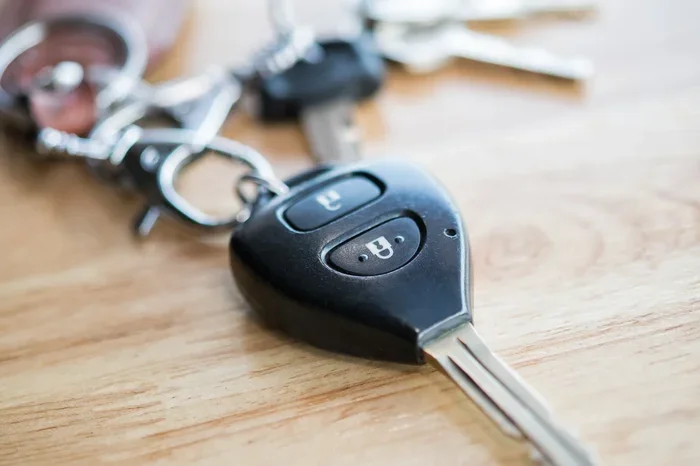
A remote key fob lets you lock and unlock your car from a distance. Most people call this the little button device you click to hear your car beep. These fobs contain a battery, a transmitter, and sometimes a backup physical key hidden inside. When the battery dies or the fob breaks, you need a key fob replacement.
Valet Keys
Some vehicles come with a separate valet key. It looks like a regular key but has limited access. It usually only starts the ignition and opens the driver door. Valet keys let you hand over your car to a parking attendant without giving full access to the glove box or trunk.
Who Actually Makes Car Keys
Now that you know the key types, let us answer the big question: who makes car keys? The answer might surprise you. More companies are involved in car key production than most people realize.
OEM Key Manufacturers
OEM stands for Original Equipment Manufacturer. These are the companies that make keys directly for the car brand. For example, Toyota works with specific suppliers to produce Toyota car keys. Ford has its own key suppliers too. OEM keys carry the automaker’s branding and meet exact factory specifications. They are the most reliable match for your vehicle.
Major automakers like Honda, Chevrolet, BMW, Mercedes-Benz, and Nissan all have dedicated supply chains for OEM key production. When you buy an OEM key, you get the exact same quality as the key that came with your car. The downside is the price. OEM keys tend to cost more than other options.
Aftermarket Key Makers
Aftermarket car keys are made by third-party companies that are not affiliated with the automaker. Brands like Ilco, Kwikset, and Schlage produce a wide range of replacement keys for various vehicles. Aftermarket keys cost less and are widely available. Many aftermarket transponder keys work just as well as OEM versions.
The quality of aftermarket keys has improved a lot over the years. Some aftermarket smart keys and remote fobs offer features that rival the originals. However, you should always check compatibility before buying. Not every aftermarket key works with every vehicle model.
Automotive Locksmiths
Automotive locksmiths are professionals who specialize in keys, locks, and vehicle security. Many locksmiths cut and program keys on-site. They carry blank keys for hundreds of car models and have the equipment to program transponder chips and smart key fobs. A locksmith can often save you time and money compared to a dealership.
Locksmiths also handle emergency situations. If you lock your keys inside the car or break a key in the ignition, a locksmith can help. Many offer 24-hour mobile locksmith services that come to your location. This makes them a convenient choice for car key replacement in urgent situations.
Online Key Retailers
You can also buy car keys online from retailers like Amazon, eBay, and specialty key shops. Online key retailers often sell both OEM and aftermarket options at competitive prices. The advantage is convenience — you can order from home. The challenge is making sure you get the right key for your specific vehicle.
Always double-check the key blank number, the key code, and your vehicle identification number before ordering online. A wrong purchase means wasted time and money.
How To Find The Perfect Car Key Match
Finding the right car key match is all about knowing your vehicle and your needs. Follow these steps to make sure you get the correct key the first time.
Step One: Identify Your Key Type
Look at your current key. Does it have a chip? Does it have buttons? Is it a smart key? Take note of every detail. If you no longer have your original key, check your owner’s manual or look up your vehicle online. Knowing your key type narrows down your search significantly.
Step Two: Find Your Key Code
Every vehicle has a key code — a unique number that identifies the exact key cut. You can usually find this code on your original key card or in your owner’s manual. Some dealerships keep the code on file too. The key code makes ordering the right replacement much easier.
Step Three: Check Your Vehicle Identification Number
Your vehicle identification number (VIN) is a 17-character code found on your dashboard, driver’s door, or registration papers. The VIN tells locksmiths and retailers exactly which key your car needs. Always have your VIN ready when shopping for a replacement car key.
Step Four: Compare OEM vs Aftermarket
Decide whether you want an OEM key or an aftermarket key. OEM keys offer perfect compatibility and factory quality. Aftermarket keys save money and are often just as reliable. Your budget and how important original branding is to you will guide this decision.
Step Five: Choose A Reputable Supplier
Whether you buy from a dealership, locksmith, or online retailer, choose a trusted source. Read reviews, check return policies, and confirm compatibility. A good supplier will answer your questions and stand behind their car key products.
Quick Tips For Key Matching Success
- Always keep a spare key in a safe place at home.
- Write down your key code and store it separately from your keys.
- Photograph your key so you have a reference if it is ever lost.
- Ask for warranty on any key replacement you purchase.
- Test the key immediately after receiving it to confirm it works.
Car Key Replacement And Programming Made Simple
Once you have the right blank key, the next step is key programming. This is the process of syncing the key’s chip or fob with your car’s computer system. Without proper programming, a new key will not start your engine.
How Key Programming Works
Modern vehicles use encrypted signals between the key and the car’s immobilizer system. When you insert a new transponder key or bring a smart key near the car, the system checks for a valid code. Key programming teaches the car to recognize that new code. This process requires specialized equipment and technical knowledge.
Where To Get Keys Programmed
You have several options for key programming. Dealerships can do it, but they often charge higher fees. Independent automotive locksmiths usually offer programming services at lower prices. Some auto parts stores also provide key cutting and programming on-site. Online retailers typically sell pre-programmed keys, but compatibility varies.
DIY Key Programming
Some vehicle models allow basic DIY key programming using a sequence of steps with your existing working key. Check your owner’s manual for instructions. However, complex smart key programming usually requires professional equipment. Attempting advanced programming without the right tools can cause issues with your car’s security system.
Cost Considerations And Budget-Friendly Key Options
Car key cost varies a lot depending on the key type, brand, and where you buy it. Understanding the price factors helps you make smart decisions and avoid overpaying.
What Drives Car Key Prices
The main factors that affect car key replacement cost include key type, technology level, brand, and where you purchase it. A basic metal key costs very little. A smart key with remote functions and a transponder chip costs significantly more. OEM keys from dealerships typically carry the highest price tag.
Programming fees add to the total cost as well. Some suppliers include programming in the price, while others charge separately. Always ask for a full breakdown before committing to a purchase.
Budget-Friendly Alternatives
Aftermarket keys are the best way to save money on car key replacement. Many aftermarket transponder keys and key fobs work perfectly and cost a fraction of OEM prices. Automotive locksmiths often offer competitive rates for both key cutting and programming.
Buying online from reputable retailers can also reduce costs. Just be sure to verify compatibility with your vehicle identification number before placing an order. A slightly cheaper key that does not work is not a savings at all.
Is It Worth Paying More For OEM?
OEM keys offer peace of mind because they are built to exact factory standards. They come with warranties and guaranteed compatibility. If you have a newer luxury vehicle or a model with advanced keyless entry features, an OEM key may be worth the extra cost. For older or simpler vehicles, an aftermarket key often works just as well at a lower price.
Common Car Key Problems And How To Solve Them
Car keys are not immune to problems. Knowing the most common issues helps you troubleshoot and avoid frustration.
Key Fob Battery Dies
The most common key fob problem is a dead battery. When your remote stops working, try replacing the battery first. Most key fobs use a small coin-cell battery that is easy to swap. Check your owner’s manual for the correct battery type.
Key Gets Stuck In Ignition
A key stuck in the ignition can happen for several reasons. The steering wheel lock is a common culprit. Gently wiggle the steering wheel while turning the key. If the key is actually broken inside, do not try to pull it out forcefully. Visit a locksmith who can safely extract the broken piece and cut you a new ignition key.
Transponder Chip Malfunction
Sometimes the chip inside a transponder key stops communicating with the car. This does not always mean the key is broken. The car’s immobilizer system may need reprogramming. An automotive locksmith can diagnose and fix this issue quickly.
Water Damage To Key Fob
Dropping your key fob in water or exposing it to heavy rain can cause damage. Remove the battery immediately if the fob gets wet. Let it dry completely before reassembling. If it still does not work, you may need a key fob replacement.
Key Maintenance Tips To Extend Key Life
Taking care of your keys helps them last longer and prevents unexpected problems. Follow these simple maintenance habits for reliable key performance.
- Replace the key fob battery every one to two years, even if it still works.
- Keep keys away from extreme heat and direct sunlight, which can damage electronics.
- Avoid dropping keys on hard surfaces, especially smart keys with sensitive internal components.
- Clean key contacts gently with a dry cloth if you notice intermittent issues.
- Store spare keys in a safe, dry location away from your primary set.
Expert Insights On Choosing The Right Car Key
Automotive locksmiths and key specialists agree that the best approach is to know your vehicle details before shopping. Always have your VIN and key code ready. Compare options from multiple suppliers to get the best balance of price and quality.
Do not assume the dealership is your only option. Many locksmiths offer the same OEM-quality keys at lower prices. The key is to work with a knowledgeable professional who understands your specific vehicle and key type.
When in doubt, ask questions. A reputable supplier will explain the differences between OEM keys, aftermarket keys, and programming options clearly. Trust your instincts and do not rush into a purchase without understanding what you are buying.
Key Takeaways
- Multiple manufacturers make car keys: OEM brands, aftermarket companies, and automotive locksmiths all produce vehicle keys.
- Key type matters: Transponder keys, smart keys, and remote fobs each require different matching processes.
- OEM vs aftermarket: Both have pros and cons depending on your budget and key features needed.
- Programming is critical: A properly cut and programmed key ensures your car starts and security systems work.
- Cost varies widely: Smart keys cost more than basic ignition keys, but savings are possible with smart shopping.
- Professional help helps: An automotive locksmith often provides the fastest and most reliable key matching service.
Conclusion
Finding the right car key does not have to be a confusing experience. Now that you know who makes car keys and how the industry works, you can approach any key purchase with confidence. Whether you choose an OEM key from the dealership, an aftermarket key from a trusted retailer, or a custom-cut key from a local locksmith, the most important thing is getting a key that fits your vehicle and your needs.
Remember to keep your key code and vehicle identification number handy. Compare options, read reviews, and never skip the programming step. A well-matched car key keeps your vehicle secure, running, and ready to go every time you step behind the wheel.
Take the time to understand your key type, explore your options, and invest in quality. The perfect car key match is out there — and now you have the knowledge to find it.
Frequently Asked Questions
Can I replace my car key myself?
For basic metal keys, yes. For transponder keys and smart keys, you will need programming equipment that most people do not have at home. A locksmith or dealership handles the programming for you. DIY replacement works best for older vehicles with simple ignition keys.
How much does it cost to replace a car key?
The car key replacement cost depends on the key type. A basic metal key costs around $10 to $30. A transponder key ranges from $50 to $150. A smart key or key fob can cost $150 to $400 or more. Programming fees may be extra.
What is the difference between OEM and aftermarket car keys?
OEM keys are made by the original manufacturer and match exact factory specifications. Aftermarket keys are made by third-party companies and cost less. Both can work well, but OEM keys offer guaranteed compatibility and often come with a warranty.
How long does car key programming take?
Most key programming takes between 15 minutes and one hour. Simple transponder key programming is fast. Complex smart key programming for newer vehicles may take longer. A professional locksmith can usually complete the job in a single visit.
Will a replacement key work with my car’s alarm system?
Yes, as long as the replacement key is properly programmed. The alarm system communicates with the key’s chip or fob. If the key is not programmed correctly, the alarm may not recognize it. Always have your replacement key fob programmed by a professional for best results.
Where can I find my car key code?
Check your original key card, owner’s manual, or vehicle registration documents. Some dealerships keep the key code on file using your vehicle identification number. You can also contact the automaker’s customer service with proof of ownership to request the code.