Why Is My Key Fob Not Opening My Car Doors Anymore
Why Is My Key Fob Not Opening My Car? is an essential topic that provides valuable insights.
Key Takeaways
- Understanding Why Is My Key Fob Not Opening My Car?: Provides essential knowledge
📑 Table of Contents
Why Your Key Fob Stops Working: The Most Common Reasons
A key fob not working can stem from many different sources. Some are simple and cheap to fix. Others need a bit more attention. Let us look at the top reasons your remote key fob might fail you.
Dead or Weak Battery in the Key Fob
The number one reason for a key fob not opening car doors is a dead battery. Key fobs use small coin-cell batteries that last between one and three years. When the battery gets low, the signal weakens. You may notice the fob works only when you are right next to the car. Or it might stop working entirely.
Watch for these warning signs before the battery dies completely:
- The fob works only at very close range
- You need to press the button harder or multiple times
- The car does not respond on the first try
- The fob lights dim or stop glowing
If you notice any of these, it is time to replace key fob battery. Most key fobs use a CR2025 or CR2032 battery. These cost just a few dollars at any drugstore or auto parts shop.
Signal Interference from Other Devices
Sometimes the problem is not your fob at all. Signal interference can block the communication between your fob and the car. This happens more often than you might think.
Common sources of interference include:
- Other key fobs in your pocket or bag
- Cell phones placed too close to the fob
- USB charging cables or power banks
- Large metal objects near the fob
- High-voltage power lines or substations
Try taking the fob out of your pocket and holding it directly against the car door. If it works from that position, interference was likely the issue. This is a simple key fob troubleshooting step many drivers overlook.
Worn-Out Key Fob Buttons
Over time, the rubber buttons on your fob wear down. Dirt, sweat, and grime build up under them. This can cause one or more buttons to stop making proper contact. If the unlock button works but the lock button does not (or vice versa), worn contacts might be the culprit.
You can try cleaning the buttons with a cotton swab dipped in rubbing alcohol. Gently rub around each button. This removes grime and can restore contact. If the buttons feel mushy or stuck, the fob may need replacement.
Water Damage to the Key Fob
Key fobs go everywhere with us. They get dropped in puddles, washed in pockets, and left in rain-soaked jackets. Key fob water damage is a real problem that can short-circuit the internal electronics. Even a small amount of moisture can cause big issues.
If your fob has been exposed to water:
- Remove the battery immediately
- Let the fob dry completely for 24 to 48 hours
- Use a soft cloth to absorb any visible moisture
- Do not use a hair dryer on high heat
- Replace the battery once it is fully dry
If the fob still does not work after drying, the circuit board may be damaged. In that case, you will need a replacement fob or professional repair.
How to Fix a Key Fob That Won’t Open Your Car
Now that you know the common causes, let us walk through the fixes. Most of these steps take just a few minutes and require no special tools.
Step 1: Replace the Key Fob Battery
This is the first and easiest fix for a key fob not opening car doors. Here is how to do it:
- Find the small notch or seam on the back of the fob
- Use a small flathead screwdriver or coin to pry it open
- Remove the old battery and note its orientation
- Insert the new battery with the positive side facing up
- Snap the fob back together
- Test the fob by standing close to your car
Pro tip: Write the date of the battery change on the inside of the fob with a marker. This helps you track when it needs replacing next time.
Step 2: Reprogram the Key Fob
Sometimes the fob loses its pairing with the car. This can happen after a battery change or a power surge. Key fob reprogramming is often simpler than you think.
While every car brand has a slightly different process, the general steps are similar:
- Sit in the driver seat with all doors closed
- Turn the ignition to the “On” position
- Press and hold the unlock button on the fob
- Turn the ignition off, then back on within a few seconds
- Release the button when the doors lock and unlock
Check your owner’s manual for the exact steps for your vehicle model. If reprogramming does not work, a dealer or locksmith can help.
Step 3: Reset the Car’s Central Locking System
In some cases, the car’s internal system needs a reset. Try this quick reset method:
- Disconnect the car battery for 10 to 15 minutes
- Reconnect the battery
- Wait for the systems to fully power up
- Test the fob from outside the car
This clears any temporary glitches in the car’s computer. It is a safe and harmless fix that works surprisingly often.
Step 4: Use the Mechanical Key as a Backup
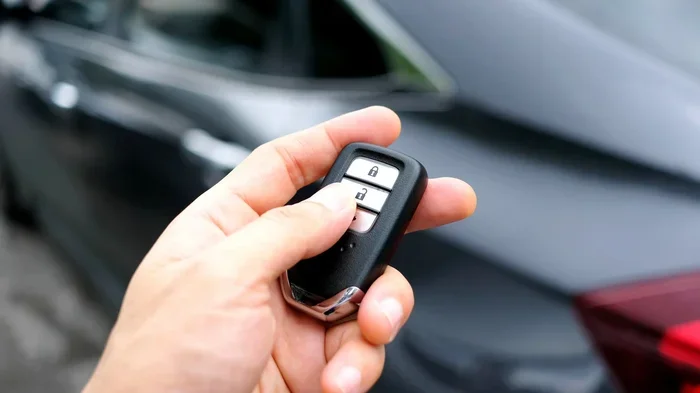
Almost every modern key fob includes a hidden mechanical key blade. This is a lifesaver when the fob fails completely. Look for a small button or slide on the side of the fob. Press it to release the metal key.
Use the mechanical key to unlock the driver door manually. Once inside, you can check the fob battery and try reprogramming. Many drivers forget about this backup until they desperately need it.
When the Problem Is Inside Your Car
Sometimes the key fob itself is fine, but something inside the car is preventing the doors from unlocking. This is an important distinction that many drivers miss.
Faulty Door Lock Actuator
The door lock actuator is the small motor inside each door that physically locks and unlocks the mechanism. When it fails, the fob sends the signal, but the door does not move.
Signs of a bad actuator include:
- A clicking or grinding noise when you press the fob
- Only one door will not respond to the fob
- The door lock works intermittently
- The lock feels stiff or stuck when using the manual lever
Replacing a door lock actuator typically costs between $150 and $300 at a repair shop. Some handy car owners can do it themselves with basic tools.
Broken Wiring or Connectors
Your car has wiring that connects the central locking system to each door. Over time, these wires can corrode, break, or come loose. This is especially common in older vehicles or cars that have been through harsh weather.
Corroded connectors often look green or white around the plug. If you can access the door wiring, a simple cleaning or reconnection may fix the issue. However, tracing wiring problems can be tricky, so consider professional help if you are not comfortable working with electrical systems.
Immobilizer or Anti-Theft System Activation
Modern cars have built-in anti-theft systems. The immobilizer prevents the car from starting unless it recognizes the correct key fob. If the system malfunctions, it may block the lock and unlock functions.
If you see a flashing security light on your dashboard, the immobilizer may be active. Try these steps:
- Remove the fob battery for 30 seconds
- Reinsert the battery
- Stand within arm’s reach of the car
- Press the unlock button firmly
If the security light stays on, the system needs professional diagnosis. A dealer can reset the immobilizer with the right diagnostic tools.
Key Fob Range and Why Distance Matters
Most key fobs have a range of about 20 to 50 feet. This range can shrink for several reasons. Understanding key fob range helps you troubleshoot more effectively.
Factors that reduce fob range include:
- Low battery voltage — a weak battery reduces signal strength
- Cold weather — batteries perform worse in freezing temperatures
- Tall buildings or walls — physical barriers block the signal
- Other electronic devices — as mentioned, interference is real
If your fob only works when you are standing right next to the car, the battery is almost certainly low. Replace it and test again. The range should return to normal with a fresh battery.
Preventing Key Fob Problems Before They Start
Prevention is always easier than repair. A few simple habits can keep your key fob not working situations to a minimum.
Replace the Battery on Schedule
Do not wait for the fob to fail completely. Mark your calendar to replace the battery every two years. This is a quick five-minute task that prevents unexpected lockouts.
Keep the Fob Dry and Clean
Store your fob away from moisture. Avoid placing it in damp pockets or leaving it in the rain. Wipe it down occasionally with a dry cloth to remove dirt and oils from your hands.
Store the Fob Away from Other Electronics
Keep your fob in a dedicated pocket or compartment. This reduces signal interference and protects the buttons from accidental presses. A small fob holder or pouch can make a big difference.
Have a Spare Fob on Hand
Always keep a backup fob in a safe place. If your primary fob fails, the spare gets you back in the car quickly. Most dealers can program a second fob for a reasonable fee.
When to See a Professional
Most key fob issues are simple to fix at home. But some situations call for expert help. You should see a professional if:
- The fob still does not work after replacing the battery
- Multiple doors will not unlock even though the fob seems fine
- You see a persistent security warning light on the dashboard
- The fob was physically damaged (cracked, dropped in water, crushed)
- The car locks and unlocks randomly without pressing any button
A qualified locksmith or auto electrician can diagnose deeper electrical problems. They have the right tools to reprogram fobs and test the car’s locking system. Trying to fix complex electrical issues yourself can sometimes make things worse, so know your limits.
Key Takeaways
- Dead battery is the #1 cause: Most key fob not opening car doors issues come from a weak or dead fob battery. Replace it first.
- Signal interference is common: Other electronics, metal objects, and even other fobs can block the signal. Try holding the fob directly against the door.
- Water damage destroys fobs: If your fob got wet, remove the battery and let it dry completely before testing again.
- Mechanical keys save the day: Always know where your hidden mechanical key blade is. It is your backup when the fob fails.
- Actuator problems need a pro: If the fob works but the door does not move, the lock actuator may be faulty and need replacement.
- Prevention beats repair: Replace your fob battery every two years and keep the fob dry and clean to avoid most problems.
- Know when to call for help: Complex electrical issues, immobilizer problems, and wiring faults should be handled by a professional.
Frequently Asked Questions
How do I know if my key fob battery is dead?
The most common sign is that the fob stops working entirely or only works when you are standing very close to the car. If you need to press the button multiple times or aim the fob directly at the car, the battery is likely weak. Replacing the battery is a quick and inexpensive fix that solves the problem in most cases.
Can I use any battery to replace my key fob battery?
No, you should use the exact battery type specified for your fob model. Most key fobs use CR2025 or CR2032 batteries. Check the old battery or your owner’s manual to confirm the correct type. Using the wrong battery can damage the fob or cause it to malfunction.
How much does it cost to replace a key fob?
A replacement fob typically costs between $50 and $250 depending on your car brand and model. Luxury vehicles and newer models tend to cost more. Programming the new fob at a dealer may add another $50 to $100. A locksmith is often a more affordable option for fob replacement and programming.
Why does my key fob work sometimes but not others?
Intermittent fob problems usually point to a weak battery or signal interference. A battery that is on its last legs may work in some conditions but fail in others. Cold weather, distance from the car, and nearby electronic devices can all cause inconsistent performance. Replacing the battery is the first step to fixing this issue.
Can water damage permanently ruin a key fob?
Yes, if the fob stays wet long enough, the internal circuit board can corrode and fail permanently. However, if you act quickly by removing the battery and letting the fob dry completely, there is a good chance it will work again. If it does not recover after drying, the fob needs to be replaced.
Is it safe to drive with a key fob that is not working properly?
You can still drive if the fob is not working, as long as you can get into the car using the mechanical key. However, a failing fob may also affect push-to-start functionality in newer vehicles. It is best to address the issue promptly so you do not get locked out unexpectedly.
=== CONCLUSION ===
A key fob not opening car doors is a frustrating experience, but it is almost always fixable. The most common cause is a simple dead battery, which you can replace in minutes. Signal interference, worn buttons, and water damage are other frequent culprits that you can address yourself. When the problem goes deeper, a faulty actuator, broken wiring, or an active immobilizer may be to blame.
Start with the basics. Replace the battery. Clean the contacts. Try reprogramming the fob. Most of the time, one of these steps solves the problem. If not, the sections in this guide will help you narrow down the cause and decide whether to tackle the fix yourself or visit a professional.
Take care of your remote key fob and it will take care of you. Keep spare batteries on hand, protect the fob from moisture, and remember to use your mechanical key backup when needed. With the right knowledge, you will never be stranded outside your car because of a key fob not working again.