Can Too Much Coolant Cause Overheating in Your Car
Can too much coolant cause overheating? The answer is yes, and it is more common than most drivers realize. An overfilled coolant system creates excess pressure, triggers leaks, and can lead to serious engine damage. Understanding how your cooling system works helps you prevent costly repairs and keep your car running safely.
Most car owners know that low coolant can cause a car to overheat. But here is something that surprises a lot of people: having too much coolant in your system can cause just as many problems. If you have ever popped the hood and wondered, “Can too much coolant cause overheating?” the answer is a definite yes. Understanding this connection can save you from expensive repairs and keep your engine running smoothly for years to come.
Your car’s cooling system is a carefully balanced setup. It relies on the right amount of coolant, proper pressure, and good airflow to keep your engine at a safe temperature. When you add more coolant than your system can handle, that balance breaks down. Pressure builds up. Seals get stressed. Coolant finds its way into places it should not be. And eventually, your engine starts running hotter than it should.
In this article, we will walk through exactly how too much coolant leads to overheating. We will cover the warning signs to watch for, the damage it can cause, and the simple steps you can take to fix and prevent the problem. Whether you are a seasoned DIY mechanic or someone who just wants to understand their car better, this guide has everything you need.
Key Takeaways
- Overfilling coolant creates excess pressure that can damage hoses, seals, and the radiator.
- Too much coolant causes overheating by blocking proper airflow and creating air pockets in the system.
- Signs of overfilled coolant include a rising temperature gauge, coolant leaks, and a swollen reservoir.
- Always check coolant levels when the engine is cool and follow your vehicle’s manual for the correct fill line.
- Regular cooling system maintenance prevents overfill issues and extends engine life.
- A faulty radiator cap can make overfill problems worse by failing to release excess pressure.
- Draining excess coolant is a simple fix that most car owners can do at home with basic tools.
📑 Table of Contents
- How the Cooling System Works
- Can Too Much Coolant Cause Overheating?
- Warning Signs of Too Much Coolant
- Damage Caused by Overfilled Coolant
- How to Fix an Overfilled Coolant System
- How to Prevent Coolant Overfill Problems
- Common Mistakes People Make With Coolant
- Expert Tips for a Healthy Cooling System
- Key Takeaways
- Conclusion
How the Cooling System Works
Before we dive into the problems, it helps to understand how your car’s cooling system is supposed to work. Think of it as a closed loop that moves heat away from your engine. Here is a simple breakdown of the main parts involved.
The Role of Coolant
Coolant, also known as antifreeze, is a liquid mixture that flows through your engine block and radiator. It absorbs heat from the engine and carries it away to the radiator, where the heat gets released into the air. This cycle keeps your engine at a steady, safe temperature.
Pressure and the Radiator Cap
Your cooling system operates under pressure. The radiator cap plays a big role here. It seals the system and allows pressure to build up to a certain level. That pressure raises the boiling point of the coolant, which helps it absorb more heat without turning into steam. But there is a limit. The radiator cap also has a valve that releases excess pressure when it gets too high.
The Coolant Reservoir
The coolant reservoir, also called the overflow tank, catches extra coolant that expands as it heats up. When the engine cools down, the coolant contracts and gets pulled back into the system. The reservoir has minimum and maximum fill lines that tell you exactly how much coolant to add.
When all of these parts work together, your engine stays cool. But when something goes wrong, like adding too much coolant, the whole system gets thrown off balance.
Can Too Much Coolant Cause Overheating?
Now let us get to the big question. Can too much coolant cause overheating? The short answer is yes. Here is how it happens.
Excess Pressure Builds Up
When you overfill the coolant reservoir, there is simply too much liquid in the system. As the engine heats up, the coolant expands. With nowhere else to go, the pressure inside the system spikes. This excess pressure can stress hoses, joints, and seals. It can also push coolant past the radiator cap and out of the system, reducing the total amount of coolant available to cool the engine.
Air Pockets Form
An overfilled system can trap air bubbles in the coolant lines. These air pockets are a big problem because air does not transfer heat the way liquid coolant does. Hot spots develop in the engine. The thermostat may not read the true temperature. And your cooling fan may not kick in at the right time. All of this can lead to your engine running hotter than normal.
The Reservoir Overflows
When there is too much coolant, the expanding liquid has no room to grow. It pushes out through the overflow hose or past the reservoir cap. This means less coolant stays in the system to do its job. As the level drops, the engine loses its ability to cool itself properly, and temperatures start to climb.
Coolant Gets Into Places It Should Not Be
Excess pressure from overfilling can force coolant into places like the combustion chamber or past the head gasket. This can cause white smoke from the exhaust, a sweet smell inside the car, and even misfires. It can also contaminate your engine oil, which reduces lubrication and increases wear on internal parts.
Warning Signs of Too Much Coolant
Catching an overfilled cooling system early can save you a lot of trouble. Here are the most common warning signs that you have put in too much coolant.
Rising Temperature Gauge
If your temperature gauge starts climbing into the red zone, that is one of the first signs something is wrong. An overfilled system may not be able to regulate heat properly, causing the engine to run hotter than usual.
Coolant Leaks Under the Car
Excess pressure forces coolant out through weak points in the system. You might notice puddles under your car, a white residue around hoses, or a constant drop in coolant level even though you did not have a leak before.
Swollen or Bulging Reservoir
The coolant reservoir is designed to handle a certain amount of pressure. When there is too much coolant, the tank may swell or even crack. If you look at your reservoir and it looks tight or distorted, that is a clear sign of overfill.
Steam or Coolant Smell
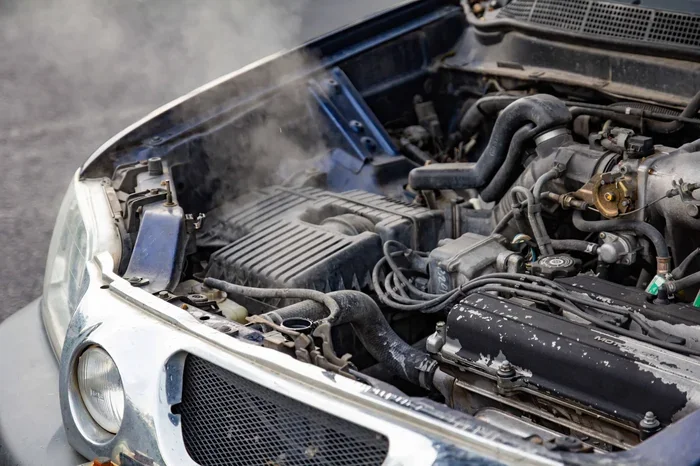
If you see steam coming from under the hood or smell a sweet, syrupy odor, excess pressure may be pushing coolant out of the system. This is a serious sign that should not be ignored.
Coolant in the Oil or Exhaust
In more severe cases, overpressure pushes coolant past the head gasket and into the oil passages or combustion chamber. You might notice a milky film on your dipstick or white exhaust smoke that does not go away after the engine warms up.
Damage Caused by Overfilled Coolant
Running your car with too much coolant is not just a minor annoyance. Over time, it can cause real and costly damage to your engine and cooling system.
Blown Head Gasket
The head gasket sits between the engine block and the cylinder head. It seals the combustion chambers and keeps coolant and oil separate. Excess pressure from overfilled coolant can wear this gasket out prematurely. A blown head gasket is one of the most expensive repairs a car owner can face, often costing hundreds or even thousands of dollars.
Cracked Reservoir or Hoses
The coolant reservoir and rubber hoses are not designed to handle extreme pressure. When too much coolant creates excess force, these parts can crack or burst. A burst hose can dump all of your coolant out in seconds, leading to instant overheating and potential engine failure.
Damaged Water Pump
The water pump circulates coolant through the engine and radiator. When the system is overfilled, the pump has to work harder to move the extra liquid. Over time, this extra strain can wear out the pump bearings and seals, leading to a failure that stops coolant flow entirely.
Thermostat Failure
The thermostat controls the flow of coolant based on engine temperature. Excess pressure and air pockets can cause the thermostat to stick open or closed. If it gets stuck closed, coolant cannot reach the radiator, and your engine will overheat very quickly.
Corrosion and Rust
When coolant leaks out and air gets in, the remaining coolant becomes more concentrated with antifreeze. This mixture is more corrosive and can eat away at metal parts inside the cooling system, including the radiator, water pump, and engine passages.
How to Fix an Overfilled Coolant System
If you suspect you have put in too much coolant, do not panic. The fix is usually straightforward and something you can do yourself with a few basic tools.
Step 1: Let the Engine Cool Down
Never open the radiator cap or reservoir when the engine is hot. The system is under pressure, and opening it can cause hot coolant to spray out and burn you. Wait at least 30 minutes after turning off the engine, or better yet, do the check first thing in the morning before you start the car.
Step 2: Check the Coolant Level
Locate the coolant reservoir and look at the side. You should see minimum and maximum fill lines. If the level is above the maximum line, you have overfilled the system.
Step 3: Drain the Excess Coolant
Place a drain pan underneath the radiator petcock or the lowest point in the cooling system. Open the valve and let a small amount of coolant drain out until the level drops to the correct line. Then close the valve tightly.
Step 4: Check for Damage
Once the level is correct, start the engine and let it run for a few minutes. Watch the temperature gauge to make sure it stays in the normal range. Also check under the car for any leaks and inspect the hoses and reservoir for cracks or swelling.
Step 5: Bleed Air from the System
If you noticed air pockets before fixing the level, you may need to bleed the system. Many cars have a bleed valve on the radiator or thermostat housing. Open it while the engine runs until coolant flows out steadily with no bubbles, then close it back up.
How to Prevent Coolant Overfill Problems
Prevention is always easier and cheaper than repair. Here are some simple steps to keep your cooling system in great shape.
- Always check coolant levels when the engine is cool. This gives you an accurate reading and keeps you safe from burns.
- Follow your owner’s manual. Every vehicle has a specific coolant capacity. Stick to the recommended amount and type.
- Use the right coolant mixture. Most cars work best with a 50/50 mix of coolant and distilled water. Too much water or too much concentrate can cause problems.
- Inspect the radiator cap regularly. A worn cap cannot hold the right pressure, which makes overfill issues worse.
- Check for leaks after every oil change. Look under the car for puddles and inspect hoses for cracks or soft spots.
- Schedule regular cooling system flushes. Old coolant loses its effectiveness and can become corrosive. A flush keeps the system clean and functioning properly.
- Do not just top off without checking. If you need to add coolant frequently, there is likely a leak somewhere. Find and fix it before it causes bigger problems.
Common Mistakes People Make With Coolant
Even well-meaning car owners make mistakes when it comes to coolant. Here are a few to avoid.
Mixing Different Coolant Types
Not all coolants are the same. There are different types, including IAT, OAT, and HOAT formulations. Mixing them can cause chemical reactions that create sludge and clog your cooling system. Always check your manual and use the type your manufacturer recommends.
Using Tap Water Instead of Distilled Water
Tap water contains minerals that can build up inside the cooling system over time. These deposits reduce heat transfer and can clog small passages. Always use distilled water when mixing coolant.
Ignoring the Temperature Gauge
Many drivers pay no attention to their temperature gauge until something goes wrong. Make it a habit to glance at it during every drive. Catching a slight temperature rise early can prevent a major breakdown.
Topping Off Without Finding the Root Cause
If you find yourself adding coolant every few weeks, that is a red flag. Something is leaking. Topping off without fixing the leak is like putting a bandage on a broken bone. It covers up the symptom but not the problem.
Expert Tips for a Healthy Cooling System
Here are some extra tips from experienced mechanics and automotive experts to keep your cooling system in top shape.
- Replace the radiator cap every 3 to 5 years. The cap is a small part, but it plays a big role in maintaining proper pressure.
- Watch your coolant color. Fresh coolant is bright green, orange, or pink depending on the type. If it looks rusty, brown, or muddy, it is time for a flush.
- Do not ignore a slow leak. Even a tiny drip can lead to low coolant levels and overheating over time.
- Keep your radiator clean. Bugs, dirt, and debris can block airflow through the radiator fins and reduce cooling efficiency.
- Use a pressure tester. If you suspect a problem, a cooling system pressure tester can help you find leaks and check the health of seals and hoses.
Key Takeaways
- Too much coolant creates excess pressure that stresses every part of the cooling system.
- Overfilled coolant can cause overheating by forming air pockets, overflowing the reservoir, and reducing effective cooling.
- Watch for warning signs like a rising temperature gauge, coolant leaks, and a swollen reservoir.
- Draining excess coolant is a simple fix that can prevent serious engine damage.
- Regular maintenance including flushes, cap replacements, and level checks keeps your cooling system reliable.
- Always use the right coolant type and mixture for your specific vehicle.
- When in doubt, consult a professional mechanic who can pressure test your system and catch problems early.
Conclusion
The answer to the question, can too much coolant cause overheating, is a clear yes. An overfilled cooling system creates excess pressure, traps air pockets, and forces coolant out of the system. This leads to poor heat regulation, rising engine temperatures, and potentially serious damage to parts like the head gasket, water pump, and radiator. The good news is that this is a completely preventable problem. By checking your coolant level regularly, using the right mixture, and following your vehicle’s maintenance schedule, you can keep your cooling system working exactly the way it should.
Do not wait until your temperature gauge starts climbing or you see puddles under your car. Take a few minutes to check your coolant level today. It is one of the simplest things you can do to protect your engine and avoid costly repairs. Your car will thank you for it, and you will have peace of mind knowing that your cooling system is in good shape.
Remember, a little attention goes a long way. Stay on top of your coolant levels, watch for the warning signs we covered, and keep your engine cool. Happy driving.
Frequently Asked Questions
What happens if I put too much coolant in my car?
Too much coolant causes excess pressure in the cooling system. This can lead to leaks, swollen reservoirs, air pockets, and ultimately engine overheating. In severe cases, it can damage the head gasket or force coolant into the combustion chamber.
How do I know if I have too much coolant?
Check the coolant reservoir when the engine is cool. If the level is above the maximum fill line, you have overfilled the system. Other signs include coolant leaks under the car, a rising temperature gauge, and a sweet smell coming from the engine bay.
Can I just drain some coolant to fix an overfill?
Yes, draining the excess is the simplest fix. Let the engine cool, place a pan under the radiator, open the petcock, and drain until the level reaches the correct line between the minimum and maximum marks on the reservoir.
Does the type of coolant matter when filling up?
Absolutely. Different vehicles require different coolant types, such as IAT, OAT, or HOAT. Mixing incompatible coolants can cause chemical reactions that create sludge and clog the cooling system. Always check your owner’s manual for the recommended type.
How often should I check my coolant level?
It is a good habit to check your coolant level at least once a month and before any long road trips. Always check when the engine is cool for an accurate reading and to avoid burns from hot coolant or steam.
What is the correct coolant mixture ratio?
Most vehicles work best with a 50/50 mix of coolant and distilled water. This ratio provides the best balance of freeze protection, boil-over protection, and heat transfer. Using too much water or too much concentrate can reduce cooling efficiency and cause problems.