Can You Put Coolant in a Hot Car Without Causing Damage
Can you put coolant in a hot car? The short answer is yes, but you must be extremely careful. Adding coolant to an overheated engine can cause cracking or severe burns if you do it wrong. This guide shows you exactly how to do it safely without damaging your engine.
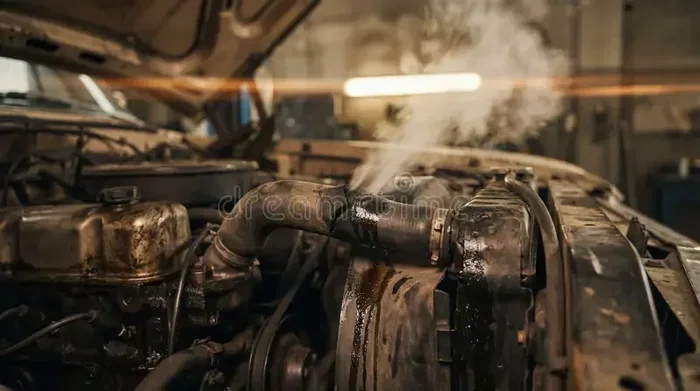
You are on the side of the road. The temperature gauge is in the red. Steam is rising from the hood. Your first thought is to pour coolant into the radiator right now. But wait. Can you put coolant in a hot car without causing more harm than good? The answer is not as simple as yes or no. It depends on how hot the engine is, what type of coolant you use, and whether you follow a few critical safety steps.
Many drivers think that adding coolant to a hot engine is a quick fix. It is not. Doing it the wrong way can crack the engine block, blow out the radiator cap, or scald you badly. This guide walks you through exactly what happens when you add coolant to a hot car, how to do it safely, and when to call a professional instead. We will cover cooling system basics, the right coolant types, and simple tips you can use today.
Key Takeaways
- Never open the radiator cap on a hot engine: Pressurized steam can cause terrible burns.
- Let the car cool for at least 30 minutes: This reduces the risk of injury and radiator damage.
- Use the correct coolant type: Mixing different coolants can create sludge and block passages.
- Check the coolant level only when cold: The expansion tank has MIN/MAX marks for a reason.
- Top up slowly and carefully: Pouring too fast can cause thermal shock to the engine block.
- Watch for warning signs: A rising temperature gauge or steam means you should stop and wait.
📑 Table of Contents
- What Happens When You Add Coolant to a Hot Engine?
- The Right Way to Cool Down Your Car Before Adding Coolant
- Types of Coolant and When to Use Them
- Common Mistakes People Make When Adding Coolant to a Hot Car
- How to Safely Check and Top Up Coolant
- When to Seek Professional Help Instead of DIY
- Final Thoughts on Adding Coolant Safely
What Happens When You Add Coolant to a Hot Engine?
The Science Behind the Steam
Your car’s cooling system is a sealed loop. It holds coolant under pressure. When the engine runs hot, the coolant temperature can exceed 100°C (212°F). At that point, the liquid turns into steam. The pressure inside the radiator rises to about 15 PSI. If you open the cap while the system is hot, that pressurized steam and boiling liquid will blast out. This is called a coolant eruption. It can send burning fluid into your face, hands, and eyes.
Adding cold coolant to a superheated engine block also causes thermal shock. The metal contracts rapidly when it meets cold liquid. This sudden change can create hairline cracks in the cylinder head or engine block. Those cracks lead to expensive repairs. So, Can you put coolant in a hot car? You can, but only if you wait for the temperature to drop first.
When a Quick Top-Up Might Seem Tempting
Sometimes you are stuck in traffic on a hot day. The coolant warning light starts flashing. You have a bottle of antifreeze in the trunk. The urge to pop the hood and pour it in is strong. I understand that. But remember: a few minutes of waiting can save you hundreds of dollars in engine repairs. Let us look at the right way to handle this.
The Right Way to Cool Down Your Car Before Adding Coolant
Step 1: Pull Over Safely and Turn Off the Engine
As soon as you notice the temperature gauge climbing, find a safe spot to pull over. Turn off the engine but leave the ignition in the ON position. This keeps the radiator fan running, which helps draw heat away. Do not try to drive further if the gauge is in the red zone. Continuing to drive with an overheating engine can warp the head gasket or seize the engine.
Step 2: Wait for the Temperature to Drop
How long should you wait? The rule of thumb is at least 30 minutes. Some mechanics say up to an hour for a severely overheated engine. You want the temperature gauge to fall back to the normal range. The radiator hoses should feel warm, not scalding hot. Use this time to turn on the heater to full blast. Yes, it makes the cabin hot, but it helps pull heat from the coolant system faster.
Step 3: Check the Coolant Level When Cold
Once the engine is cool, open the hood. Never open the radiator cap directly. Instead, look at the coolant reservoir or overflow tank. This plastic tank has clear MIN and MAX lines. If the level is below the MIN line, you need to add fluid. Use a clean cloth to wipe the area around the cap first. This prevents dirt from falling into the cooling system.
Now you can slowly twist the reservoir cap. If you hear any hissing, stop. That means there is still pressure inside. Wait a few more minutes. When the hissing stops, you can safely remove the cap.
Types of Coolant and When to Use Them
Understanding Your Coolant Options
Not all engine coolant is the same. Using the wrong type can damage water pump seals, corrode aluminum parts, and clog the radiator. Here are the three main categories you will see at the auto parts store.
| Coolant Type | Base Chemical | Compatible With | Typical Color |
|---|---|---|---|
| IAT (Inorganic Additive Technology) | Silicate and phosphate | Older cars (pre-2000) | Green |
| OAT (Organic Acid Technology) | Organic acids | Modern GM, Ford, and many Asian brands | Orange, Red, Dark Green |
| HOAT (Hybrid Organic Acid Technology) | Blend of silicate and organic acids | Many European and newer vehicles | Yellow, Pink, Turquoise |
Why Mixing Coolants Is a Bad Idea
Some drivers think all coolants are interchangeable. They are not. Mixing a green IAT coolant with an OAT coolant can form a gel-like sludge. That sludge blocks the narrow passages inside the engine block and heater core. The result is poor heat transfer and a car that overheats again. Always check your owner’s manual for the correct coolant specification. When in doubt, use a universal coolant that is compatible with all types.
Pre-Mixed vs. Concentrated Coolant
Most people should buy pre-mixed coolant. It comes ready to pour into the reservoir. It is a 50/50 mix of antifreeze and distilled water. Pre-mixed coolant has a lower freezing point and a higher boiling point. You can use it year-round. If you buy concentrated coolant, you must mix it with distilled water yourself. Never use tap water. Tap water contains minerals that cause coolant deposits and scale buildup inside the radiator.
Common Mistakes People Make When Adding Coolant to a Hot Car
Mistake 1: Opening the Radiator Cap Too Early
This is the number one mistake. The radiator cap seals a pressurized system. When the engine is hot, the pressure is very high. Removing the cap releases that pressure instantly. The boiling coolant can spray out like a geyser. Even a small splash can cause third-degree burns. Always let the engine cool completely before touching the radiator cap.
Mistake 2: Pouring Cold Coolant onto a Hot Engine Block
Some people think pouring cold coolant will cool the engine faster. It does the opposite. The sudden temperature change causes the metal to contract unevenly. This can crack the cylinder head or engine block. If you must add fluid to a warm engine (never hot), do it in tiny sips and keep the engine running at idle.
Mistake 3: Ignoring a Coolant Leak
If you keep losing coolant, you have a leak. Topping up without fixing the leak is just a temporary band-aid. Common leak points include the radiator hose, the water pump weep hole, the head gasket, and the heater core. A coolant pressure test at a repair shop can find the exact leak location quickly.
Mistake 4: Using the Wrong Fluid
Never put windshield washer fluid into the coolant reservoir. It does not have the anti-corrosion additives and will not protect against freezing or boiling. Some people also put brake fluid or power steering fluid in by mistake. These fluids destroy seals and damage the cooling system beyond repair. Always double-check the label before pouring.
How to Safely Check and Top Up Coolant
Gathering Your Tools
You need very little to top up coolant safely. Here is what to have ready:
- A bottle of the correct coolant type for your car.
- A clean rag or paper towels.
- A funnel (optional but helpful).
- Gloves and safety glasses to protect your hands and eyes.
The Safe Top-Up Process
Follow these steps every time you add coolant:
- Make sure the engine is cold. Wait at least 30 minutes after turning off the car.
- Locate the coolant reservoir. It is a translucent plastic tank near the radiator. Look for the MIN and MAX lines.
- Wipe the cap clean. Use a dry cloth to remove any dirt or grime around the cap. This stops debris from falling into the system.
- Slowly twist the cap counterclockwise. If you feel resistance or hear hissing, stop. Wait for the pressure to release.
- Pour the coolant slowly. Use a funnel if you have one. Fill to just below the MAX line. Do not overfill.
- Replace the cap and press down until it clicks. This ensures a proper seal.
- Start the engine and let it idle for a few minutes. Watch the temperature gauge. It should stay in the normal range.
Quick Tips for Coolant Maintenance
- Check coolant levels once a month. A quick glance at the reservoir can prevent major problems.
- Flush the system every 2 years or 30,000 miles. Old coolant loses its anti-corrosion properties.
- Keep a spare bottle of coolant in your trunk. It can save you from a roadside breakdown.
- Always use distilled water for mixing. Tap water leaves mineral deposits that clog the cooling system.
When to Seek Professional Help Instead of DIY
Signs That Your Cooling System Needs a Mechanic
Sometimes topping up coolant is not enough. You should visit a mechanic if you notice any of these signs:
- The temperature gauge climbs into the red zone repeatedly, even after adding coolant.
- You see a puddle of green, orange, or pink fluid under the car.
- There is a sweet, syrupy smell coming from the engine bay.
- White steam or smoke pours from the exhaust pipe.
- The coolant warning light stays on even after you add fluid.
What a Mechanic Will Do
A professional will perform a cooling system pressure test. This test checks for leaks in the radiator, hoses, water pump, and head gasket. They may also flush the cooling system completely and replace the old coolant with fresh fluid. If the thermostat is stuck closed or the radiator fan is not working, they can replace those parts on the spot. Trying to fix these issues yourself can be risky if you do not have experience.
Remember, Can you put coolant in a hot car without causing damage? Yes, but only if you follow the safety rules. If you are ever unsure, it is better to call a tow truck and let a professional handle it. Your engine is a complex machine. Treat it with care, and it will keep you on the road for years.
Final Thoughts on Adding Coolant Safely
Dealing with an overheating car is stressful. The temptation to pour coolant in immediately is real. But patience is your best tool. Wait for the engine to cool, use the right fluid, and top up slowly. These simple habits protect your cooling system and keep you safe from burns. Can you put coolant in a hot car safely? Absolutely, as long as you let the heat drop first. Share these tips with a friend who might need them. A little knowledge can save a lot of money and trouble on the road.
Frequently Asked Questions
What happens if you put coolant in a hot car?
Adding coolant to a hot engine can cause thermal shock, which may crack the engine block or cylinder head. The pressurized steam can also erupt and cause severe burns. Always let the car cool down for at least 30 minutes first.
Can I add coolant while the engine is running?
No, you should never add coolant while the engine is running or hot. The system is under high pressure and the fluid is boiling. Wait until the engine is completely cool to avoid injury and damage to the cooling system.
How long should I wait before adding coolant to a hot car?
Wait at least 30 minutes for the engine to cool down. If the car was severely overheated, wait up to an hour. Check that the temperature gauge has returned to the normal range before opening the coolant reservoir.
Is it safe to use water instead of coolant in an emergency?
Water can work as a very temporary emergency substitute. It will not protect against freezing or boiling as well as proper antifreeze. Water also lacks anti-corrosion additives. Replace it with the correct coolant as soon as possible.
What is the difference between antifreeze and coolant?
Antifreeze is the concentrated liquid, usually made of ethylene glycol or propylene glycol. Coolant is a mixture of antifreeze and distilled water, typically a 50/50 ratio. Pre-mixed coolant is ready to pour into the reservoir.
Can I mix different colors of coolant?
It is best not to mix different coolant colors or types. Combining IAT and OAT coolants can create a sludge that clogs the radiator and heater core. Stick to one type or use a universal coolant that is compatible with all systems.