How Long Do Engines Last and What Affects Their Lifespan
How long do engines last? Most car engines can run between 150,000 and 300,000 miles with proper care. The lifespan depends on maintenance habits, driving style, fuel quality, and manufacturing design. Regular oil changes, timely repairs, and smart driving can push your engine well beyond average expectations.
Every car owner wants to know the same thing. How long do engines last? The answer isn’t as simple as a single number. A lot depends on how you treat your vehicle, what kind of driving you do, and how well you keep up with maintenance.
The truth is, engines can last anywhere from 100,000 miles to over 300,000 miles. Some well-maintained engines even push past the 400,000-mile mark. But what separates a short-lived engine from a long-lasting one? Let’s break it all down.
In this guide, we’ll explore the average engine lifespan, the factors that play the biggest role, and what you can do to keep your engine running strong for years to come.
Key Takeaways
- Average Engine Life: Most engines last between 150,000 and 300,000 miles, depending on care and usage.
- Maintenance Is Everything: Regular oil changes, fluid checks, and filter replacements dramatically extend engine life.
- Driving Style Matters: Aggressive driving, excessive idling, and towing beyond capacity all shorten engine lifespan.
- Know the Warning Signs: Unusual noises, decreased performance, and warning lights should never be ignored.
- Repair vs. Replace: A rebuilt or replaced engine can cost thousands, so weigh options carefully before deciding.
- Quality Fuel and Oil Help: Using the right products protects internal components and reduces wear over time.
📑 Table of Contents
How Long Do Engines Last on Average
When we talk about engine lifespan, we usually measure it in miles or years. Most modern car engines are designed to last around 200,000 miles. But that number is just an average. Some engines fall short, and others go far beyond it.
The type of engine matters a lot here. A gasoline engine typically lasts between 150,000 and 250,000 miles. A diesel engine often lasts longer, sometimes reaching 300,000 miles or more. Why? Diesel engines are built with stronger components. They handle higher compression ratios, which means they are more durable over time.
Gasoline vs. Diesel Engine Lifespan
Gasoline engines are the most common type in everyday passenger cars. They work by igniting a fuel-air mixture with a spark plug. This process creates a lot of heat and pressure on internal parts. Over time, that wear adds up.
Diesel engines, on the other hand, use compression to ignite fuel. They don’t need spark plugs. The combustion process is less violent on certain components. That’s one reason diesel engines tend to have a longer lifespan. But diesel engines have their own issues. They can be more expensive to repair. The fuel system and turbocharger parts can wear out too.
Average Mileage Expectations by Vehicle Type
Not all vehicles are created equal. Here is a quick look at what you can expect from different types of cars:
- Compact Cars: 150,000 to 250,000 miles with regular maintenance.
- Sedans and Coupes: 200,000 to 300,000 miles if well cared for.
- SUVs and Trucks: 200,000 to 350,000 miles, though heavy towing shortens this.
- Luxury Vehicles: 150,000 to 250,000 miles. Complex systems can lead to more repairs.
- Commercial Fleet Vehicles: 300,000+ miles. These are built for durability and heavy use.
Keep in mind that these numbers assume regular maintenance. A neglected engine will fall well below these ranges no matter what type of vehicle you drive.
Factors That Affect Engine Lifespan
So what really determines how long your engine lasts? Several key factors come into play. Some you can control. Others are out of your hands. Let’s look at the big ones.
Maintenance Habits
This is the single biggest factor you can control. Engines that receive regular maintenance last significantly longer than neglected ones. Here is what matters most:
- Oil Changes: Fresh oil lubricates moving parts and reduces friction. Skipping oil changes is one of the fastest ways to kill an engine.
- Coolant Flushes: Your cooling system prevents overheating. Old coolant loses its effectiveness over time.
- Air Filter Replacement: A clean air filter ensures proper airflow. Dirty filters force the engine to work harder.
- Spark Plug Replacement: Worn spark plugs cause incomplete combustion. This puts extra strain on the engine block and pistons.
- Timing Belt Replacement: A broken timing belt can destroy an engine. Follow the manufacturer’s replacement schedule closely.
Sticking to a maintenance schedule might feel like a hassle. But it saves you from costly repairs down the road. Think of it as insurance for your engine’s longevity.
Driving Style and Conditions
How you drive affects your engine more than you might think. Aggressive driving habits put extra stress on internal components. Here are some habits that shorten engine life:
- Revving the engine to the red line too often
- Hard braking and rapid acceleration
- Excessive idling for long periods
- Towing loads beyond the vehicle’s rated capacity
- Driving in extreme heat or cold without precautions
City driving with lots of stop-and-go traffic is harder on engines than steady highway driving. Stop-and-go conditions cause more wear on the crankshaft, piston rings, and bearings. If you drive mostly in the city, you may need to stay on top of maintenance even more closely.
On the flip side, gentle driving with smooth acceleration and braking helps your engine last longer. It keeps temperatures stable and reduces stress on all the moving parts inside.
Quality of Fuel and Oil
The fluids you put into your engine matter. Low-quality fuel can leave deposits inside the combustion chamber. Over time, these deposits reduce efficiency and cause wear. Cheap oil might save you a few dollars in the short term. But it can lead to serious engine problems down the line.
Always use the oil grade recommended by your vehicle’s manufacturer. Synthetic oils tend to last longer and provide better protection than conventional oils. They also handle extreme temperatures better, which helps protect the engine block and internal components.
Manufacturing Quality and Design
Not all engines are built the same way. Some manufacturers use higher-quality materials and tighter tolerances. These engines naturally last longer. Japanese brands like Toyota and Honda are well known for engines that easily surpass 200,000 miles. European luxury brands sometimes have more complex engines that require more frequent repairs.
The design of the engine also plays a role. Overhead cam engines tend to be more efficient and durable than older pushrod designs. But they can also be more expensive to repair when something goes wrong.
Signs Your Engine Is Wearing Out
Engines rarely fail without warning. There are usually clear signs that something is wrong. Catching these early can save you from a full engine failure. Here are the most common warning signs to watch for.
Unusual Noises and Sounds
Your engine should run relatively quietly. If you start hearing knocking, ticking, or grinding sounds, pay attention. These noises often point to specific problems:
- Knocking: Often caused by worn rod bearings or low oil pressure.
- Ticking: Can indicate low oil, dirty lifters, or exhaust leaks.
- Grinding: Usually a sign of worn bearings or transmission issues.
Any new or unusual sound is worth getting checked out right away. Ignoring it can turn a small repair into a major engine rebuild.
Decreased Performance
Has your engine lost its pep? A drop in performance can signal wear and tear. Common signs include:
- Reduced power when accelerating
- Rough idling or stalling
- Increased fuel consumption
- Difficulty starting the engine
These symptoms can be caused by worn piston rings, clogged fuel injectors, or failing sensors. A mechanic can run diagnostics to pinpoint the exact cause.
Warning Lights and Fluid Leaks
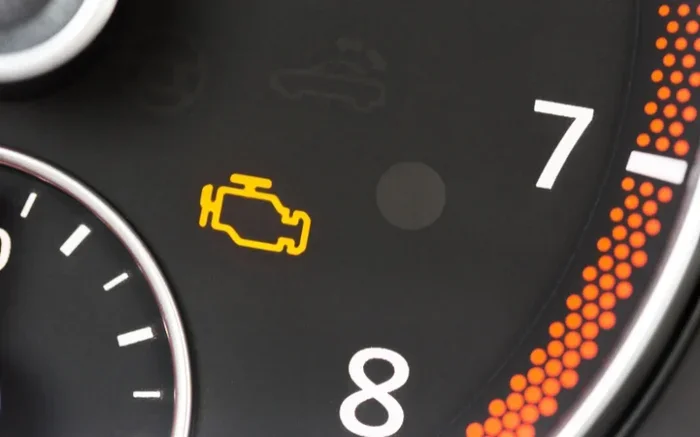
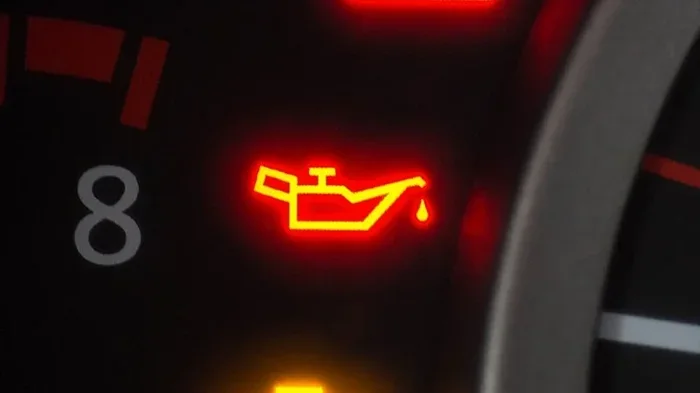
Your dashboard warning lights are there for a reason. If the check engine light comes on, don’t ignore it. It could be something minor. Or it could be a sign of a serious engine problem that needs immediate attention.
Fluid leaks under your car are another red flag. Oil leaks, coolant leaks, and transmission fluid leaks all point to potential engine trouble. Check your parking spot regularly. A small puddle could save you from a big repair bill.
How to Extend Your Engine’s Life
The good news is that you have more control over your engine’s lifespan than you might think. A few smart habits can add years and tens of thousands of miles to your engine. Here is what works.
Stick to a Regular Maintenance Schedule
This cannot be stressed enough. Follow the maintenance schedule in your owner’s manual. Get your oil changed on time. Replace filters as recommended. Flush your coolant at the intervals specified by the manufacturer. These simple steps go a long way in protecting your engine’s internal components.
Warm Up Your Engine Properly
Cold starts are tough on engines. The oil is thick and has not fully circulated yet. Give your engine a minute or two to warm up before driving hard. This lets the oil reach all the moving parts, including the crankshaft, camshaft, and piston rings. It reduces wear and helps the engine run smoother.
Address Small Problems Early
Small problems become big problems fast when it comes to engines. A minor oil leak today can lead to low oil pressure tomorrow. Low oil pressure can cause catastrophic engine failure. Fix small issues as soon as you notice them. It is always cheaper and easier than dealing with a major breakdown.
Keep Your Cooling System in Check
Overheating is one of the fastest ways to destroy an engine. The cooling system keeps your engine at the right operating temperature. Make sure your coolant levels are always topped off. Watch for signs of leaks in the hoses and radiator. Replace old coolant on schedule. A well-functioning cooling system is one of the best investments you can make for your engine’s longevity.
Drive Smart and Avoid Excessive Strain
Smooth driving habits protect your engine. Avoid sudden acceleration and hard braking. Don’t overload your vehicle beyond its rated capacity. If you tow frequently, make sure you stay within the limits specified by the manufacturer. These practices reduce stress on the engine block, pistons, and connecting rods.
Engine Repair vs. Replacement: When to Make the Call
At some point, every car owner faces a tough decision. Should you repair the engine or replace it? The answer depends on several factors, including the age of the vehicle, the cost of repairs, and your overall goals.
A major engine repair, such as a rebuild or overhaul, can cost anywhere from $2,500 to $7,500. A full engine replacement can run $4,000 to $10,000 or more, depending on the vehicle. Before committing to either option, consider the overall value of the car. If the repair cost exceeds the value of the vehicle, replacement or buying a new car might make more sense.
On the other hand, if you have a high-quality vehicle with a solid body and good mileage, a rebuilt engine can extend its life by another 100,000 miles or more. Always get a detailed estimate from a trusted mechanic before making your decision.
Common Engine Myths Debunked
There are a lot of myths out there about engine care. Let’s clear up a few of the most common ones.
Myth 1: You must warm up your car for 10 minutes every morning. Modern engines only need about 30 seconds to a minute of warm-up before driving gently. Extended idling wastes fuel and can actually cause carbon buildup.
Myth 2: Premium fuel makes your engine last longer. Unless your vehicle requires premium fuel, regular fuel works just fine. Using premium fuel in a car designed for regular offers no extra engine protection.
Myth 3: Changing your oil every 3,000 miles is always necessary. Many modern vehicles can go 5,000 to 10,000 miles between oil changes. Check your owner’s manual for the manufacturer’s recommendation rather than following outdated advice.
Myth 4: A rebuilt engine is as good as new. A rebuilt engine can perform well, but it is not the same as a brand-new engine. The block and some internal components are reused. It is a good option, but expectations should be realistic.
Conclusion
So how long do engines last? The answer is in your hands. Most engines can last well over 200,000 miles with proper care. The key factors are consistent maintenance, smart driving habits, quality fluids, and addressing problems early. Every driver can take steps to protect their engine and extend its lifespan.
Do not wait for warning signs to appear. Stay proactive with your maintenance schedule. Treat your engine well, and it will reward you with years of reliable service. A little effort today saves you from expensive repairs tomorrow.
Whether you drive a compact car or a heavy-duty truck, the principles are the same. Keep your fluids clean, your parts in good shape, and your driving habits smooth. That is the real secret to a long-lasting engine.
Frequently Asked Questions
What is the average lifespan of a car engine?
Most car engines last between 150,000 and 300,000 miles. With excellent maintenance and gentle driving, some engines surpass 400,000 miles. The average depends on the vehicle type, fuel used, and how well the owner follows a maintenance schedule.
Can an engine last 500,000 miles?
Yes, it is possible but rare. Engines that reach 500,000 miles usually belong to vehicles that received exceptional care. Regular oil changes, timely repairs, and avoiding harsh driving conditions all contribute to this level of durability. Diesel engines are more likely to reach this milestone than gasoline engines.
How often should I change my oil to extend engine life?
Follow your vehicle manufacturer’s recommendation, which is typically every 5,000 to 10,000 miles for modern cars. Older vehicles may need changes every 3,000 miles. Using high-quality synthetic oil can also help protect engine components and extend intervals between changes.
Is it worth rebuilding an engine?
A rebuilt engine can be worth it if the rest of the vehicle is in good condition. The cost of a rebuild is usually lower than buying a new car. However, if repair costs exceed the vehicle’s value, replacement or purchasing a new vehicle may be the smarter choice.
What causes an engine to fail early?
The most common causes are poor maintenance, low oil levels, overheating, and aggressive driving. Neglecting oil changes, ignoring warning lights, and using low-quality fuel all accelerate wear on critical components like the crankshaft, pistons, and bearings.
Does the type of fuel affect engine longevity?
Yes, fuel quality matters. Using the recommended fuel grade and avoiding contaminated or low-quality fuel helps protect the combustion chamber and fuel system. Clean fuel reduces carbon buildup and keeps internal engine parts working smoothly over the long term.